
Northeast Habitats & Highways is a video series created in partnership with transportation and wildlife agencies across the Northeast. It’s designed for professionals working in transportation infrastructure, planning, conservation and beyond—who want to better understand how roads and ecosystems intersect.
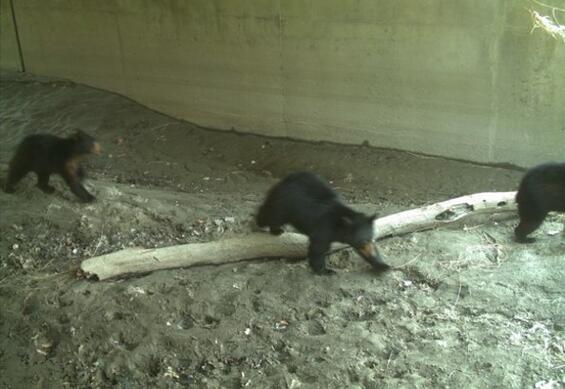
Black Bear (Ursus americanus) Sow and Cubs using a riverbank at interstate bridge crossing
Five videos totaling roughly 90 minutes explore:
- The science behind road and wildlife conflicts and the implications for both people and nature.
- Tools for evaluating habitat connectivity and planning and prioritizing projects.
- Real-world examples of wildlife-friendly infrastructure solutions.
- The many ways partnerships are improving projects and spreading knowledge.
- Strategies for ensuring long-term success.
Northeast Habitats & Highways Video Training Introduction
You’ll also hear directly from professionals across the region who are already leading the way. Their stories and insights will spark ideas and show what’s possible when we work together. Whether you’re new to this topic or already involved in connectivity work, this training will give you practical tools and fresh inspiration. You’ll come away with ideas you can apply right away—and a clearer sense of how you can contribute to the growing promise of road ecology.
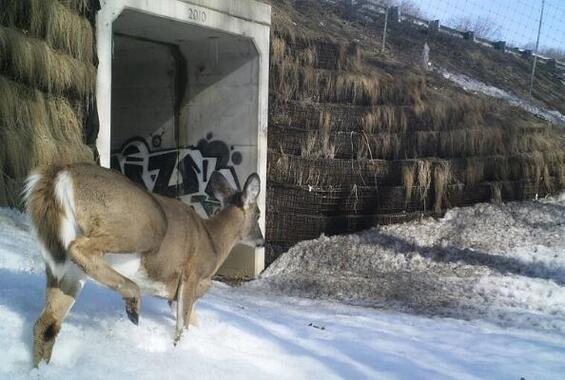
White-tailed Deer (Odocoileus virginianus) approaching a wildlife crossing in Southeastern Massachusetts
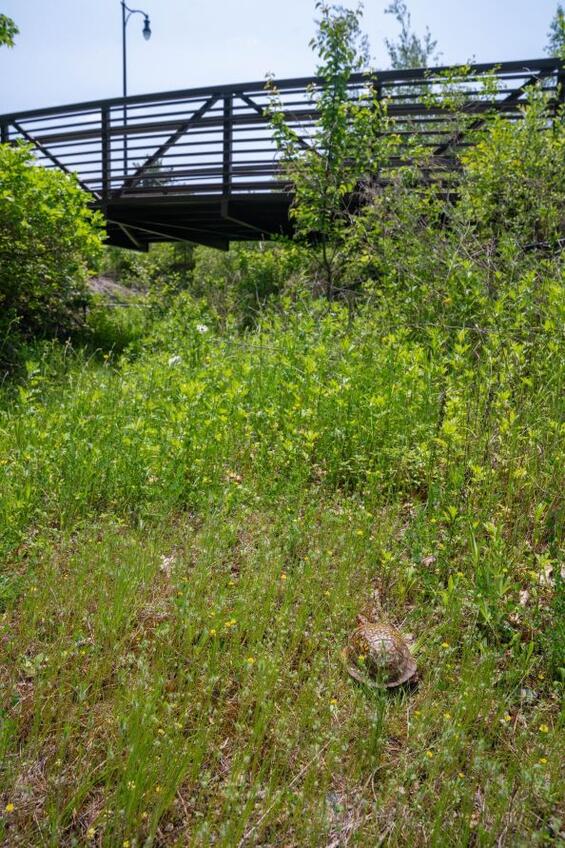
Eastern Box Turtle (Terrapene carolina) moving through a wildlife corridor.
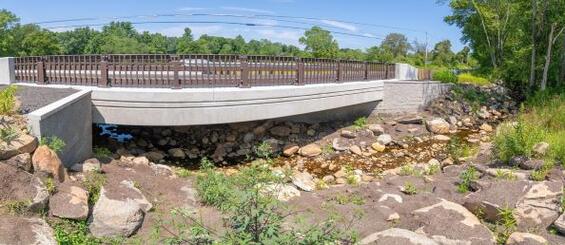
Bridge replacement in Central Massachusetts that incorporated natural stream bed and bank design elements to improve terrestrial and aquatic connectivity.
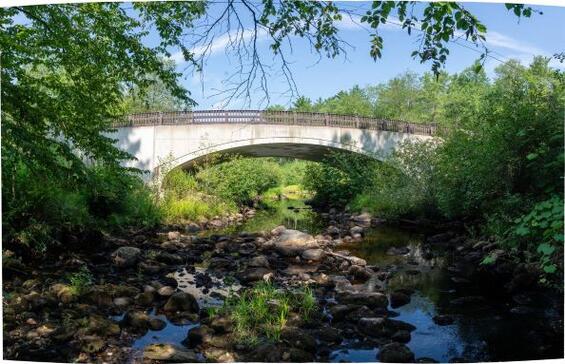
Bridge replacement in Central Massachusetts that incorporated natural stream bed and bank design elements to improve terrestrial and aquatic connectivity.
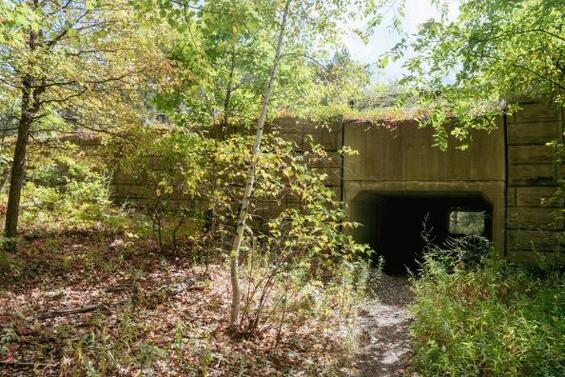
Wildlife crossing structure that connects open space on either side of a highway
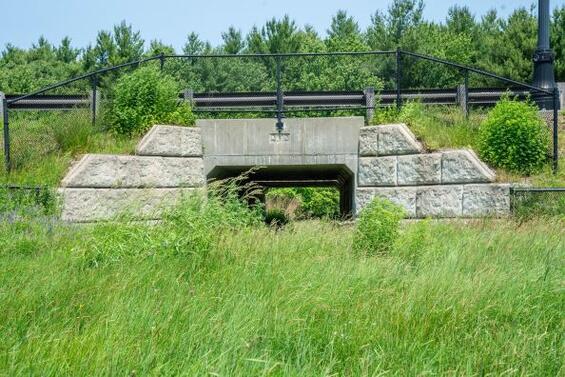
Wildlife crossing structure that connects open space and provides passage for turtles