- Division of Fisheries and Wildlife
Media Contact
Media Contact, MassWildlife
The story behind southern pine beetles in Massachusetts
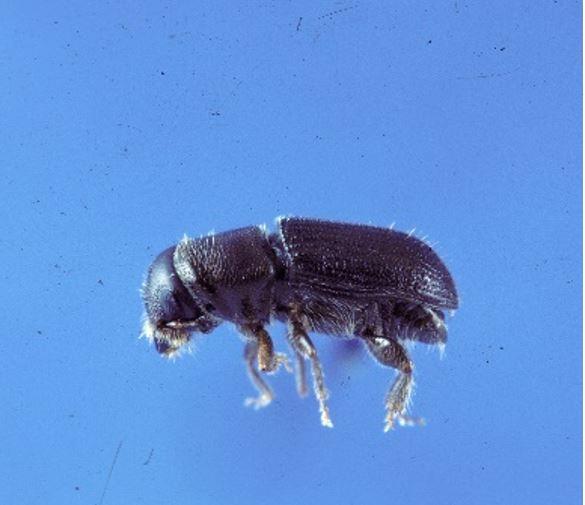
No larger than a grain of rice, the southern pine beetle (SPB) has become one of the most destructive forest pests in the Northeast. Native to the southeastern United States, this beetle has expanded northward as winters warm, leaving tens of thousands of acres of dead pine forests in New Jersey and Long Island (NY) over the last two decades. In 2023, it arrived in force in Massachusetts.
Southern pine beetles were first detected in low numbers in Massachusetts in 2015, likely blown across Long Island Sound by southwest winds. For years, those small populations failed to gain a foothold. That changed in 2023, when favorable conditions allowed beetle numbers to surge, overwhelming pine defenses and killing trees across Martha’s Vineyard and Nantucket.
Southern pine beetles attack trees in large numbers. A single beetle poses little threat, but together they overwhelm a pine’s resin defenses, burrowing beneath the bark to lay eggs and introduce fungi that hasten the tree’s death. Within weeks, new beetles emerge and move on to nearby trees, creating expanding clusters of mortality that can grow rapidly—up to 10 feet per day.
Stopping an active infestation is difficult. Chemical treatments are rarely effective, leaving tree removal as the primary tool. Known as suppression cuts, these involve removing infested trees and thinning a buffer of surrounding pines.
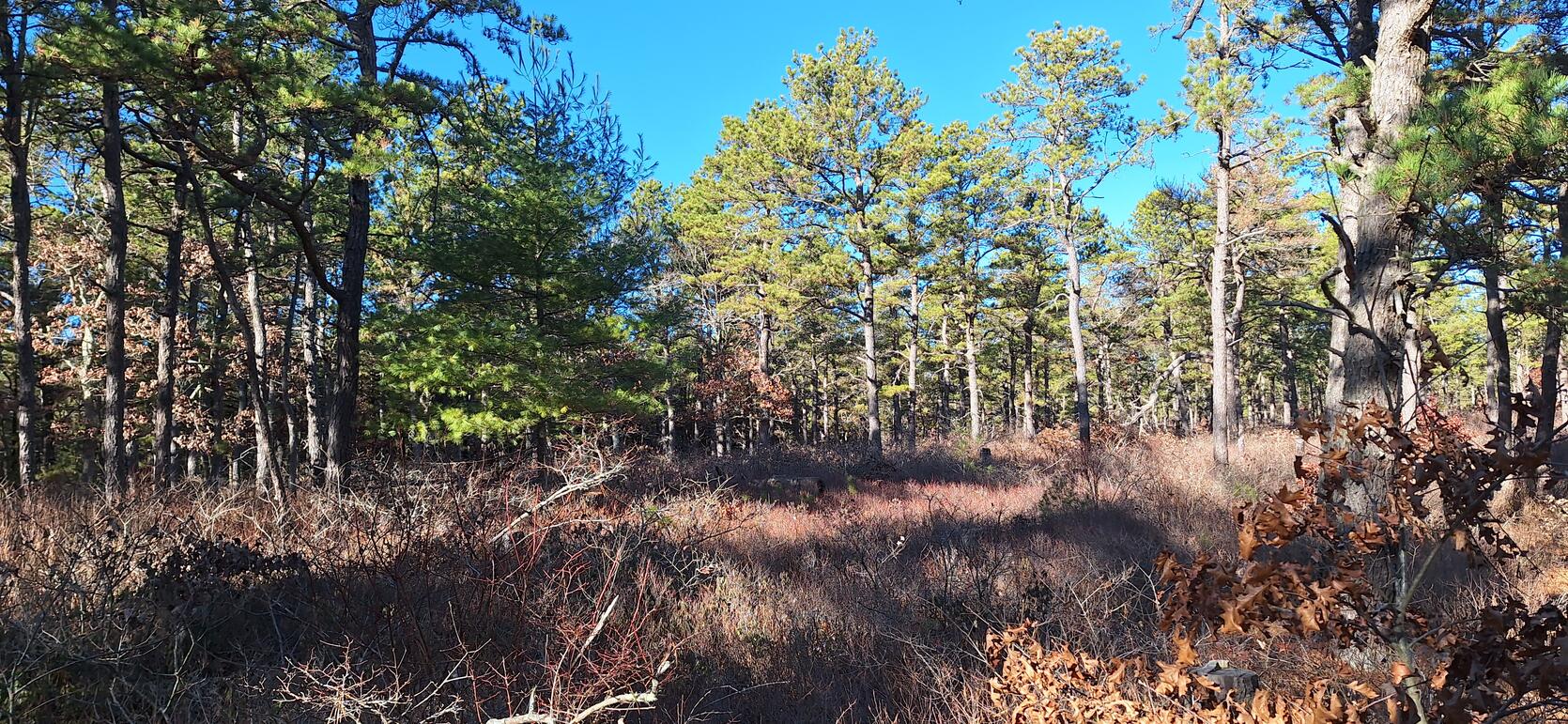
Overgrown forests are highly vulnerable to SPB. Dense, even-aged pitch pine stands—often the result of decades without fire—are stressed, water-limited, and ideal for beetle outbreaks. These same conditions also increase wildfire risk and diminish the quality of wildlife habitat. The solution is proactive management: thinning trees, restoring open canopies, and using prescribed fire to promote regeneration and resilience.
MassWildlife applies these forest management techniques on Wildlife Management Areas (WMA) and supports similar work through our Habitat Management Grant Program. To date, MassWildlife has restored about 3,000 acres of pine barrens on WMAs statewide, from southeastern Massachusetts and Cape Cod to inland barrens on sandy soils and ridgetops. While this is an important start, more than 100,000 acres of pine barrens remain at risk.
Thankfully, MassWildlife is not the only organization working on this problem. To promote biodiversity and reduce wildfire risk, other agencies and organizations have been restoring pine barrens for many years. The Massachusetts Army National Guard manages the pine barrens on Joint Base Cape Cod, one of the largest contiguous pine barrens in the Northeast. DCR has been thinning and burning in other sites, including Freetown and Myles Standish state forests. The National Park Service and US Fish and Wildlife Service have both supported prescribed fire programs and restoration projects to promote habitat on their lands and have supplied grant funding and technical support to partners. The Mashpee Wampanoag Tribe implemented thinning and burning on tribal lands in Mashpee to promote wildlife habitat and culturally important plants. More than a dozen towns, land trusts, and nonprofits have already taken steps to restore their pine barrens for biodiversity values.
While the arrival of southern pine beetle does not signal the end of pitch pine forests in Massachusetts, it does highlight a long-standing issue: widespread forest neglect. Outbreaks will rise and fall with climate conditions, but restoring pine barrens before infestations take hold can lower long-term costs, improve public safety, support rare species, and help create healthier, more resilient forests. For decades, MassWildlife has been restoring pine barren habitats across the state.