
Abington - Ayer
Abington
- County: Plymouth
- Settled: 1668
- Incorporated: 1712
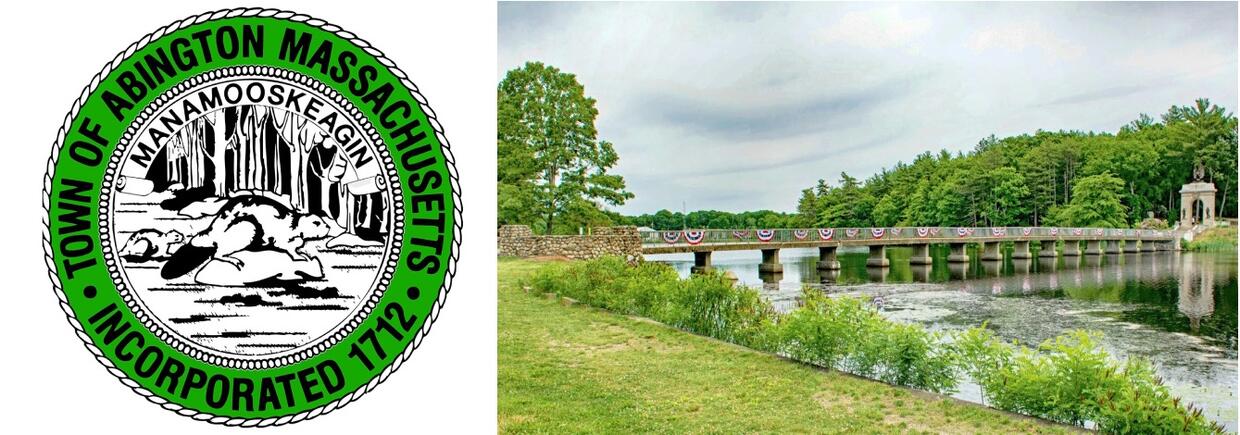
One of Abington’s finest attractions is Island Grove Park, which was a meeting site for abolitionists ran by William Lloyd Garrison from 1846 to 1865. Today, the park is a popular spot for walking as well as swimming in the summer months.
Acton
- County: Middlesex
- Settled: 1680
- Incorporated: 1735
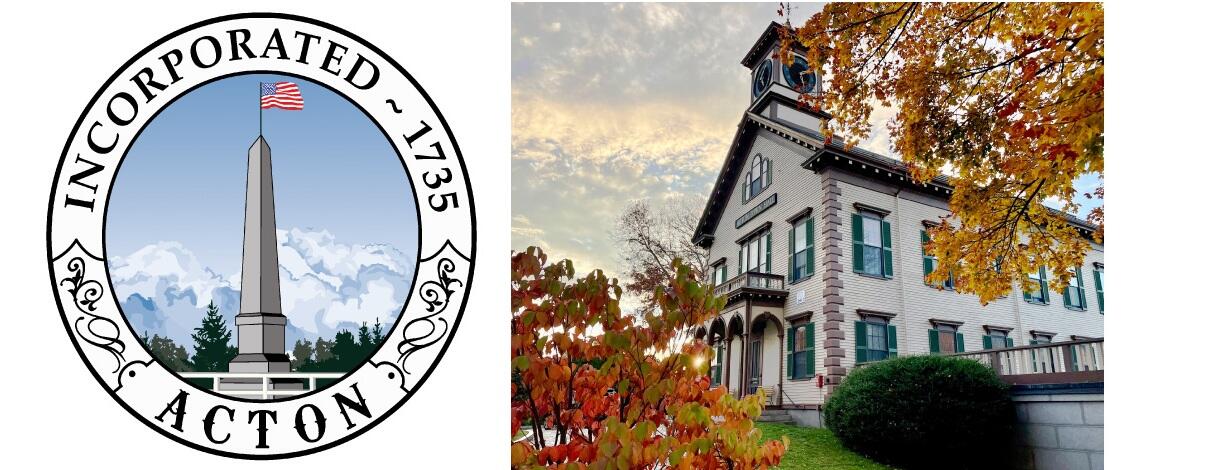
Acton is known for its strong role in the Battle of Lexington and Concord at the start of the American Revolution. Captain of the Acton Minutemen, Isaac Davis was the first captain to die in the Revolutionary War after leading an advance on British troops.
Acushnet
- County: Bristol
- Settled: 1659
- Incorporated: 1860
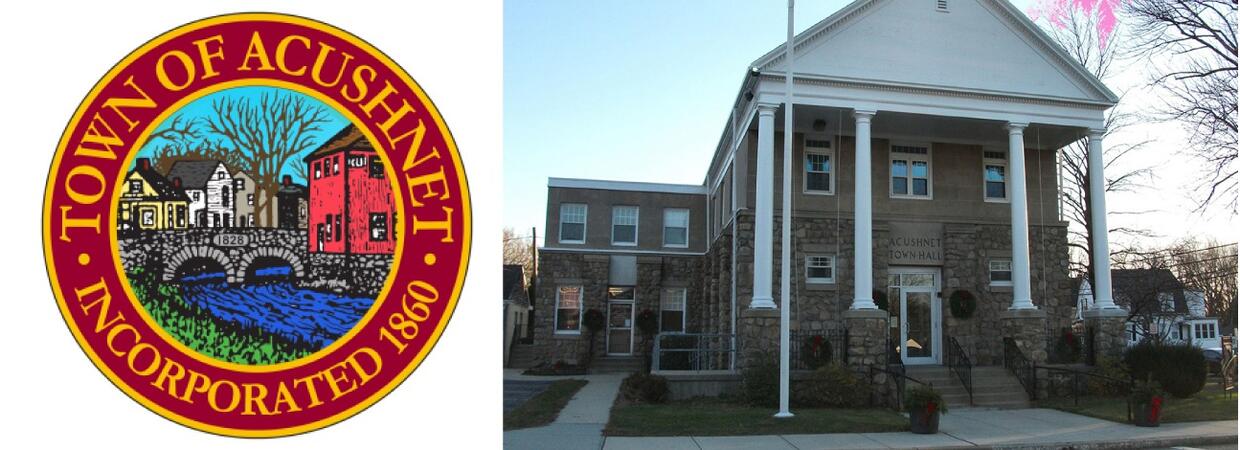
While it is now a small residential community, Acushnet has kept up with its rural agricultural roots and is known for its yearly Apple and Peach Festival.
Adams
- County: Berkshire
- Settled: 1762
- Incorporated: 1779
Named after Samuel Adams, the Town of Adams is the birthplace of iconic suffragette and abolitionist, Susan B. Anthony.
Agawam
- County: Hampden
- Settled: 1635
- Incorporated: 1855
- Became a City: 1973
Agawam is one of thirteen municipalities in Massachusetts that have adopted city forms of government but use “the Town of” in their official names.
Alford
- County: Berkshire
- Settled: 1740
- Incorporated: 1773
Alford is a rural town with diverse wildlife and has no stores, motels, hotels, or gas stations.
Amesbury
- County: Essex
- Settled: 1654
- Incorporated: 1668
- Became a City: 1996
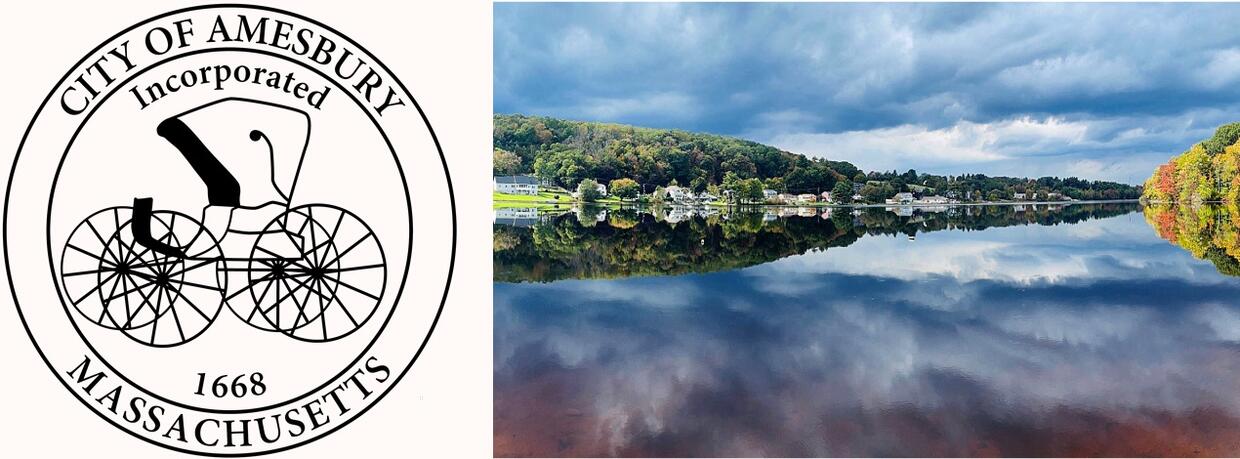
Nicknamed "Carriagetown" to reflect its history of one of the most important centers for horse-drawn carriage production in the United States
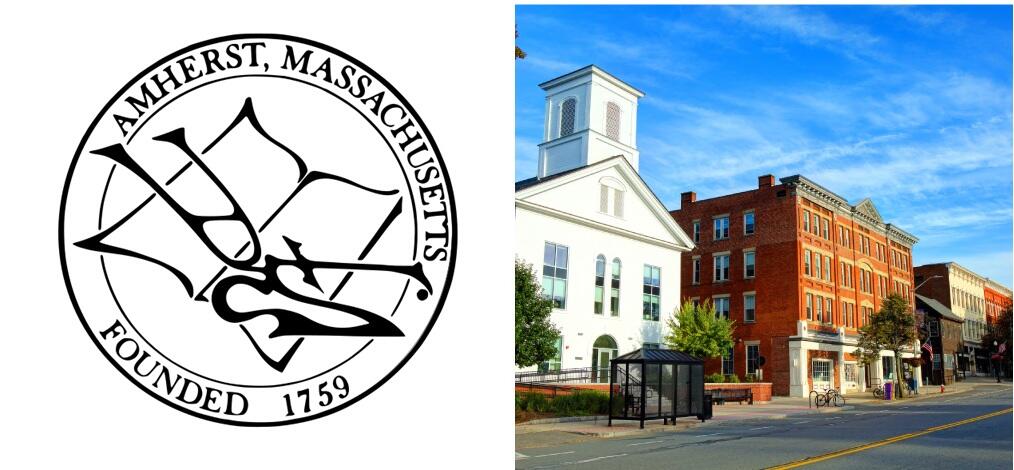
Amherst
- County: Hampshire
- Settled: 1703
- Incorporated: 1759
Amherst is known for its notable colleges and universities and proudly boasts being the birthplace and lifelong residence of poet Emily Dickinson.
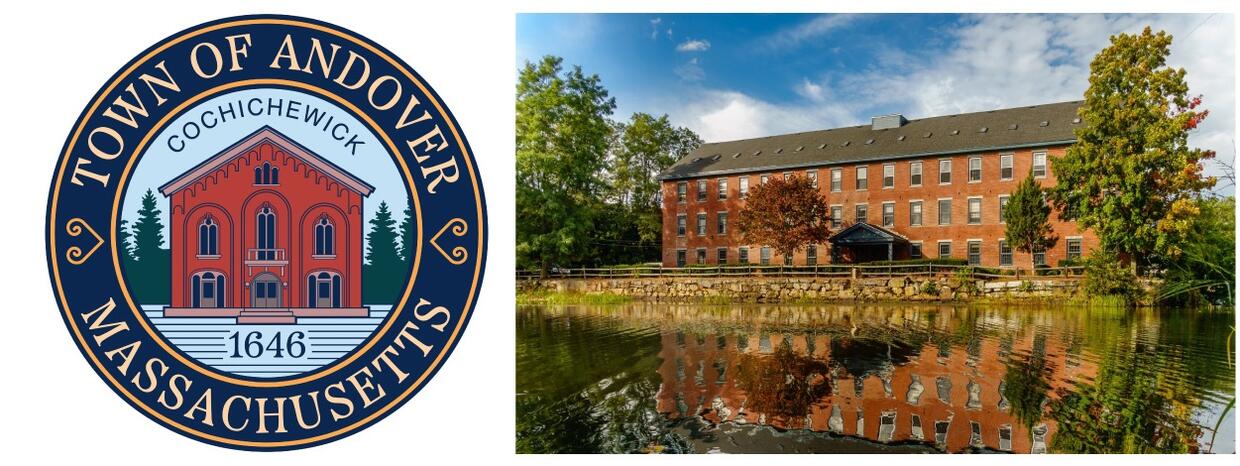
Andover
- County: Essex
- Settled: 1642
- Incorporated: 1646
Andover is home to Phillips Academy, a prep school founded in 1778 with many famous alumni.
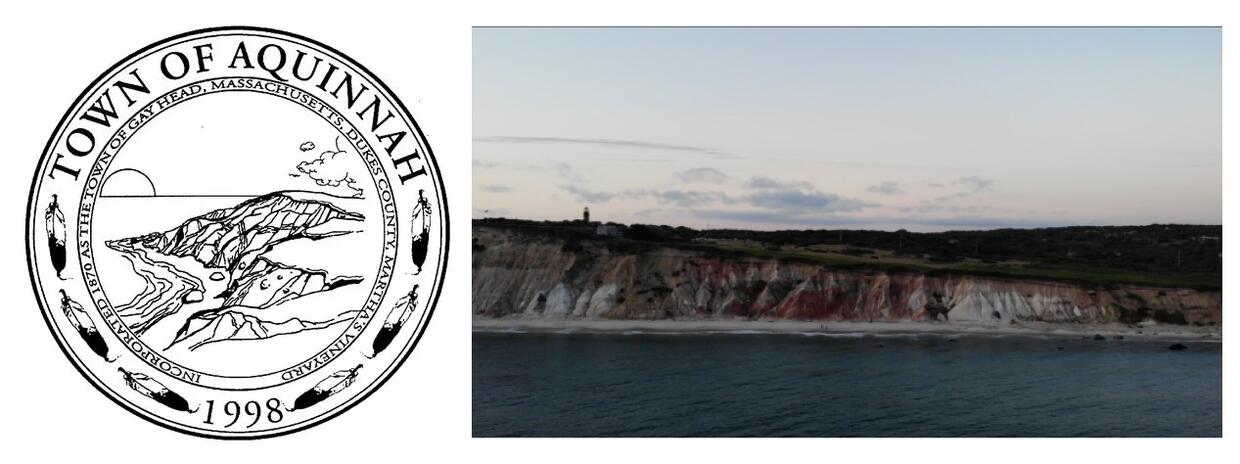
Aquinnah (Formerly Gay Head)
- County: Dukes
- Settled: 1669
- Incorporated: 1870
Aquinnah is located on Martha’s Vineyard and is known worldwide for its sunsets over their red clay cliffs. Originally incorporated as Gay Head in 1870, it was renamed Aquinnah after the native Wampanoag tribe in 1998.
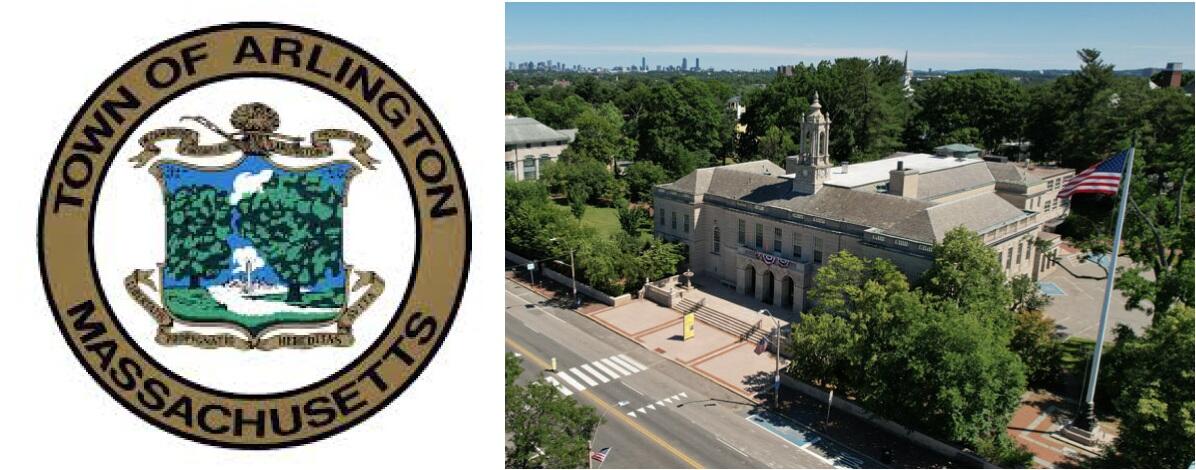
Arlington
- County: Middlesex
- Settled: 1630
- Incorporated: 1807
On the first day of the American Revolution, there were more casualties in Menotomy, the original name of Arlington, than in the battles of Lexington and Concord combined.
Ashburnham
- County: Worcester
- Settled: 1736
- Incorporated: 1765
Ashburnham was originally called the Plantation of Dorchester-Canada and consisted of land granted to officers and soldiers from a 1690 expedition to Canada.
Ashby
- County: Middlesex
- Settled: 1676
- Incorporated: 1767
Ashby is home to the Willard Brook State Forest, which contains Damon Pond, hiking trails, and a waterfall.
Ashfield
- County: Franklin
- Settled:1743
- Incorporated: 1765
Ashfield was originally called “Huntstown” after Captain Ephraim Hunt who died in King William’s War and inherited the land that made up the town. Ashfield is also the birthplace of film director Cecil B. DeMille.
Ashland
- County: Middlesex
- Settled: 1750
- Incorporated: 1846
Ashland was home to Henry E. Warren, an inventor who created the first synchronous electric clock and founded the company Telechron in partnership with General Electric.
Athol
- County: Worcester
- Settled: 1735
- Incorporated: 1762
The Athol Machine Company, established in 1868 to manufacture a chopping machine that creates tools, is still Athol’s largest employer.
Attleboro
- County: Bristol
- Settled: 1634
- Incorporated: 1694
- Became a City: 1914
In the 1950s, Attleboro was considered “Jewelry Capital of the World” by Life Magazine because it was home to numerous jewelry manufacturing firms, and many jewelry businesses and artisans still operate in Attleboro today.
Auburn
- County: Worcester
- Settled: 1714
- Incorporated: 1778
Robert H. Goddard, an American engineer, launched the first liquid-fueled rocket from Pakachoag Hill in Auburn, and there are several memorials to Goddard in the town.
Avon
- County: Norfolk
- Settled: 1700
- Incorporated: 1888
Avon has the smallest land area and population of any town in the area.
Ayer
- County: Middlesex
- Settled: 1668
- Incorporated: 1871
Ayer was the site of Camp Stevens, an army training camp during the Civil War, and Fort Devens during World War I, which is still open today as a reserve training area.
Barnstable - Burlington
Barnstable
- County: Barnstable
- Settled: 1638
- Incorporated: 1639
- Became a City: 1989
The town of Barnstable includes seven villages: Barnstable Village, Centerville, Cotuit, Hyannis, Marstons Mills, Osterville, and West Barnstable.
Barre
- County: Worcester
- Settled: 1720
- Incorporated: 1774
The villages of South Barre and Barre Plains highlight the community’s cultural history as the location where immigrants settled to work in the mills.
Becket
- County: Berkshire
- Settled: 1740
- Incorporated: 1765
The town of Becket was originally named “Plantation Number Four,” one of four granted by the Massachusetts General Court, between the Connecticut and Housatonic Rivers in 1735.
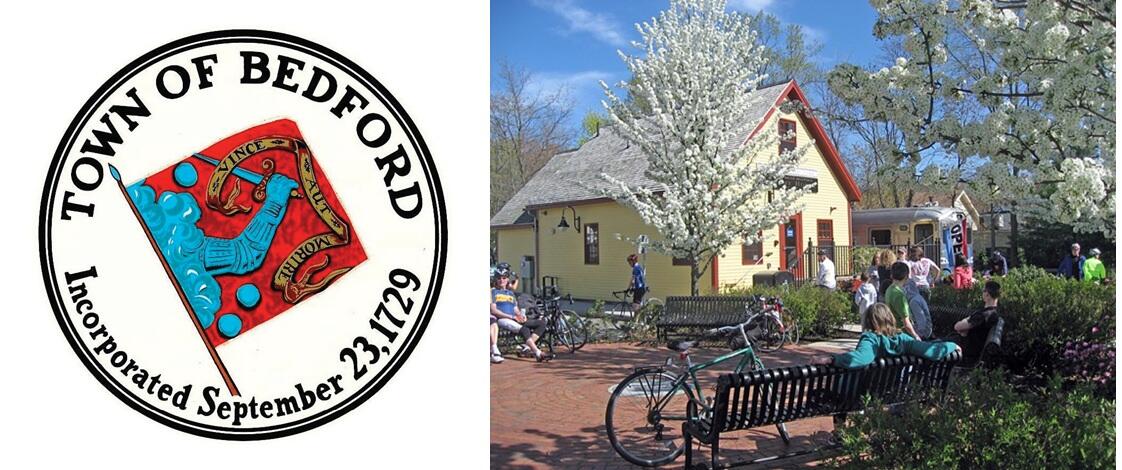
Bedford
- County: Middlesex
- Settled:1640
- Incorporated: 1729
Bedford is home of the Bedford Flag, the oldest complete flag known to exist in the United States. I t was made for a cavalry troop of the local Massachusetts Bay militia early in the eighteenth century.
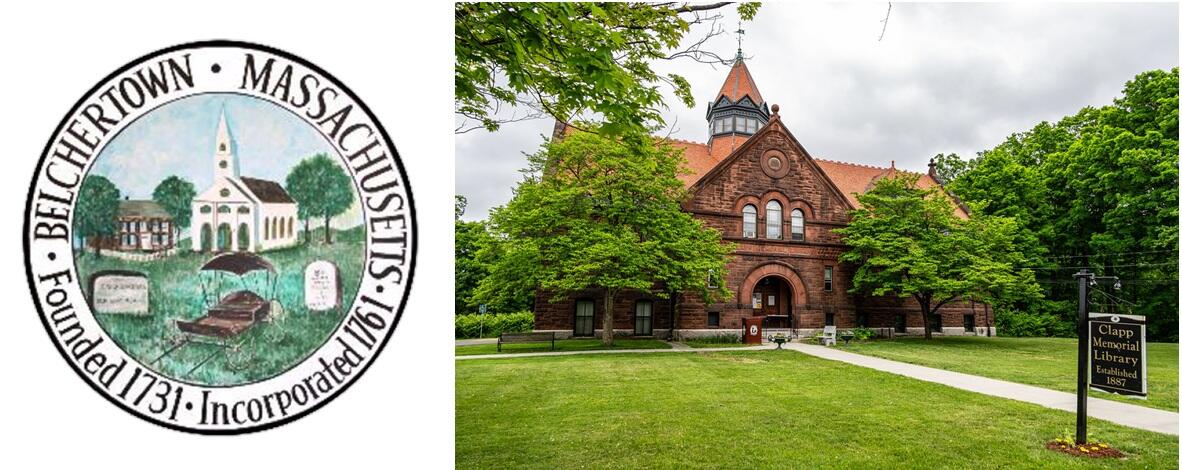
Belchertown
- County: Hampshire
- Settled: 1731
- Incorporated: 1761
Belchertown has one of the largest land areas in Massachusetts and lies next to the Quabbin Reservoir, one of the largest man-made reservoirs in the country.
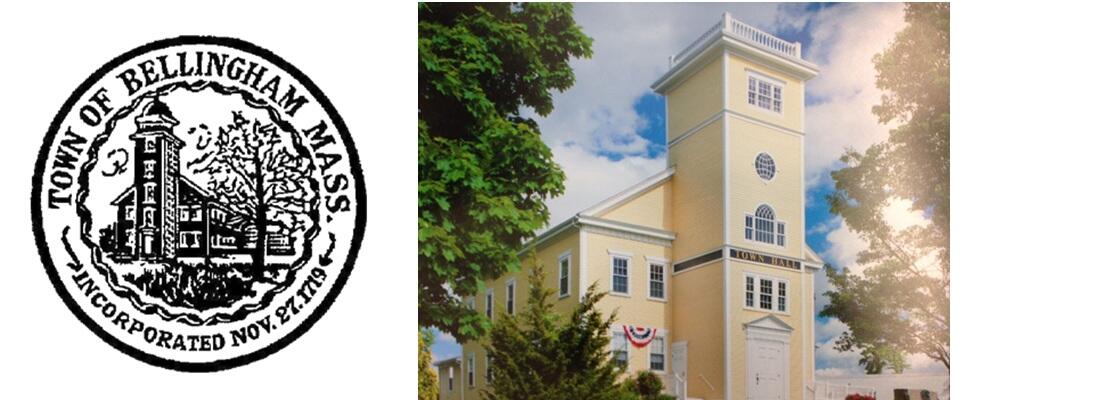
Bellingham
- County: Norfolk
- Settled: 1713
- Incorporated: 1719
Deborah Sampson, enlisted as “Robert Shirtliff,” was quartered in Bellingham with the Light Infantry Company of the 4th Massachusetts Regiment in 1782.
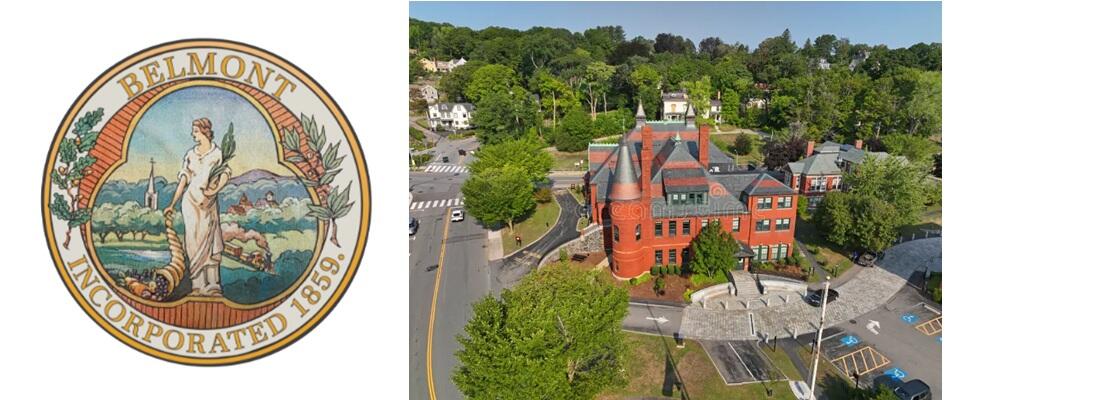
Belmont
- County: Middlesex
- Settled: 1636
- Incorporated: 1859
Belmont is almost entirely residential and is known as "The Town of Homes."
Berkley
- County: Bristol
- Settled: 1638
- Incorporated: 1735
In 1866, the largest two masted schooner in the world was launched at Berkley Bridge.
Berlin
- County: Worcester
- Settled: 1665
- Incorporated: 1812
By 1940, 83,600 dozen eggs were produced annually by the poultry farmers of Berlin.
Bernardston
- County: Franklin
- Settled: 1738
- Incorporated: 1762
Bernardston’s many hills are eastward extensions of both the Green Mountains and the Appalachians.
Beverly
- County: Essex
- Settled: 1626
- Incorporated: 1668
- Became a City: 1894
Beverly is home to The Cabot, one of only approximately 250 similar movie palaces left out of an estimated 20,000 theaters built in the 1920s.
Billerica
- County: Middlesex
- Settled: 1652
- Incorporated: 1655
The town celebrates "Yankee Doodle Weekend" every September.
Blackstone
- County: Worcester
- Settled: 1662
- Incorporated: 1845
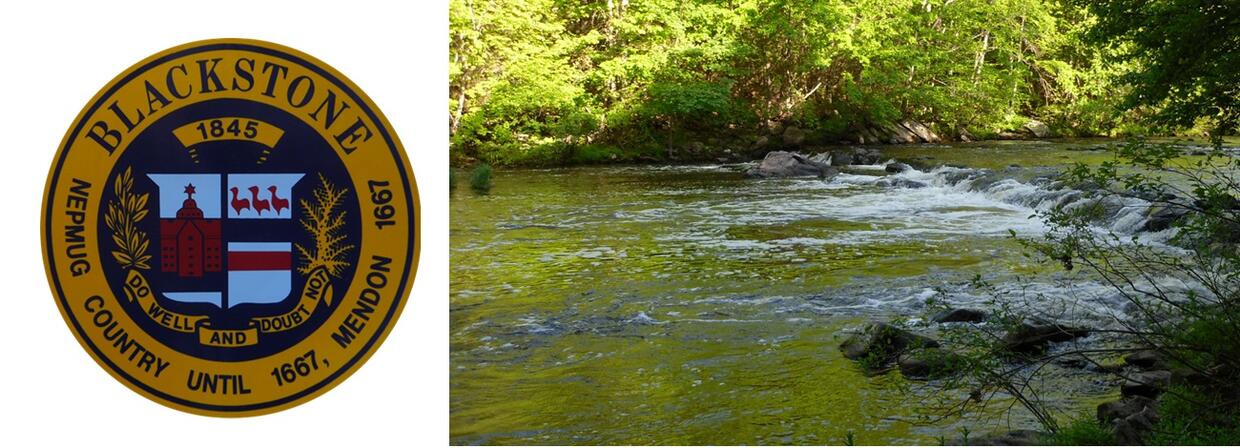
The Blackstone River, birthplace of the Industrial Revolution in the U.S. borders the southern part of the town.
Blandford
- County: Hampden
- Settled: 1735
- Incorporated: 1741
Blandford is located on the “Road to Tunnock,” later known as the General Knox Trail.
Bolton
- County: Worcester
- Settled: 1682
- Incorporated: 1738
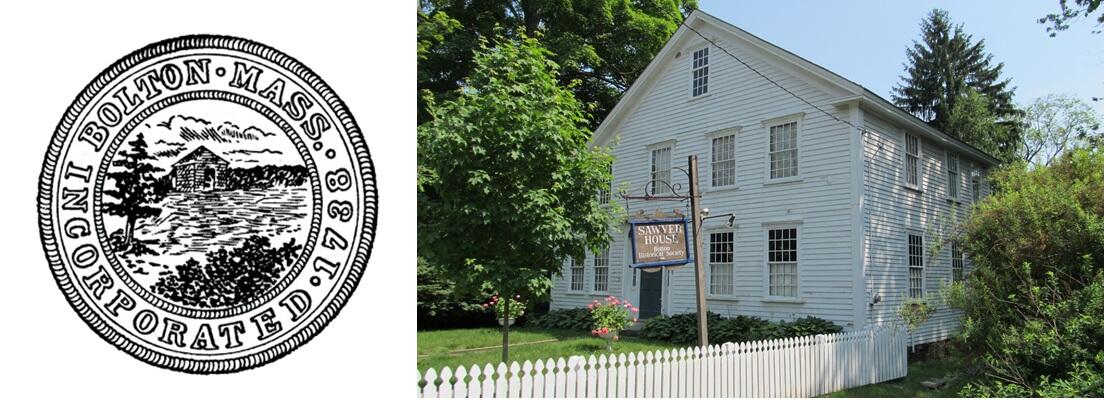
There were at least four brick-making operations in Bolton between 1790 and 1830, and Bolton was producing 200,000 bricks annually as early as 1793.
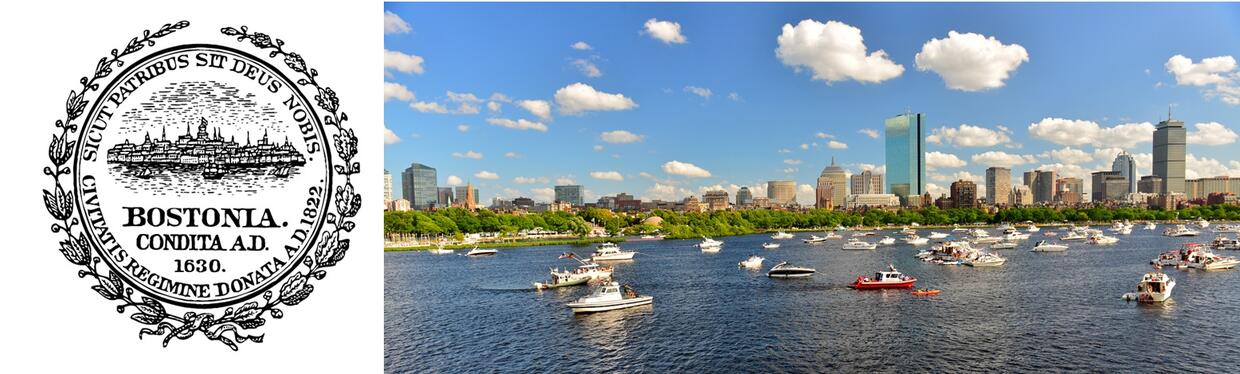
Boston
- County: Suffolk
- Settled:1625
- Incorporated: 1630
- Became a City: 1822
More than two-thirds of inner Boston's modern land area did not exist when the city was founded.
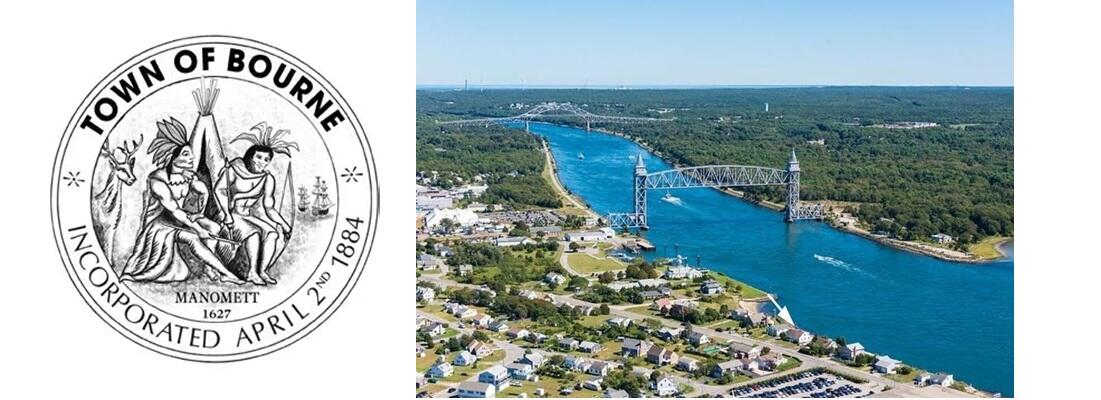
Bourne
- County: Barnstable
- Settled: 1640
- Incorporated: 1884
The town lies at the northeast corner of Buzzards Bay and is the site of Aptucxet Trading Post, the nation's oldest store.
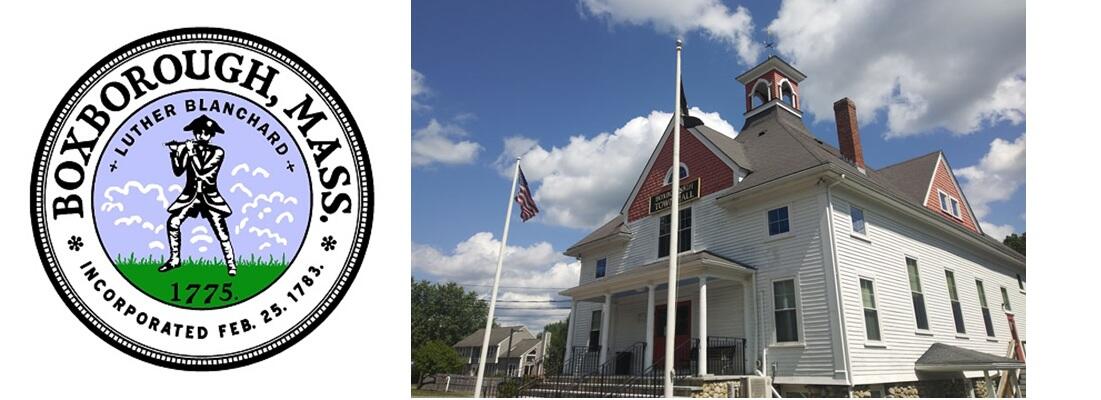
Boxborough
- County: Middlesex
- Settled: 1680
- Incorporated: 1783
Boxborough is known for its annual Fifer's Day celebration, put on by the Minutemen, which commemorates Luther Blanchard.
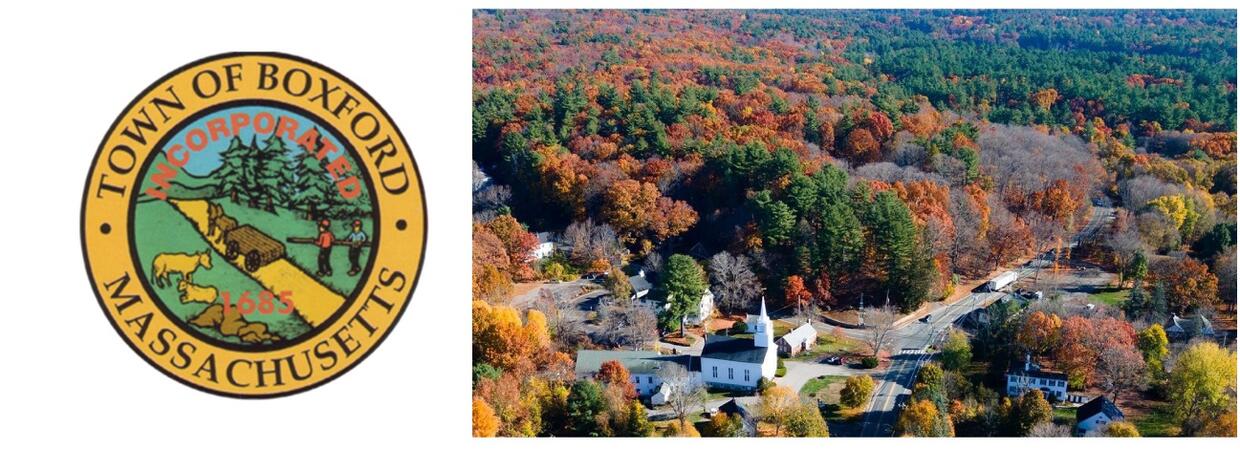
Boxford
- County: Essex
- Settled: 1645
- Incorporated: 1685
Boxford has received the prestigious Tree City USA award for 12 consecutive years.
Boylston
- County: Worcester
- Settled: 1705
- Incorporated: 1786
Boylston was named after Ward Nicholas Boylston (1747–1828).
Braintree
- County: Norfolk
- Settled: 1634
- Incorporated: 1640
- Became a City: 2007
Old Braintree was the birthplace of two presidents, John Adams and John Quincy Adams, as well as John Hancock and General Sylvanus Thayer, the founder of West Point. Braintree was also the site of the murders that led to the infamous trial of Sacco and Vanzetti.
Bridgewater
- County: Plymouth
- Settled: 1650
- Incorporated: 1656
- Became a City: 2010
Home to Bridgewater State University, one of America’s first normal schools/teaching colleges.
Brimfield
- County: Hampden
- Settled: 1706
- Incorporated: 1731
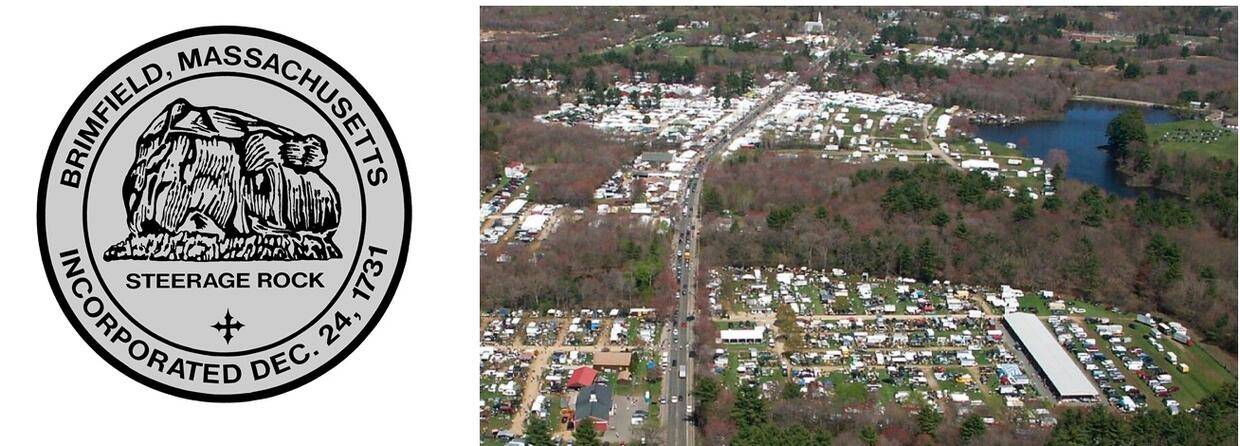
Brimfield hosts the largest, outdoor antique show in the United States.
Brockton
- County: Plymouth
- Settled: 1700
- Incorporated: 1821
- Became a City: 1881
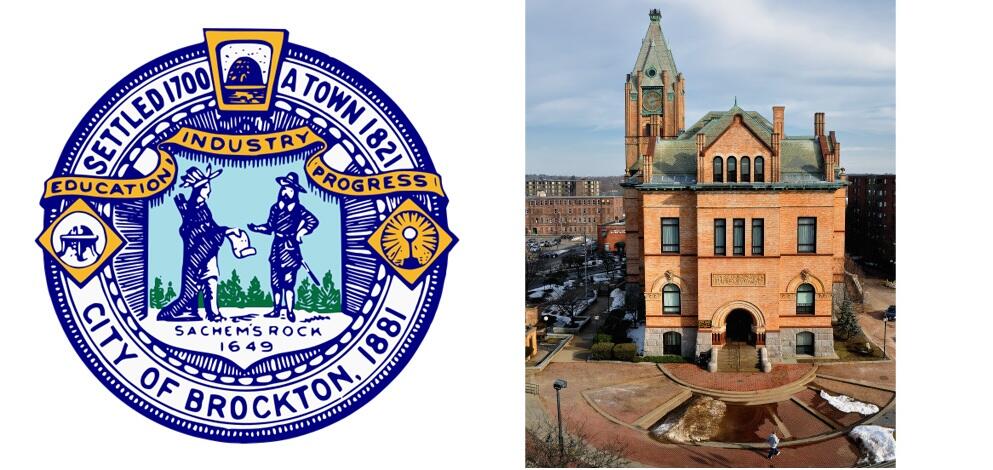
Brockton is known as the "City of Champions" and is the hometown of boxer Rocky Marciano.
Brookfield
- County: Worcester
- Settled: 1664
- Incorporated: 1718
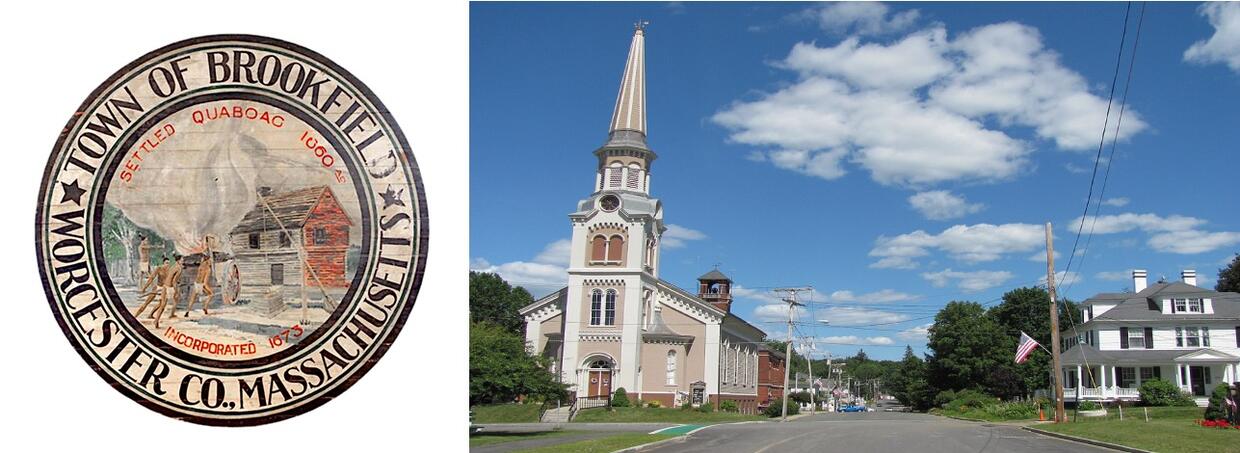
Brookfield was split into three different towns: North Brookfield in 1812, West Brookfield in 1848, and East Brookfield in 1920.
Brookline
- County: Norfolk
- Settled: 1638
- Incorporated: 1705
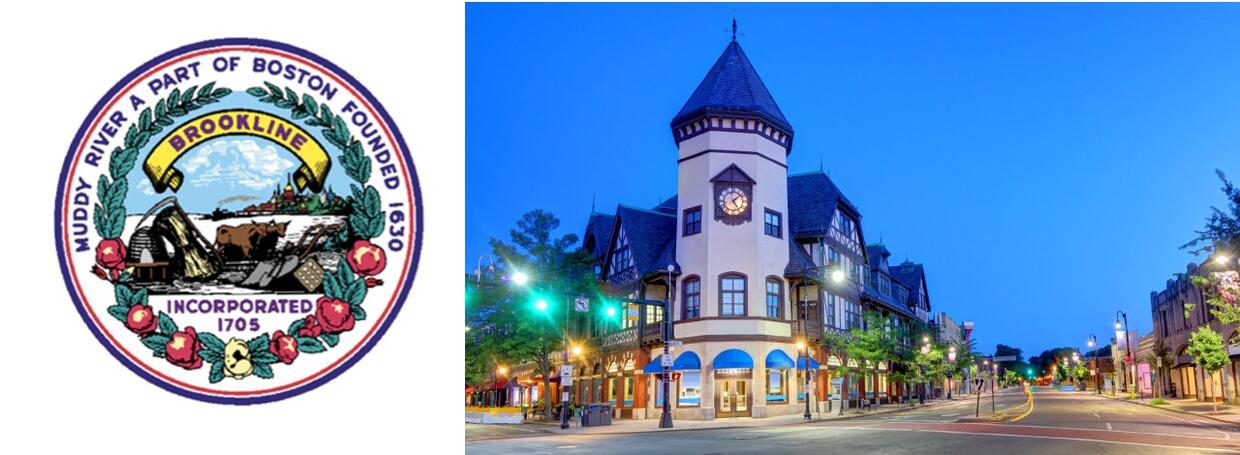
Brookline is the birthplace of President John F. Kennedy.
Buckland
- County: Franklin
- Settled: 1779
- Incorporated: 1779
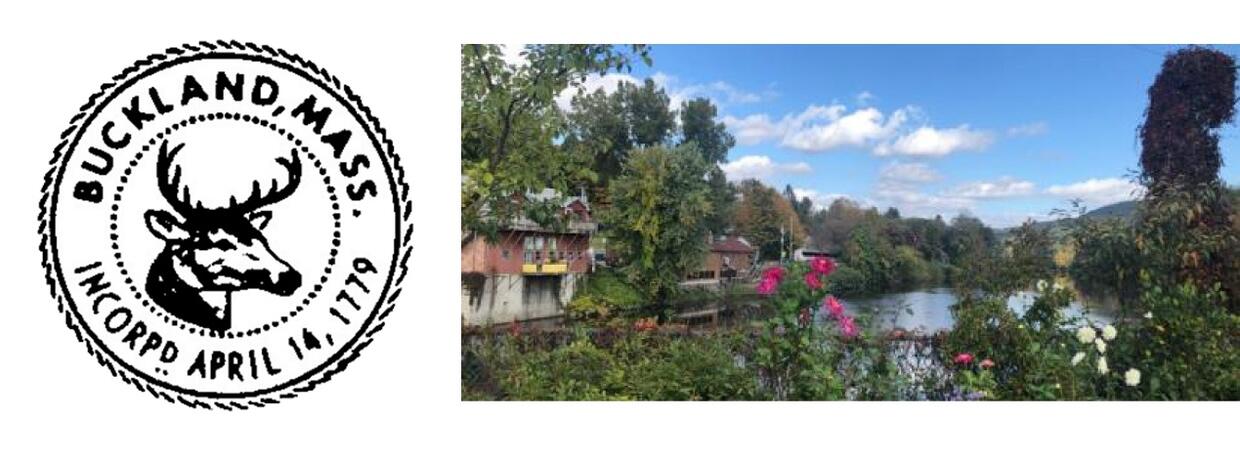
Buckland was once known as “No Town” but once incorporated in 1779 named for the abundance of deer in the area.
Burlington
- County: Middlesex
- Settled: 1641
- Incorporated: 1799
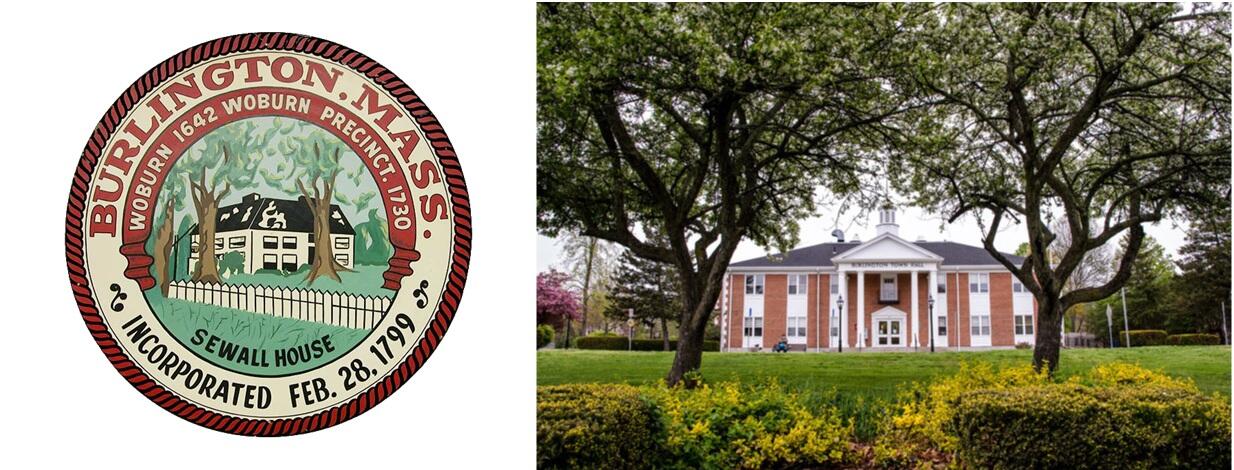
The Kevin James movie Paul Blart: Mall Cop was filmed in the Burlington Mall.
Cambridge - Cummington
Cambridge
- County: Middlesex
- Settled: 1630
- Incorporated: 1636
- Became a City: 1846
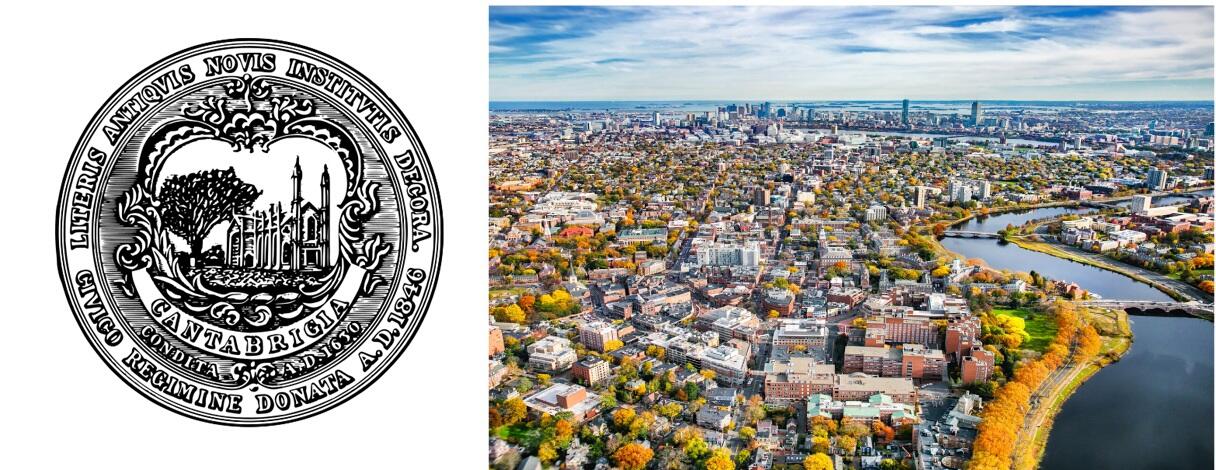
Harvard University was founded in Cambridge in 1636.
Canton
- County: Norfolk
- Settled: 1630
- Incorporated: 1797
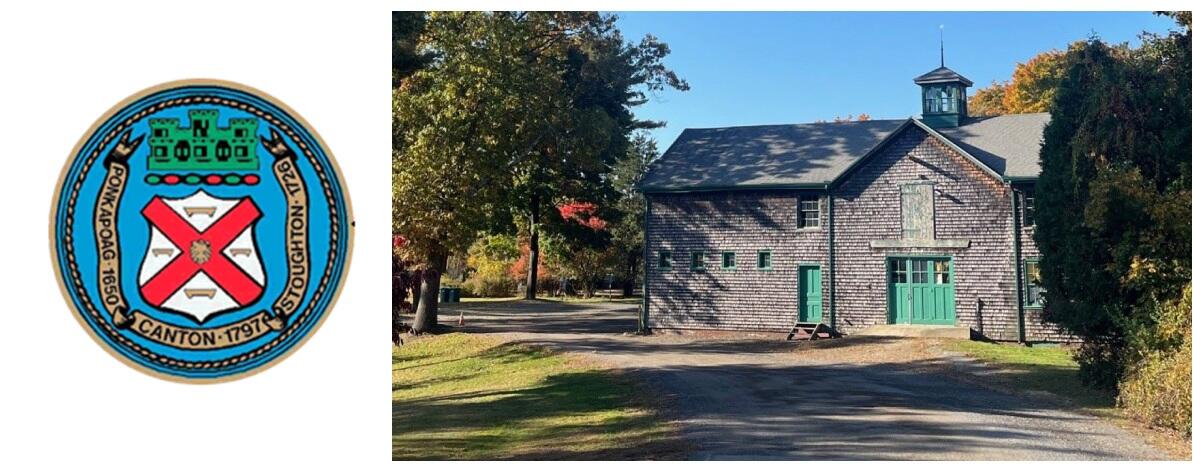
Canton is the corporate headquarters for Dunkin' Donuts.
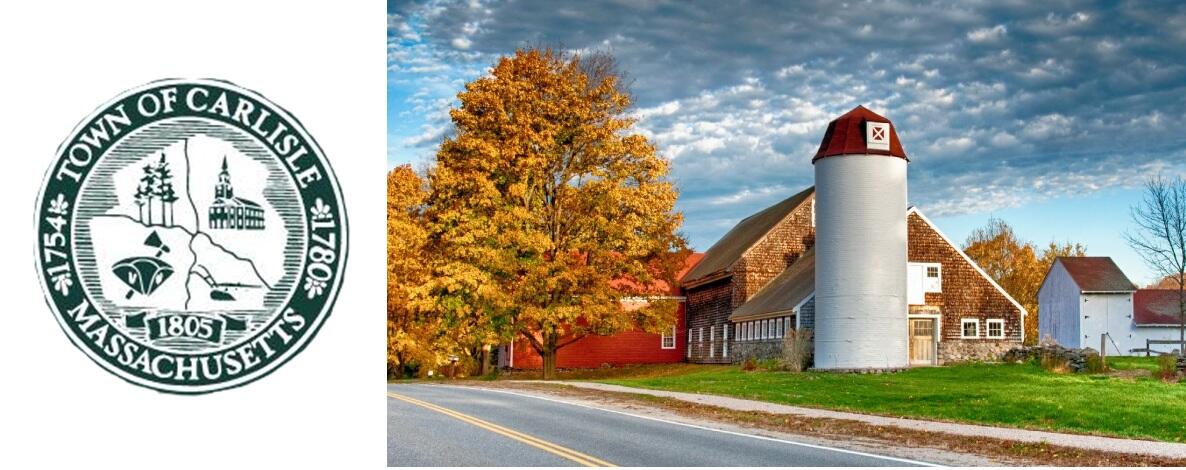
Carlisle
- County: Middlesex
- Settled: 1650
- Incorporated: 1780
The town newspaper is the Carlisle Mosquito and has been published since since 1972.
Charlemont
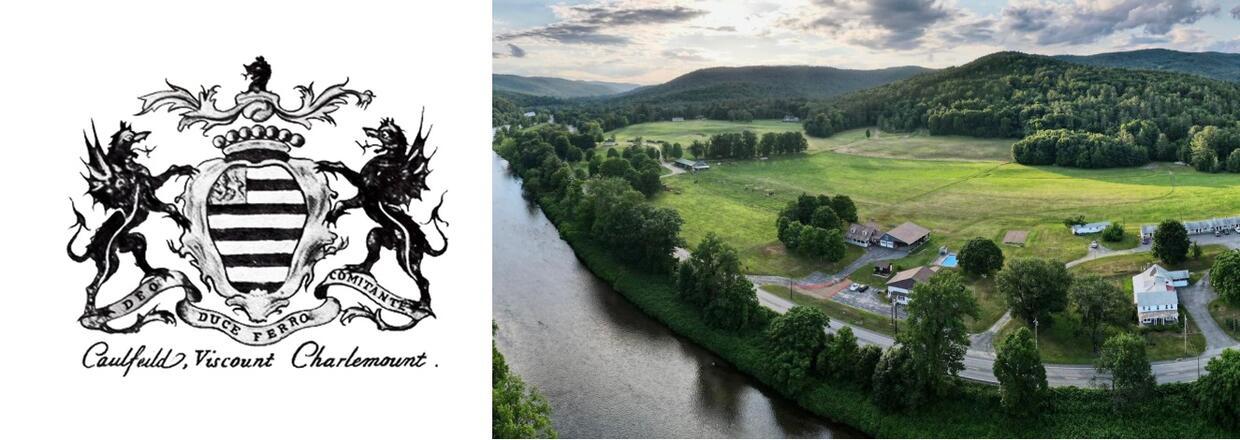
- County: Franklin
- Settled: 1742
- Incorporated: 1765
Charlemont is known for both its past and present ski resorts.
Charlton
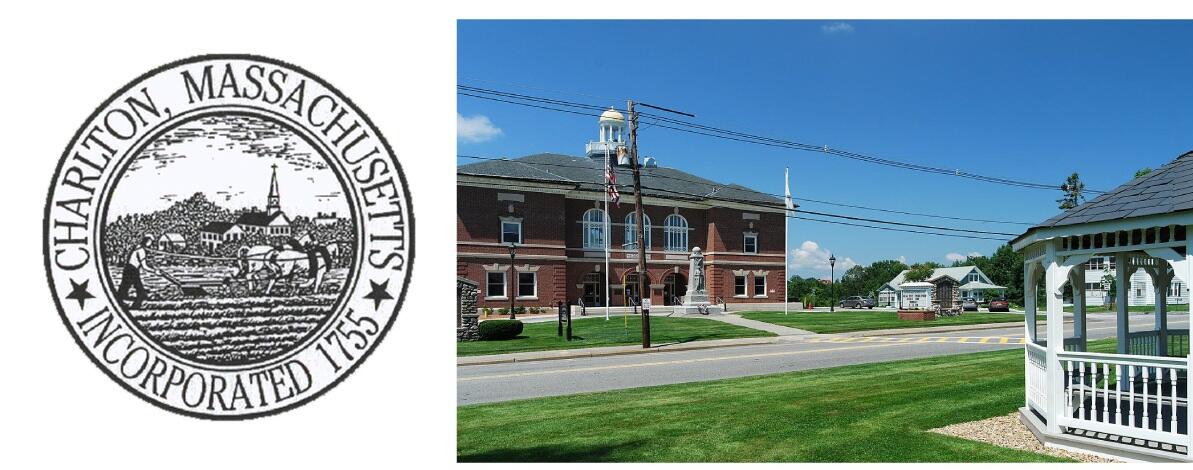
- County: Worcester
- Settled: 1735
- Incorporated: 1775
William Thomas Green Morton was born in Charlton. He was a dentist who was the first to use and demonstrate ether as surgical anesthetic in 1846.
Chatham
- County: Barnstable
- Settled: 1665
- Incorporated: 1712
Home to the second lighthouse on Cape Cod, the Chatham Lighthouse, established in 1808.
Chelmsford
- County: Middlesex
- Settled: 1633
- Incorporated: 1655
Chelmsford is known for its Ginger Ale. The Chelmsford Ginger Ale Company was acquired by Canada Dry in 1928. Polar Beverages would later manufacture Chelmsford Ginger Ale for area supermarkets.
Chelsea
County: Suffolk
- Settled: 1624
- Incorporated: 1739
- Became a City: 1857
Elizabeth Cady Stanton lived in Chelsea. During this time she was able to immerse herself in Boston’s forward thinking political and social circles.
Cheshire
- County: Berkshire
- Settled: 1766
- Incorporated: 1793
In 1802 the town of Cheshire gifted a 1,235-pound cheese wheel to President Thomas Jefferson known as the Cheshire Mammoth Cheese.
Chester
- County: Hampden
- Settled: 1760
- Incorporated: 1765
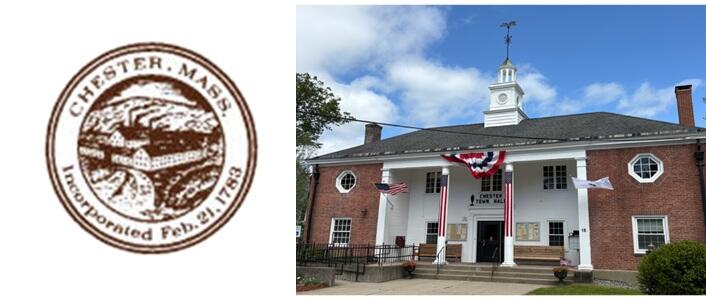
On August 2, 1975, the temperature in Chester rose to 107 °F which is hottest temperature ever recorded in the state of Massachusetts. Then on January 12, 1981, the temperature at Chester fell to −35 °F, the coldest temperature ever recorded in Massachusetts. “Thus, it is only one of three cities in the United States which has recorded both its state’s extreme temperatures.”
Chesterfield
- County: Hampshire
- Settled: 1760
- Incorporated: 1762
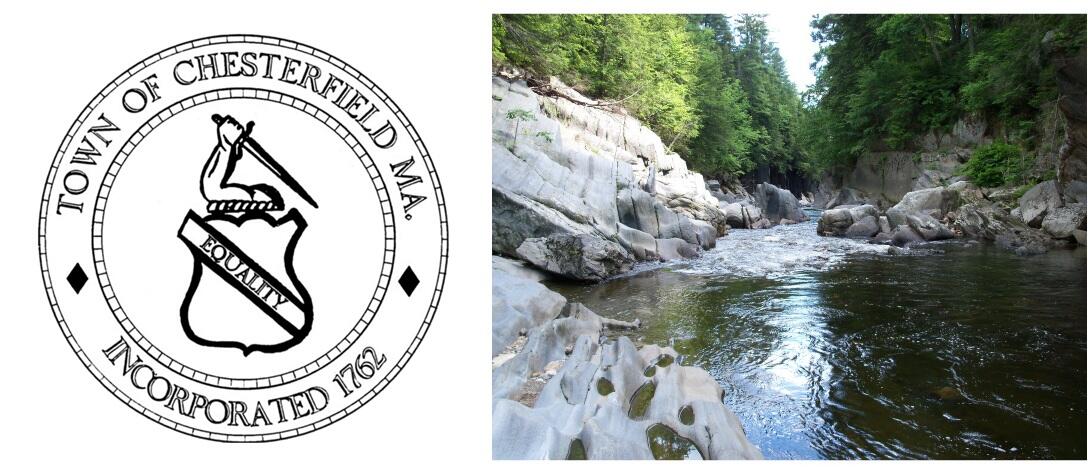
Located in the “Hill Towns” of western Massachusetts. Chesterfield Gorge is a scenic spot for hiking, fishing and biking.
Chicopee
- County: Hampden
- Settled: 1652
- Incorporated: 1848
- Became a City: 1890
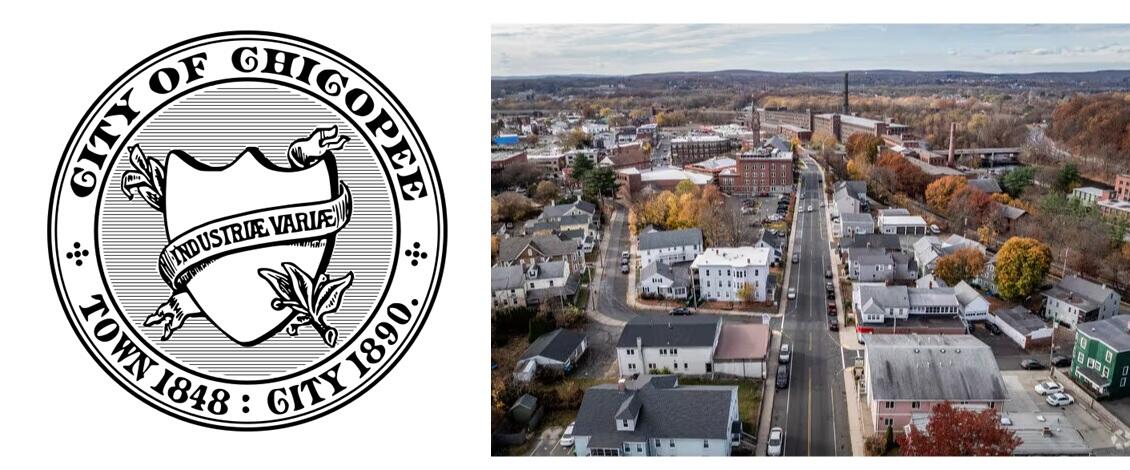
Chicopee Falls became a center for the bicycle industry in the late nineteenth. The Overman Wheel Company and the Spalding sporting goods company had bicycle factories in Chicopee Falls.
Chilmark
- County: Dukes
- Settled: 1671
- Incorporated: 1714
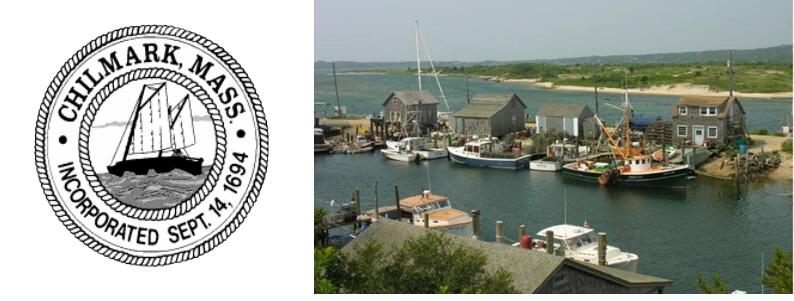
Chilmark is on Martha's Vineyard and it was one of the first towns to separate from the original towns of Tisbury and Edgartown. It is known for historically having a high population of deaf citizens.
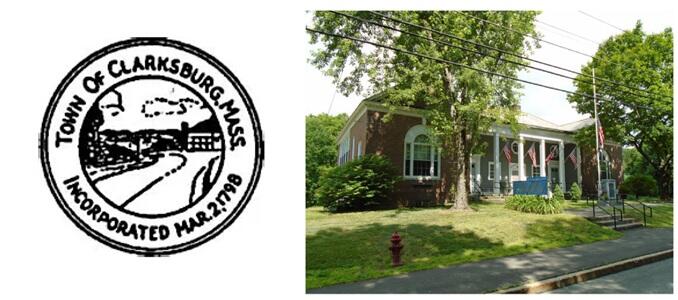
Clarksburg
- County: Berkshire
- Settled: 1764
- Incorporated: 1798
Clarksburg is on the Vermont border and close to the New York line and it is home to the world-famous Hairpin Turn on the Mohawk Trail.
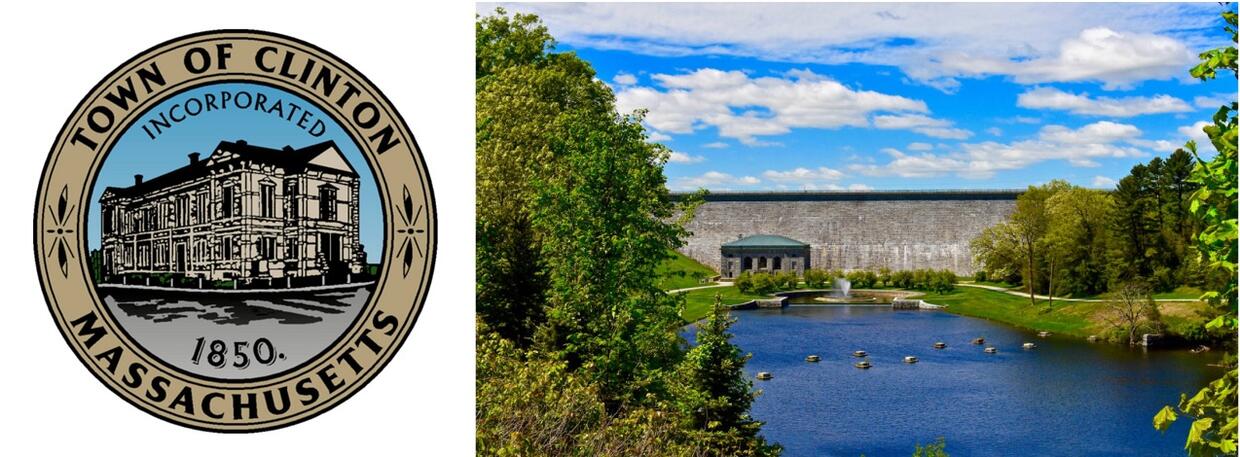
Clinton
- County: Worcester
- Settled: 1654
- Incorporated: 1850
The Museum of Russian Icons is located in Clinton.
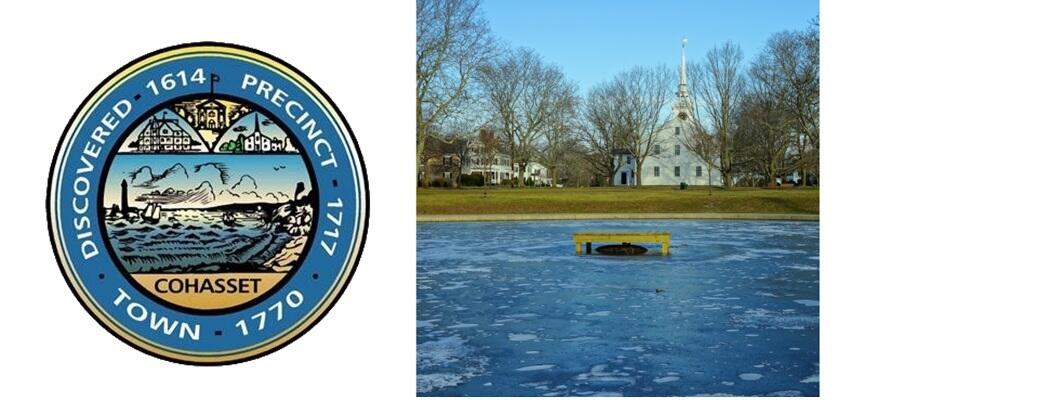
Cohasset
- County: Norfolk
- Settled: 1647
- Incorporated: 1775
Cohasset was once part of Hingham. The movie, The Witches of Eastwick, was filmed in town. The rum, Cohasset Punch, was created in the 1890s and named after the town.
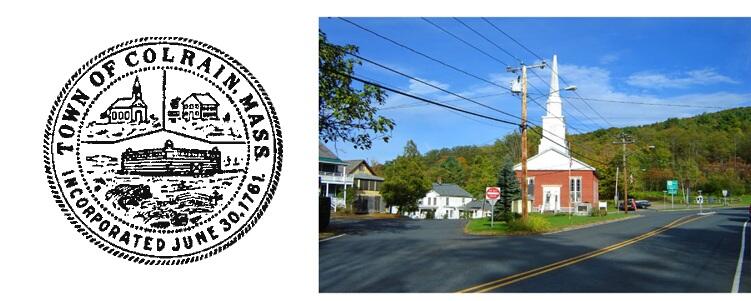
Colrain
- County: Franklin
- Settled: 1735
- Incorporated: 1761
Used to be spelled “Colraine.” Was the first town in the United States to fly the U.S. flag over a public schoolhouse (1812).
Concord
- County: Middlesex
- Settled: 1635
- Incorporated: 1635
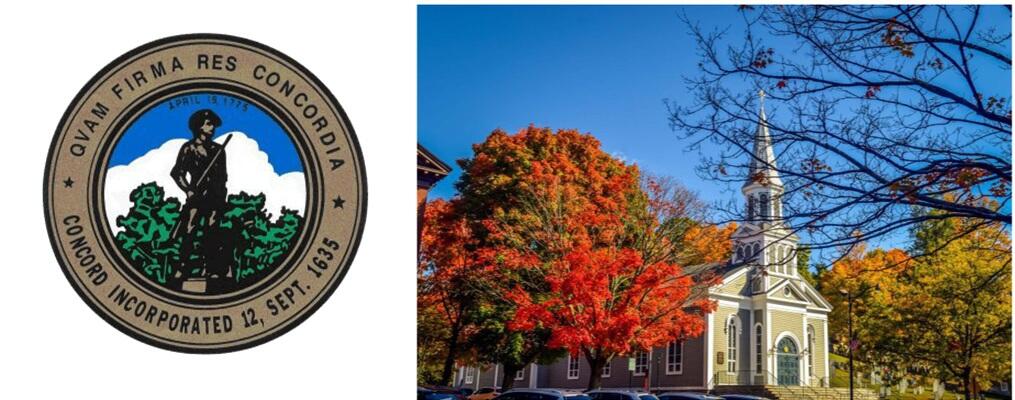
Known for its literary history, the following major works were written in Concord: Louis May Alcott's Little Women, Emerson's essay Self-Reliance, and Thoreau's Walden and Civil Disobedience.
Conway
- County: Franklin
- Settled: 1762
- Incorporated: 1775
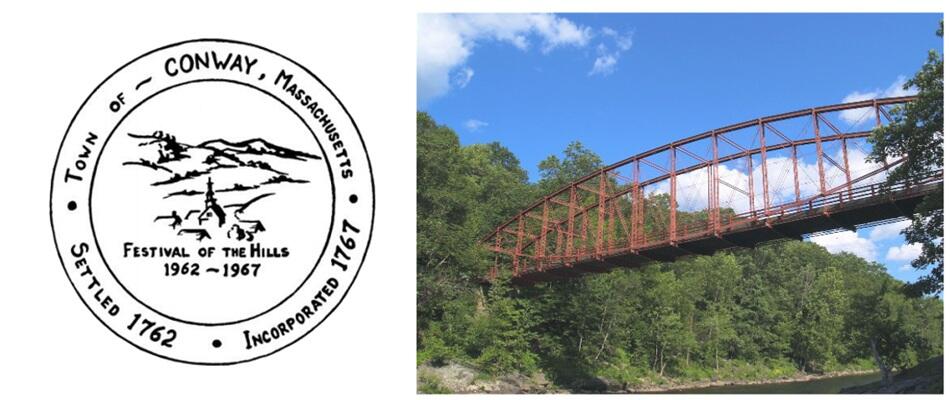
Home to Bardwell's Ferry Bridge (built in 1882) which spans the Deerfield River between Shelburne and Conway. The bridge is the longest single span lenticular bridge in Massachusetts.
Cummington
- County: Hampshire
- Settled: 1762
- Incorporated: 1779
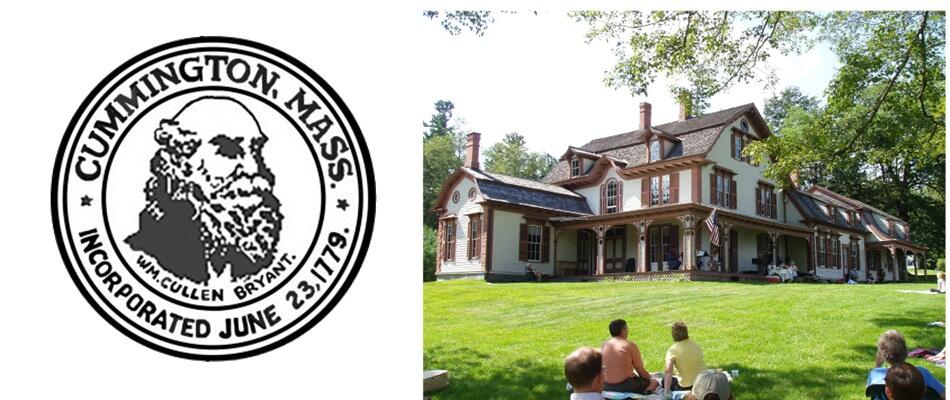
William Cullen Bryant, poet and editor of the New York Evening Post, was born and summered in Cummington. His estate and home is to open visitors and on the US Register of Historic Places as the William Cullen Bryant Homestead. He is also featured on the town’s seal.
Dalton - Duxbury
Dalton
- County: Berkshire
- Settled: 1755
- Incorporated: 1784
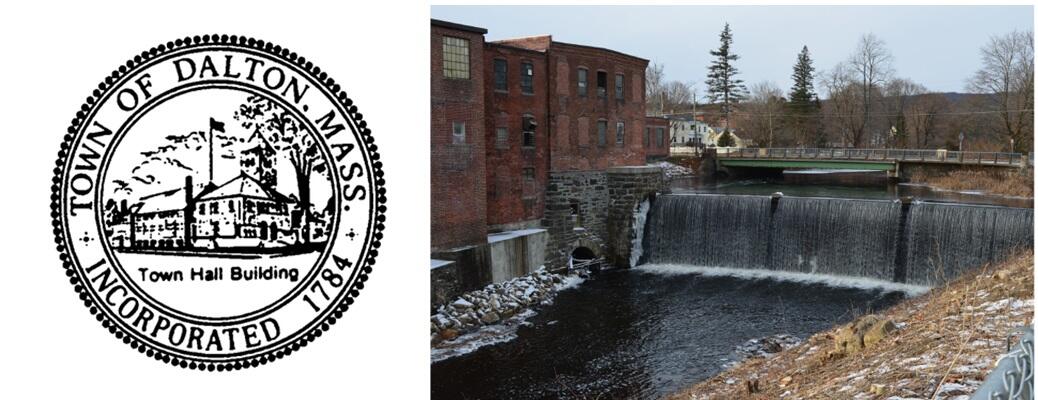
Named after Tristram Dalton who served as a Massachusetts State Representative, Senator and served as Speaker of the House for one term in 1783-84.
Danvers
- County: Essex
- Settled: 1636
- Incorporated: 1775
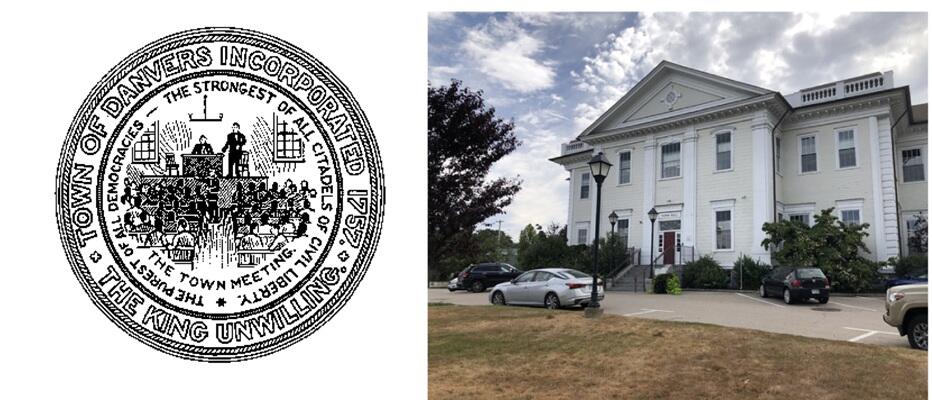
Danvers was once known as Salem Village and is the site of the Salem Witch Trials. Rebecca Nurse, one of the women tried and executed for witchcraft, was from Danvers and her homestead is a historical landmark. In the late 1800s, farmers in Danvers created the Danvers Half-Long Carrot and the Danvers Onion, giving the town the nickname "Oniontown." It is also the site of the former Danvers State Hospital.
Dartmouth
- County: Bristol
- Settled: 1650
- Incorporated: 1664
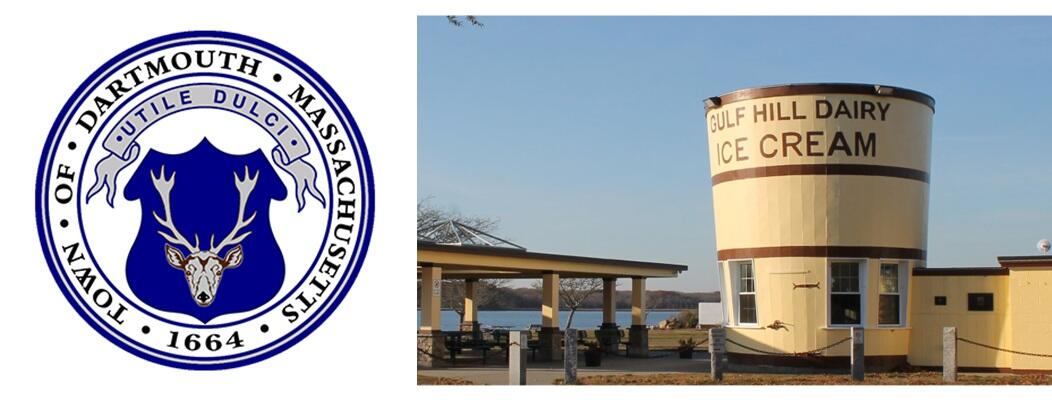
Dartmouth is the third-largest town in Massachusetts after Plymouth and Middleborough (land-wise).
Dedham
- County: Norfolk
- Settled: 1635
- Incorporated: 1636
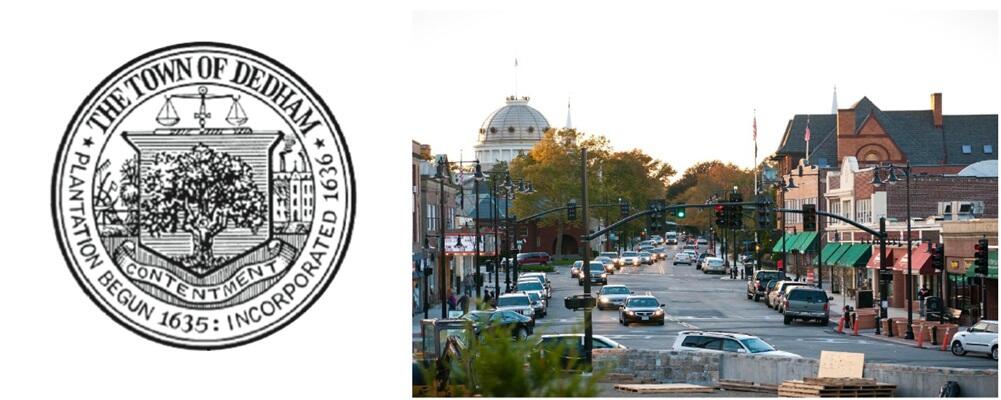
The Fairbanks House is located in Dedham. Built in 1641, it is the oldest timber-framed house in America.
Deerfield
- County: Franklin
- Settled: 1673
- Incorporated: 1677
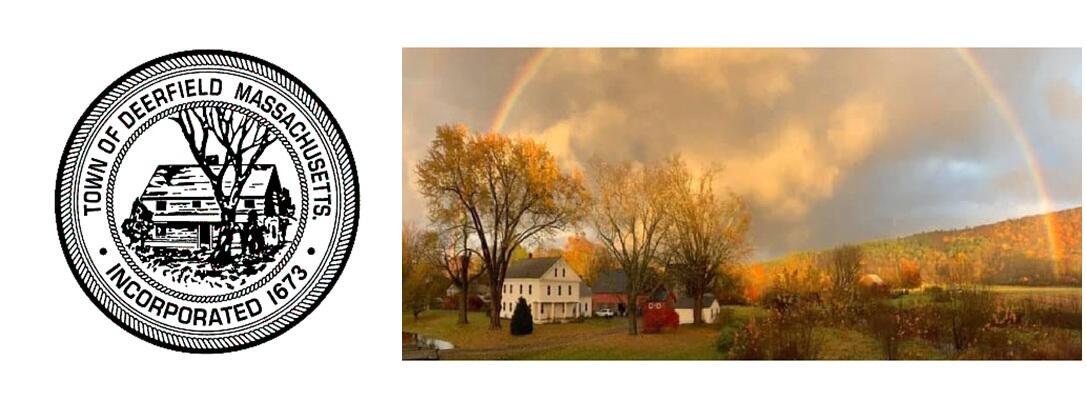
The Deerfield Society of Blue and White Needlework was founded in 1896 by residents Margaret C. Whiting and Ellen Miller. The movement was a way to revive the craft from the 1700s and boost the town’s economy.
Dennis
- County: Barnstable
- Settled: 1639
- Incorporated: 1793
Dennis spans the width of the Cape. It is home to the Cape Playhouse which opened in 1927 and is considered the longest operating summer theater in America. Famous actors like Bette Davis and Humphrey Bogart performed there.
Dighton
- County: Bristol
- Settled: 1678
- Incorporated: 1712
Dighton was a crossroads where the “Old Bristol Path” connected Pilgrims in Plymouth to Bristol, Rhode Island.
Douglas
- County: Worcester
- Settled: 1721
- Incorporated: 1775
In 1946, the town welcomed home World War II soldiers with a baseball game between the Boston Red Sox and the New York Yankees at Soldiers Field.
Dover
- County: Norfolk
- Settled: 1635
- Incorporated: 1836
Dover is home to the Dover Sun House, one of the world’s first solar-heated houses, designed in 1948 by Eleanor Raymond and the heating system developed by Maria Telkes.
Dracut
- County: Middlesex
- Settled: 1664
- Incorporated: 1701
Dracut is one of the only towns in Massachusetts that still has an open town meeting system of government.
Dudley
- County: Worcester
- Settled: 1714
- Incorporated: 1732
In April 1776, George Washington and the Continental Army camped in Dudley along what is now Route 31.
Dunstable
- County: Middlesex
- Settled: 1656
- Incorporated: 1673
The town was named after Mrs. Edward Tyng, who emigrated from Dunstable, England.
Duxbury
- County: Plymouth
- Settled: 1624
- Incorporated: 1637
Before the Revolutionary War, civilians regularly met at Captain’s Hill to burn effigies of British officials in protest of the Stamp Act.
East Bridgewater - Everett
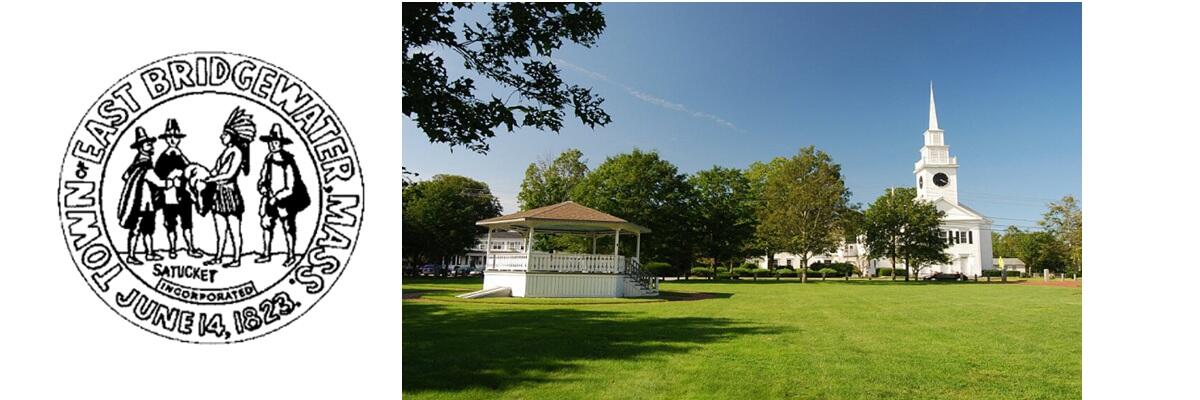
East Bridgewater
- County: Plymouth
- Settled: 1649
- Incorporated: 1823
It is speculated that the famous bank robber Jack Turner left his fortune at his brother’s home in East Bridgewater before being shot and killed in Richmond, Virginia in 1864.
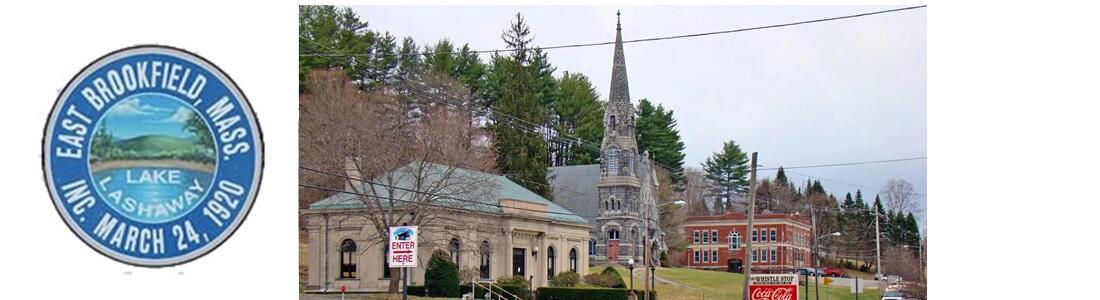
East Brookfield
- County: Worcester
- Settled: 1664
- Incorporated: 1920
East Brookfield is the newest town in Massachusetts by incorporation date.
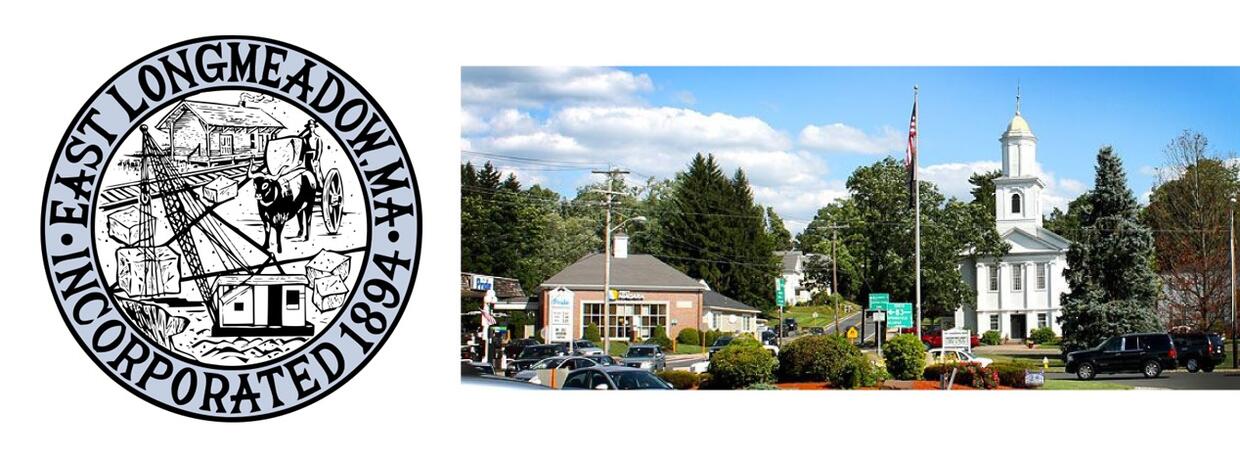
East Longmeadow
- County: Hampden
- Settled: 1740
- Incorporated: 1894
East Longmeadow is known for its brownstone quarries, which attracted Swedish, French, and Italian immigrants.
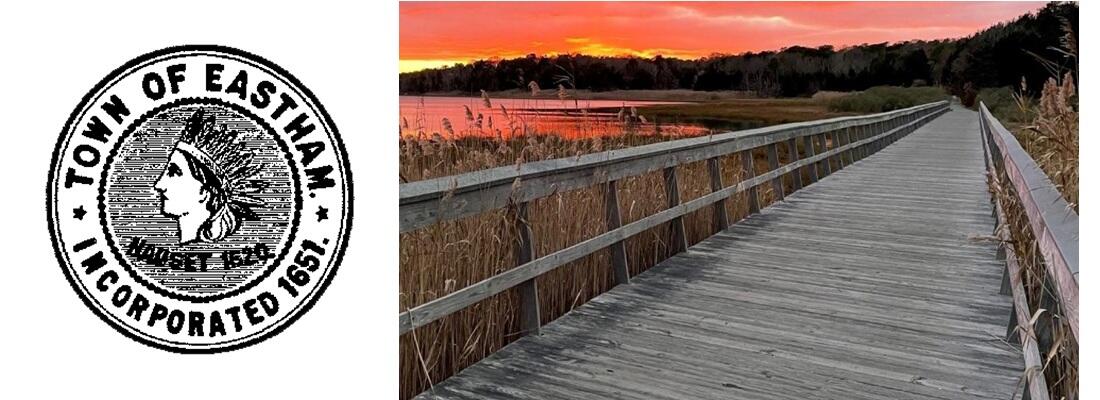
Eastham
- County: Barnstable
- Settled: 1644
- Incorporated: 1646
Eastham was the site of the landing of the hunting party from the Mayflower in 1620, which led to the first encounter between the Pilgrims and the Nauset tribe.
Easthampton
- County: Hampshire
- Settled: 1664
- Incorporated: 1785 (district); 1809 (town)
- Became a City: 1996
Easthampton’s first big factory was the Williston-Knight Button Company, which produced cloth-covered buttons. In order to power the factory, a nearby brook was dammed, creating Nashawannuck Pond.
Easton
- County: Bristol
- Settled: 1694
- Incorporated: 1725
During King Phillip’s War, Metacomet, also known as King Phillip, headquartered his troops in Easton. Easton was also the home of Blanche Ames, a suffragist and the first president of the Birth Control League of Massachusetts.
Edgartown
- County: Dukes
- Settled: 1642
- Incorporated: 1671
Edgartown is one of two original towns on Martha’s Vineyard.
Egremont
- County: Berkshire
- Settled: 1730
- Incorporated: 1775
In 1776 during the Revolutionary War, General Henry Knox passed through Egremont on his way to Boston with cannons from Fort Ticonderoga, which helped end the Siege of Boston.
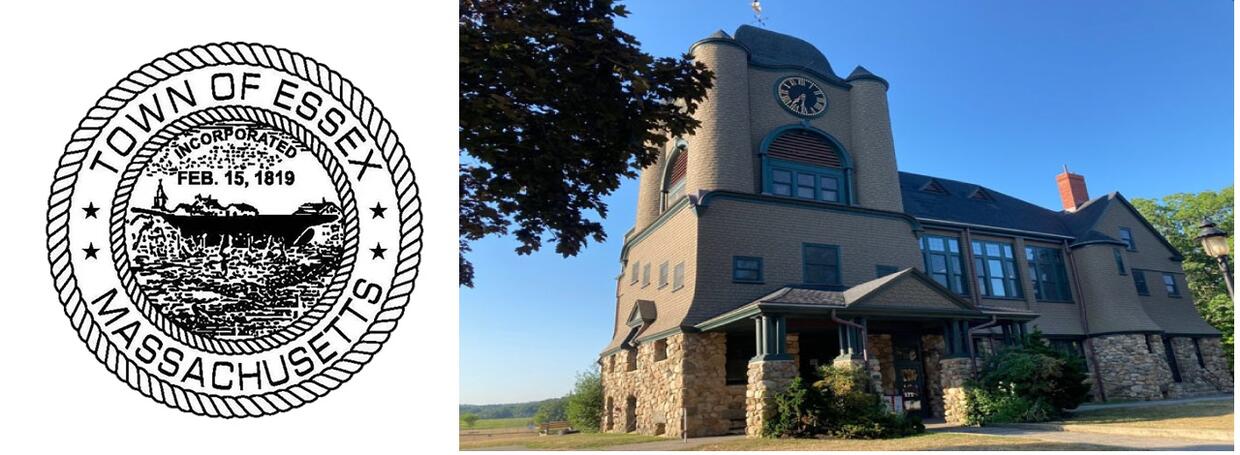
Erving
- County: Franklin
- Settled: 1801
- Incorporated: 1838
Erving, known for its timber industry, had seven sawmills in the nineteenth century. Today, the biggest employer in Erving is a paper mill called Erving Industries.
Everett
- County: Middlesex
- Settled: 1630
- Incorporated: 1870
- Became a City: 1892
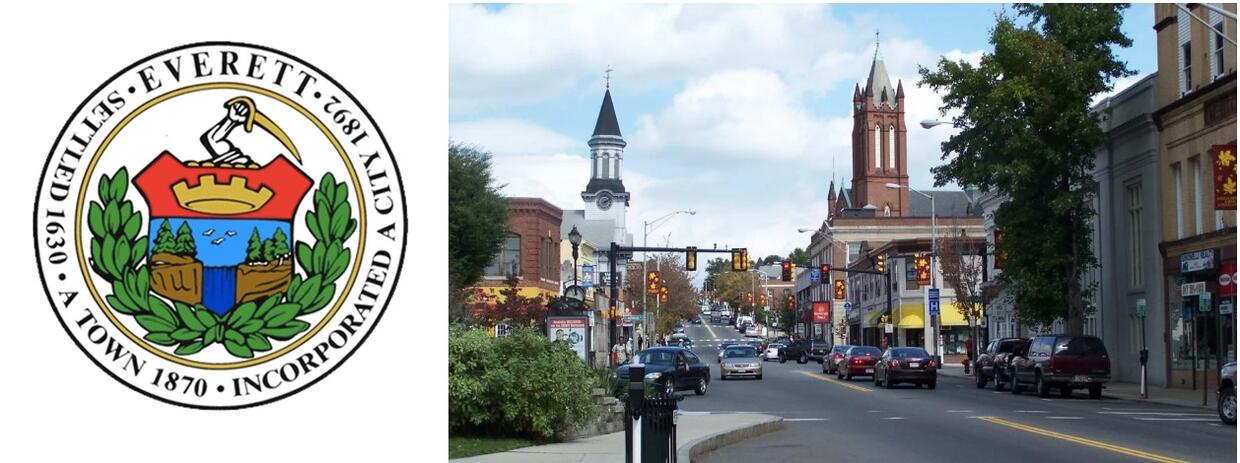
Everett was the last city in the country to have a bicameral legislature.
Fairhaven - Freetown
Fairhaven
- County: Bristol
- Settled: 1670
- Incorporated: 1812
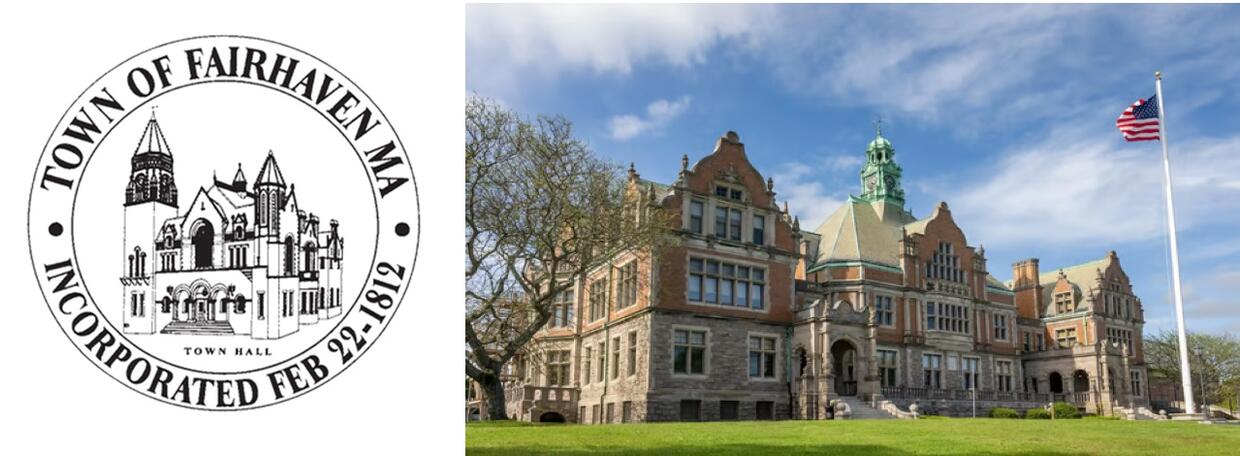
Henry Huttleston Rogers was a Fairhaven native and one of the key men involved in the Rockerfeller Standard Oil trust. He also developed the Virginian Railway and later donated community improvements to Fairhaven, including the public library, high school, and town hall.
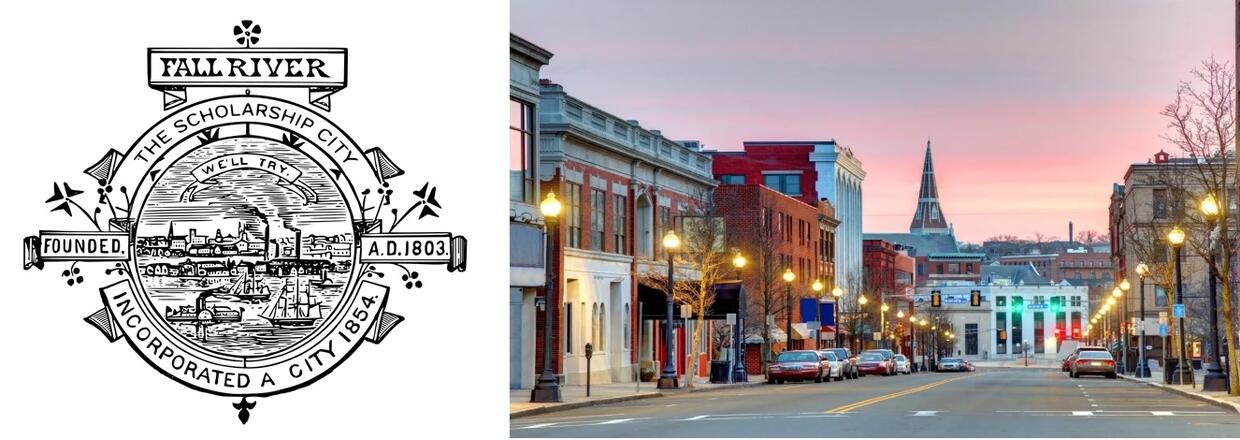
Fall River
- County: Bristol
- Settled: 1656
- Incorporated: 1803
- Became a City: 1854
Fall River has the highest Portuguese population out of any other city in the United States.
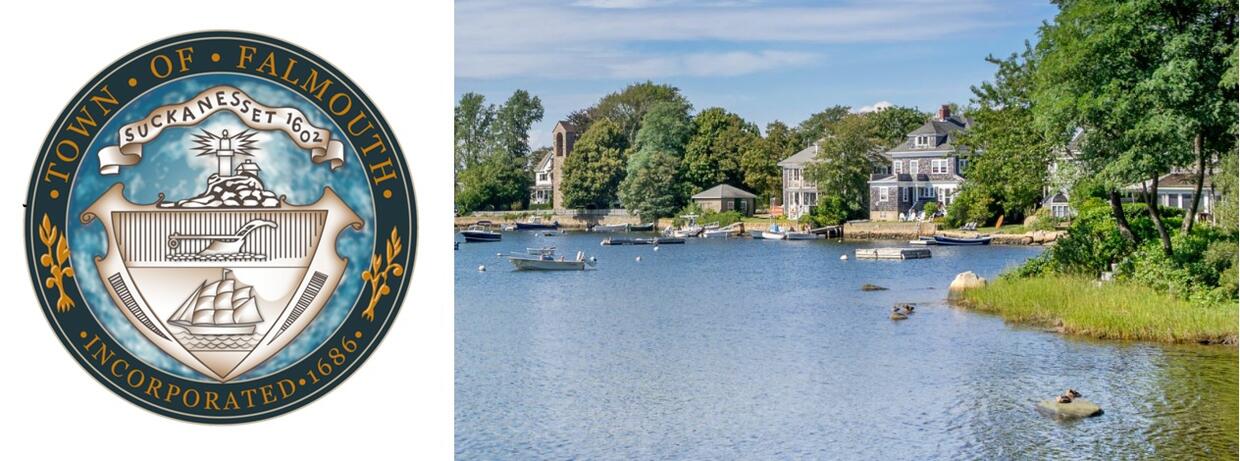
Falmouth
- County: Barnstable
- Settled: 1660
- Incorporated: 1686
The Falmouth neighborhood Woods Hole is home to several scientific organizations, including the Woods Hole Oceanographic Institution, the Marine Biological Laboratory, and the Woods Hole Science Aquarium.
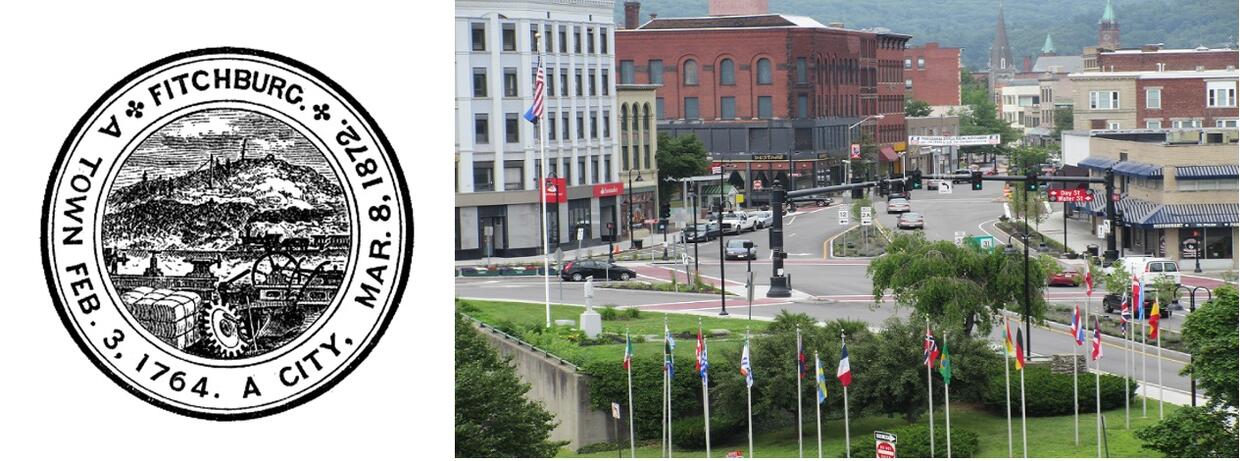
Fitchburg
- County: Worcester
- Settled: 1730
- Incorporated: 1764
- Became a City: 1872
Fitchburg was an industrial center in the nineteenth century, and the 1922 New England Textile Strike shut down the city’s mills.
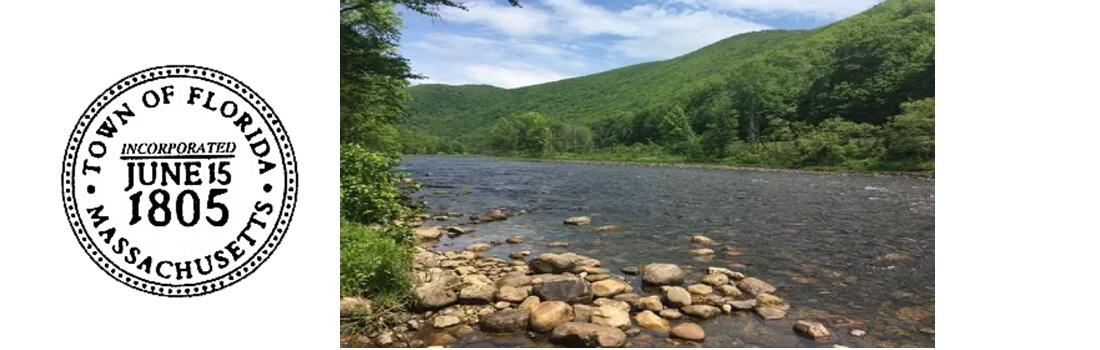
Florida
- County: Berkshire
- Settled: 1783
- Incorporated: 1805
Florida is where Whitcomb Summit, the highest point of the Mohawk Trail, is located.
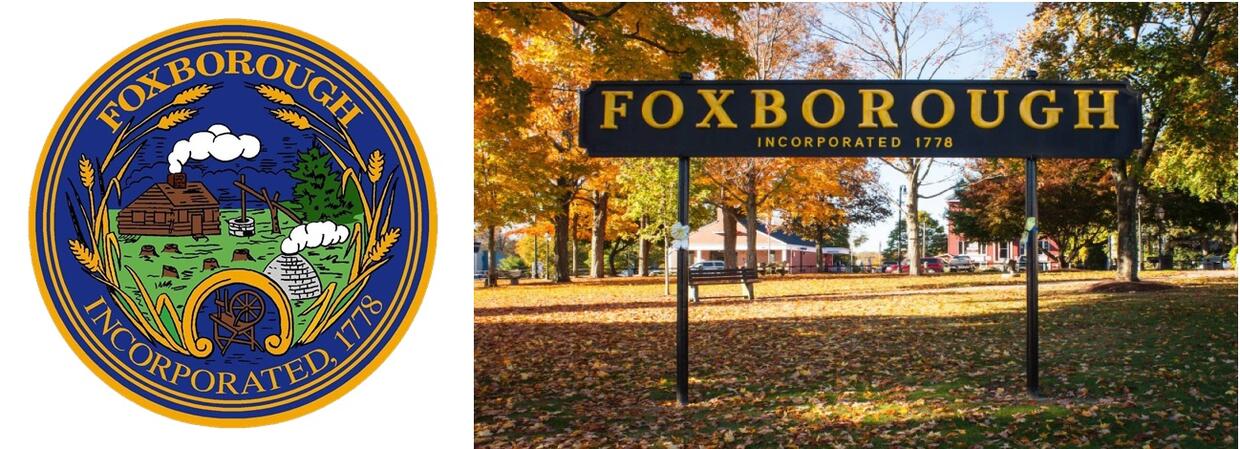
Foxborough
- County: Norfolk
- Settled: 1704
- Incorporated: 1778
Foxborough was home to the world’s largest straw hat factory, which was built in 1886 and burned down in 1936.
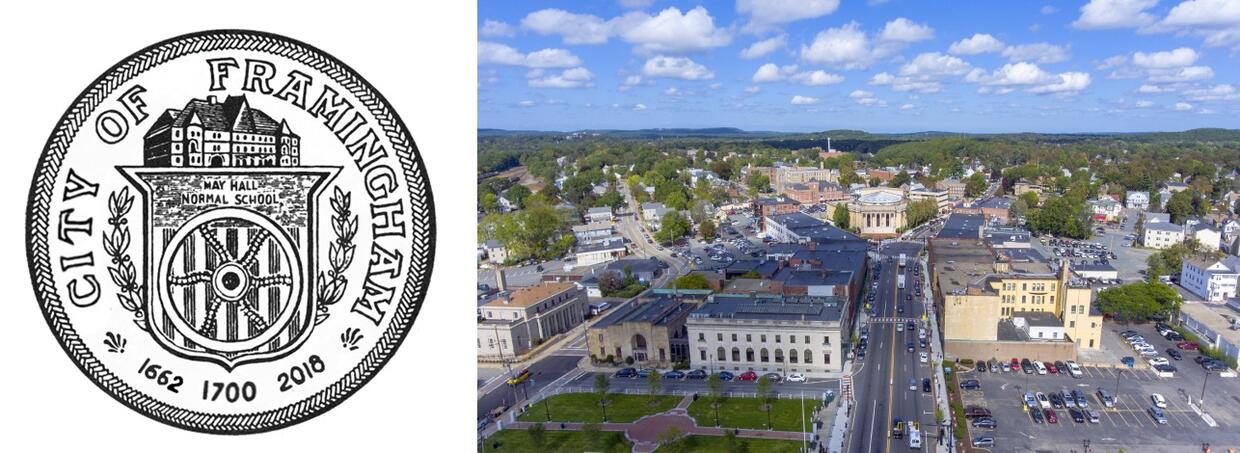
Framingham
- County: Middlesex
- Settled: 1650
- Incorporated: 1700
- Became a City: 2018
Framingham is home to one of the largest Brazilian American populations in the United States.
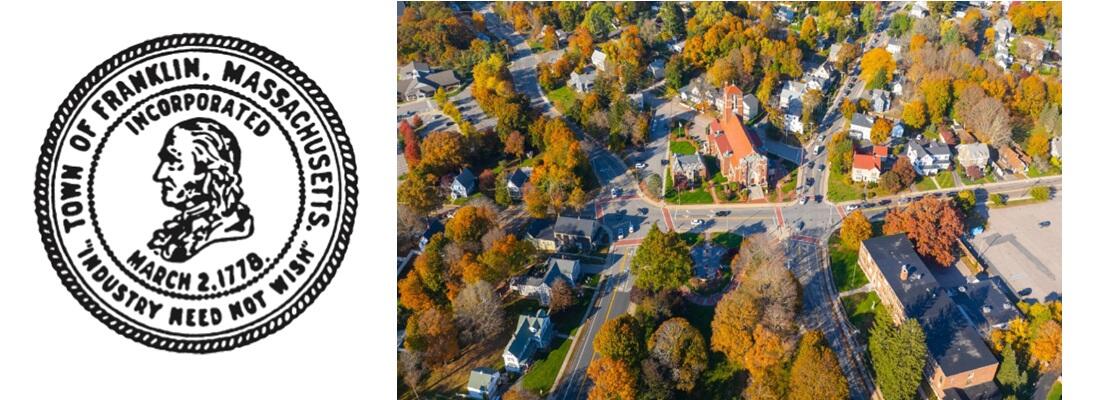
Franklin
- County: Norfolk
- Settled: 1660
- Incorporated: 1778
Franklin is home to the first public library in the United States which was founded in 1790 from a donation of 116 books by Benjamin Franklin.
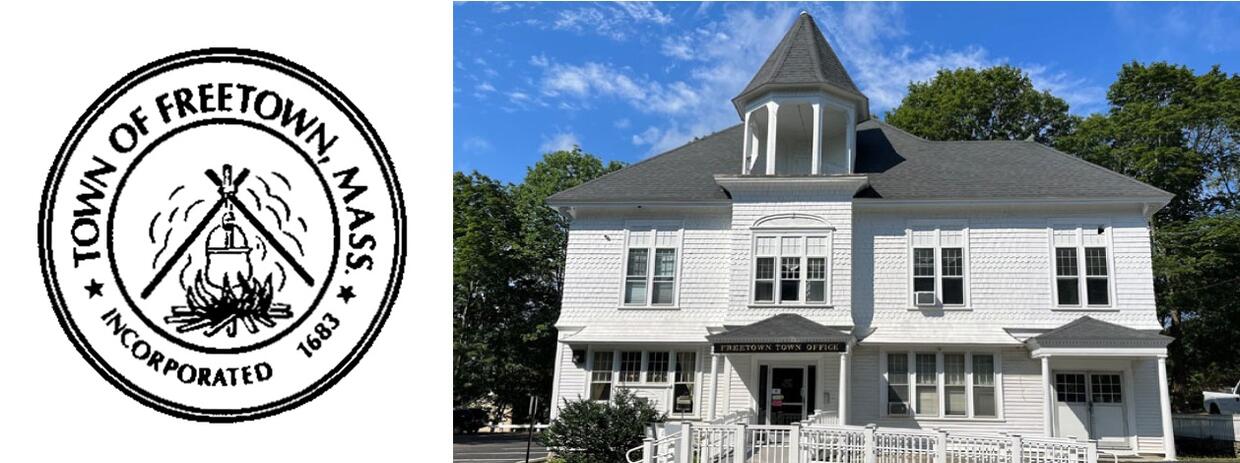
Freetown
- County: Bristol
- Settled: 1659
- Incorporated: 1683
Freetown was settled by Pilgrims in the 1659, making it one of the oldest communities in the United States. Freetown is home to the Freetown-Fall River State Forest, and Profile Rock.
Gardner - Groveland
Gardner
- County: Worcester
- Settled: 1764
- Incorporated: 1785
- Became a City: 1923
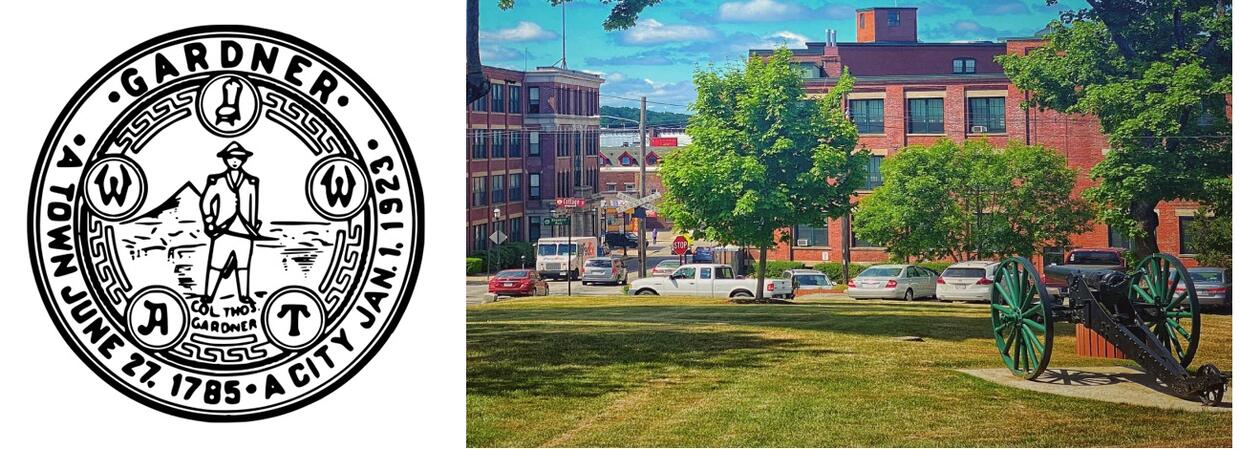
Since 1805 Gardner has been a center of lumber and furniture production and is known as “The Chair City.”
Georgetown
- County: Essex
- Settled: 1639
- Incorporated: 1838
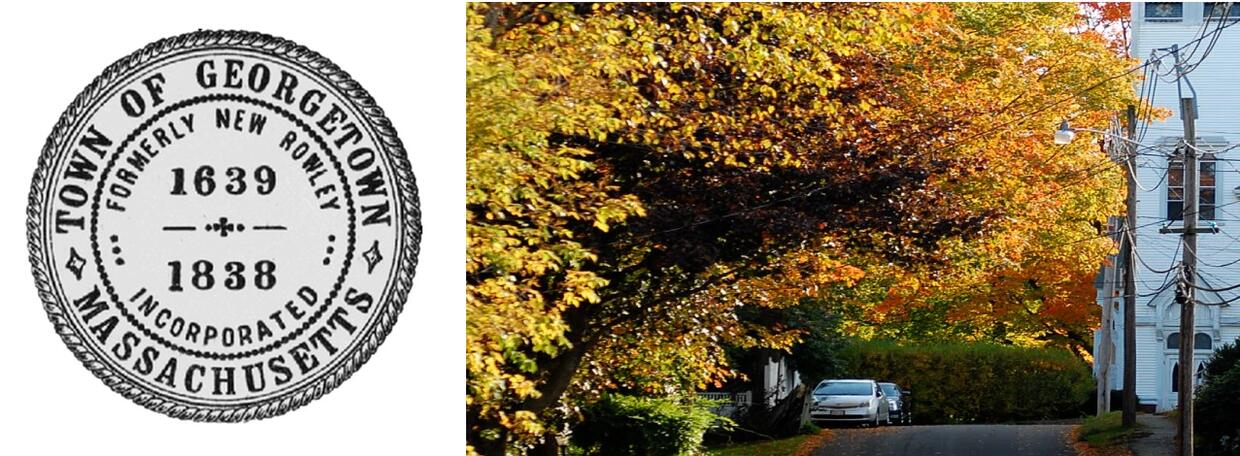
Georgetown was a manufacturing hub known for its shoe industry, which existed until 1970. It was also a filming location for the 2008 film The Women.
Gill
- County: Franklin
- Settled: 1776
- Incorporated: 1793
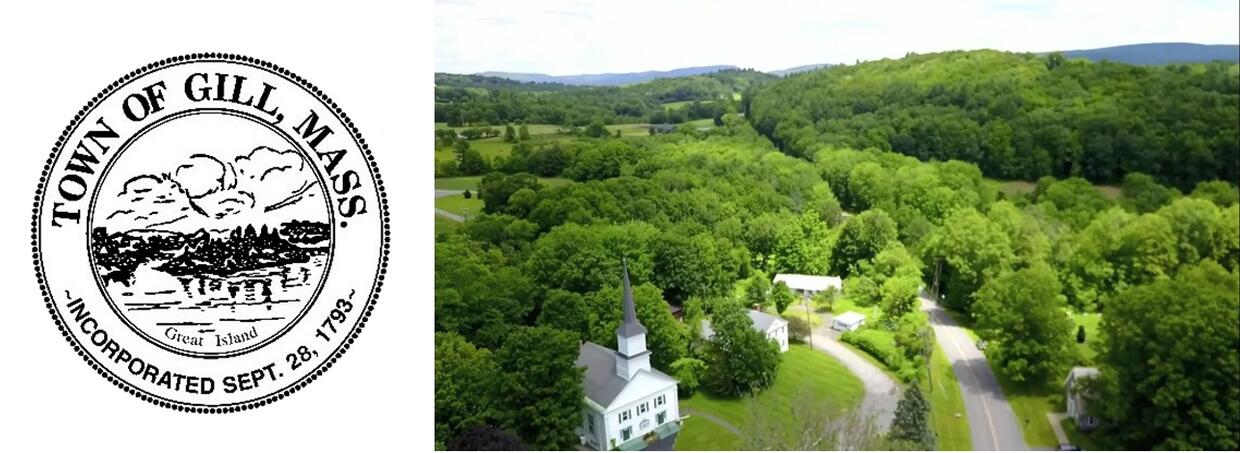
The land surrounding Gill was home to the Nipmuc people for over 10,000 years before English colonists arrived.
Gloucester
- County: Essex
- Settled: 1623
- Incorporated: 1642
- Became a City: 1873
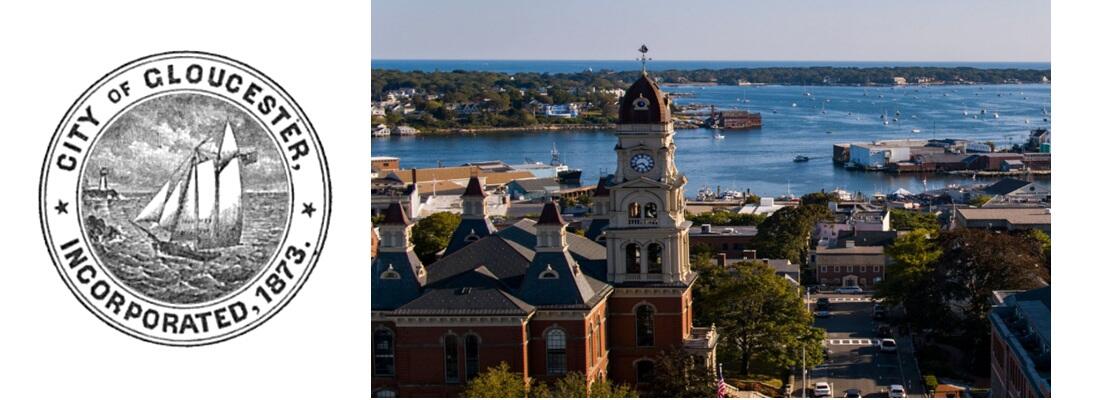
Gloucester has a yearly St. Peter’s festival during the last weekend in June where local men compete in a greasy pole contest over the ocean.
Gosnold
- County: Dukes
- Settled: 1641
- Incorporated: 1864
Gosnold is the least populated town in Massachusetts, with 70 residents according to the 2020 census.
Grafton
- County: Worcester
- Settled: 1718
- Incorporated: 1735
Grafton was names after Charles FitzRoy, the second Duke of Grafton, a title created for the illegitimate son of King Charles II.
Granby
- County: Hampshire
- Settled: 1727
- Incorporated: 1768
Granby is one of a few towns in Massachusetts that has its own local telephone service.
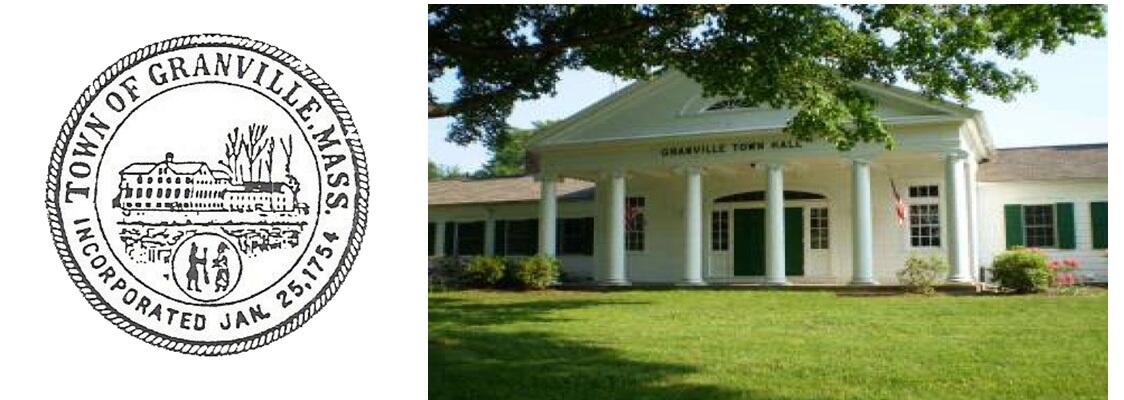
Granville
- County: Hampden
- Settled: 1736
- Incorporated: 1754
Granville is home to the Noble & Cooley Drum Factory, a drum manufacturer founded in 1854 and which continues to operate.
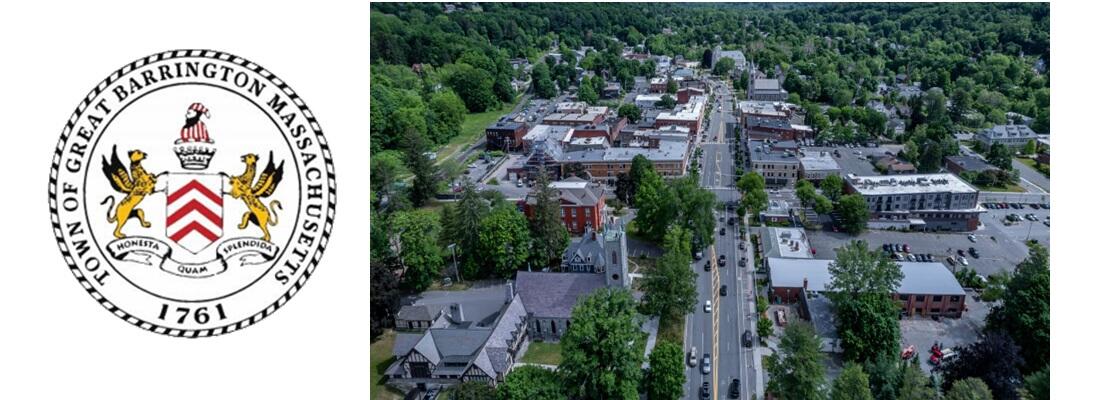
Great Barrington
- County: Berkshire
- Settled: 1726
- Incorporated: 1761
Great Barrington is the birthplace of W.E.B. Du Bois, a civil rights leader and the co-founder of the NAACP.
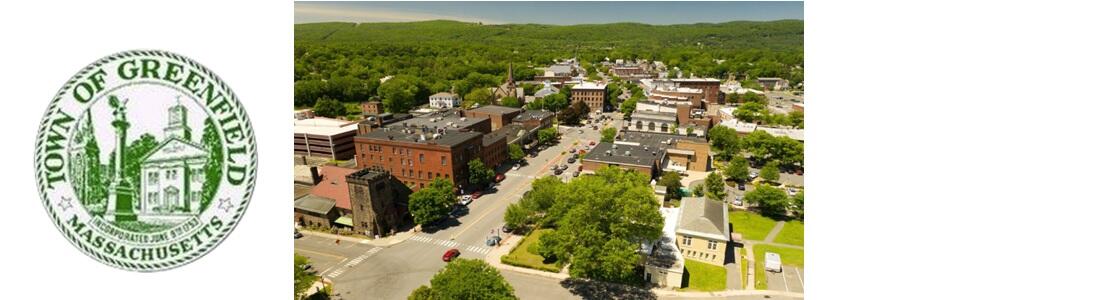
Greenfield
- County: Franklin
- Settled: 1686
- Incorporated: 1753
- Became a City: 2002
Greenfield was the home of Lorenzo Langstroth, the “Father of Modern Beekeeping,” and the city hosts several bee-themes events throughout the year to celebrate Langstroth’s contributions.
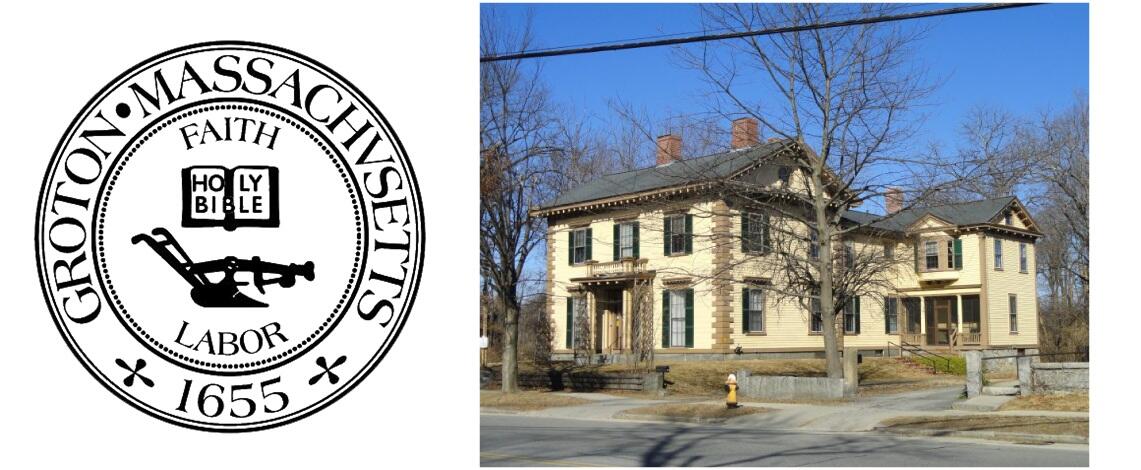
Groton
- County: Middlesex
- Settled: 1655
- Incorporated: 1655
Nestled along the Nashua River, Groton is a great place for kayaking, hiking, and other outdoor activities.
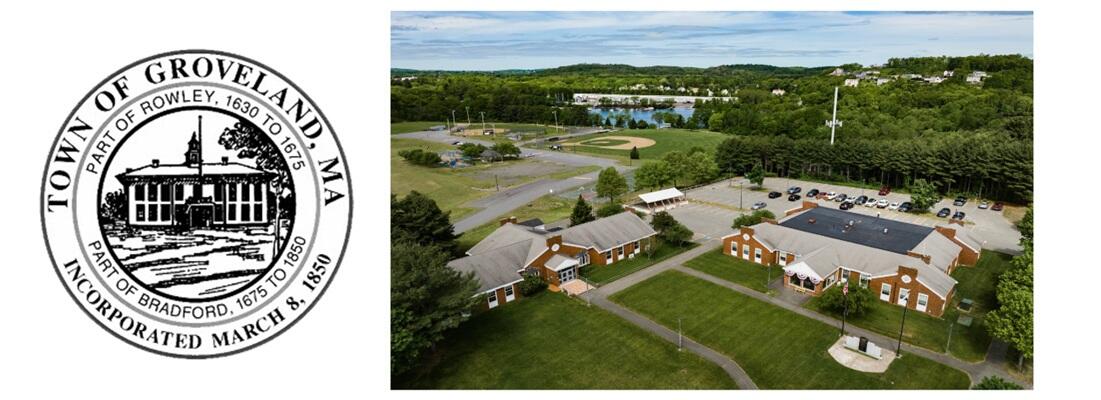
Groveland
- County: Essex
- Settled: 1639
- Incorporated: 1850
The Congregational church in Groveland has a bell crafted by Paul Revere. Of the 900 bells made by Revere's company, this is one of two remaining bells in active service. In Groveland town hall, the oldest hand-pump fire-engine in the country, built in 1798 is on display.
Hadley - Huntington
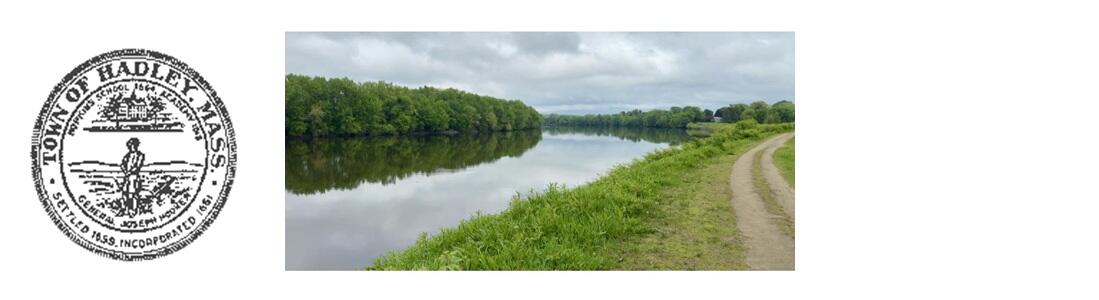
Hadley
- County: Hampshire
- Settled: 1659
- Incorporated: 1661
A town with rich agricultural history, Hadley is sometimes referred to as “the Asparagus Capital of the world,” as since 1930, it has produced nearly eighty percent of the state’s asparagus.
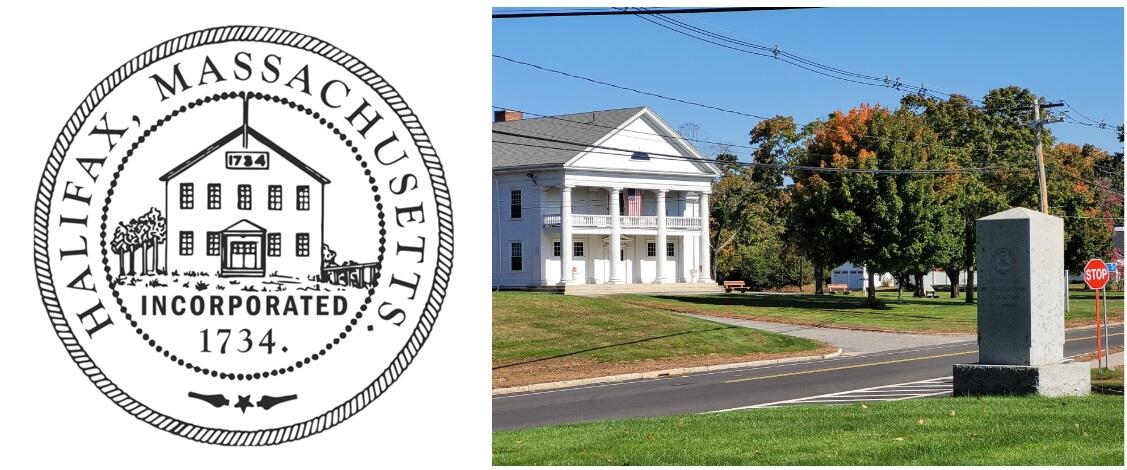
Halifax
- County: Plymouth
- Settled: 1670
- Incorporated: 1734
The town was named for Halifax, West Yorkshire, England and was known for lumbering and agriculture, particularly cranberries and is now largely a residential community.
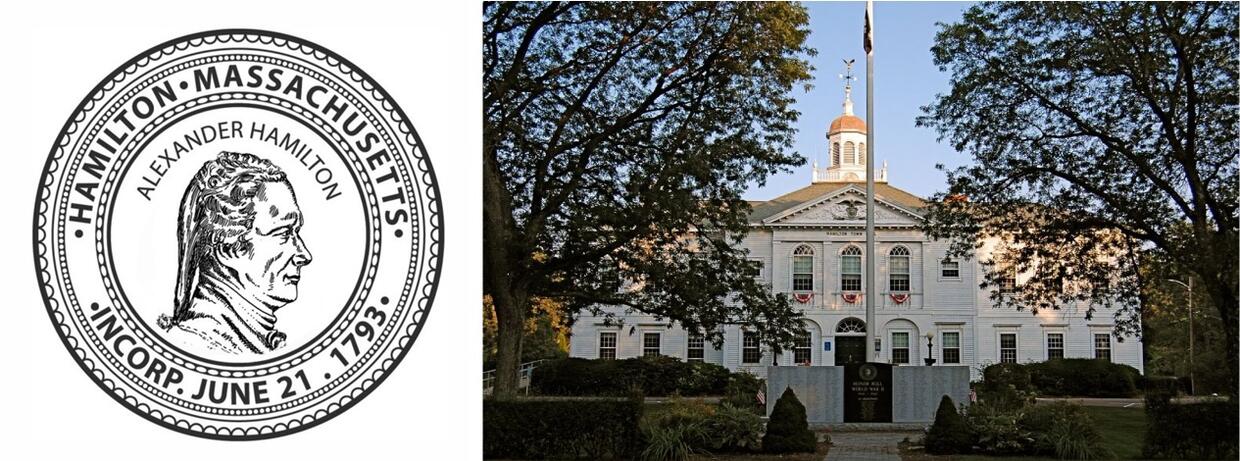
Hamilton
- County: Essex
- Settled: 1638
- Incorporated: 1793
In 2021, Hamilton became the first municipality in Massachusetts to mandate the composting of organic waste among its residents.
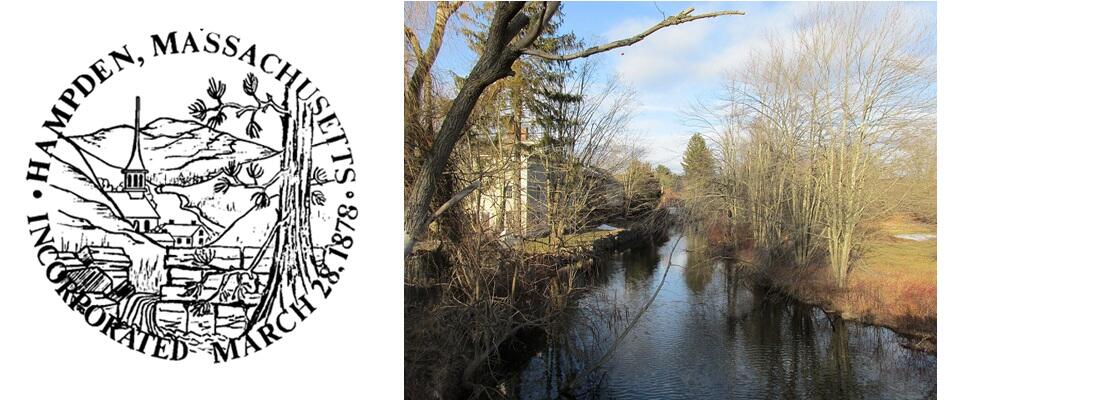
Hampden
- County: Hampden
- Settled: 1741
- Incorporated: 1878
H.P. Lovecraft’s travels through Hampden inspired his fictional Massachusetts town in his story The Dunwich Horror.
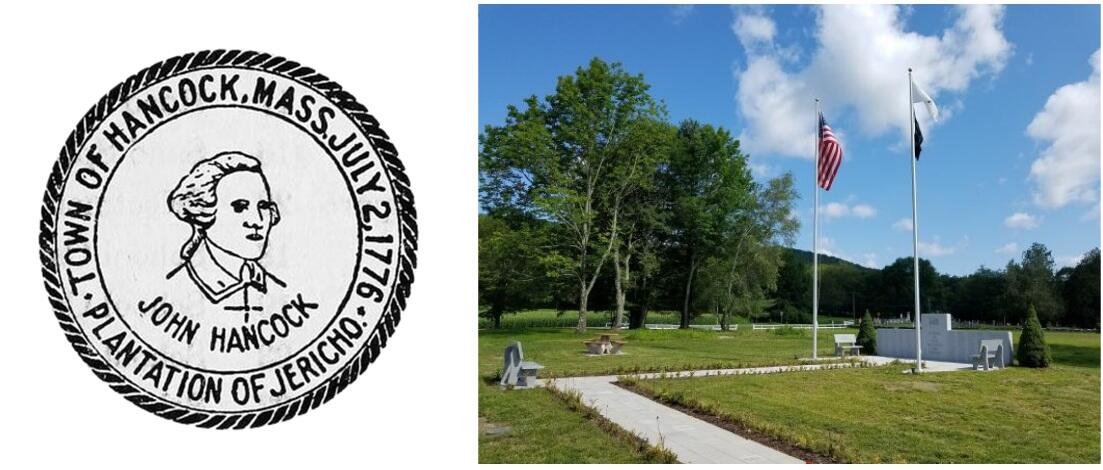
Hancock
- County: Berkshire
- Settled: 1767
- Incorporated: 1776
Hancock is known for its Berry Pond, which is the highest natural body of water in Massachusetts.
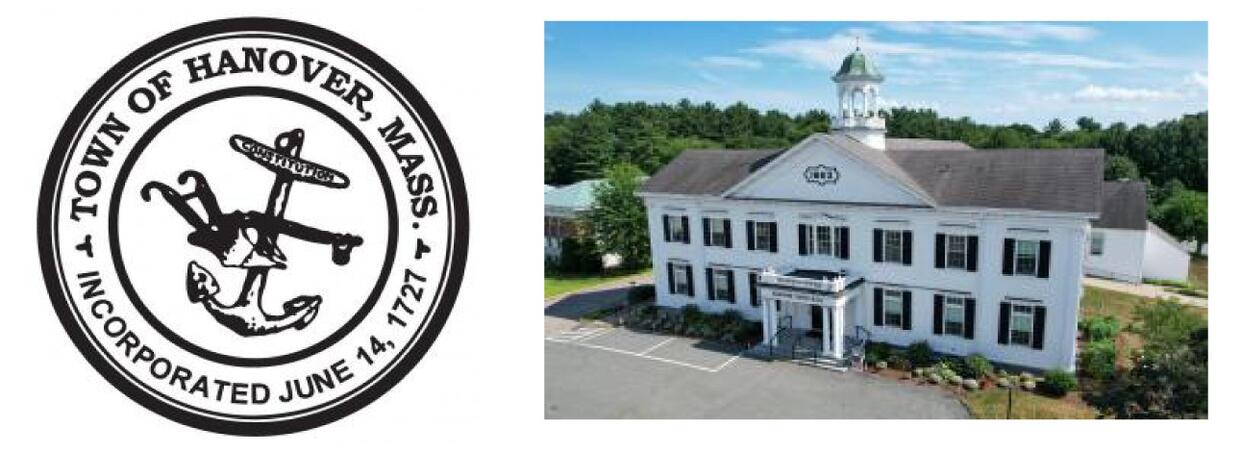
Hanover
- County: Plymouth
- Settled: 1649
- Incorporated: 1727
Hanover's early industry revolved around farming, small mills, anchor forging, and several shipbuilding yards along the North River.
Hanson
- County: Plymouth
- Settled: 1632
- Incorporated: 1820
Hanson is perhaps most famous for being the first headquarters for Ocean Spray which was founded in 1930 and was headquartered there until 1977 when they moved to Plymouth.
Hardwick
- County: Worcester
- Settled:1737
- Incorporated: 1739
Hardwick is home to the Hardwick Community Fair, which having been established in 1762 makes it the oldest annual fair in the United States.
Harvard
- County: Worcester
- Settled: 1704
- Incorporated: 1732
The Benjamin Ball Pencil Company operated out of Harvard from 1830 until 1860. It is notable for producing some of the first writing instruments manufactured in the United States.
Harwich
- County: Barnstable
- Settled: 1670
- Incorporated: 1694
Harwich is home to the Harwich Mariners, part of the Cape Cod Baseball League, which is a collegiate summer baseball league that started in 1923.
Hatfield
- County: Hampshire
- Settled: 1661
- Incorporated: 1670
Sophia Smith, the founder of Smith College in Northampton, was born in Hatfield in 1796.
Haverhill
- County: Essex
- Settled: 1640
- Incorporated: 1641
- Became a City: 1870
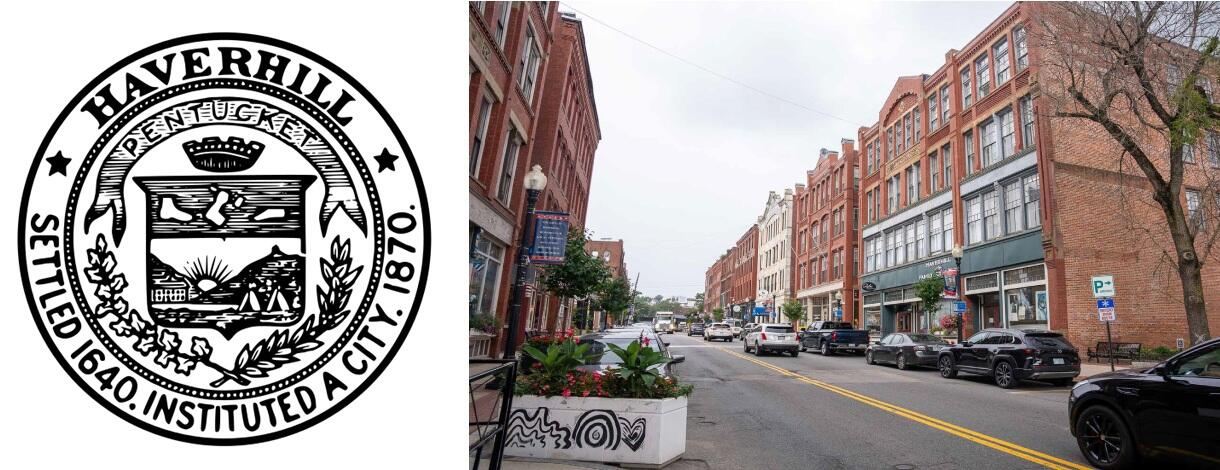
Located on the Merrimack River, Haverhill was originally known as Pentucket, or “place of the winding river.”
Hawley
- County: Franklin
- Settled: 1760
- Incorporated: 1792
Hawley currently only has about 320 residents! Its highest population was in 1820 with 1089 residents.

Heath
- County: Franklin
- Settled: 1765
- Incorporated: 1785
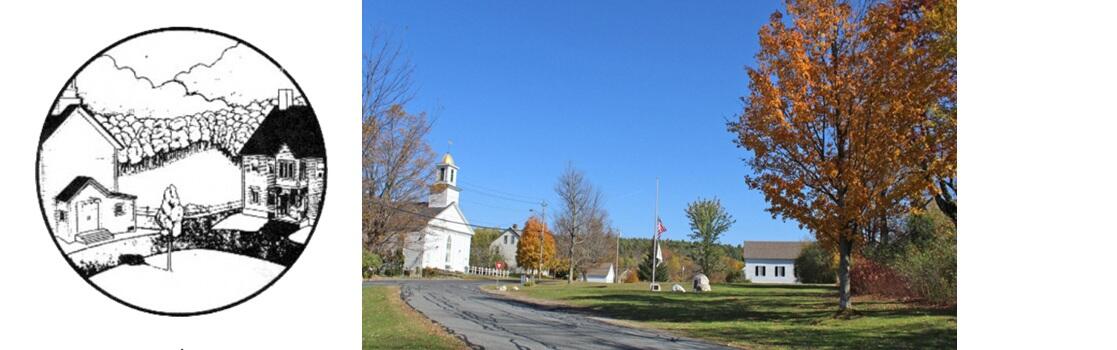
The town is named in honor of Revolutionary War general and political leader William Heath, though he lived his entire life in Roxbury, Massachusetts.
Hingham
- County: Plymouth
- Settled: 1633
- Incorporated: 1635
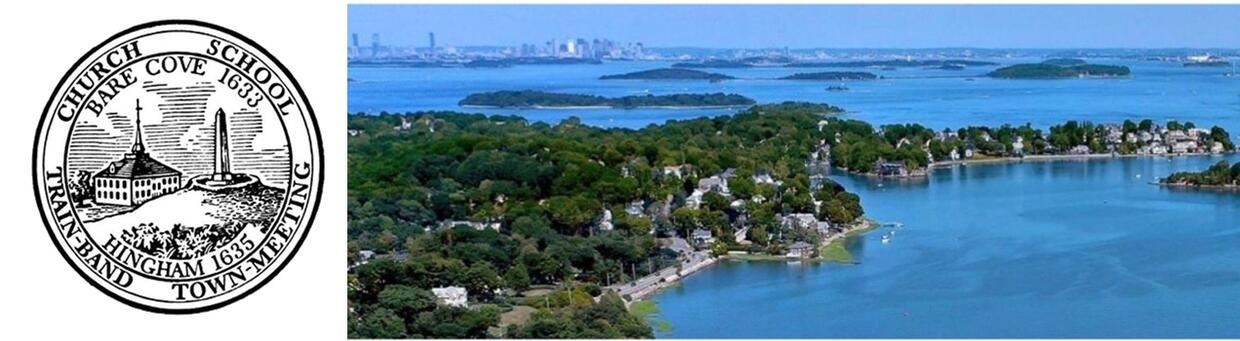
Hingham is part of Massachusetts’ South Shore and is only 14 miles south of Boston. It is located on the southwestern corner of Boston Harbor and was part of Suffolk County until 1803.
Hinsdale
- County: Berkshire
- Settled: 1763
- Incorporated: 1804
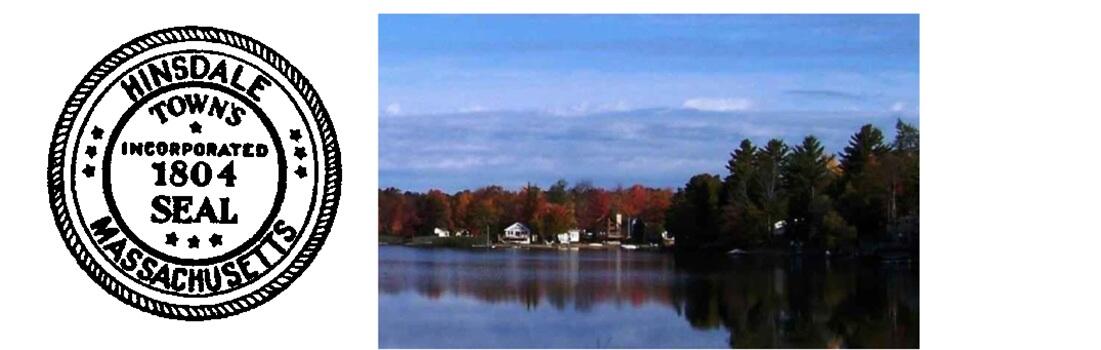
Hinsdale is home to many bodies of water – including four reservoirs – and is a popular spot in the Berkshire Hills for water recreation and fishing.
Holbrook
- County: Norfolk
- Settled: 1710
- Incorporated: 1872
Incorporated on a leap day, February 29, 1872, Holbrook is a “forever young” town that only celebrates its official birthday once every four years.
Holden
- County: Worcester
- Settled: 1723
- Incorporated: 1741
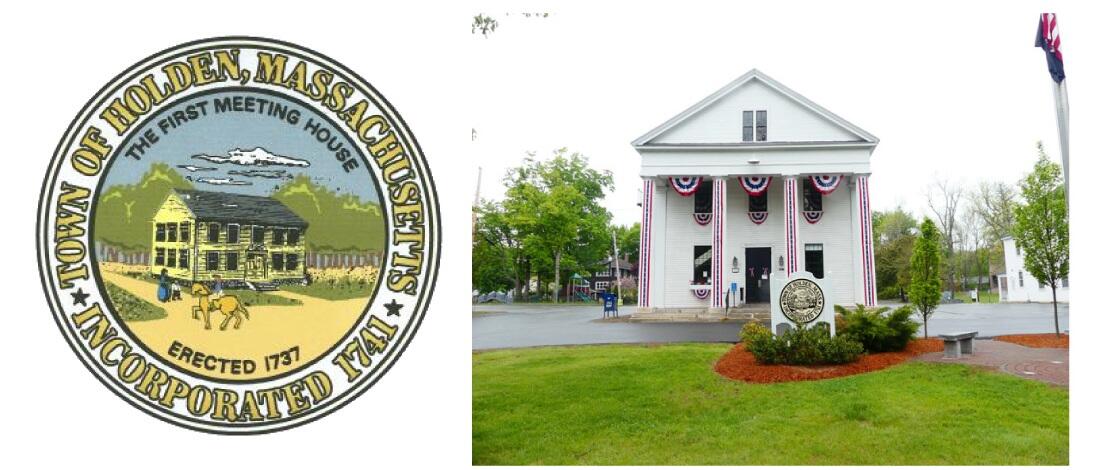
In the late 1800s, resorts popped up in the hills of Holden that served as summer retreats for Bostonians and New Yorkers trying to escape the heat of the cities.
Holland
- County: Hampden
- Settled: 1725
- Incorporated: 1783
Famous athletic duo, Team Hoyt (father Dick and son Rick Hoyt), were from Holland. Rick had cerebral palsy and was pushed in a wheelchair by Dick in over 30 editions of the Boston Marathon.
Holliston
- County: Middlesex
- Settled: 1659
- Incorporated: 1724
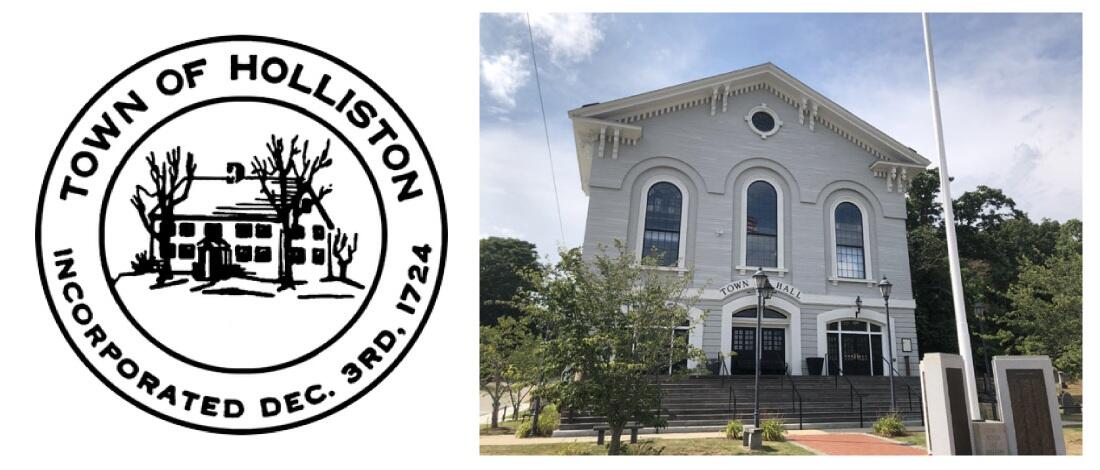
Holliston was once the largest producer of shoes in the United States. Many of the factories no longer exist, but the Goodwill Shoe Company is still standing and has been partially converted to artists’ studios.
Holyoke
- County: Hampden
- Settled: 1655
- Incorporated: 1850
- Became a City: 1873
In the late 1800s and into the 1900s, Holyoke was known as the “Paper City of the World” and had over 25 paper mills in operation.
Hopedale
- County: Worcester
- Settled: 1660
- Incorporated: 1886
Hopedale was home to the Draper Corporation, a maker of power looms for the textile industry, which dominated manufacturing in the town from the 1850s until 1980. The Draper family also constructed the town hall and the Unitarian Church.
Hopkinton
- County: Middlesex
- Settled: 1715
- Incorporated: 1715
Since 1924, Hopkinton has been the starting point for the Boston Marathon, as it is located 26 miles west of Boston.
Hubbardston
- County: Worcester
- Settled: 1737
- Incorporated: 1767
Hubbardston is unusually high--it is located 1,015 feet above sea level. It is also home to 88 MPH Time Machine, a collection of vehicles and props from Back to the Future and other movies.
Hudson
- County: Middlesex
- Settled: 1698
- Incorporated: 1866
Hudson is a mill town, powered by the Assabet River that runs through it. At one point, there were 17 shoe factories located there, until the last one burned down in 1968.
Hull
- County: Plymouth
- Settled: 1622
- Incorporated: 1644
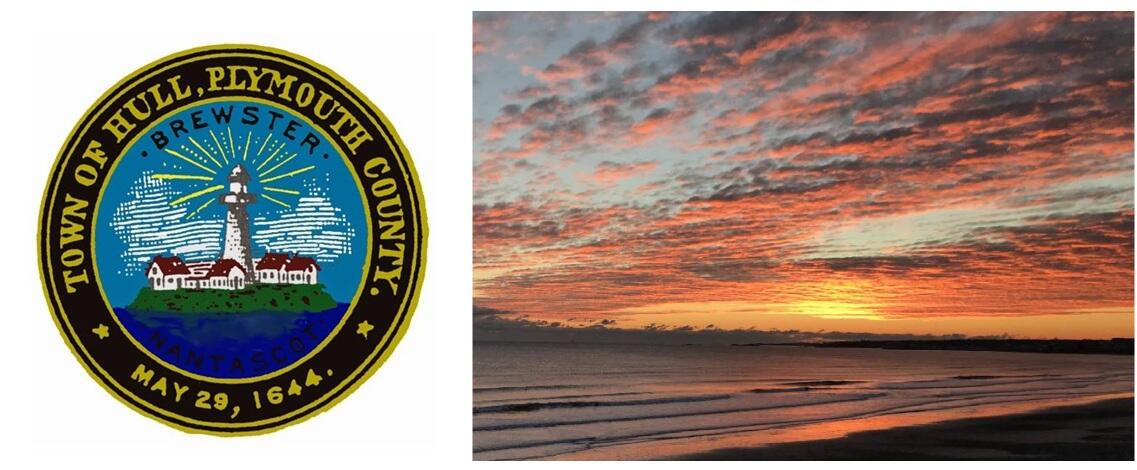
The town is the smallest by land area in Plymouth County, and includes Nantasket Beach, a picturesque stretch of 3.5 miles of sandy beach.
Huntington
- County: Hampshire
- Settled: 1769
- Incorporated: 1775 (as Norwich); 1855 (name change to Huntington)
Early European settlers arrived from Norwich, Connecticut in the 1760s and were subsistence farmers (farming for their own consumption not for sale).

Ipswich - Lynnfield
Ipswich
- County: Essex
- Settled: 1633
- Incorporated: 1634
Ipswich has more pre-colonial era houses than any other town in Massachusetts and its first grammar school dates to 1636.
Kingston
- County: Plymouth
- Settled: 1620
- Incorporated: 1726
Kingston has been home to the Wampanoag people since before the arrival of the Pilgrim settlers, and several ancient Native American burial sites have been located within its borders.
Lakeville
- County: Plymouth
- Settled: 1717
- Incorporated: 1853
Lakeville is just over 36 square miles, with 6.6 of those being bodies of water, hence its name.
Lancaster
- County: Worcester
- Settled: 1643
- Incorporated: 1653
Lancaster is the oldest town in Worcester County, and until it was cut down in 1989, it was also home to the oldest oak tree in the Commonwealth, known as the Beaman Oak.
Lanesborough
- County: Berkshire
- Settled: 1753
- Incorporated: 1765
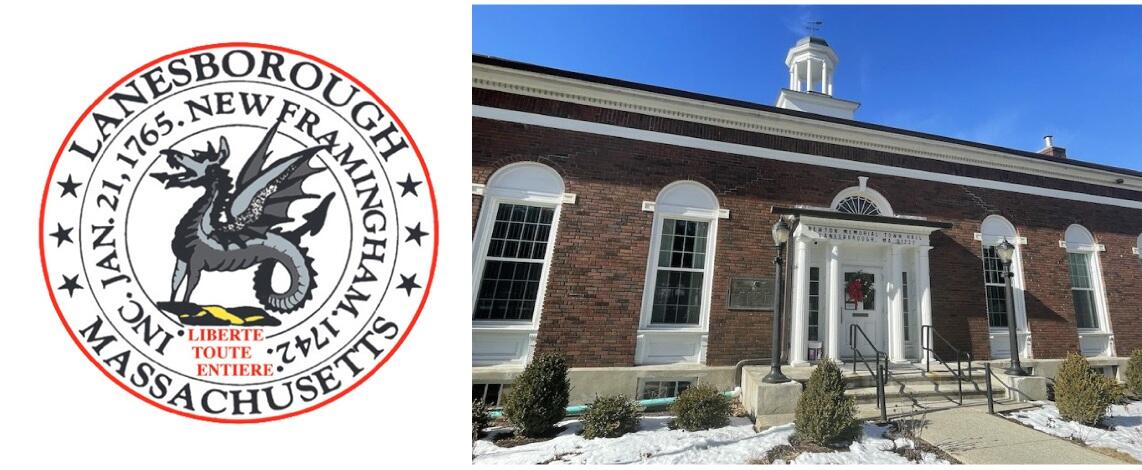
As seen on its seal, Lanesborough was originally called New Framingham, and it was one of the first communities founded in the Berkshires.
Lawrence
- County: Essex
- Settled: 1655
- Incorporated: 1847
- Became a City: 1853
Located along the Merrimack River in the Merrimack Valley, Lawrence was a textile center. The Pemberton Mill, a five-story textile mill, collapsed in Lawrence in January 1860.
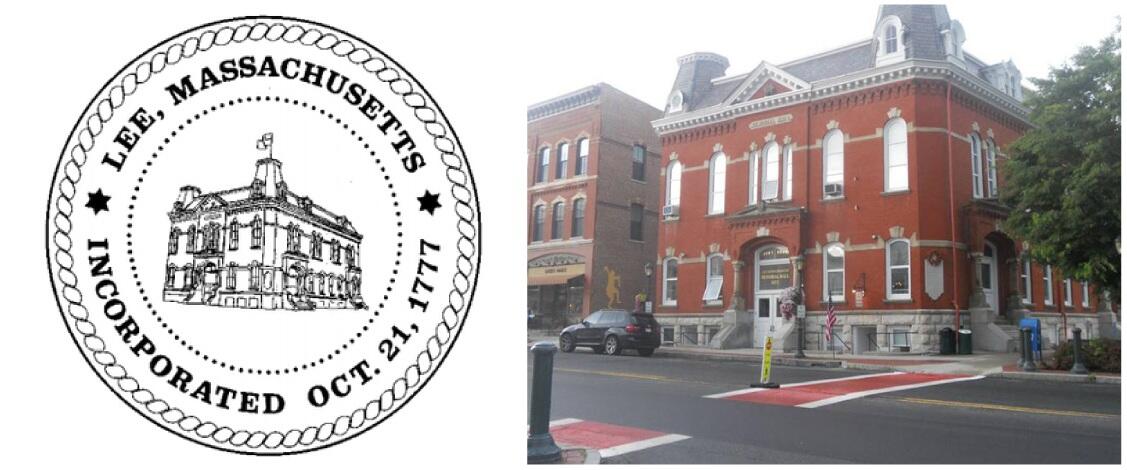
Lee
- County: Berkshire
- Settled: 1760
- Incorporated: 1777
A marble quarry in Lee was first established in 1852, and it is well known for its high quality. Marble from Lee has been excavated and used in significant buildings, including the United States Capitol.
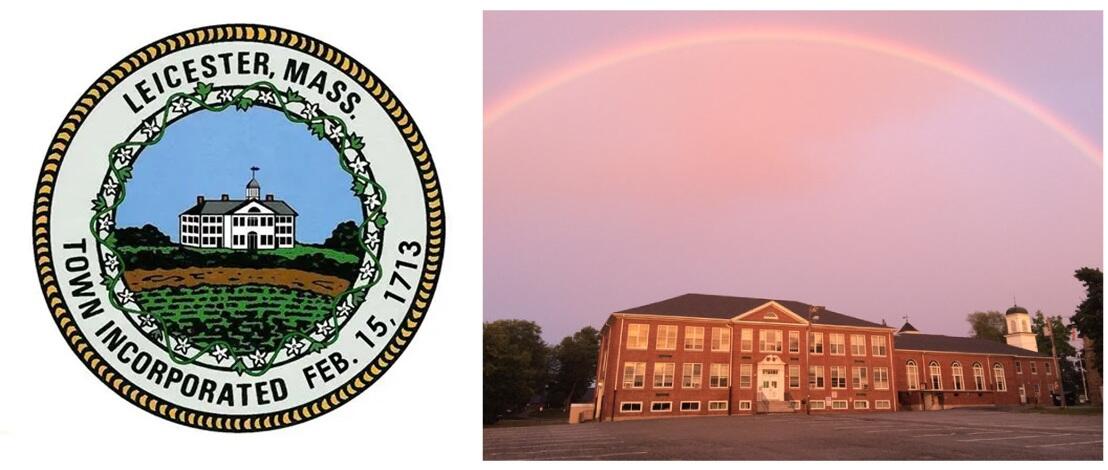
Leicester
- County: Worcester
- Settled: 1713
- Incorporated: 1714
Inventor Eli Whitney (1765-1825) attended Leicester Academy, which is now Leicester High School.
Lenox
- County: Berkshire
- Settled: 1750
- Incorporated: 1767
Lenox is home to Tanglewood, a performing arts center and summer music academy that was founded in 1940 as the Berkshire Music Center. Tanglewood is the summer home of the Boston Symphony Orchestra.
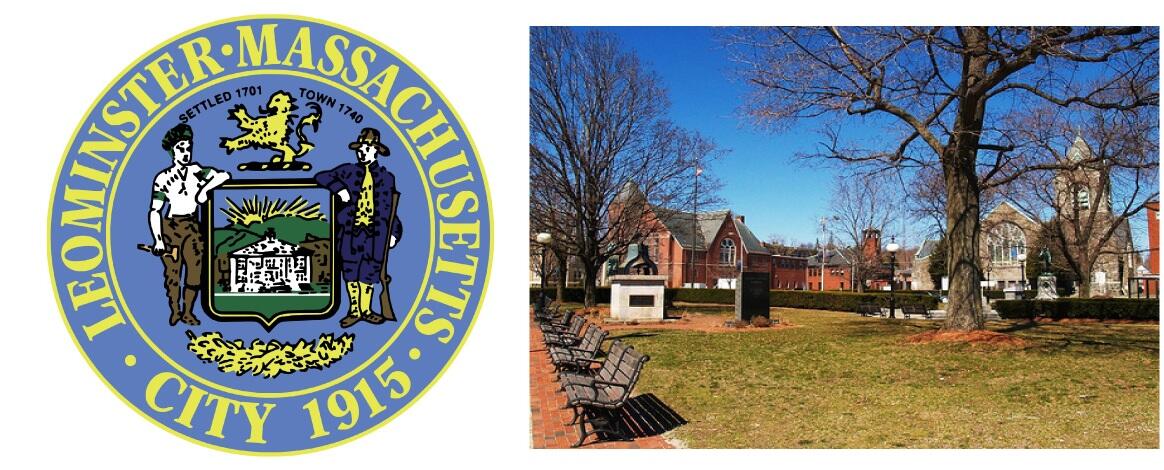
Leominster
- County: Worcester
- Settled: 1653
- Incorporated: 1740
- Became a City: 1915
John Chapman, later known as Johnny Appleseed, was born in Leominster.
Leverett
- County: Franklin
- Settled: 1713
- Incorporated: 1774
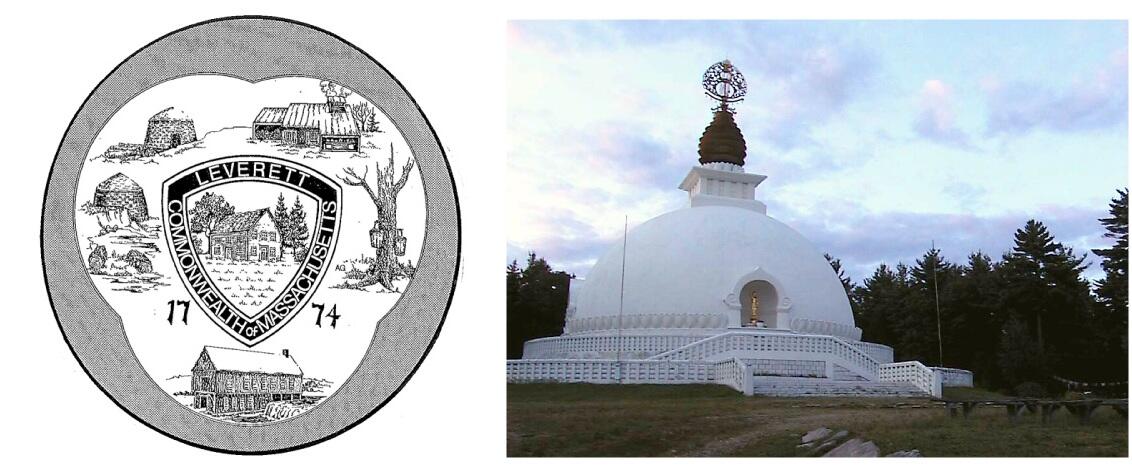
Leverett is home to the New England Peace Pagoda, which was the first Nipponzan-Myōhōji peace pagoda to be built in the United States.
Lexington
- County: Middlesex
- Settled: 1640
- Incorporated: 1713
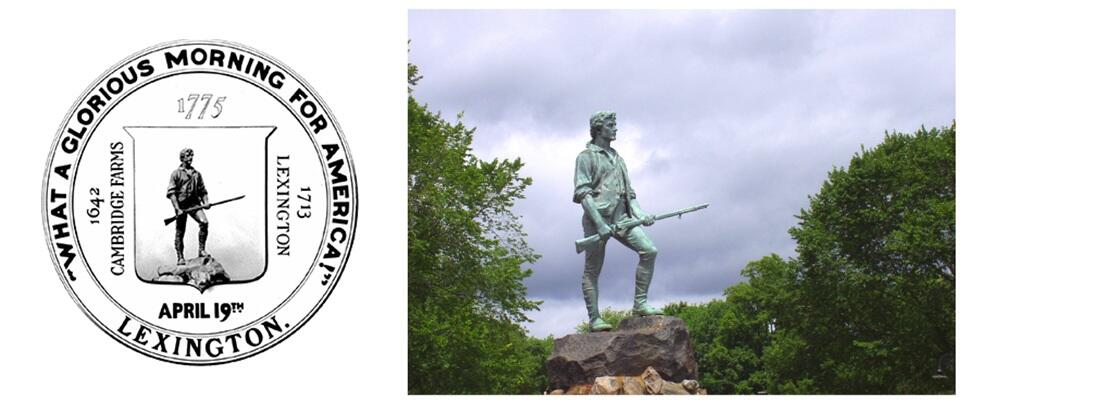
Lexington was originally established as a farming community known as “Cambridge North Precinct” or “Cambridge Farms.”
Leyden
- County: Franklin
- Settled: 1738
- Incorporated: 1809
It is named after the town of Leiden in the Netherlands, where the Pilgrims found refuge from religious persecution before colonizing North America.

Lincoln
- County: Middlesex
- Settled: 1650
- Incorporated: 1754
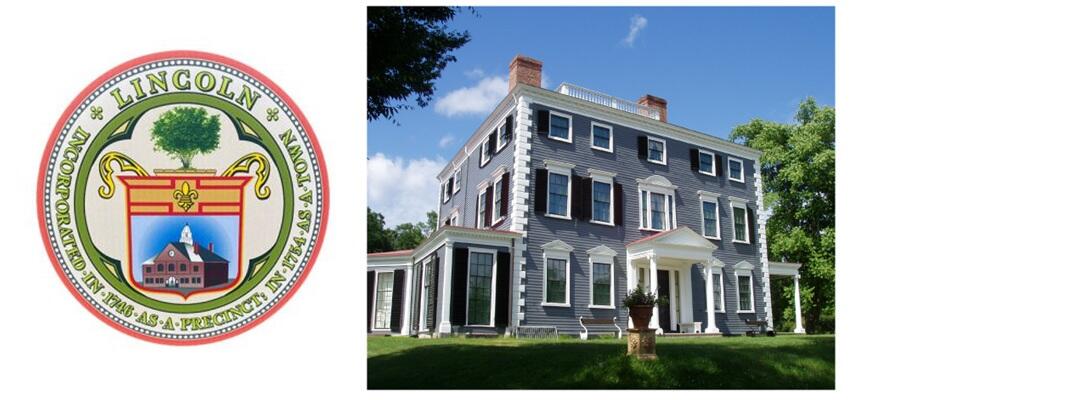
Lincoln used to be nicknamed “Niptown” because it was formed from territory taken or “nipped” from other towns.
Littleton
- County: Middlesex
- Settled: 1686
- Incorporated: 1715
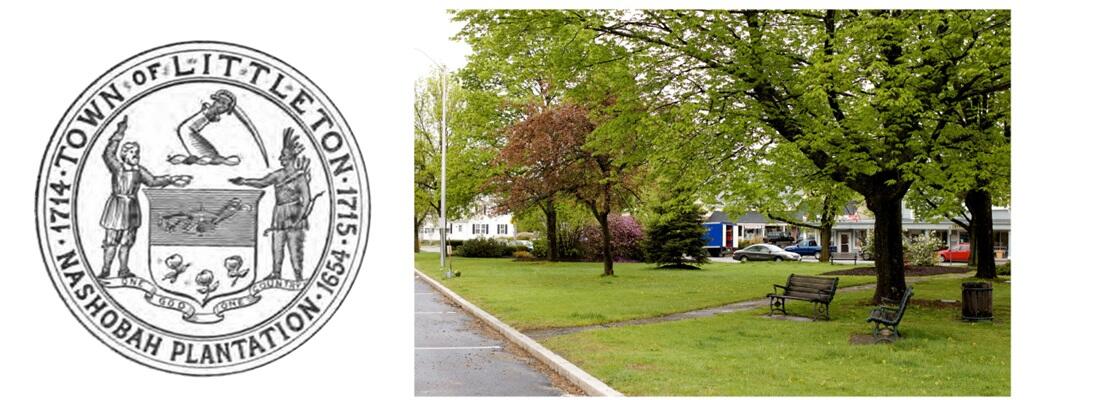
Steve Carell, famous for starring in The Office and Despicable Me, used to work as a mail carrier in Littleton.
Longmeadow
- County: Hampden
- Settled: 1644
- Incorporated: 1783
Longmeadow used to be a part of Springfield until the early 1700s, when people moved their settlements further uphill due to flooding.
Lowell
- County: Middlesex
- Settled: 1653
- Incorporated: 1826
- Became a City: 1836
In 1879, Lowell became the first city to employ the use of telephone numbers.
Ludlow
- County: Hampden
- Settled: 1751
- Incorporated: 1774
The town is sometimes referred to as “Soccer City” due to the popularity of the sport, its strong soccer history, and the success of its high school teams.
Lunenburg
- County: Worcester
- Settled: 1718
- Incorporated: 1728
Lunenburg is home to the Drawbridge Puppet Theater, which has been hosting live performances of homemade puppets since 1991.
Lynn
- County: Essex
- Settled: 1629
- Incorporated: 1629
- Became a City: 1850
In the 1900s, Lynn was the world leader in the manufacturing of shoes.
Lynnfield
- County: Essex
- Settled: 1638
- Incorporated: 1814
Lynnfield was one of the districts included in the first ever instance of gerrymandering in 1812.
Malden - Mount Washington
Malden
- County: Middlesex
- Settled: 1640
- Incorporated: 1649
- Became a City: 1882
The Converse shoe brand was started in Malden in 1908. One of Malden's finest and most notable landmarks is the public library which was designed by Henry Hobson Richardson and built in 1885.
Manchester-by-the-Sea
- County: Essex
- Settled: 1629
- Incorporated: 1645
The town is home to Singing Beach, named so because in the correct conditions the sand will make a squeaking sound as you walk through it.
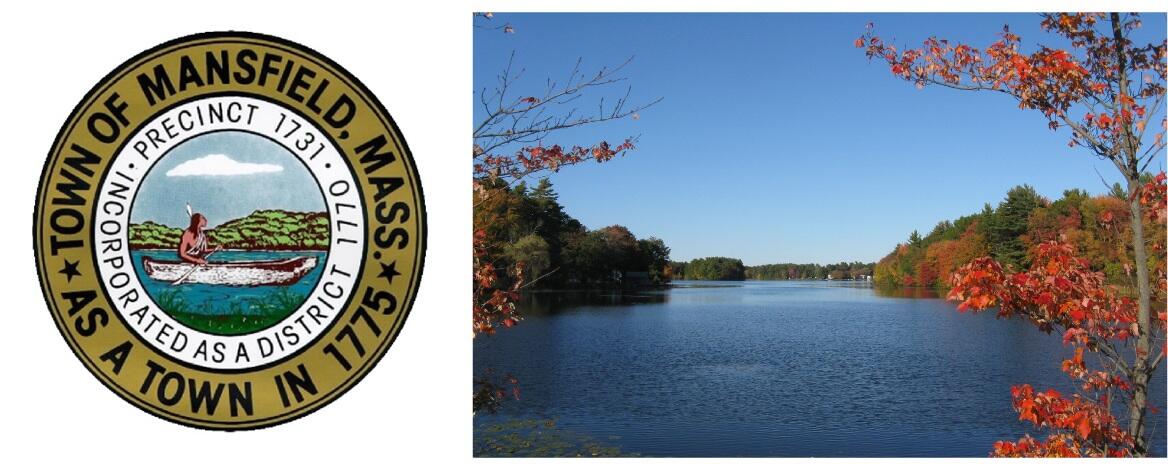
Mansfield
- County: Bristol
- Settled: 1659
- Incorporated: 1775
Mansfield is home to the Xfinity Center (formerly known as Great Woods, Tweeter Center and Comcast Center), a popular outdoor concert venue established in 1986. The first performance there was by Yo-Yo Ma and the Pittsburgh Symphony Orchestra. Mansfield is also the birthplace of Honey Dew Donuts.
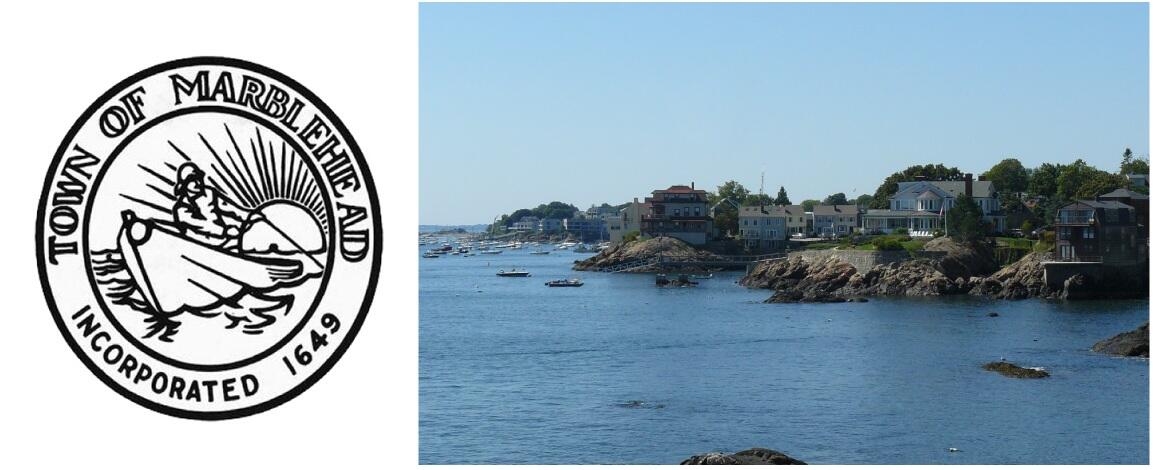
Marblehead
- County: Essex
- Settled: 1629
- Incorporated: 1649
The Marblehead Softball League, established in 1939, is the oldest adult softball league in the world.
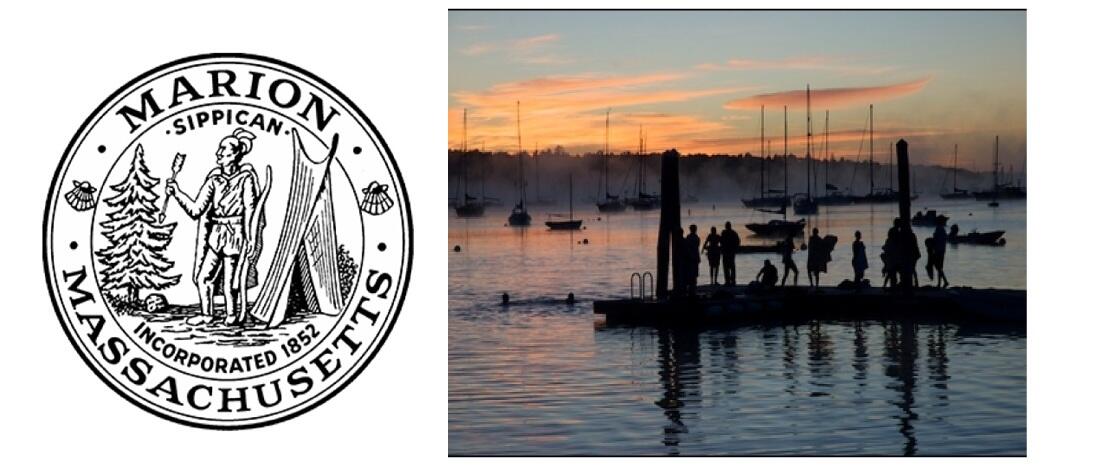
Marion
- County: Plymouth
- Settled: 1679
- Incorporated: 1852
Former president Franklin Delano Roosevelt used to spend summers in Marion and often swam in Sippican Harbor as treatment for his polio.
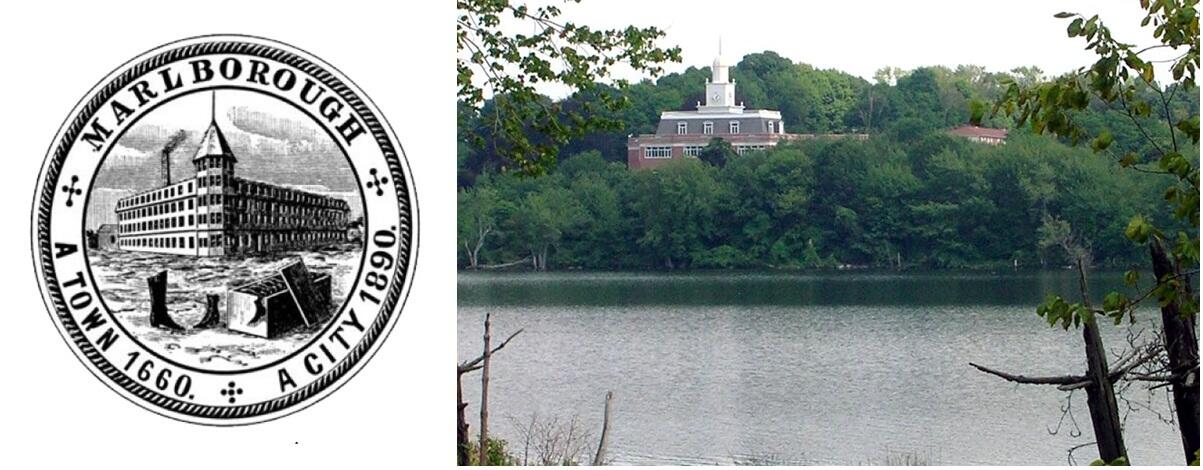
Marlborough
- County: Middlesex
- Settled: 1657
- Incorporated: 1660
- Became a City: 1890
During the Civil War, a company of Marlborough men took the bell from the firehouse in Harper’s Ferry where abolitionist John Brown was captured and brought it to Marlborough where it is still publicly displayed.
Marshfield
- County: Plymouth
- Settled: 1632
- Incorporated: 1640
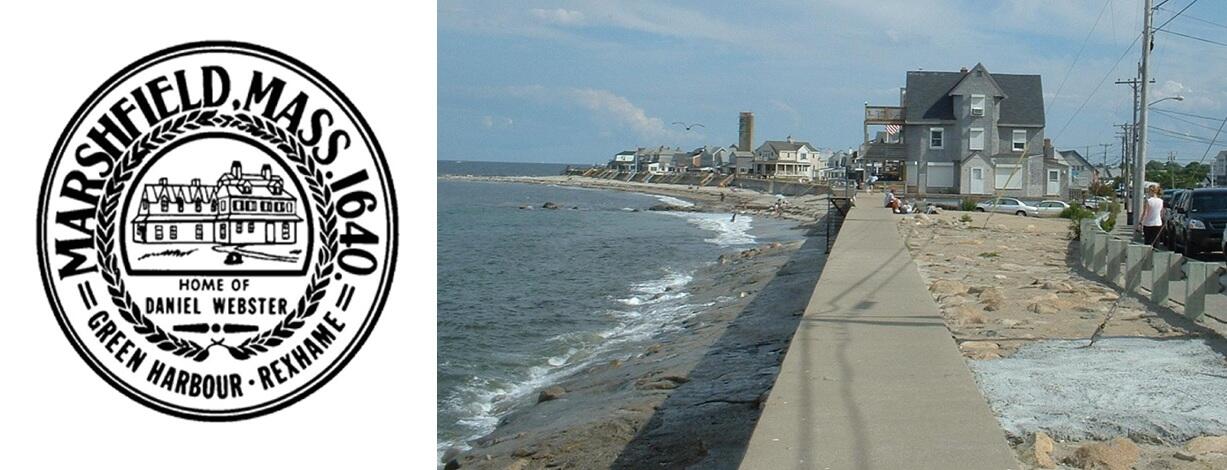
Marshfield is home to Peregrine White, the first English child born in New England.
Mashpee
- County: Barnstable
- Settled: 1660
- Incorporated: 1870
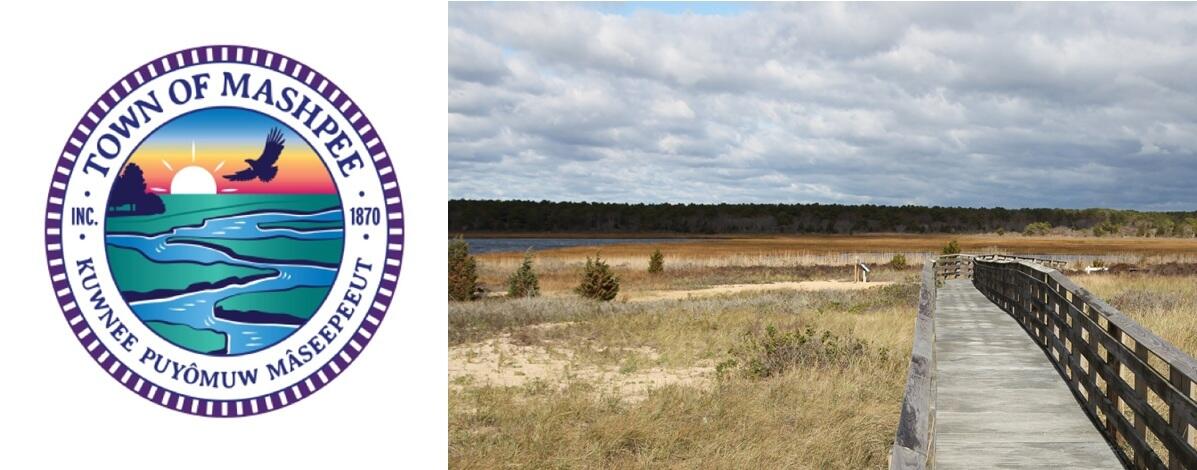
The town is the historic and contemporary home of the Mashpee Wampanoag Tribe.
Mattapoisett
- County: Plymouth
- Settled: 1750
- Incorporated: 1857
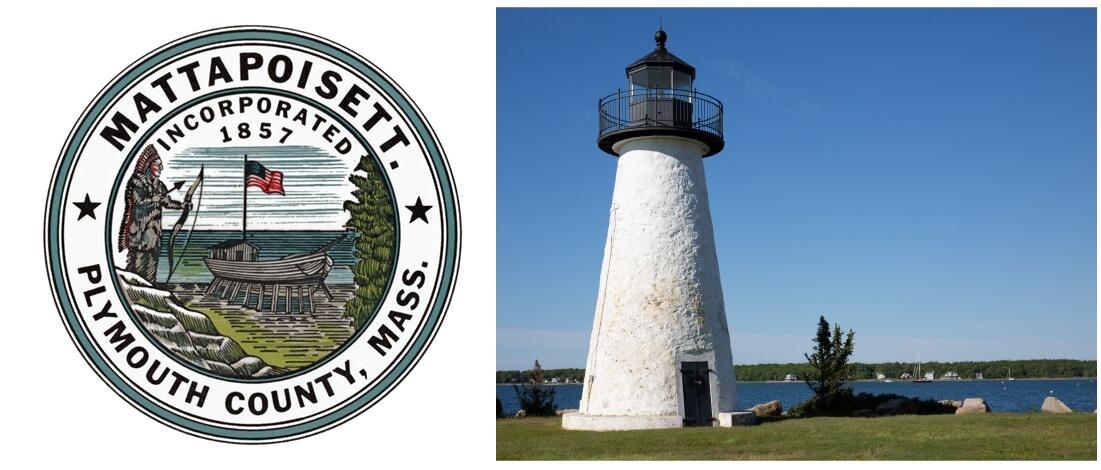
Mattapoisett is well known for its role in the history of whaling. Herman Melville, the author of Moby Dick, sailed on the whaling ship Acushnet, which was manufactured in Mattapoisett.
Maynard
- County: Middlesex
- Settled: 1638
- Incorporated: 1871
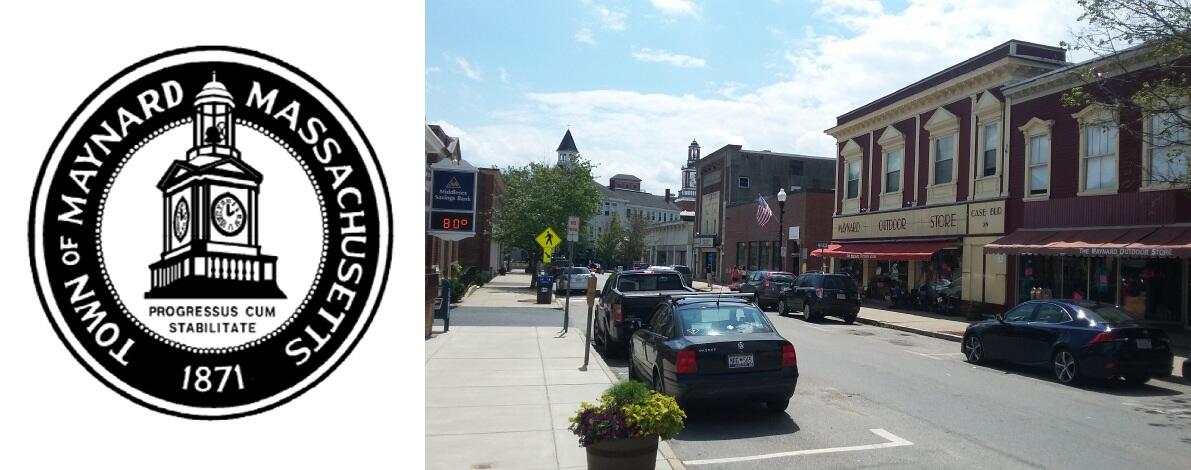
A legend says that around 1720 a group of pirates buried treasure on the property of what was then the farm of Thomas Smith in Maynard. In more recent times, Maynard was the headquarters location for Digital Equipment Corporation (DEC) from 1957 to 1998.
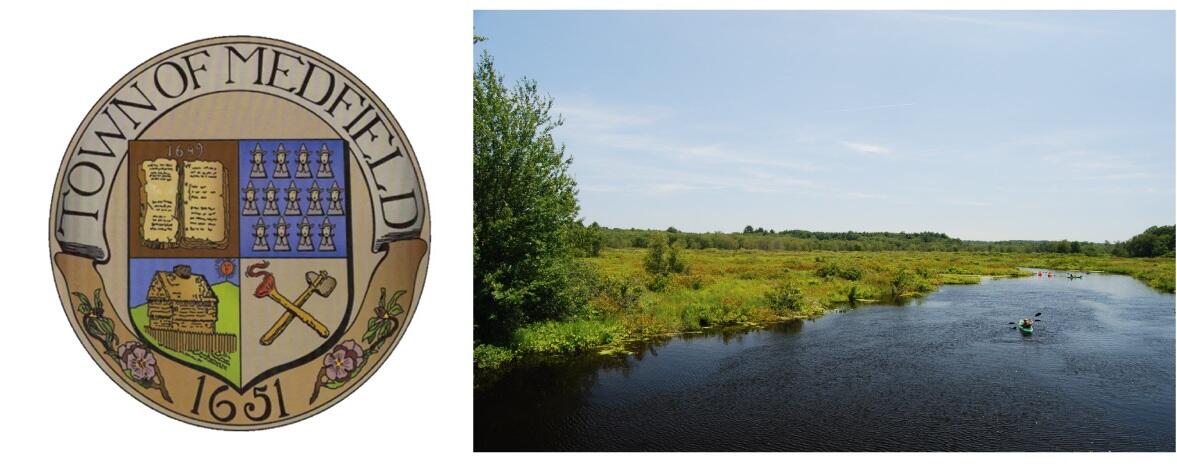
Medfield
- County: Norfolk
- Settled: 1649
- Incorporated: 1651
Though the Medfield State Hospital closed in 2003, it was the filming location for three movies and now is a cultural hub for music, art, and wellness events.
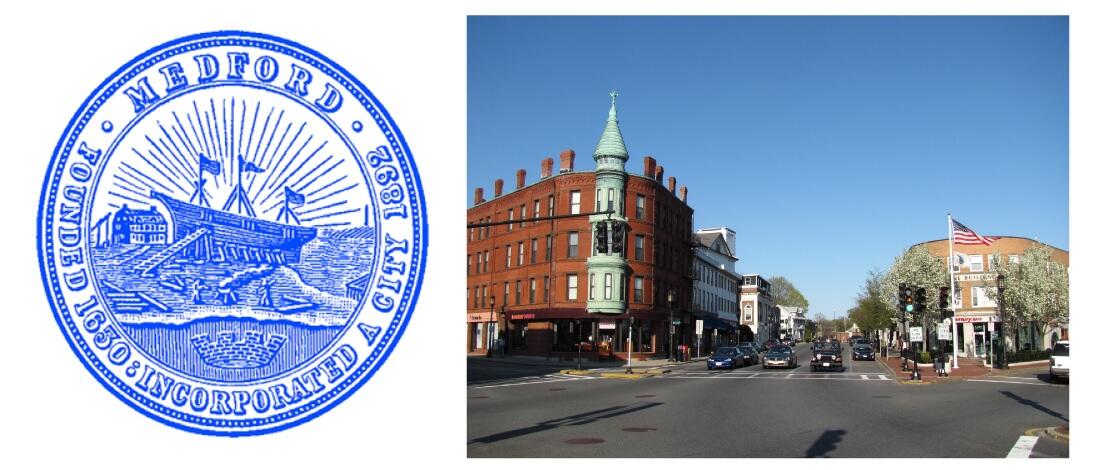
Medford
- County: Middlesex
- Settled: 1630
- Incorporated: 1630
- Became a City: 1892
The song “Jingle Bells” is believed to have been written in Medford by James Pierpont.
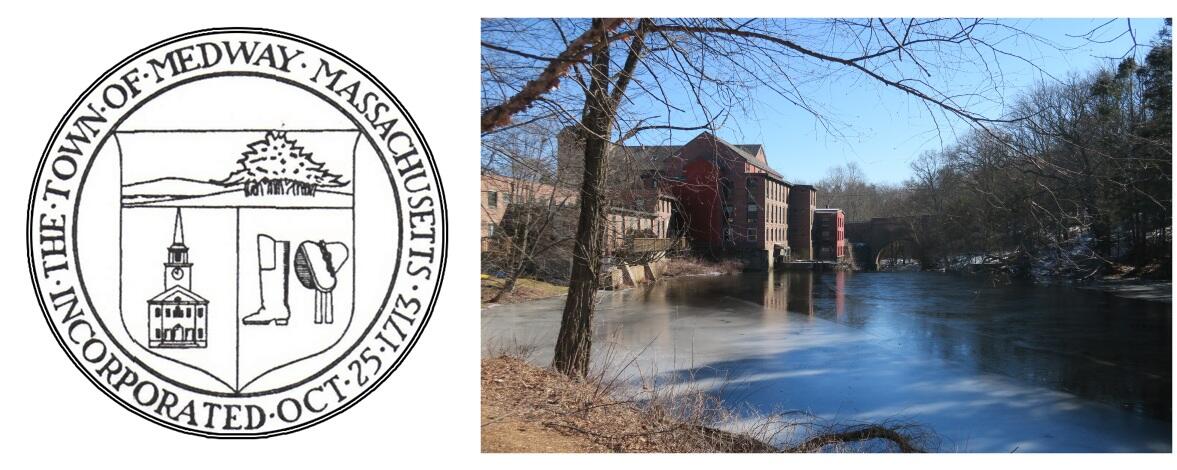
Medway
- County: Norfolk
- Settled: 1657
- Incorporated: 1713
Medway used to include the land that now makes up the town of Millis, but the two split in 1885 due to the undevelopable land known as the “Great Black Swamp” keeping the two communities separate from each other.
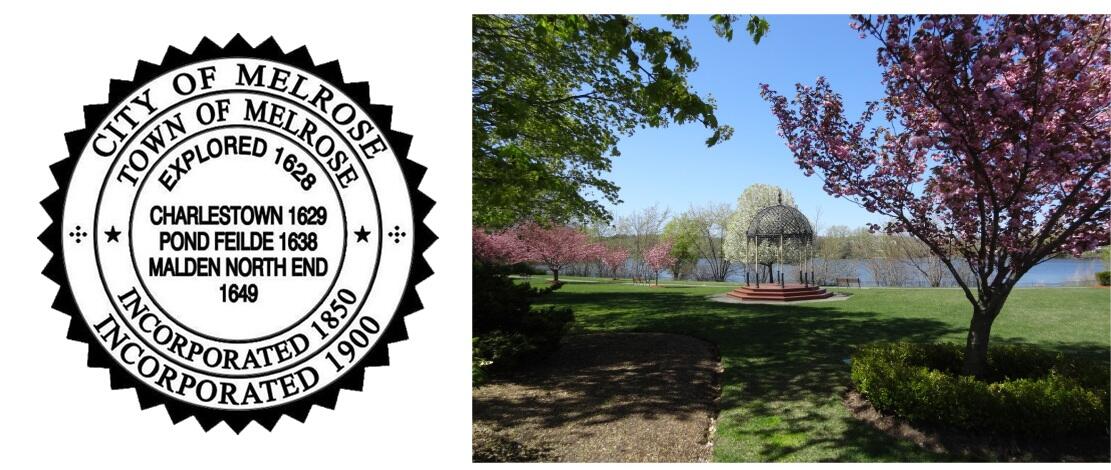
Melrose
- County: Middlesex
- Settled: 1629
- Incorporated: 1850
- Became a City: 1899
Melrose has been the filming location of multiple movies and shows, including Ben Affleck’s The Town and Tim Burton’s Beetlejuice Beetlejuice.
Mendon
- County: Worcester
- Settled: 1660
- Incorporated: 1667
Mendon is home to Southwick’s Zoo, the largest zoo in the state of Massachusetts.
Merrimac
- County: Essex
- Settled: 1638
- Incorporated: 1876
The name “Merrimac” comes from an indigenous tribe of the same name and means “swift water place.”
Methuen
- County: Essex
- Settled: 1642
- Incorporated: 1725
- Became a City: 1917
Methuen is home to “The Great Organ,” the first concert organ installed in the United States.
Middleborough
- County: Plymouth
- Settled: 1660
- Incorporated: 1669
In 2012, Middleborough outlawed the use of profanity in public, but the Massachusetts attorney general at the time blocked enforcement of the ban.
Middlefield
- County: Hampshire
- Settled: 1780
- Incorporated: 1783
Martha Stewart used to live in Middlefield and she started her first chicken farm there.
Middleton
- County: Essex
- Settled: 1659
- Incorporated: 1728
Middleton’s name comes from its position halfway between Salem and Andover, two important early settlements of Massachusetts.
Milford
- County: Worcester
- Settled: 1662
- Incorporated: 1780
The facade of the Boston Public Library is made of granite quarried from Milford.
Millbury
- County: Worcester
- Settled: 1716
- Incorporated: 1813
Millbury is home to one of the United States’ first labor movement newspapers, The Plebeian and Millbury Workingmen's Advocate, first printed in 1831.
Millis
- County: Norfolk
- Settled: 1657
- Incorporated: 1885
Sand excavated from Millis was used to fill in a runway at Logan International Airport.
Millville
- County: Worcester
- Settled: 1662
- Incorporated: 1916
Millville is home to one of the most well-preserved locks from the Blackstone Canal, which operated from 1828 to 1848.
Milton
- County: Norfolk
- Settled: 1640
- Incorporated: 1662
Former president George H. W. Bush was born in Milton in 1924.
Monroe
- County: Franklin
- Settled: 1800
- Incorporated: 1822
The town was named for President James Monroe, who was in office at the time of incorporation. Monroe is the smallest town by population in mainland Massachusetts with a population of 118 as of the 2020 census.
Monson
- County: Hampden
- Settled: 1715
- Incorporated: 1775
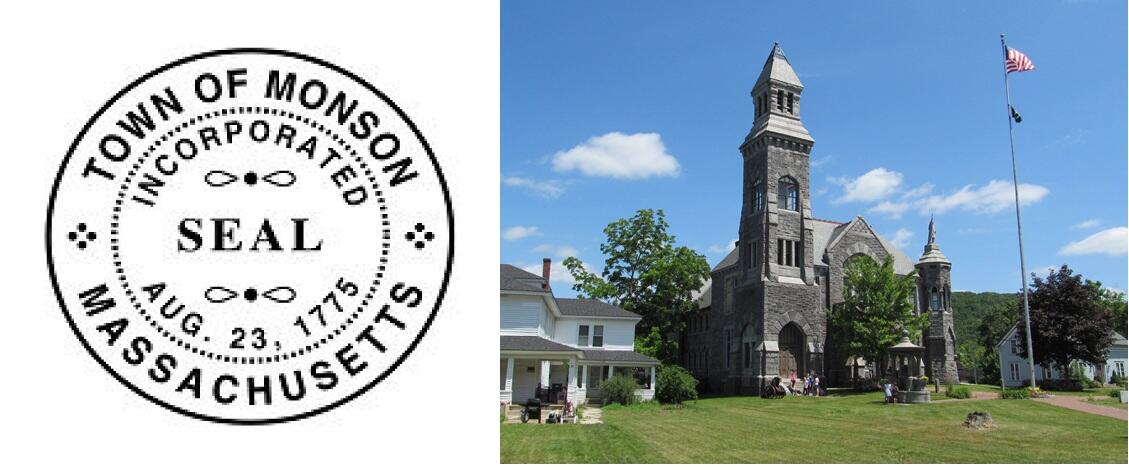
Since before the town officially became known as Monson, it was a prime manufacturing location with an abundance of mills and factories. It was also home to a large granite quarry that supplied building materials throughout the northeast. All of Monson’s granite buildings to this day are made from the local granite.
Montague
- County: Franklin
- Settled: 1715
- Incorporated: 1754
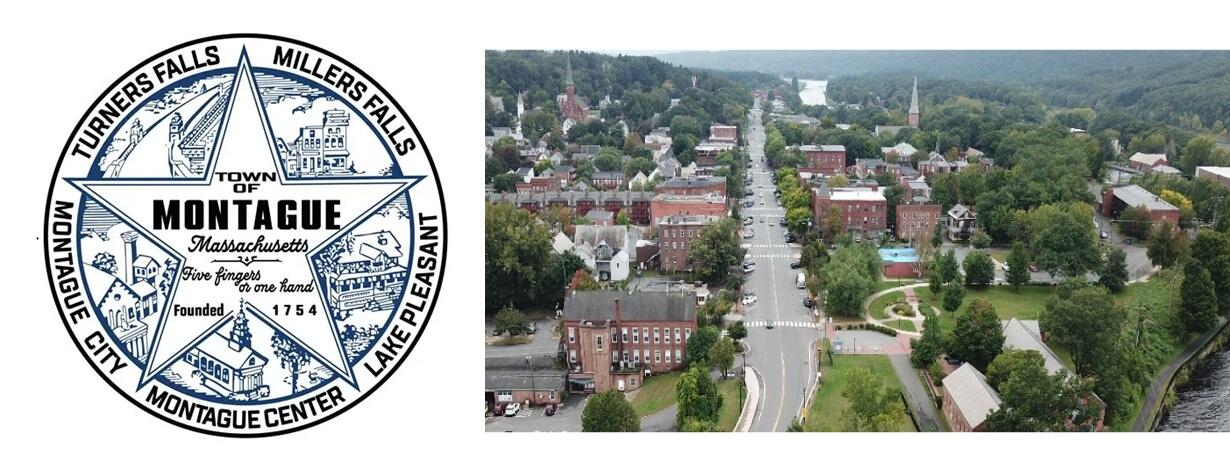
Montague is comprised of five distinct villages: Turners Falls, Montague City, Miller’s Falls, Lake Pleasant, and Montague Center. Rare for a town of its size, Montague has three active National Register Historic Districts.
Monterey
- County: Berkshire
- Settled: 1739
- Incorporated: 1847
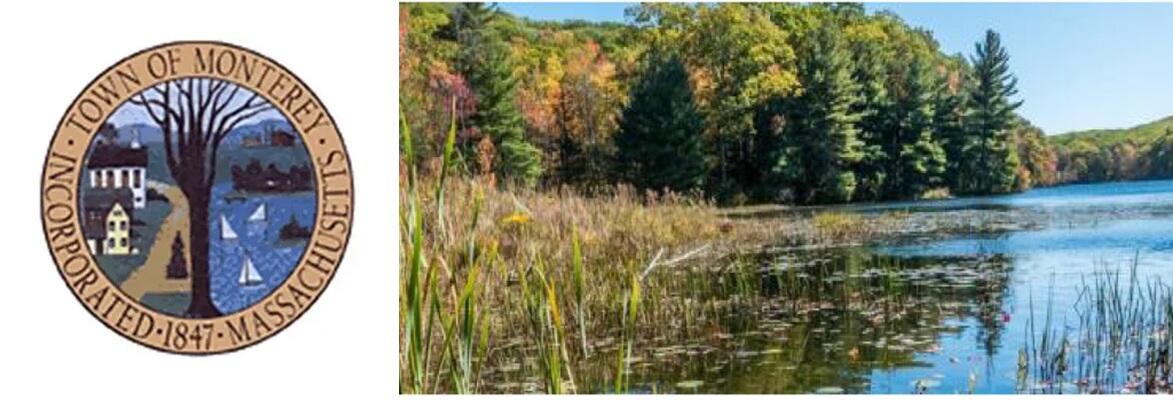
Monterey is home to Beartown State Forest which offers great hiking, mountain biking, and cross-country skiing.
Montgomery
- County: Hampden
- Settled: 1767
- Incorporated: 1780
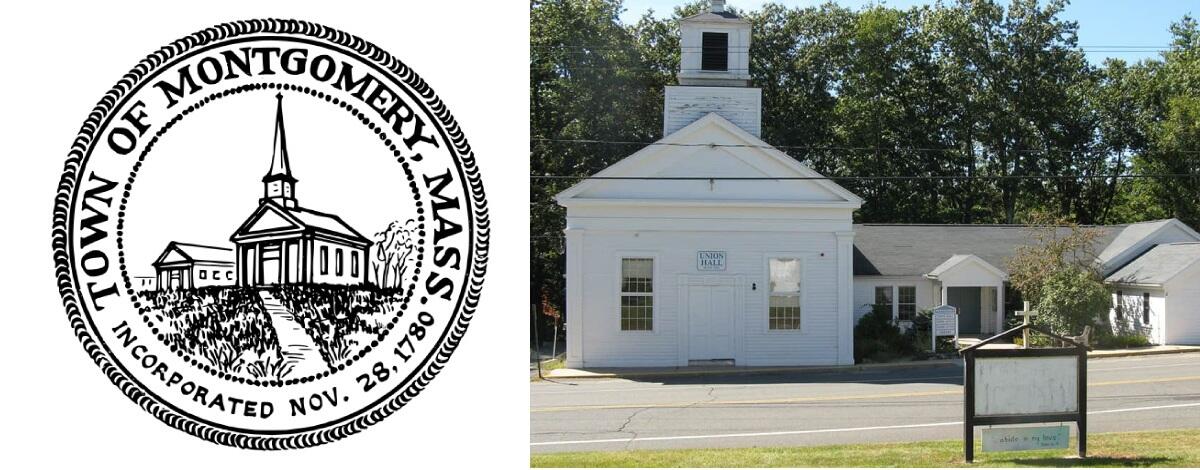
Montgomery is bordered by the Lizzie Mountain to its northeast, as well as the Tekoa and Shatterack Mountains to its south and west.
Mount Washington
- County: Berkshire
- Settled: 1692
- Incorporated: 1779
While not located on that Mount Washington, the town is still known for its Mount Washington State Forest which offers remarkable hiking, views, and a variety of outdoor activities, hence its nickname "The Town Among the Clouds."
Nahant - Norwood
Nahant
- County: Essex
- Settled: 1630
- Incorporated: 1853
Nahant is the smallest municipality by population in Essex County. In its early days, Nahant was used as a grazing area for cattle, sheep, and goats owned by residents of Lynn. Today, it is known for its beautiful beaches and ocean views.
Nantucket
- County: Nantucket
- Settled: 1641
- Incorporated: 1671
Nantucket is the only town in Massachusetts to have a combined town and county government. From the late eighteenth to mid nineteenth century, Nantucket was a global whaling capital and is still a great spot for whale sightings to this day. Today, it is a popular tourist destination known for its gorgeous beaches and well-preserved historic seaport feel. It also has no streetlights on the entire island!
Natick
- County: Middlesex
- Settled: 1651
- Incorporated: 1781
Natick is home to the Mass Audubon Society’s Broadmoor Wildlife Sanctuary which has many beautiful walking trails and hosts a variety of community programs.
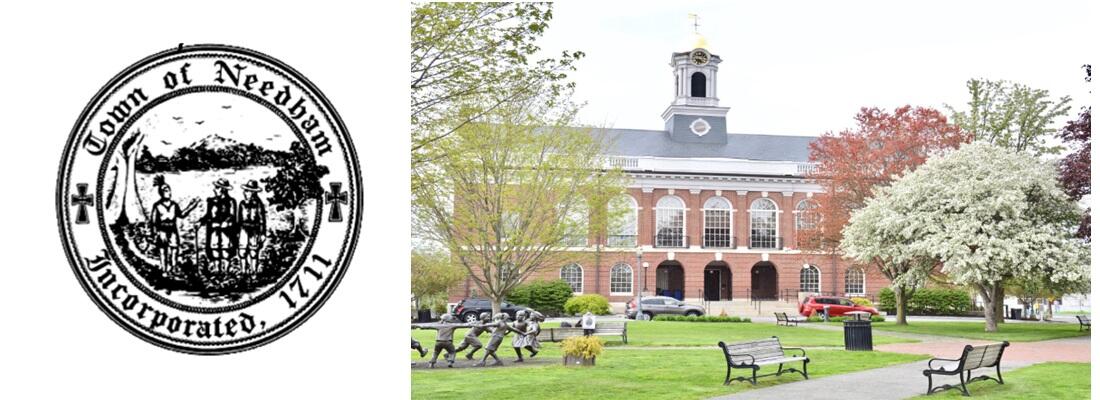
Needham
- County: Norfolk
- Settled: 1680
- Incorporated: 1711
In 1865, William Carter established a knitting mill company in Needham Heights that would eventually become a major manufacturer and leading brand of children's apparel in the United States: Carter's.
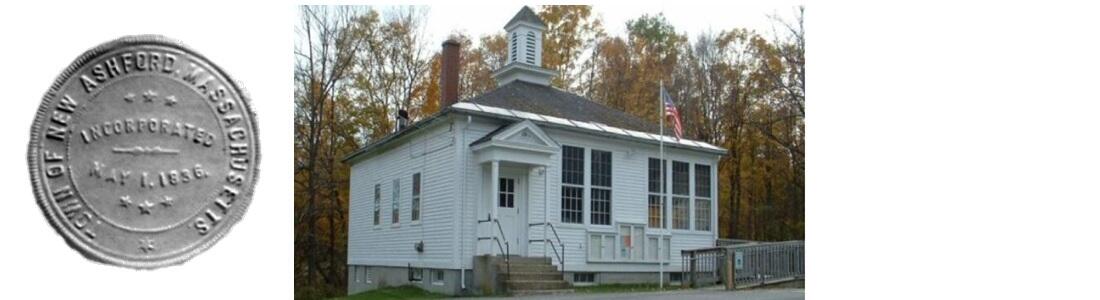
New Ashford
- County: Berkshire
- Settled: 1762
- Incorporated: 1835
From 1916-1932, New Ashford was the first town in the country to cast their presidential ballots. As a result, on November 2, 1920, Phoebe Jordan became the first woman to cast her vote in a presidential election in New Ashford.
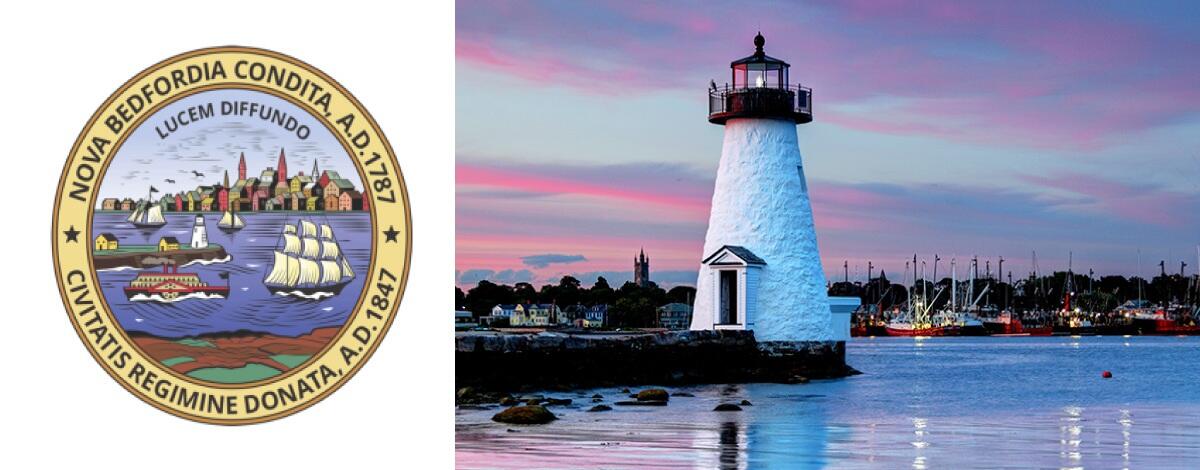
New Bedford
- County: Bristol
- Settled: 1652
- Incorporated: 1787
- Became a City: 1847
New Bedford is known for its rich history as a whaling hub and is home to the Whaling National Historical Park and the New Bedford Whaling Museum.
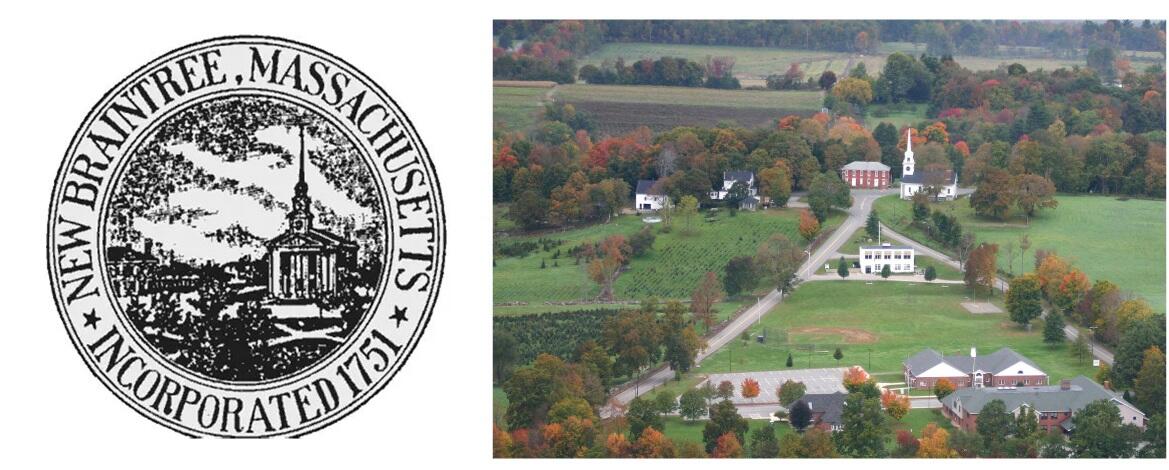
New Braintree
- County: Worcester
- Settled: 1709
- Incorporated: 1775
In its early years, New Braintree was known for its dairy farms, bountiful harvest, and beef production. By the nineteenth century, the town produced and shipped over 200,000 pounds of cheese to the surrounding area annually.
New Marlborough
- County: Berkshire
- Settled: 1738
- Incorporated: 1759
New Marlborough is home to the beautiful Dry Hills Reservation, known for its hiking and wildlife.
New Salem
- County: Franklin
- Settled: 1737
- Incorporated: 1753
New Salem is home to the New Salem Museum and Academy of Fine Art, which is the first museum in the country dedicated to contemporary realist art.
Newbury
- County: Essex
- Settled: 1635
- Incorporated: 1635
Newbury is divided into three villages, Old Town, Byfield, and Plum Island which all operate independently but share town resources. Newbury is home to the oldest boarding school in America, Governor’s Academy, which was founded in 1763.
Newburyport
- County: Essex
- Settled: 1635
- Incorporated: 1764
- Became a City: 1851
Newburyport is known for its maritime history and is home to the Joppa Flats salt marshes and wildlife sanctuary.
Newton
- County: Middlesex
- Settled: 1630
- Incorporated: 1681
- Became a City: 1874
Located just seven miles from downtown Boston, Newton remains one of the most desirable places to live in the Commonwealth. Known for its educational institutions, Newton is home to Boston College, Lasell University, William James College, and UMass Amherst’s Mount Ida campus.
Norfolk
- County: Norfolk
- Settled: 1695
- Incorporated: 1870
Norfolk is home to the Stony Brook Wildlife Sanctuary which is a favorite of the Massachusetts Audubon Society.
North Adams
- County: Berkshire
- Settled: 1745
- Incorporated: 1878
- Became a City: 1895
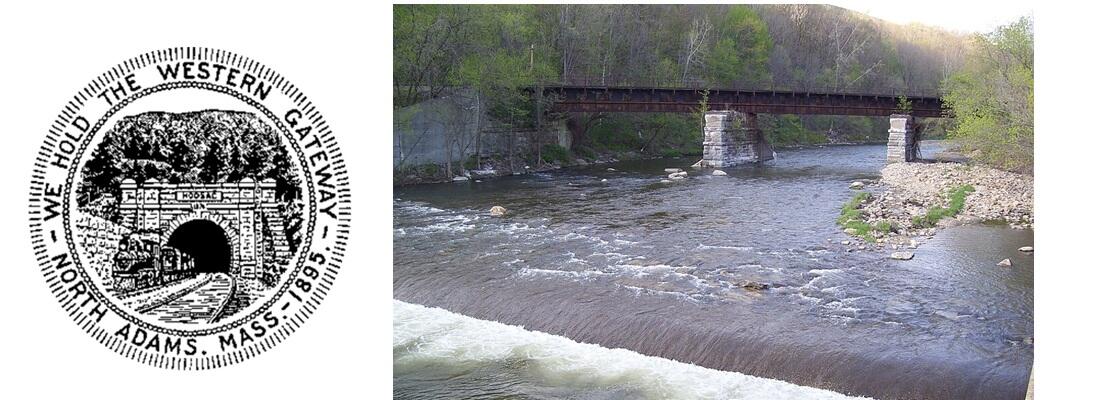
North Adams is home to the largest contemporary art museum in the United States, the Massachusetts Museum of Contemporary Art. North Adams was also the headquarters for building the Hoosac Tunnel starting in 1851 and completed in 1874, adding an east–west connection to Boston and Albany.
North Andover
- County: Essex
- Settled: 1634
- Incorporated: 1646 (as part of Andover); 1855 (as North Andover)
Barker's Farm, which started in 1643, is the oldest continually operated business in Massachusetts and among the oldest in the United States. Each May, North Andover hosts an annual sheep shearing festival.
North Attleborough
- County: Bristol
- Settled: 1669
- Incorporated: 1887
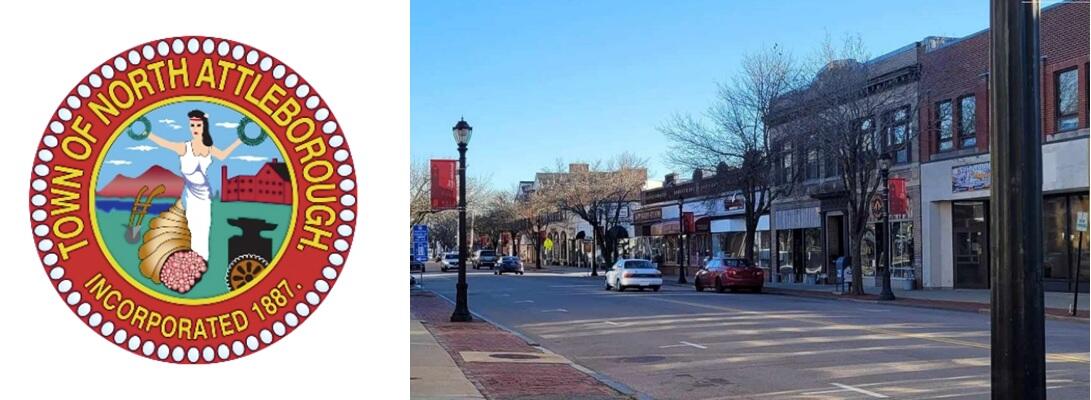
North Attleborough's largest park, World War I Memorial Park, is located in the northern part of city and contains the highest point in Bristol County: Sunrise Hill (Watery Hill) at 390 feet above sea level.
North Brookfield
- County: Worcester
- Settled: 1664
- Incorporated: 1812
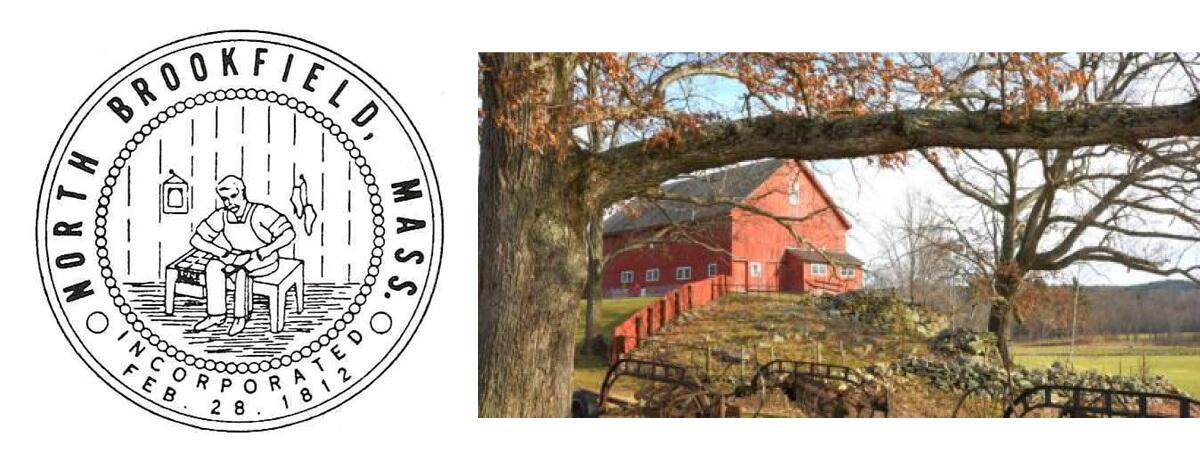
In the 1890s, Theodore Bates gifted the town the Bates Observatory, where locals say you can see all the way to Boston on a clear day.
North Reading
- County: Middlesex
- Settled: 1651
- Incorporated: 1853
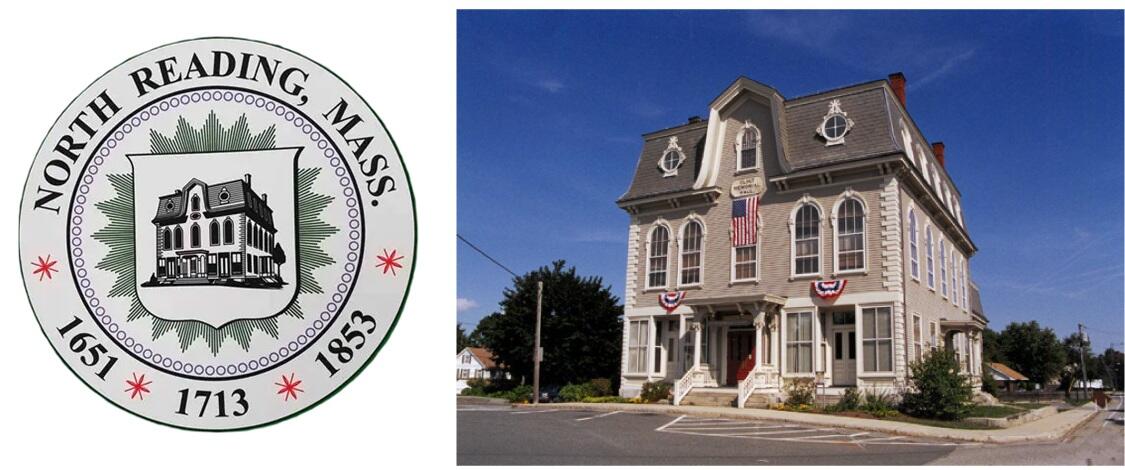
North Reading is home to the Reverend Daniel Putnam House, a historic late First Period colonial house in North Reading, Massachusetts that was built in 1720 that serves as the headquarters of the North Reading Historical and Antiquarian Society.
Northampton
- County: Hampshire
- Settled: 1654
- Incorporated: 1656
- Became a City: 1883
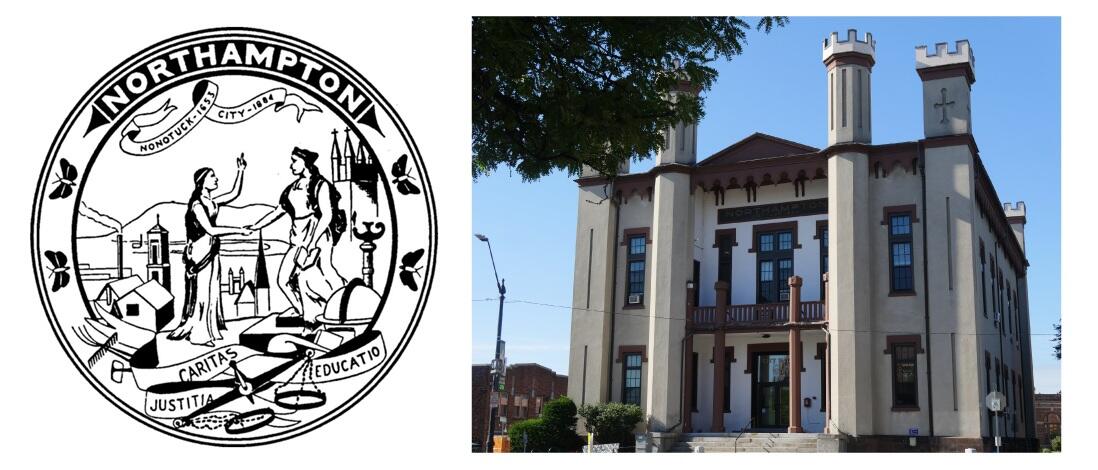
Home to Smith College, Northampton embraces its college-town atmosphere and boasts a vibrant and up and coming arts and music scene.
Northborough
- County: Worcester
- Settled: 1672
- Incorporated: 1766
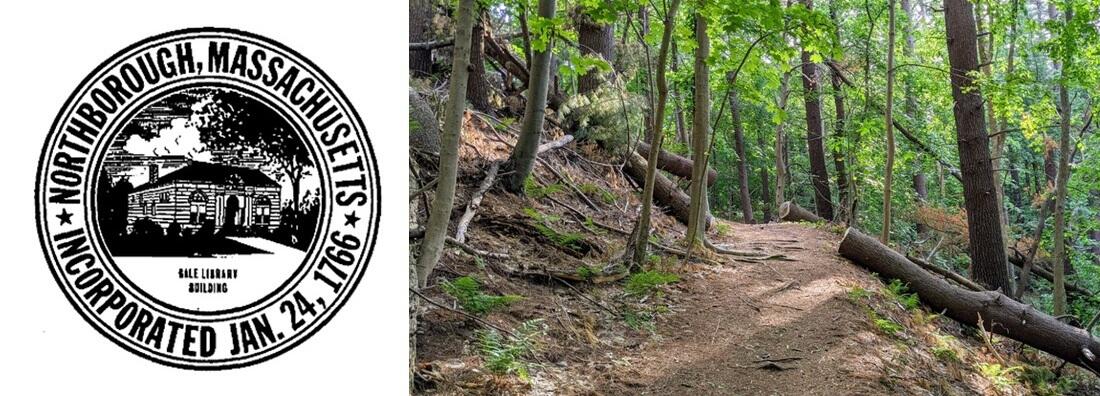
Northborough is home to many scenic walking trails including the Boroughs Loop Trail and the Old Farm Trail.
Northbridge
- County: Worcester
- Settled: 1704
- Incorporated: 1772
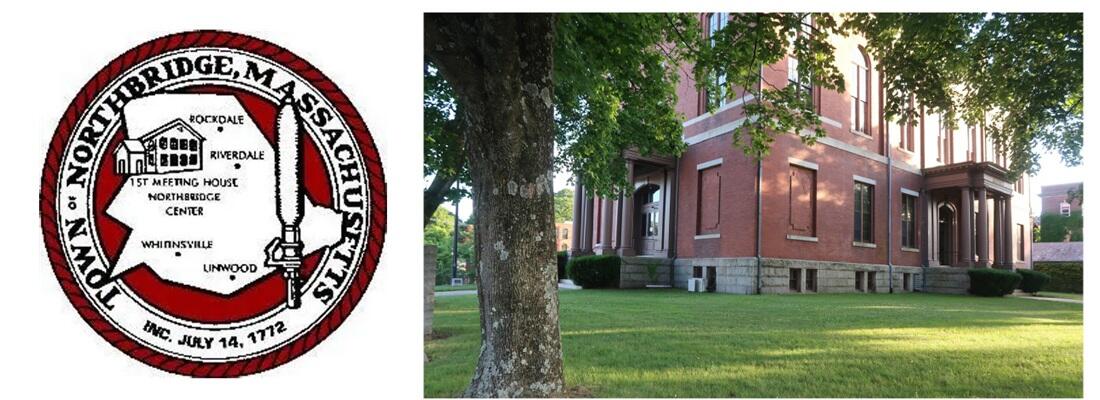
Three rivers run through the town: the Blackstone River, the West River, and the Mumford River.
Northfield
- County: Franklin
- Settled: 1673
- Incorporated: 1723
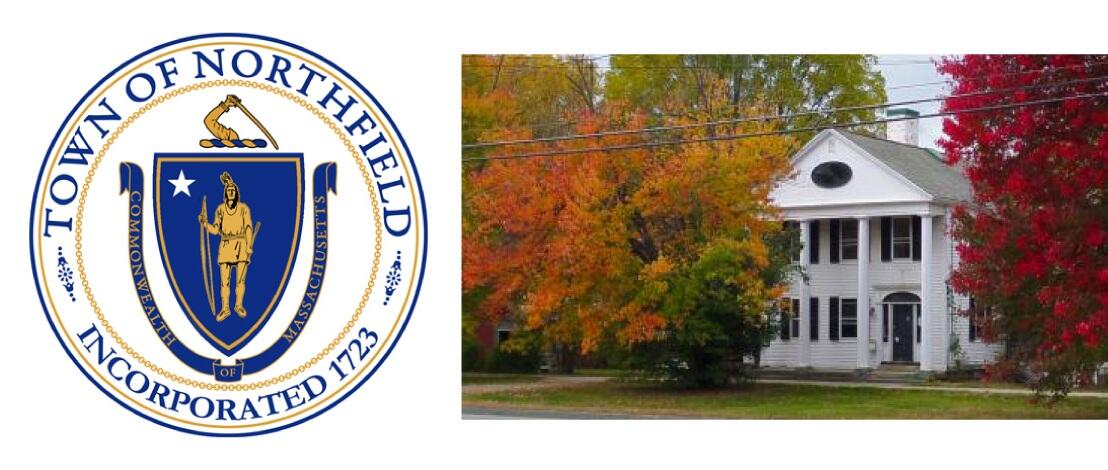
Northfield is the only town in Massachusetts that spans across both sides of the Connecticut River.
Norton
- County: Bristol
- Settled: 1669
- Incorporated: 1711
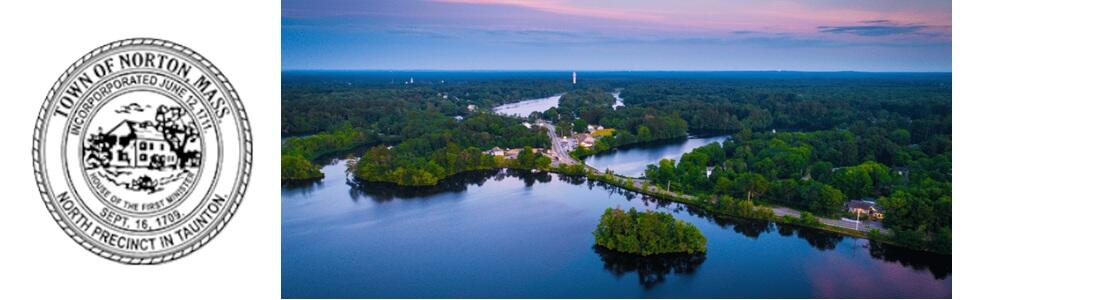
According to local legend, Metacomet, the Wampanoag Indian sachem also known as "King Phillip", used to camp at a cave made by huge glacial rocks resting on top of each other, just north-east of Lake Winnecunnet and is popularly known as "King Phillip's Cave."
Norwell
- County: Plymouth
- Settled: 1634
- Incorporated: 1849 (as South Scituate); 1888 (name changed to Norwood)
Norwell is home to the Jacobs Farmhouse and Jacobs Pond Conservation Area which hosts a multitude of walking trails and is a popular spot for kayaking and canoeing.
Norwood
- County: Norfolk
- Settled: 1678
- Incorporated: 1872
In 1955, United Fruit Company purchased the Forbes estate in Norwood from Harvard University and soon constructed one of the largest banana research facilities in the Americas. It was at its Norwood facility that United Fruit Company designed and later patented freeze-dried fruits, vegetables, and seafood.
Oak Bluffs - Oxford
Oak Bluffs
- County: Dukes
- Settled: 1642
- Incorporated: 1880 (as Cottage City); 1907 (name change to Oak Bluffs)
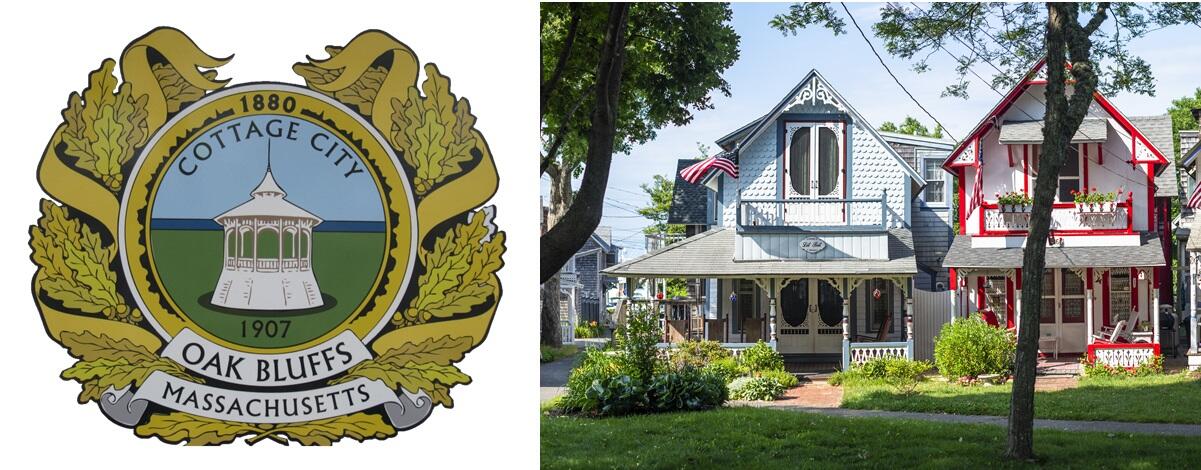
Oak Bluffs was the only one of the six towns on Martha's Vineyard that was a planned community and developed specifically for tourism and is famous for its "gingerbread cottages."
Oakham
- County: Worcester
- Settled: 1749
- Incorporated: 1775
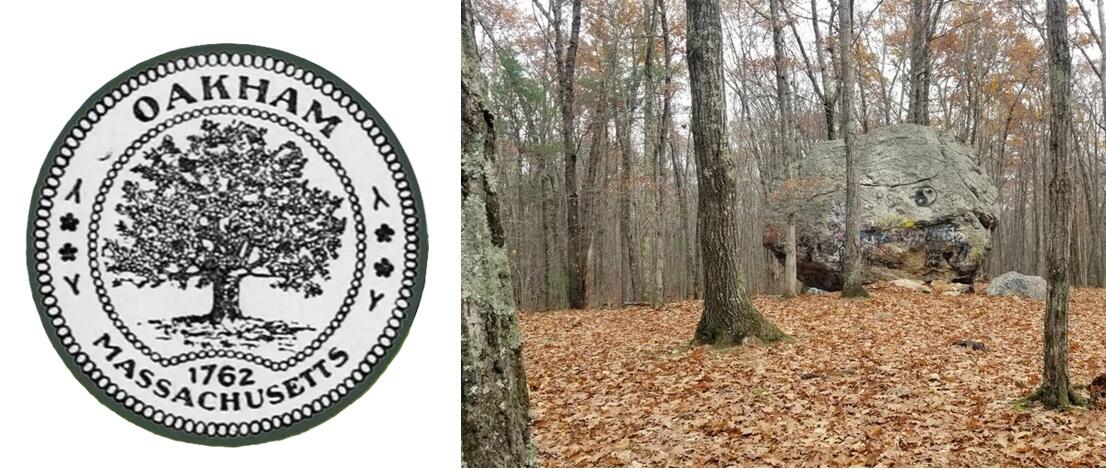
Oakham is home to the massive boulder named "Sampson's Pebble," a glacial erratic that stands alone atop a hill in the Oakham State Forest.
Orange
- County: Franklin
- Settled: 1746
- Incorporated: 1810
Orange calls itself "the friendly town" and is home to the official peace statue of the Commonwealth of Massachusetts: It Shall Not Be Again!, a bronze war memorial statue erected in 1934 to recognize veterans who served in World War I.
Orleans
- County: Barnstable
- Settled: 1693
- Incorporated: 1797
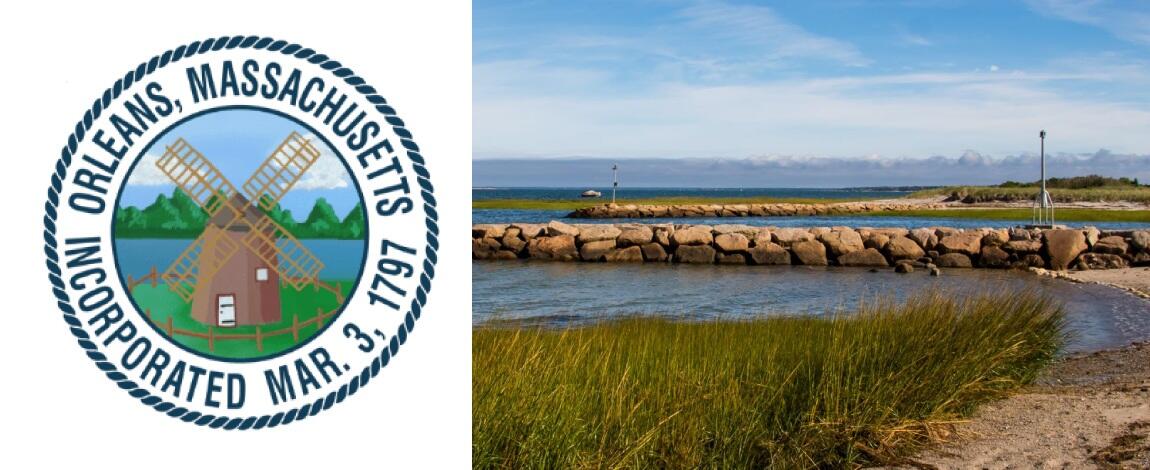
Orleans is home to several beautiful beaches including Nauset, which is one of the most popular beaches on Cape Cod.
Otis
- County: Berkshire
- Settled: 1735
- Incorporated: 1810
Located in the Berkshire Mountains, Otis is known for its skiing and is home to the popular ski destination Otis Ridge.
Oxford
- County: Worcester
- Settled: 1687
- Incorporated: 1713
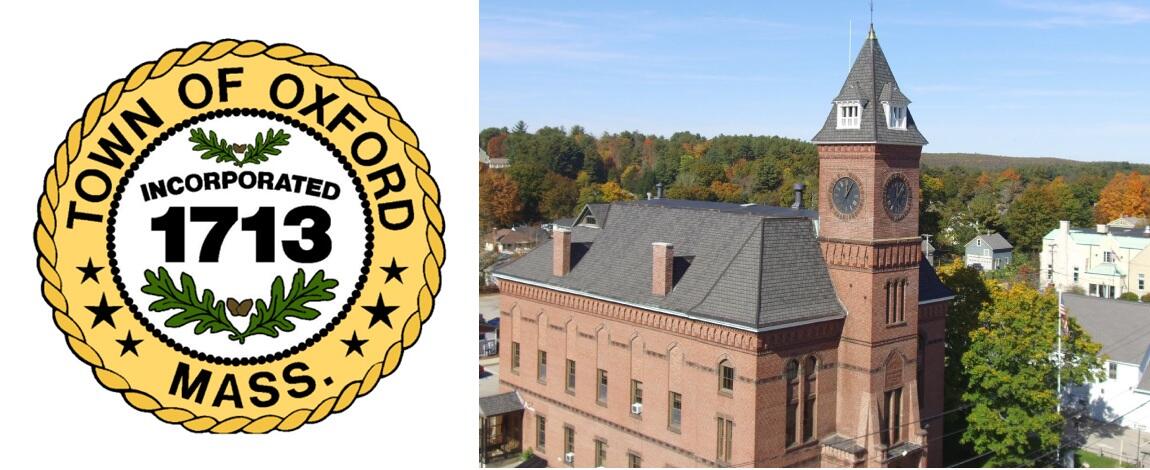
Oxford is the birthplace of the founder of the American Red Cross, Clara Barton.
Palmer - Quincy
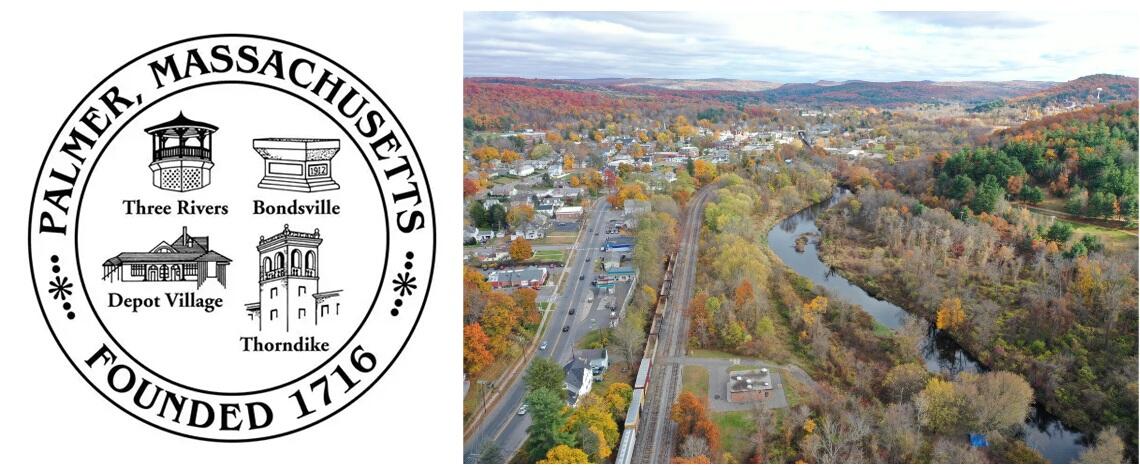
Palmer
- County: Hampden
- Settled: 1727
- Incorporated: 1775
The Midura Family Conservation Area, located in Palmer, is a popular local spot for hiking.
Paxton
- County: Worcester
- Settled: 1749
- Incorporated: 1765
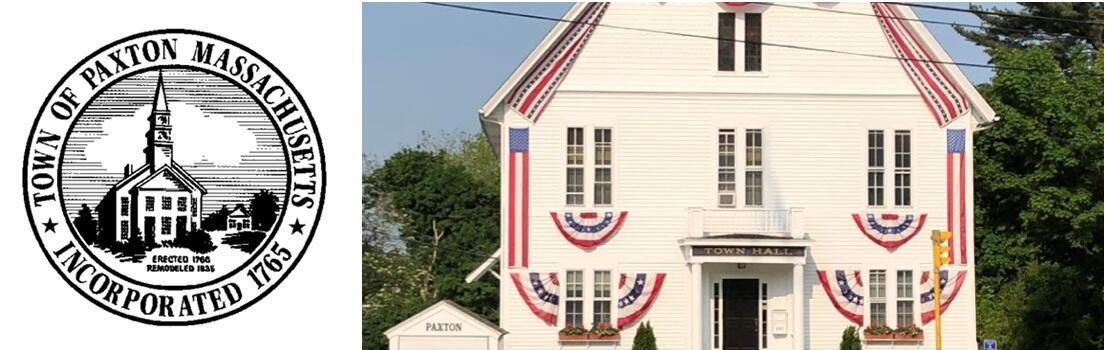
Paxton is home to the Moore State Park, which was the location of several grist and sawmills throughout the 18th and 20th centuries. Now, it is known for its waterfalls and nature walks.
Peabody
- County: Essex
- Settled: 1626
- Incorporated: 1855 (as South Danvers); 1868 (name change to Peabody)
- Became a City: 1916
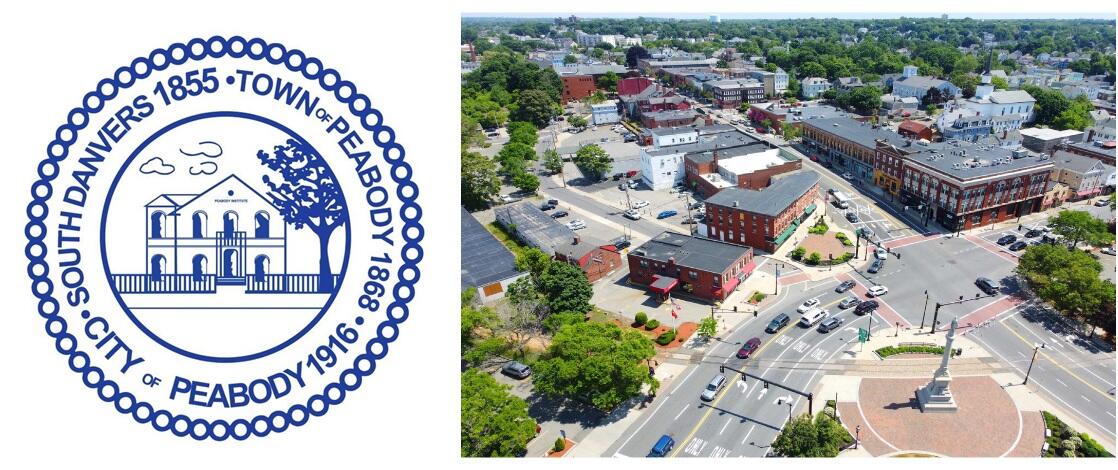
Peabody began as a farming community but soon became a major center of New England's leather industry well into the second half of the twentieth century.
Pelham
- County: Hampshire
- Settled: 1738
- Incorporated: 1743
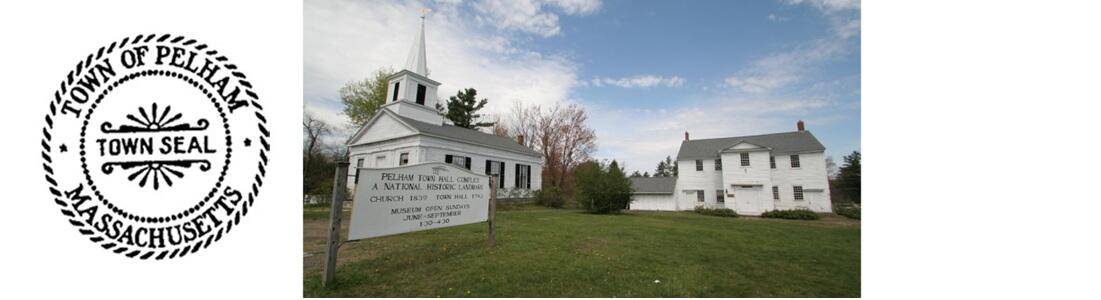
Pelham has the oldest town hall in continuous use in the United States.
Pembroke
- County: Plymouth
- Settled: 1650
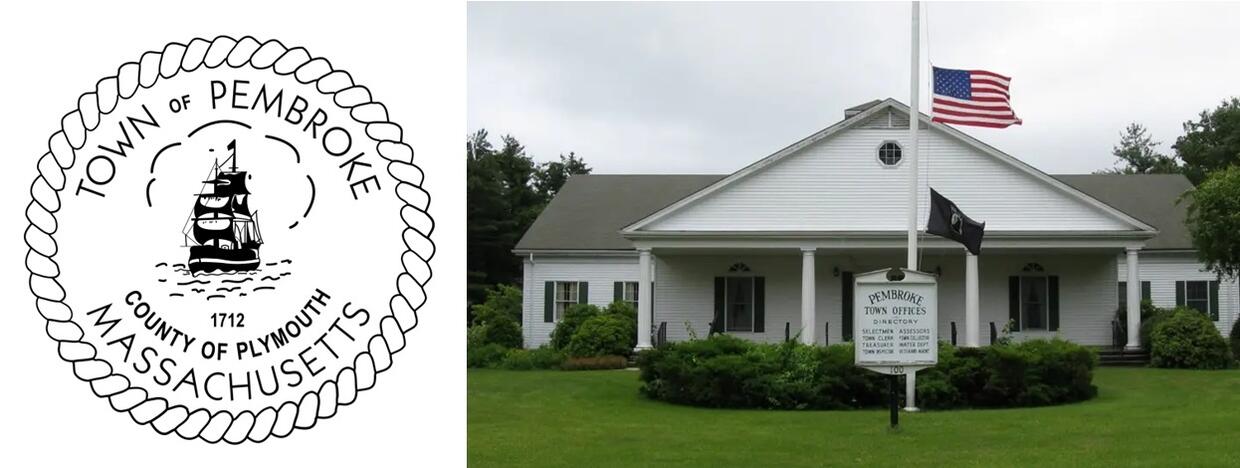
- Incorporated: 1712
Pembroke has an annual “Grand ‘Ol Fish Fry” which celebrates the historical importance of the herring.
Pepperell
- County: Middlesex
- Settled: 1720
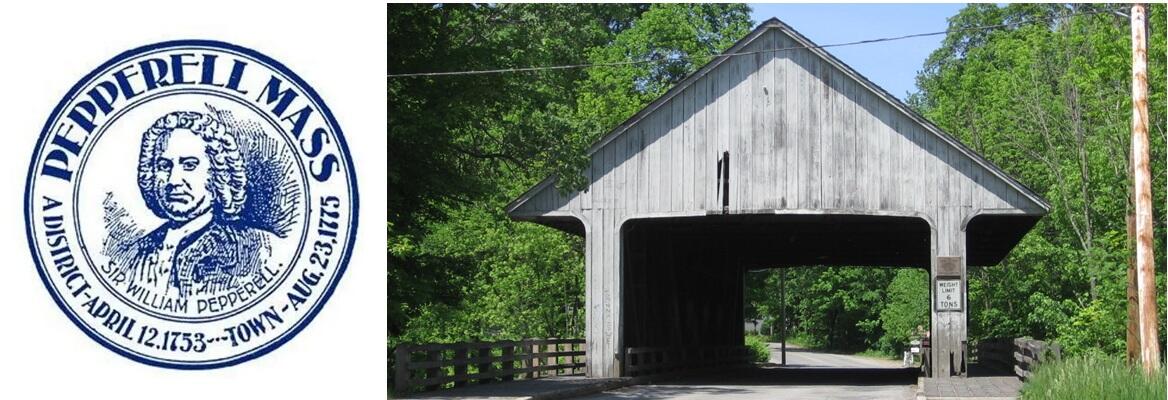
- Incorporated: 1775
On August 29, 1774, Pepperell residents raised a "liberty pole" to defy Crown rule. The pole flew the first "Liberty Flag" in the area.
Peru
- County: Berkshire
- Settled: 1767
- Incorporated: 1771
The town was originally incorporated as Partridgefield in 1771. The name was changed to Peru in 1806 at the suggestion of the Rev. John Leland, who said it was similar to South America’s own mountainous Peru.

Petersham
- County: Worcester
- Settled: 1733
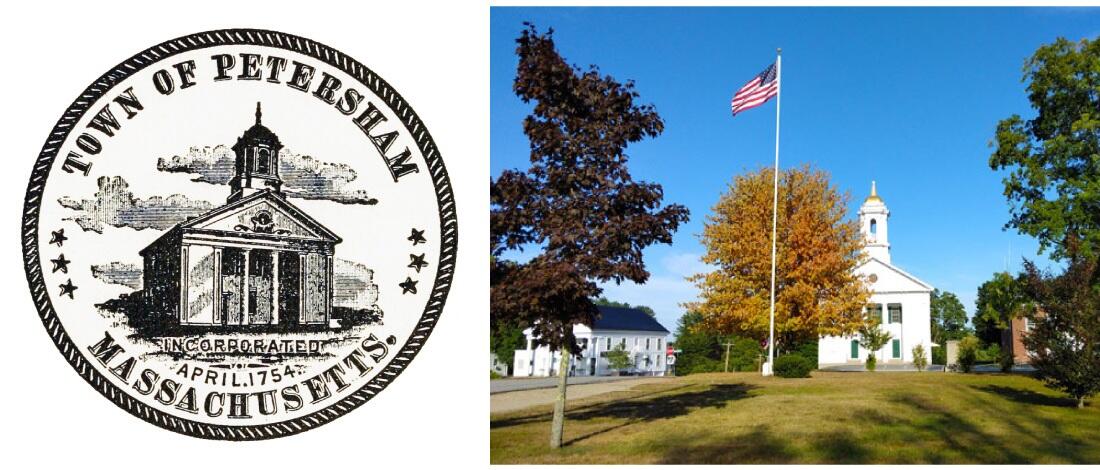
- Incorporated: 1754
Petersham is home to part of the Quabbin Reservoir and also includes the town of Dana’s former town common, which was flooded to build the Quabbin Reservoir.
Phillipston
- County: Worcester
- Settled: 1751
- Incorporated: 1786
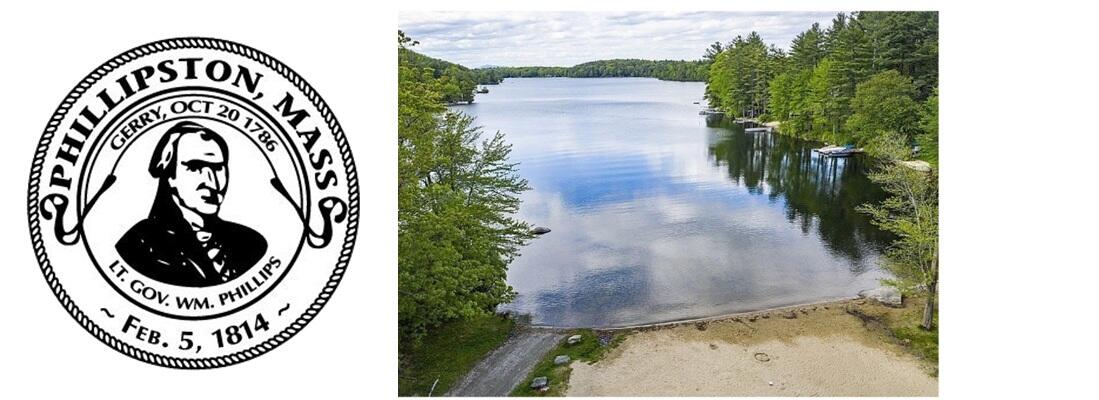
The town’s library was established in 1860 with a gift of $5000 from Jonathan Phillips of Boston, nephew of Lieutenant Governor Phillips, for whom the town was named. The interest from Phillips’ gift would then be used to purchase books for the library.
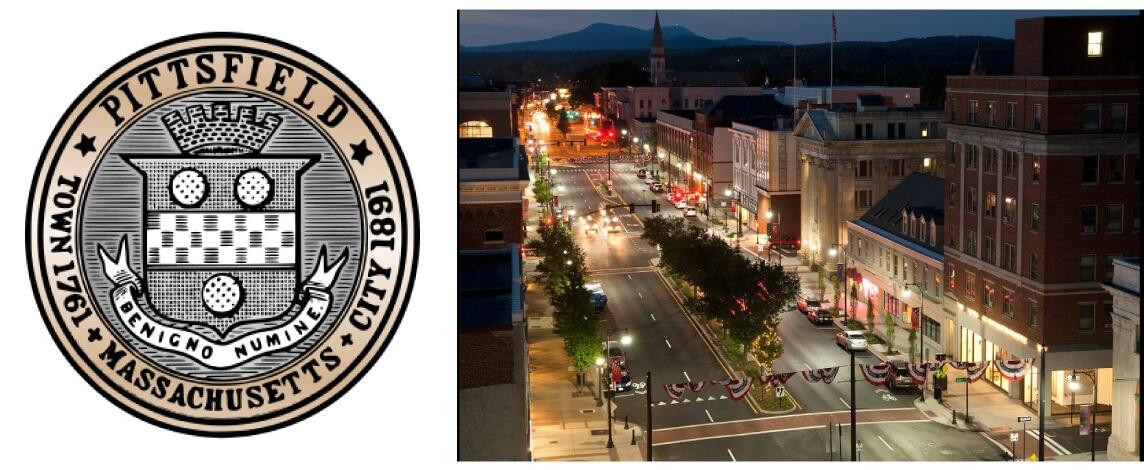
Pittsfield
- County: Berkshire
- Settled: 1752
- Incorporated: 1761
- Became a City: 1891
Pittsfield is home to the highest body of water in Massachusetts, Berry Pond, which is located at the top of Pittsfield State Forest.
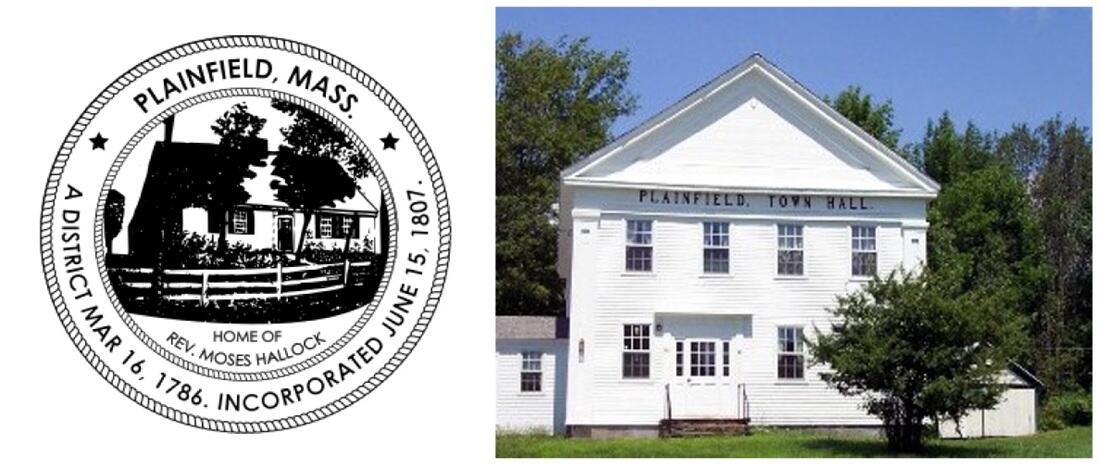
Plainfield
- County: Hampshire
- Settled: 1770
- Incorporated: 1807
Plainfield hosts an annual “Rowdy” Dog Show where dogs compete in categories like “best trick” and “friendliest.” Held each July, it honors local history and supports dog therapy organizations.
Plainville
- County: Norfolk
- Settled: 1661
- Incorporated: 1905
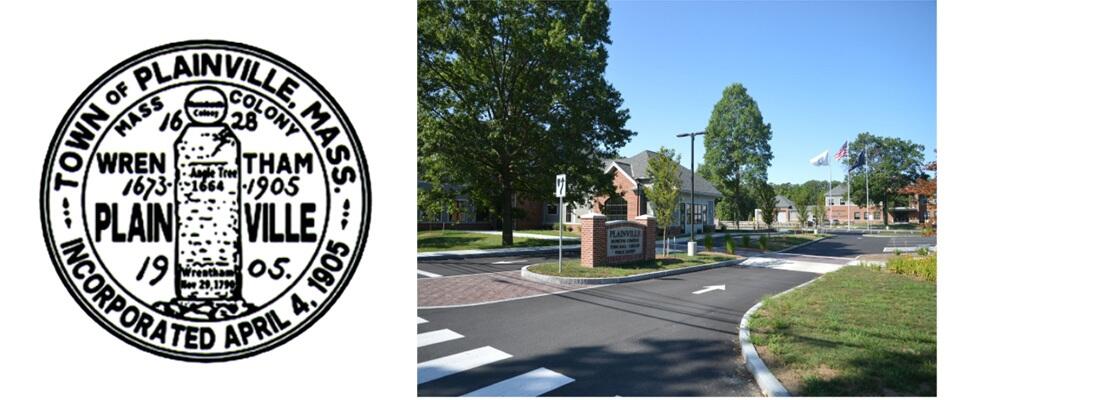
A historic boundary marker, the Angle Tree Stone, marks the colonial border between Massachusetts Bay Colony and Plymouth Colony, and now marks the boundary between Plainville and North Attleborough. The Angle Tree Stone even appears in the Plainville town seal.
Plymouth
- County: Plymouth
- Settled: 1620
- Incorporated: 1620
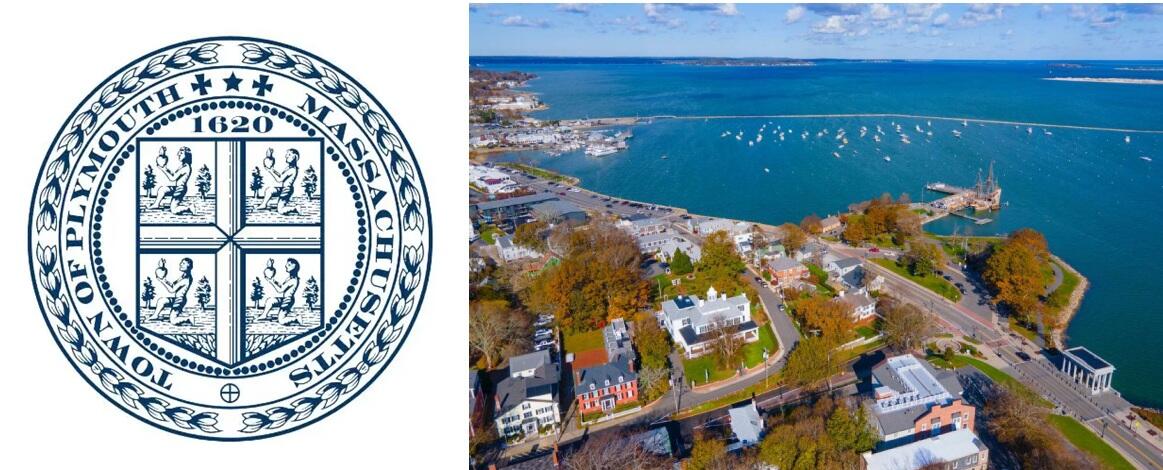
Leyden Street, laid out in 1620, is the oldest continuously inhabited street in the U.S. Nearby, the Old County Courthouse, built in 1749, is the nation’s oldest wooden courthouse and now functions as a museum.
Plympton
- County: Plymouth
- Settled: 1662
- Incorporated: 1707
Plympton is famous for being the birthplace of Deborah Sampson in 1760, a woman who disguised herself as a man to serve in the Continental Army during the Revolutionary War.
Princeton
- County: Worcester
- Settled: 1743
- Incorporated: 1771 [Established: 1759]
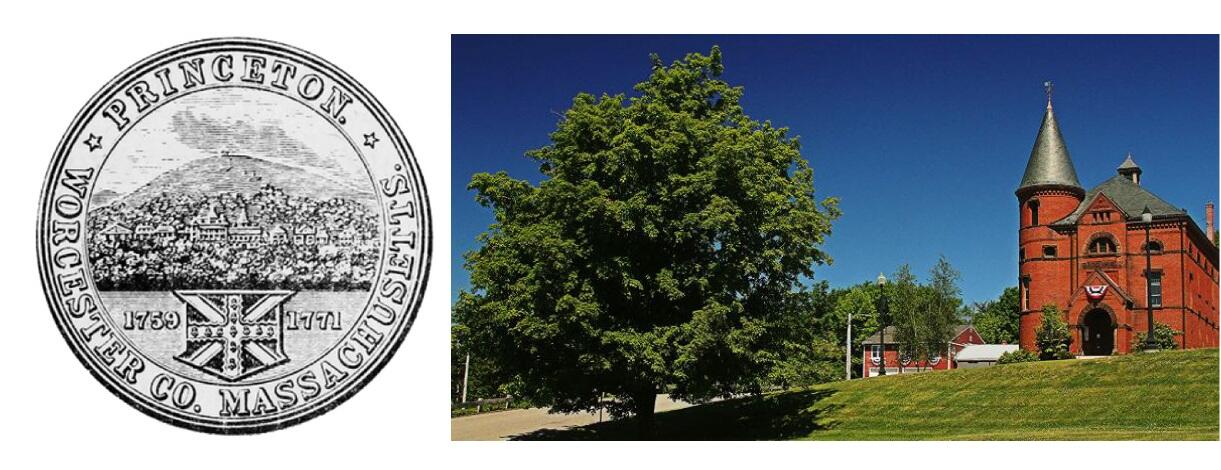
Princeton is home to Wachusett Mountain, the highest point of land in eastern and central Massachusetts. It’s located within Wachusett Mountain State Reservation and draws hikers and skiers alike.
Provincetown
- County: Barnstable
- Settled: 1700
- Incorporated: 1727
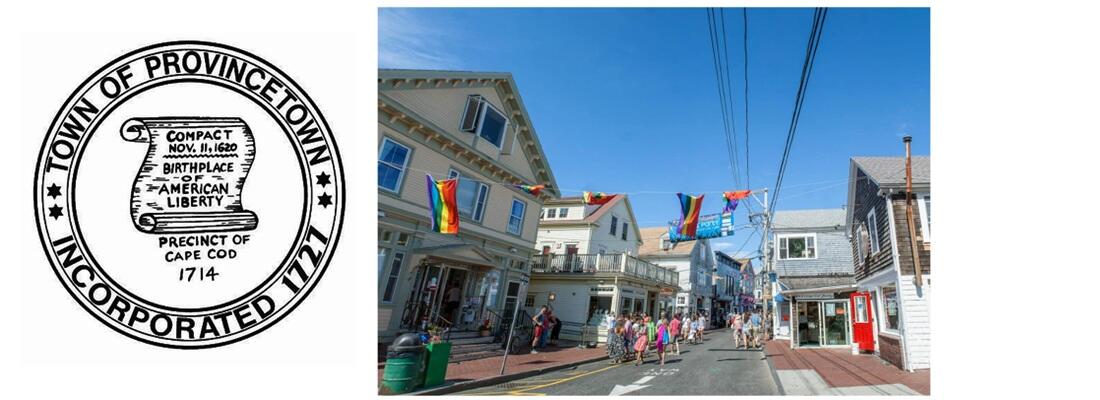
Provincetown has over 30 miles of beaches, which are part of the Cape Cod National Seashore.
Quincy
- County: Norfolk
- Settled: 1625
- Incorporated: 1792
- Became a City: 1888
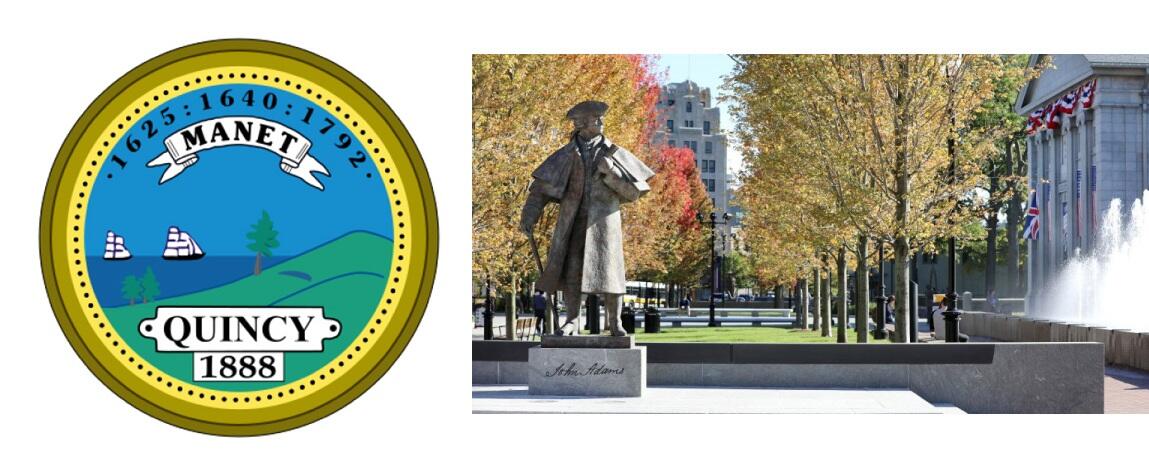
Called the "City of Presidents" and "Birthplace of the American Dream," Quincy is the birthplace of the second and sixth U.S. Presidents, John Adams and his son, John Quincy Adams. It is also home to the nation’s first Dunkin’ Donuts.
Randolph - Rutland
Randolph
- County: Norfolk
- Settled: 1710
- Incorporated: 1793
- Became a City: 2010
Randolph flourished as one of the nation’s leading boot producers. People from New England, Canada, Ireland, Italy, and Eastern Europe came to work in the industry. By 1850, Randolph was a top boot maker in the country.
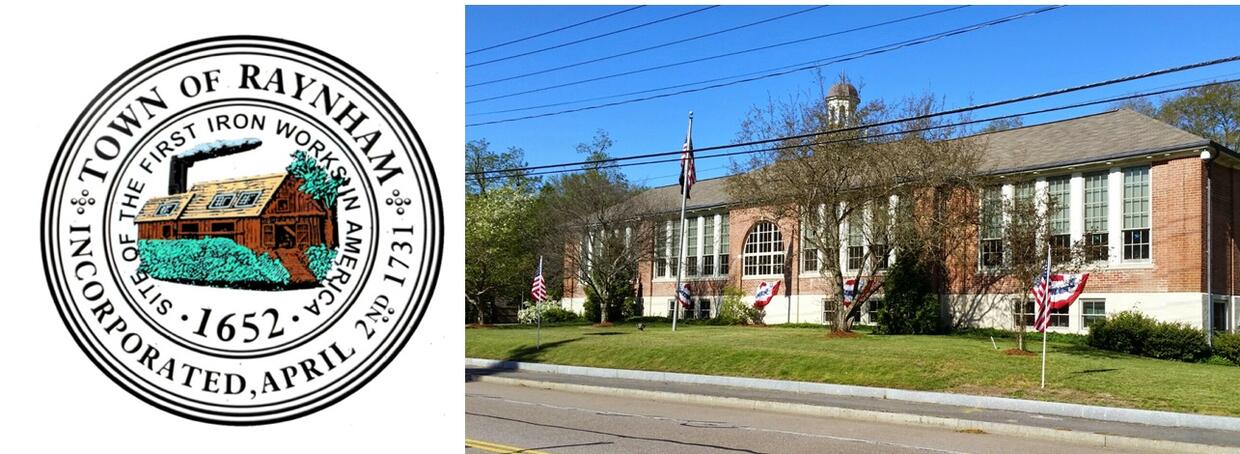
Raynham
- County: Bristol
- Settled: 1652
- Incorporated: 1731
Raynham is home to The Milk Bottle, which has been a landmark in this town since 1925. This 50-foot roadside attraction is one of several giant novelty bottles built in the area by Frates Dairy in the 1920s and 1930s. It started out as an ice cream stand, but today houses a popular breakfast spot.
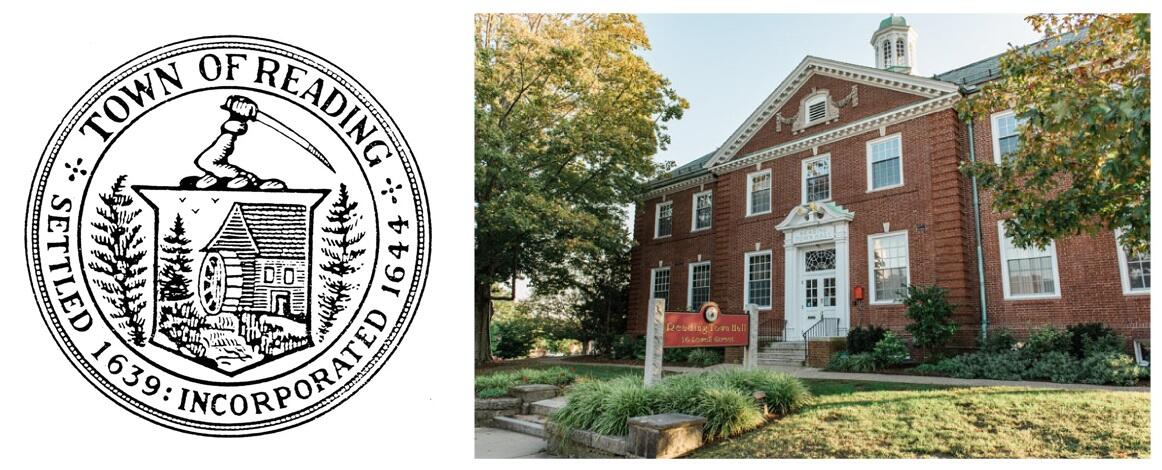
Reading
- County: Middlesex
- Settled: 1639
- Incorporated: 1644
Reading is home to the Parker Tavern, built in 1694. It is the oldest existing building in the town and now serves as a museum of local history.
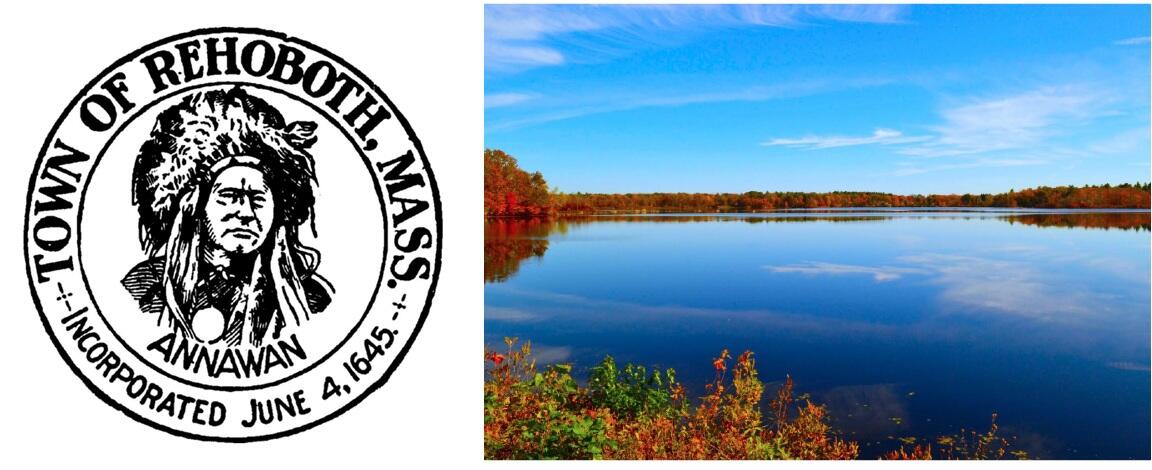
Rehoboth
- County: Bristol
- Settled: 1636
- Incorporated: 1645 [Established: 1643]
Rehoboth is one of Massachusetts' oldest and most historic towns and is the birthplace of public education in North America.
Revere
- County: Suffolk
- Settled: 1630
- Incorporated: 1846 (as North Chelsea); 1871 (name change to Revere)
- Became a City: 1914
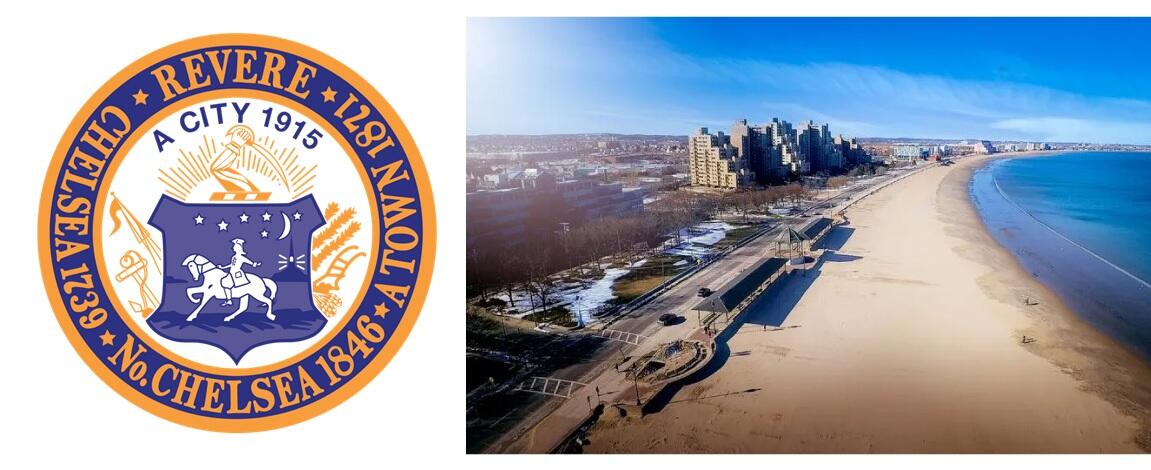
Revere Beach opened in 1896, becoming the first public beach in the United States. This 4.5 miles of coastline is still a popular destination today.
Richmond
- County: Berkshire
- Settled: 1760
- Incorporated: 1765
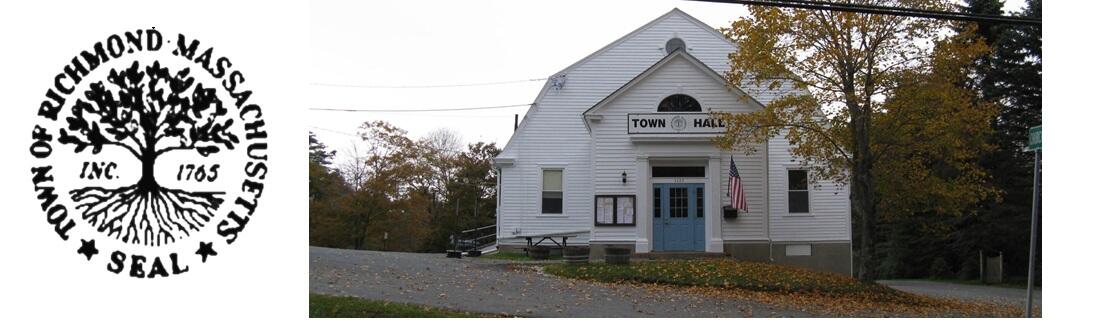
Richmond was a heavy farming town, but iron ore was discovered there in 1829. This led to the creation of an iron works, which operated in the town for many years, even into the 1900s.
Rochester
- County: Plymouth
- Settled: 1679
- Incorporated: 1686
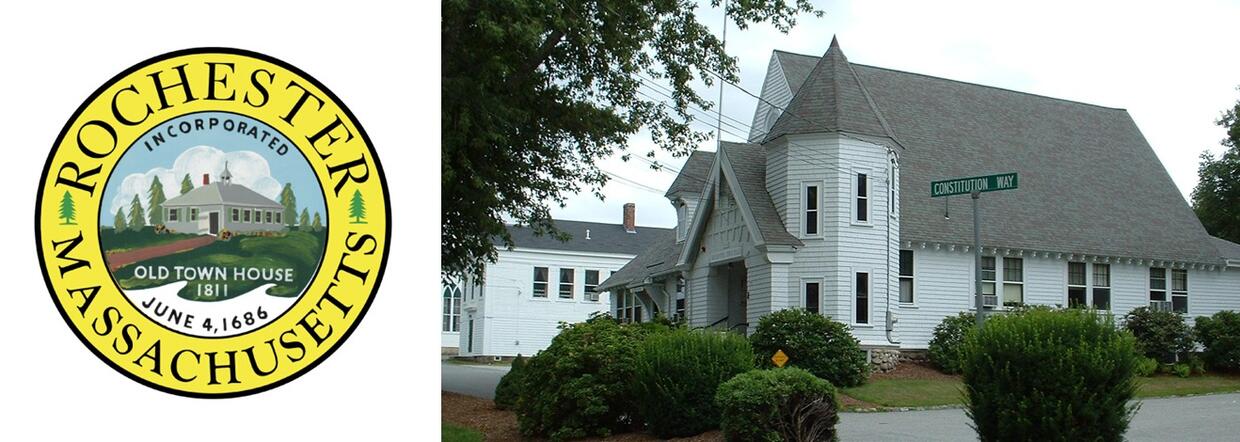
The land that is now Rochester was originally called Sippican and was settled by the Wampanoag people. It originally included the lands of Mattapoisett, Marion and parts of Wareham.
Rockland
- County: Plymouth
- Settled: 1673
- Incorporated: 1874
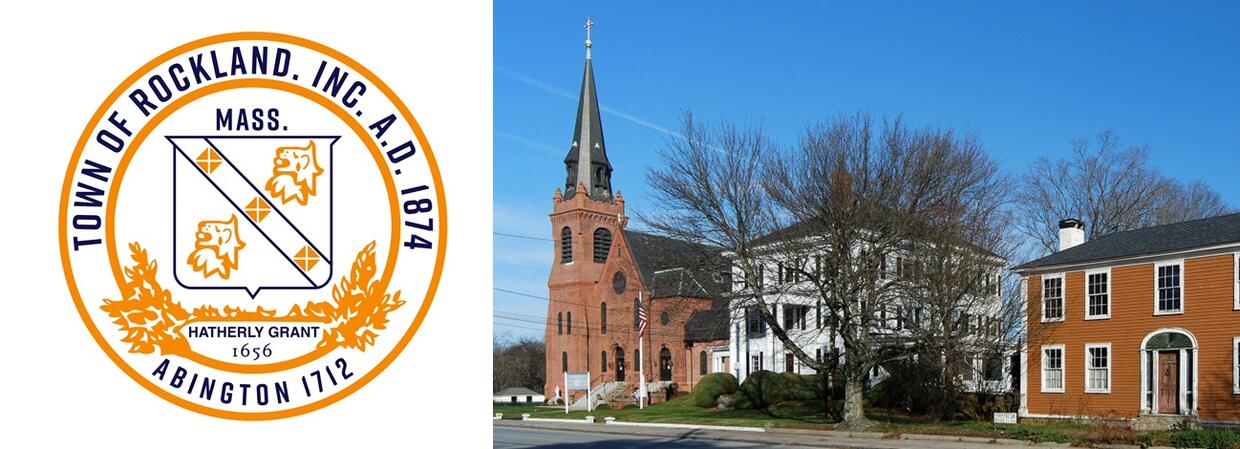
Rockland was named for the town’s rocky nature, which was better suited for mills and industry than for farming.
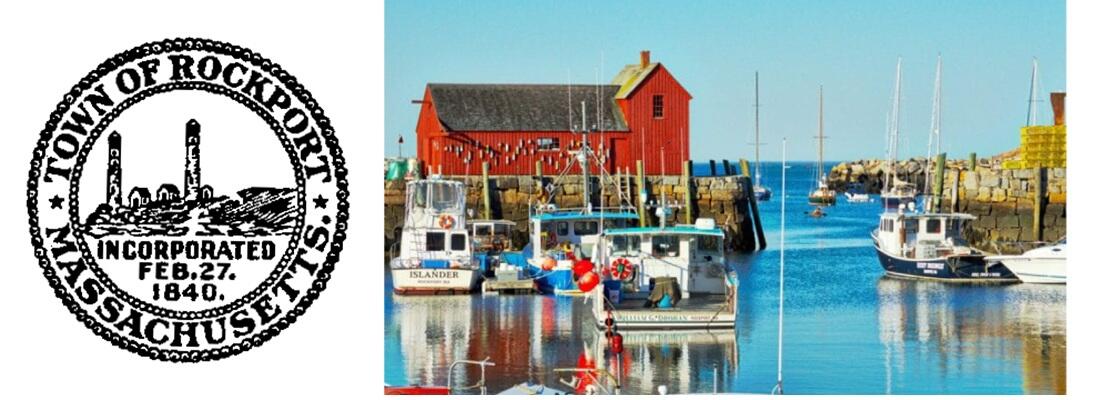
Rockport
- County: Essex
- Settled: 1623
- Incorporated: 1840
Rockport was originally inhabited by Agawam Indians and was later settled by Massachusetts Bay colonists in the 17th century as a fishing village.
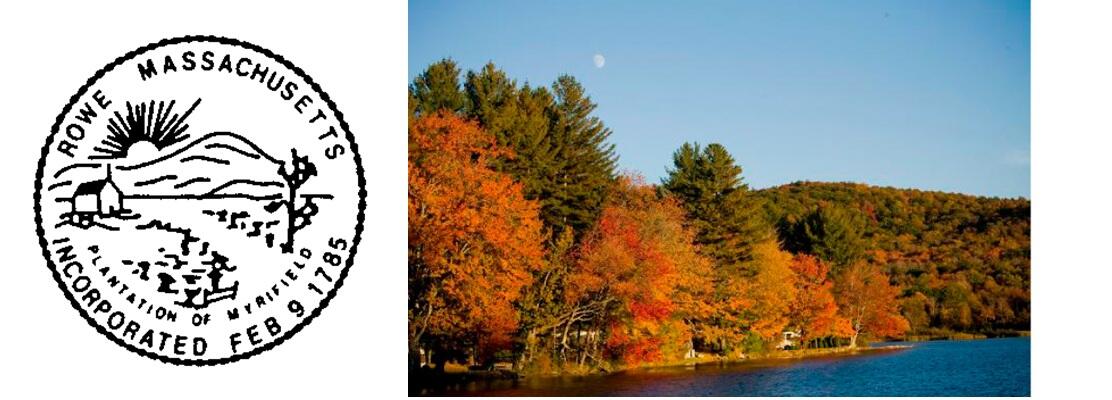
Rowe
- County: Franklin
- Settled: 1762
- Incorporated: 1785
Rowe became the site of the first atomic electric generating plant in New England in 1955.
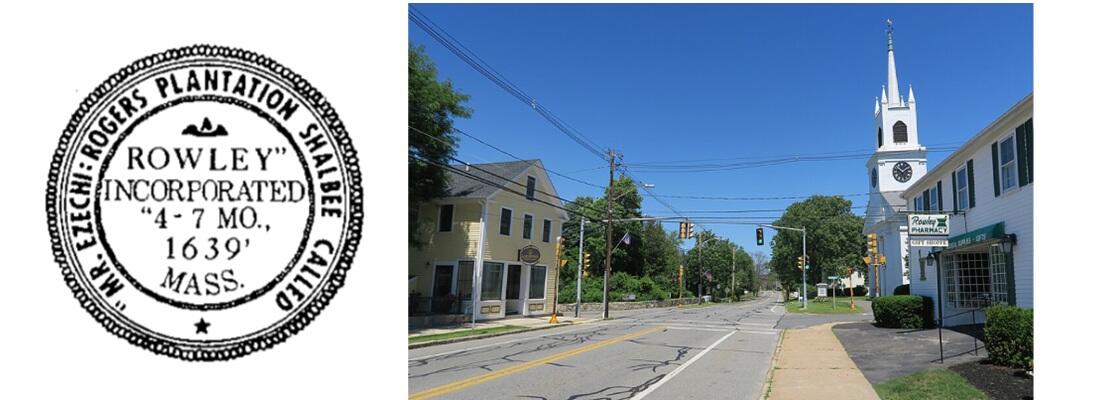
Rowley
- County: Essex
- Settled: 1638
- Incorporated: 1639
In the mid 1600’s Rowley became known for its hemp and flax cloth, as well as cotton. In 1669, a sawmill was established in town and is still in business today.
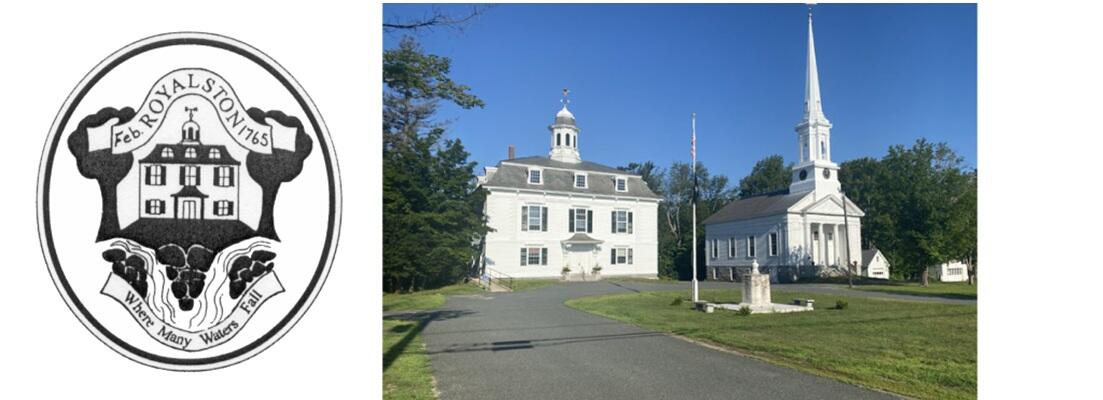
Royalston
- County: Worcester
- Settled: 1762
- Incorporated: 1765
Originally called Royal-shire, in honor of one of the proprietors, Isaac Royal, the town was not settled until the first six families arrived in 1762, after the end of the French and Indian War.
Russell
- County: Hampden
- Settled: 1782
- Incorporated: 1792
The Town of Russell was originally part of the "New Addition" section of Westfield. The early settlement was located around Hazard Pond, now known as Russell Pond, with small grist mills, tanneries and sawmills making use the surrounding water.
Rutland
- County: Worcester
- Settled: 1686
- Incorporated: 1713
Rutland is the geographic center of Massachusetts. At 1,200 feet above sea level, Rutland has the highest elevation of any community between the Berkshires and the Atlantic Ocean.
Salem - Swansea
Salem
- County: Essex
- Settled: 1626
- Incorporated: 1626
- Became a City: 1836
Salem’s original Native American name was Naumkeag, meaning "Fishing Place.” Puritan settlers later renamed it Salem from the Hebrew word "shalom," meaning "peace."
Salisbury
- County: Essex
- Settled: 1638
- Incorporated: 1639
Salisbury is the northernmost coastal town in Massachusetts, originally called "plantation at Merrimack.”
Sandisfield
- County: Berkshire
- Settled: 1750
- Incorporated: 1762
When Sandisfield was first settled it was called Housatonic Township Number 4. The town was incorporated in 1762 and received its now-current name, likely after British Official Lord Sandys.
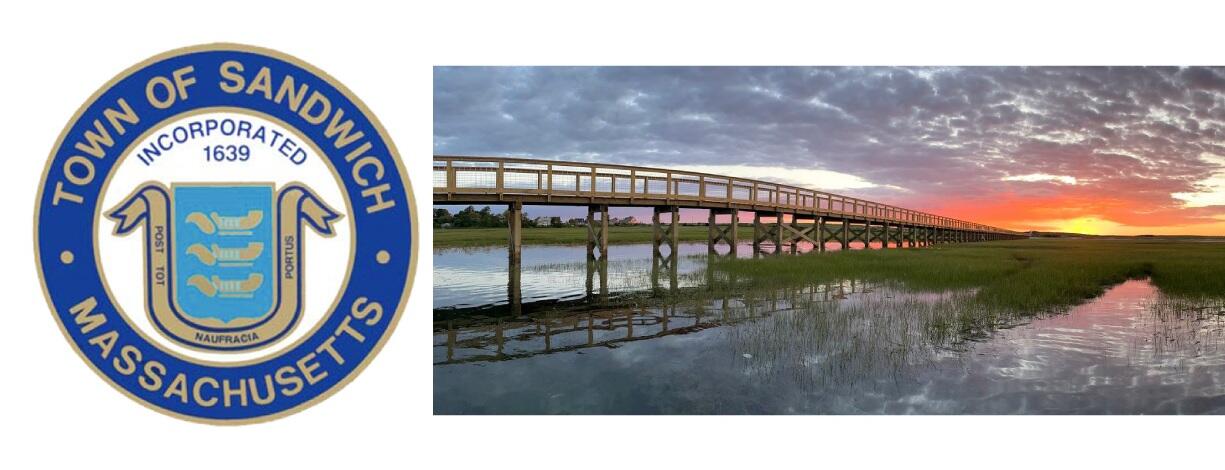
Sandwich
- County: Barnstable
- Settled: 1630
- Incorporated: 1639
Sandwich is the oldest town on Cape Cod and one of the oldest towns in the United States.
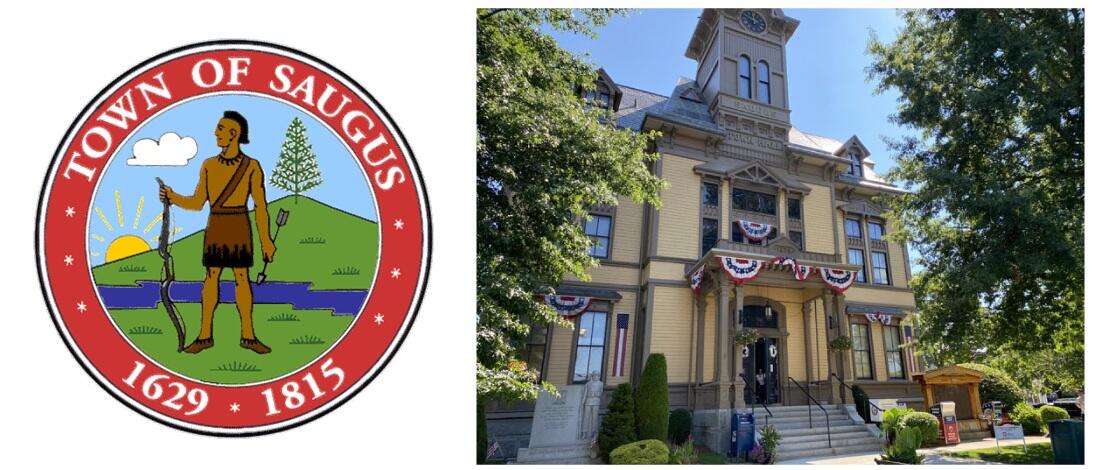
Saugus
- County: Essex
- Settled: 1629
- Incorporated: 1815
The Saugus Iron Works National Historic Site, in operation from 1646-1668, was the first integrated iron works in North America and is now a National Historic Site.
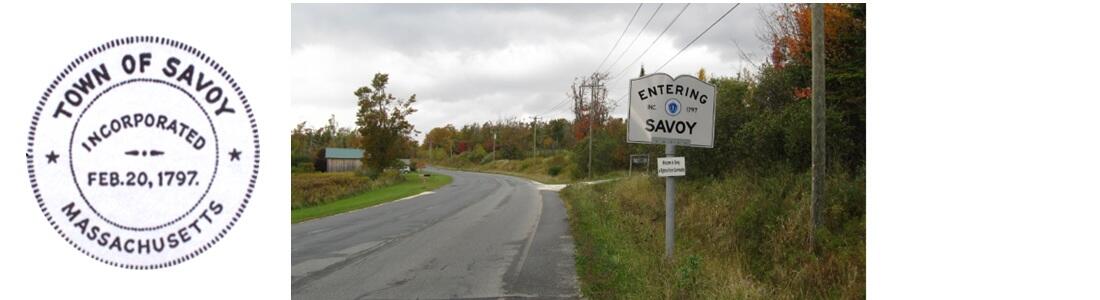
Savoy
- County: Berkshire
- Settled: 1777
- Incorporated: 1797
Savoy is home to the Savoy Mountain State Forest, with more than 50 miles of trails and several ponds.
Scituate
- County: Plymouth
- Settled: 1630
- Incorporated: 1636
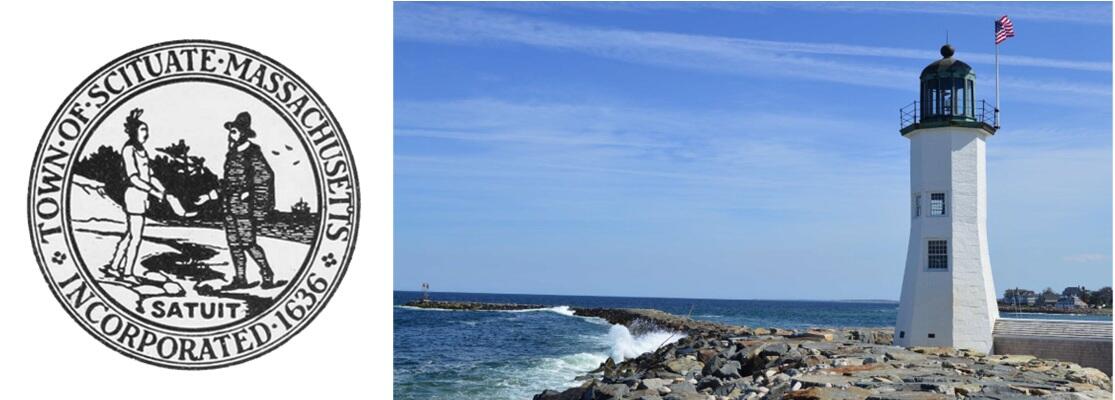
Built in 1810, the Scituate Lighthouse was activated in 1811, deactivated in 1860, purchased by the town in 1916, and relit in 1994. It remains an iconic landmark of the town to this day.
Seekonk
- County: Bristol
- Settled: 1636
- Incorporated: 1812
Seekonk as it exists today is the result of several land reconfigurations. Seekonk was originally part of the Rehoboth, MA and included areas now in Pawtucket and East Providence, RI.
Sharon
- County: Norfolk
- Settled: 1650
- Incorporated: 1775 (as Stoughtonham); 1783 (name change to Sharon)
Sharon has an Open Town Meeting form of government, with three Select Board members and volunteer committees providing town governance. Sharon was named after Israel's Sharon plain, due to its high level of forestation.
Sheffield
- County: Berkshire
- Settled: 1725
- Incorporated: 1733
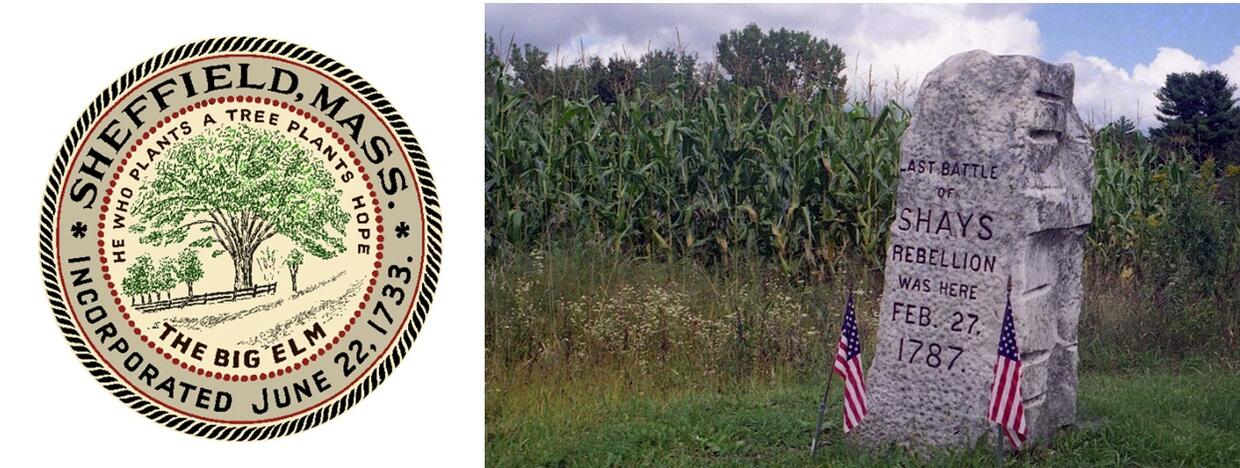
Sheffield was the site of the last and bloodiest battle of Shays' Rebellion on February 27, 1787.
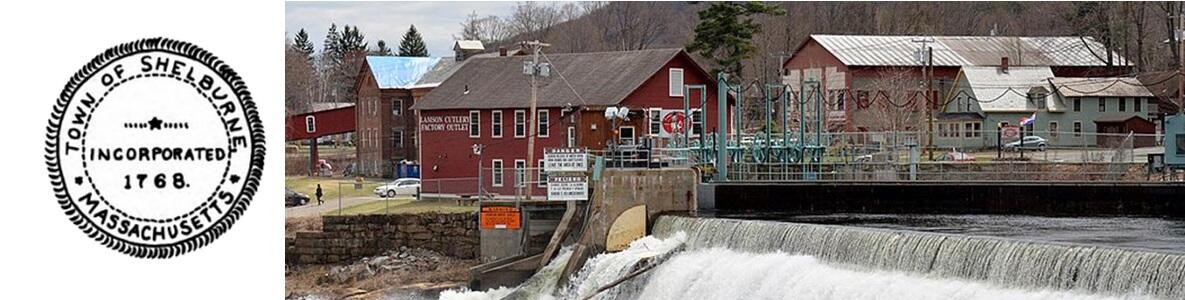
Shelburne
- County: Franklin
- Settled: 1756
- Incorporated: 1768 (District of Shelburne); 1775 (Town of Shelburne)
First known as “Deerfield Northwest” the town was named in honor of William Petty, 2nd Earl of Shelburne who served as Prime Minister of Great Britain during the final months of the American Revolutionary War.
Sherborn
- County: Middlesex
- Settled: 1652
- Incorporated: 1674
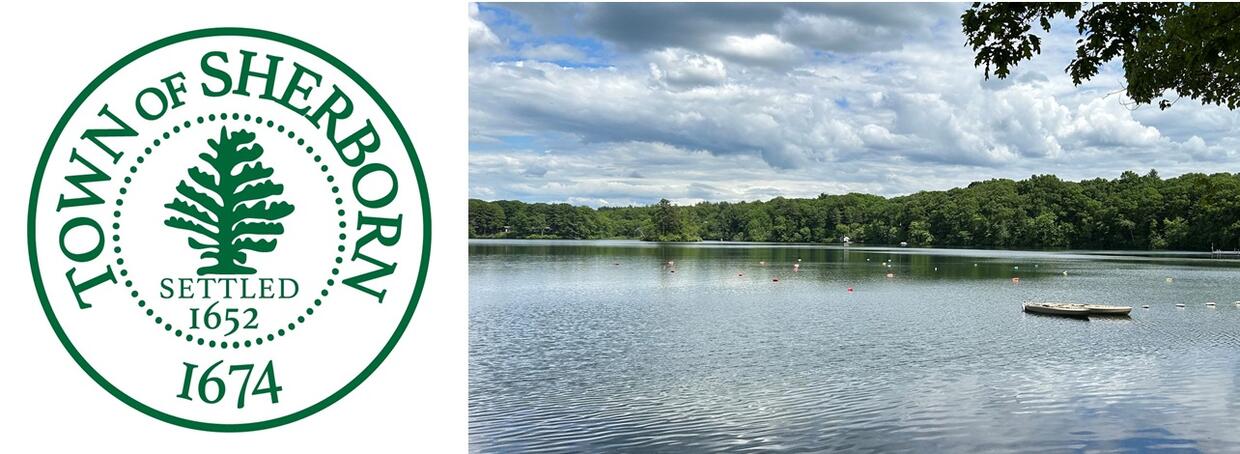
Sherborn is proud of its rural heritage, farms, forests, and extensive public lands. Open space comprises more than 50% of the town's land area.
Shirley
- County: Middlesex
- Settled: 1720
- Incorporated: 1753 (as a District); 1786 (as a Town)
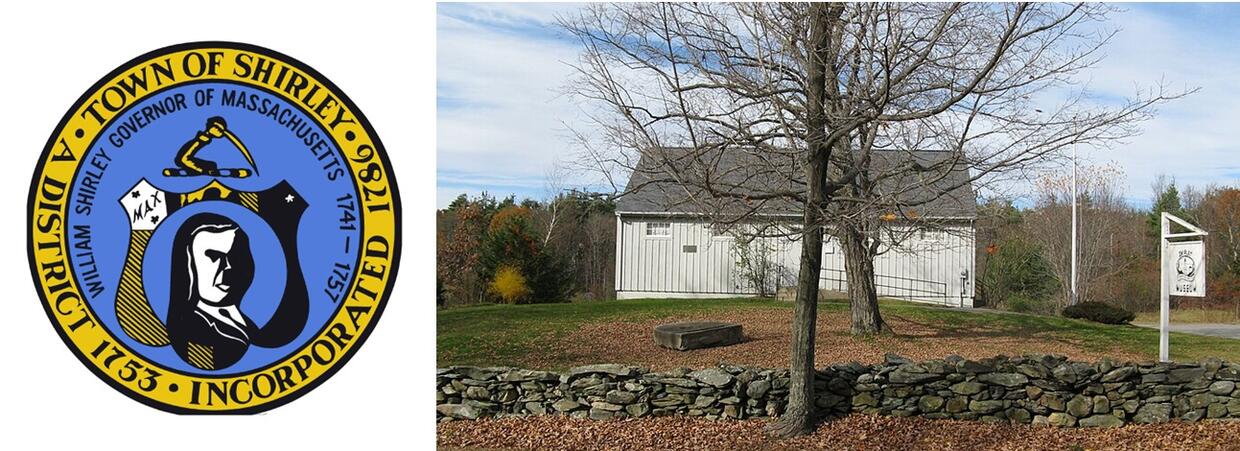
A utopian religious community, Shirley Shaker Village, was established in Shirley in 1793. A Massachusetts correctional facility was constructed on the former site, but eleven original buildings and the Shaker Cemetery remain on the property.
Shrewsbury
- County: Worcester
- Settled: 1722
- Incorporated: 1727
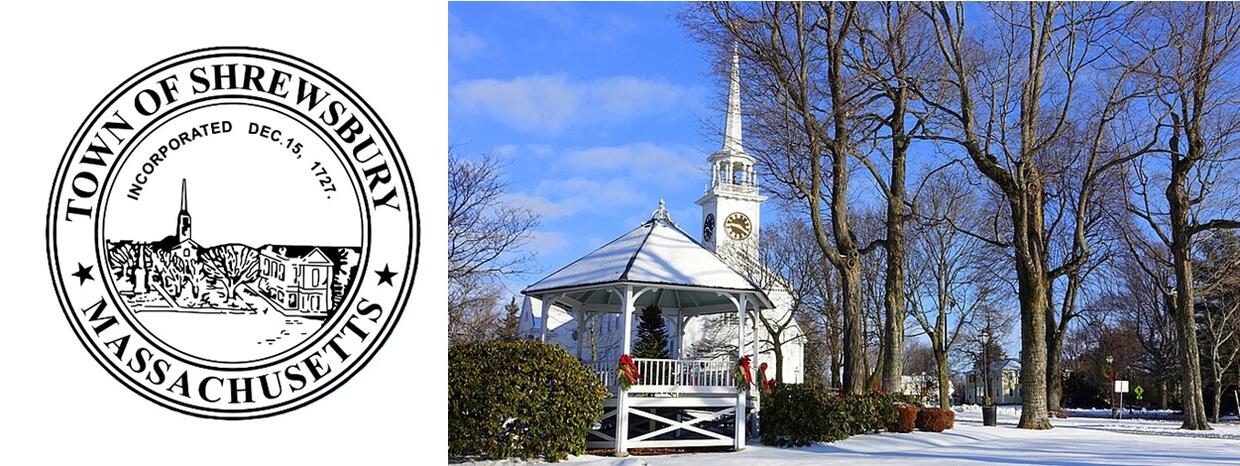
Shrewsbury's town common was one of the first parts of the town to be laid out, along what was then the one of the Boston Post Roads connecting Boston to Springfield. It is also home to Lake Quinsigamond which was once a popular summer resort area in the early 20th century and the famous White City amusement park from 1905-1960.
Shutesbury
- County: Franklin
- Settled: 1735
- Incorporated: 1761
Shutesbury was first called Road Town, because the original request by colonists to Boston was to build a road in a roadless area. Road Town was officially renamed in honor of Samuel Shute, former governor, when it was incorporated in 1761.
Somerset
- County: Bristol
- Settled: 1677
- Incorporated: 1790
Somerset is the hometown of the late Red Sox legend and color commentator, Jerry Remy.
Somerville
- County: Middlesex
- Settled: 1629
- Incorporated: 1842
- Became a City: 1872
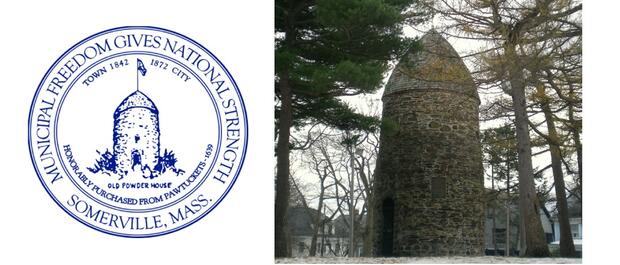
Somerville was home to one of the first hostile acts of the American Revolutionary War. The removal of gunpowder by British soldiers from the Old Powder House in 1774 is considered to be a turning point in the events leading up to war.
South Hadley
- County: Hampshire
- Settled: 1721
- Incorporated: 1775
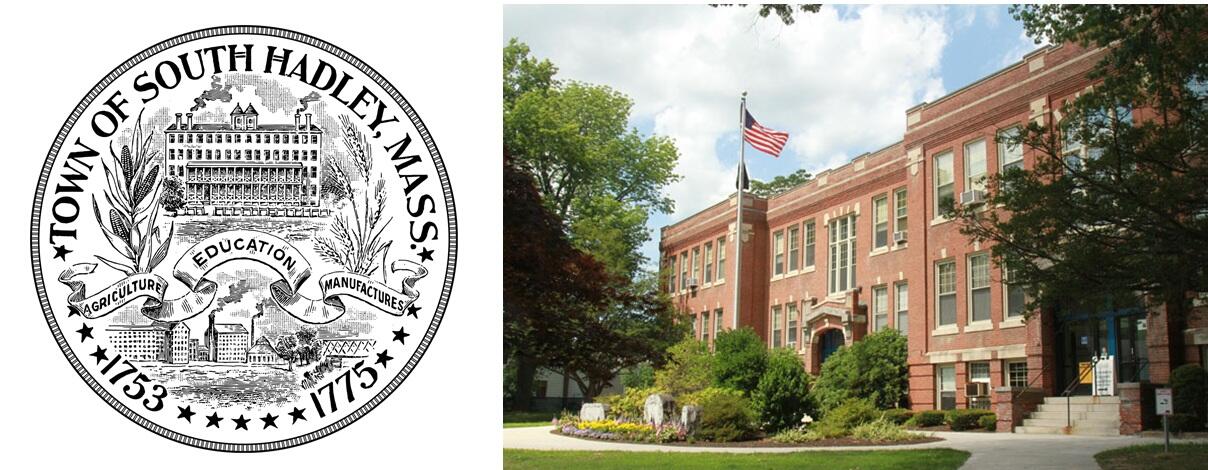
South Hadley is the home of the nation's first successful navigable canal (built in the late 18th century to bypass the 53-foot Great Falls on the Connecticut River) as well as the oldest continuing institution of higher education for women (Mount Holyoke College).
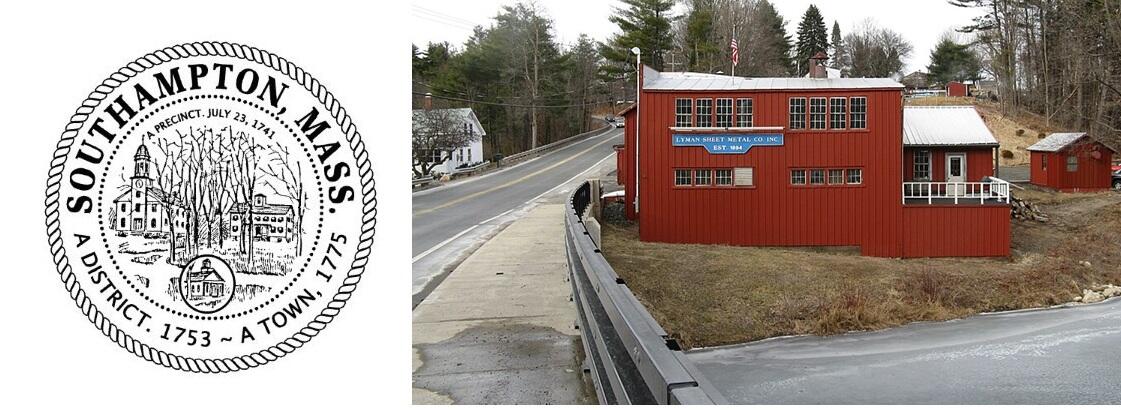
Southampton
- County: Hampshire
- Settled: 1732
- Incorporated: 1753 (as a District); 1775 (as a Town)
An important chapter of Southampton’s history is the discovery of lead by Robert Lyman in 1678 and business of lead mining in the northern part of town. The lead mines operated in this area until 1865.
Southborough
- County: Worcester
- Settled: 1660
- Incorporated: 1727
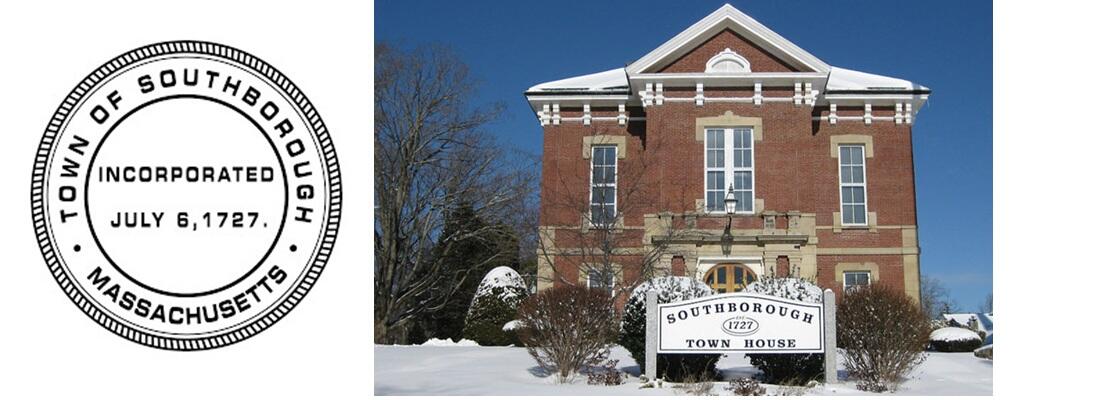
In June of 1825, the Marquis de Lafayette stopped at Woodbury's Tavern on the Boston & Worcester Turnpike in Southborough for a midday dinner. The famous Revolutionary War hero was on his way to Boston toward the end of a triumphant sixteen-month tour of the United States.
Southbridge
- County: Worcester
- Settled: 1730
- Incorporated: 1816
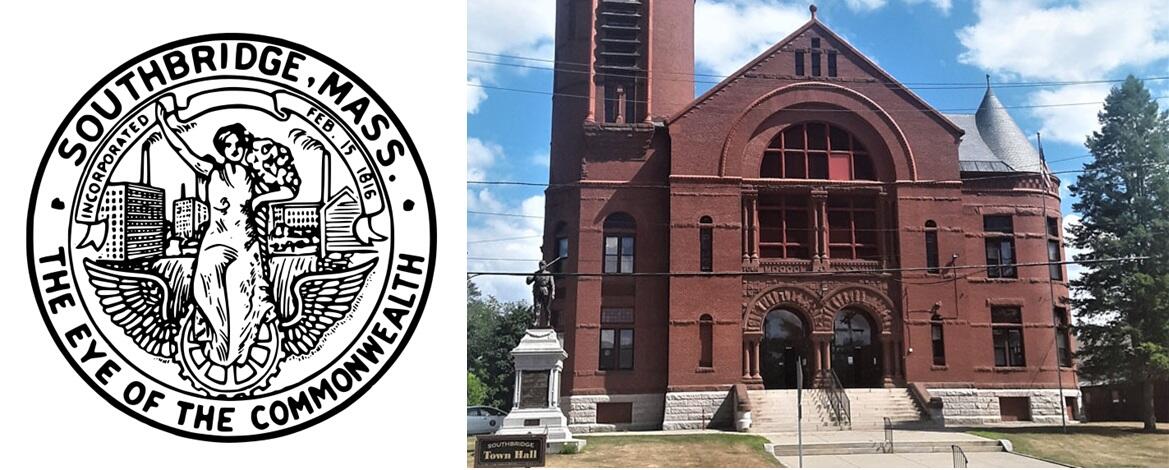
Southbridge has a long history of manufacturing optical products, earning it the unofficial title of "Eye of the Commonwealth." It was once home to the world's largest manufacturer of ophthalmic products, American Optical Company.
Southwick
- County: Hampden
- Settled: 1690
- Incorporated: 1770
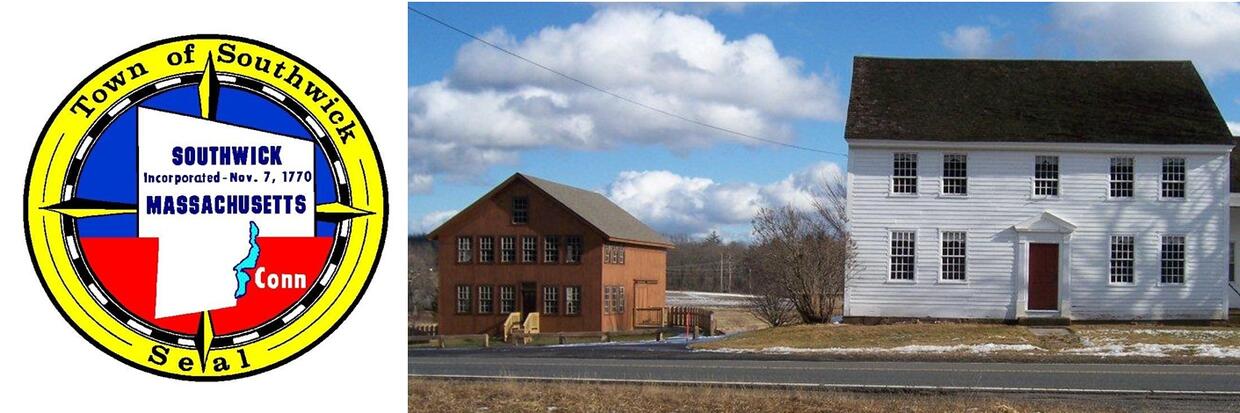
Southwick is the southernmost town in western Massachusetts because of the area known as the "Southwick Jog." Massachusetts claimed the area in 1793 and border dispute with Connecticut continued until 1804 when the current boundary was established.
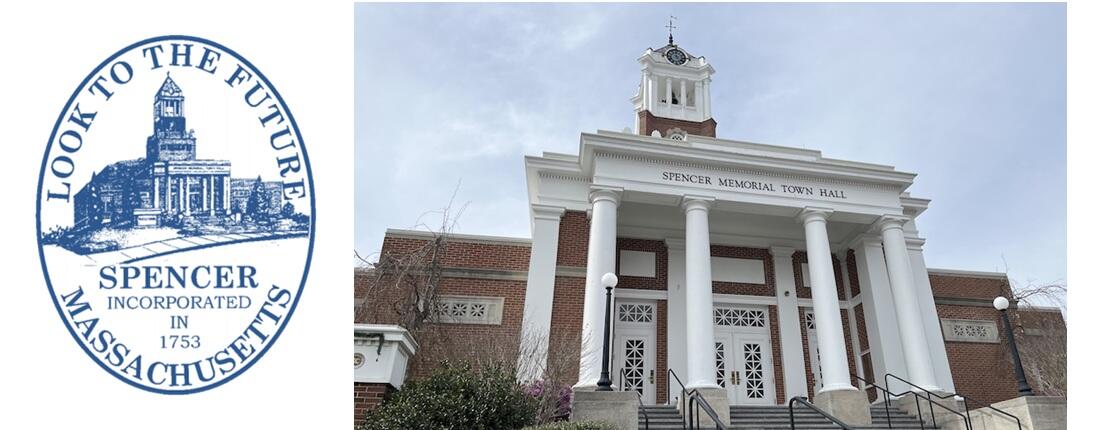
Spencer
- County: Worcester
- Settled: 1721
- Incorporated: 1753
Spencer is home to Saint Joseph's Abbey, a cloistered Roman Catholic monastery of monks of the Cistercian Order of the Strict Observance or "Trappists" who make the popular jam, Trappist Preserves, to support their order.
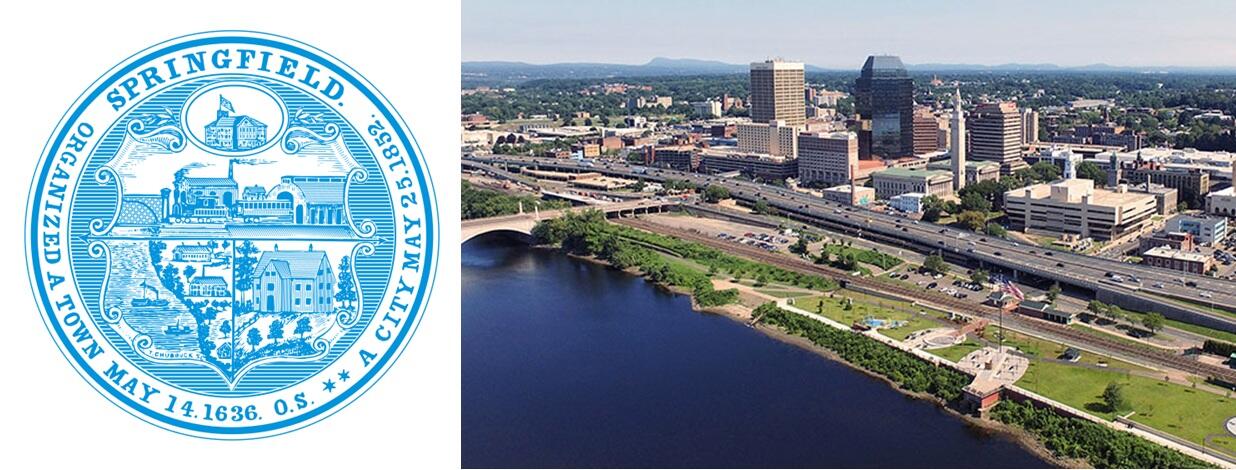
Springfield
- County: Hampden
- Settled: 1636
- Incorporated: 1636
- Became a City: 1852
Springfield is home to the Naismith Memorial Basketball Hall of Fame where James Naismith invented the game in 1891.
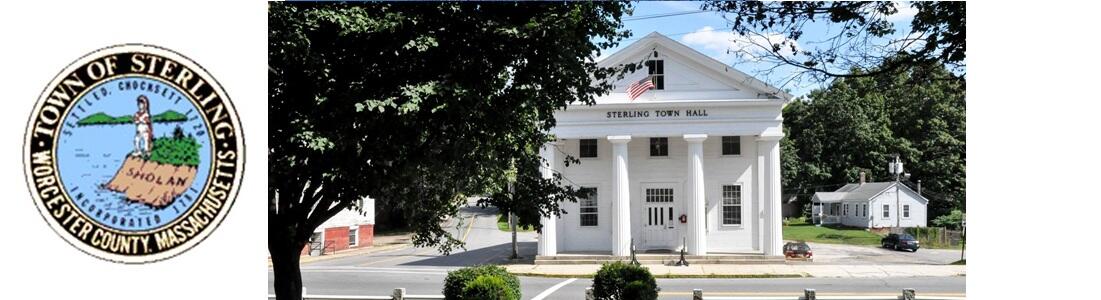
Sterling
- County: Worcester
- Settled: 1720
- Incorporated: 1781
The town derives its name from General William "Lord Stirling" Alexander, who served under General George Washington in the New York and other campaigns. Sterling is the setting of Sarah Josepha Hale's poem "Mary Had a Little Lamb". Mary Sawyer, the alleged real-life subject of the poem, lived in Sterling and attended the Redstone School.
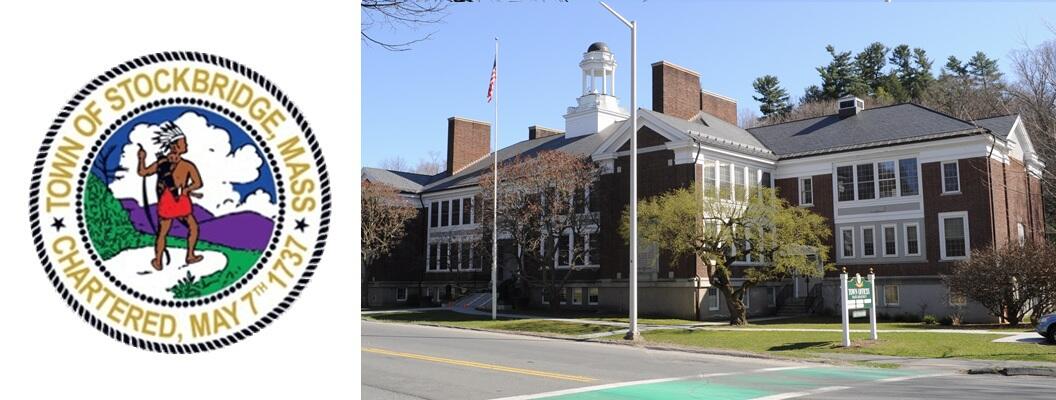
Stockbridge
- County: Berkshire
- Settled: 1734
- Incorporated: 1739
Stockbridge is home to the Norman Rockwell Museum where the artist lived the last 25 years of his life.
Stoneham
- County: Middlesex
- Settled: 1645
- Incorporated: 1725
Stoneham is the hometown of Olympic figure-skating silver medalist Nancy Kerrigan and Stone Zoo.
Stoughton
- County: Norfolk
- Settled: 1713
- Incorporated: 1726
The oldest choral society in the United States is located in Stoughton. Founded in 1786 as The Stoughton Musical Society, it is now known as the Old Stoughton Musical Society.
Stow
- County: Middlesex
- Settled: 1660
- Incorporated: 1683
Stow's motto is "A place for growing up in and a place for coming back to." The modern butternut squash was developed by Charles Leggett in Stow in 1944.
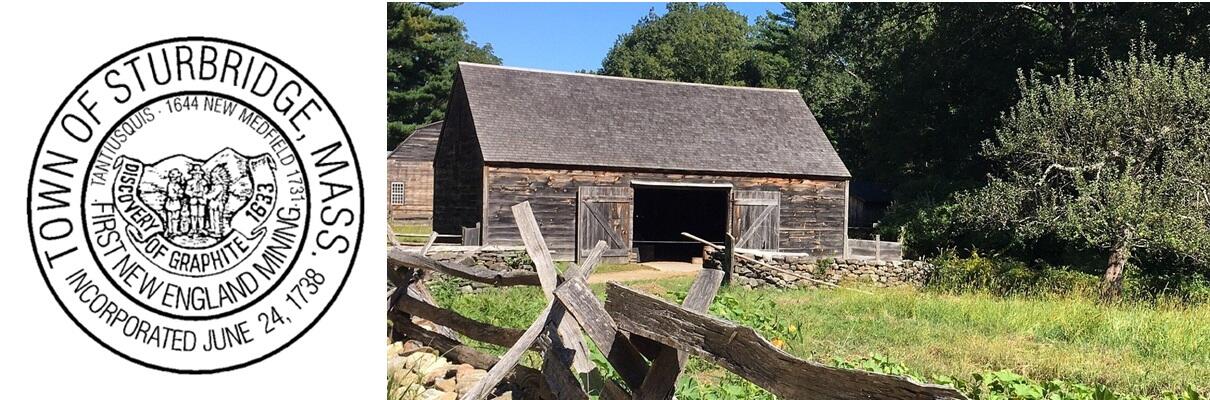
Sturbridge
- County: Worcester
- Settled: 1729
- Incorporated: 1738
Sturbridge is home to Old Sturbridge Village, New England's largest living history museum where costumed interpreters demonstrate and interpret 19th-century arts, crafts, and agricultural work.
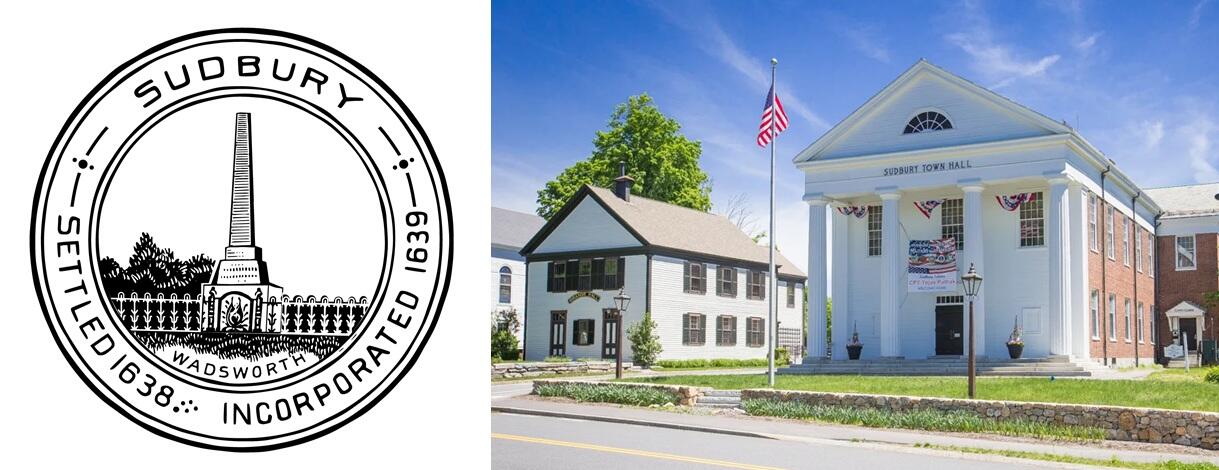
Sudbury
- County: Middlesex
- Settled: 1638
- Incorporated: 1639
The Wayside Inn, one of Sudbury's historic landmarks, claims to be the country's oldest operating inn, built and run by the Howe family for many generations.
Sunderland
- County: Franklin
- Settled: 1714
- Incorporated: 1718
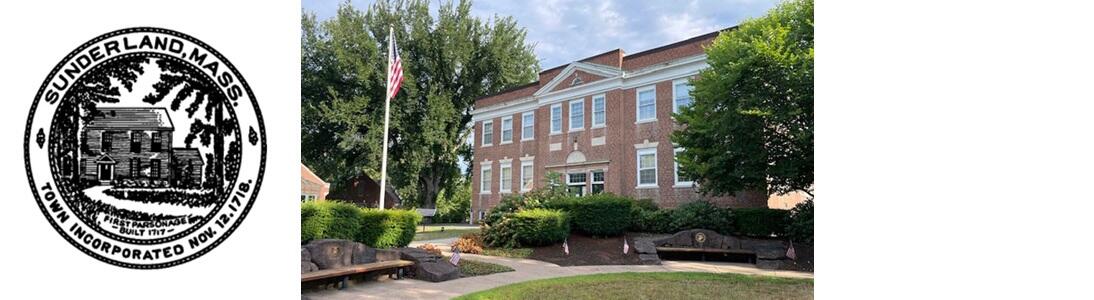
Sunderland was first known as Swampfield but the name was changed to attract more residents and renamed in honor of Charles Spencer, the Earl of Sunderland.
Sutton
- County: Worcester
- Settled: 1704
- Incorporated: 1716
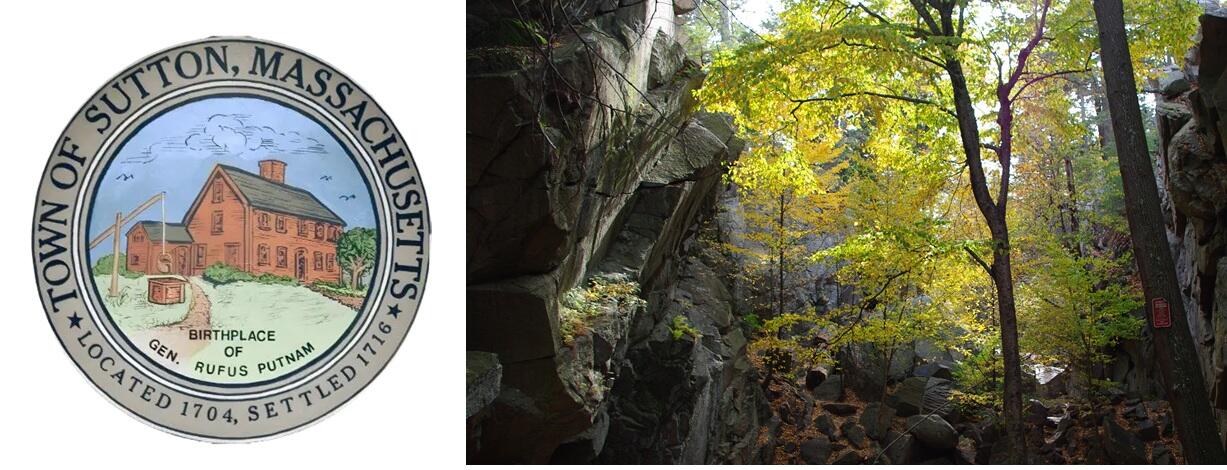
Sutton is home to Purgatory Chasm State Reservation a natural rock foundation a quarter-mile long and nearly 70 feet deep that was formed by glacial melting thousands of years ago.
Swampscott
- County: Essex
- Settled: 1629
- Incorporated: 1852
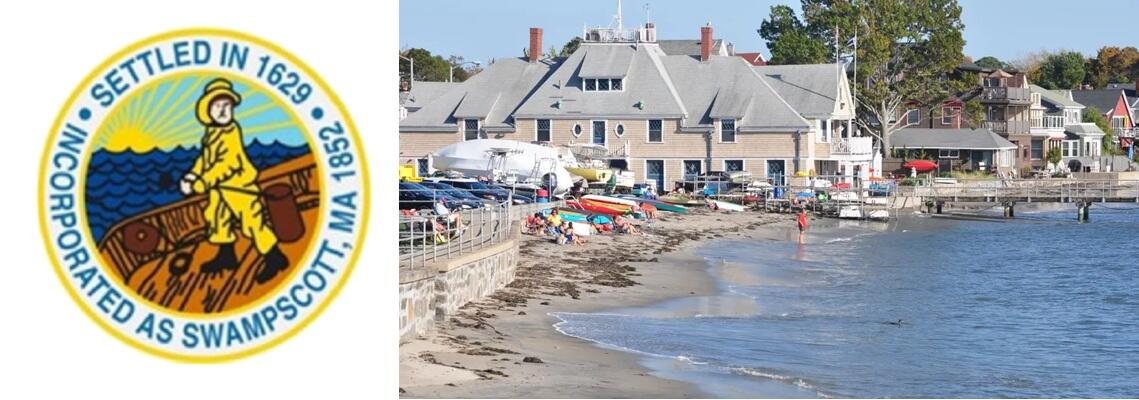
Swampscott was an important destination for the wealthy at the beginning of the 20th century and was possibly America's "first resort town." Swampscott was also home to White Court, Calvin Coolidge's summer White House.
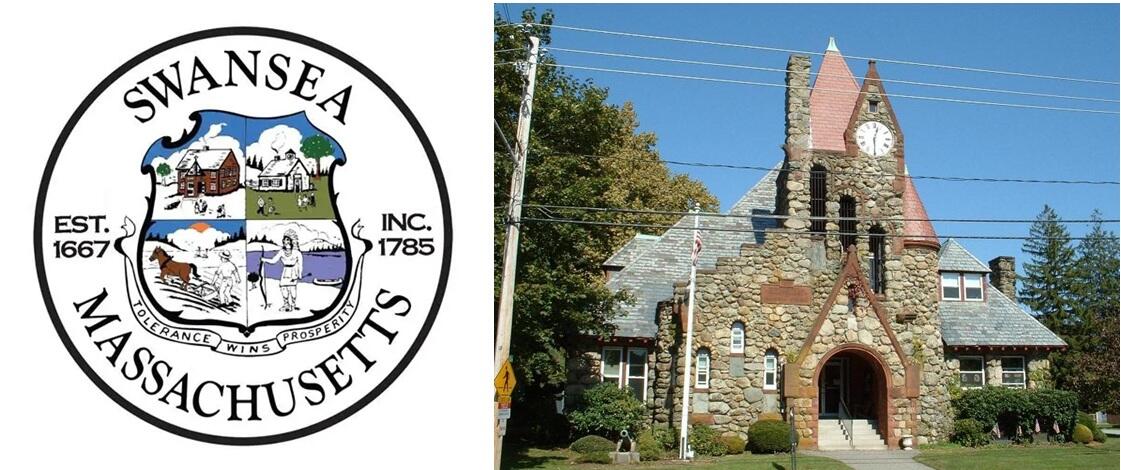
Swansea
- County: Bristol
- Settled: 1662
- Incorporated: 1667
Swansea is a community founded on the premise of religious tolerance for all. Unfortunately, the town also turned out to be the starting place of King Philip's war in 1675 and the site of the first bloodshed.
Taunton - Uxbridge
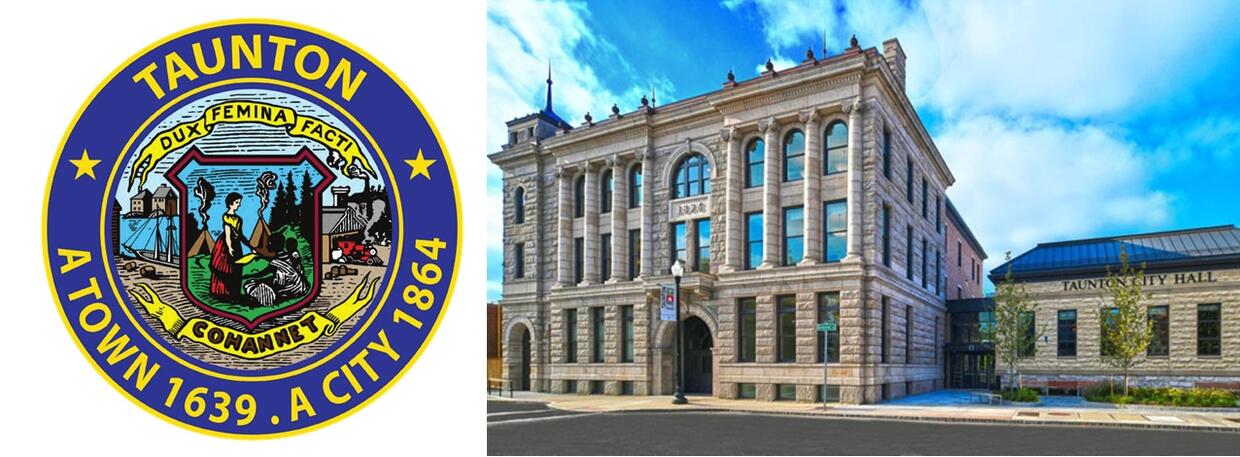
Taunton
- County: Bristol
- Settled: 1638
- Incorporated: 1639
- Became a City: 1864
During the 19th century, Taunton became known as the "Silver City," as it was home to many silversmithing operations, including Reed & Barton, F.B. Rogers, the Poole Silver Company, and the Taunton Silverplate Company.
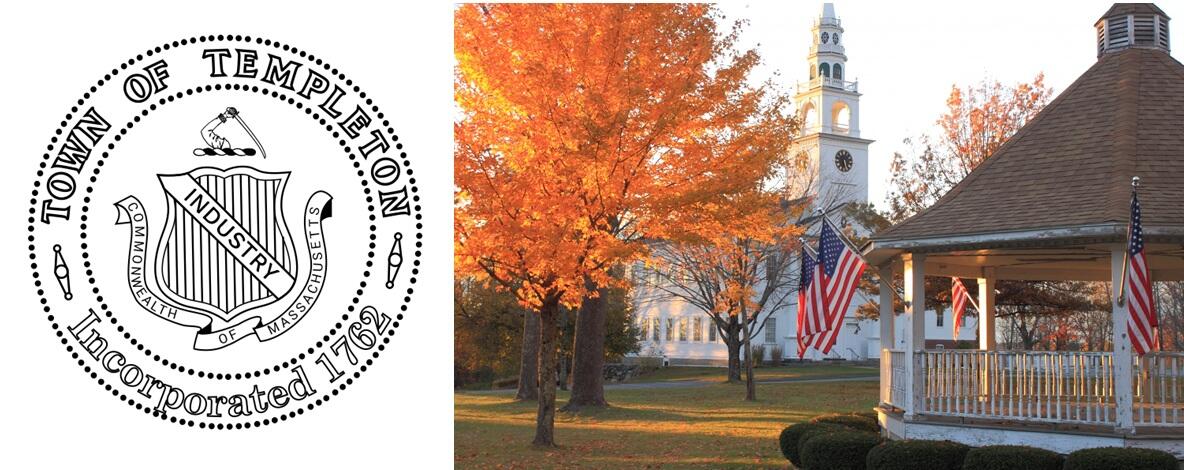
Templeton
- County: Worcester
- Settled: 1751
- Incorporated: 1762
Templeton's Boynton Public Library was named for John Boynton, tinware entrepreneur, politician, and philanthropist who founded Worcester Polytechnic Institute in Worcester, Massachusetts and lived in Templeton.
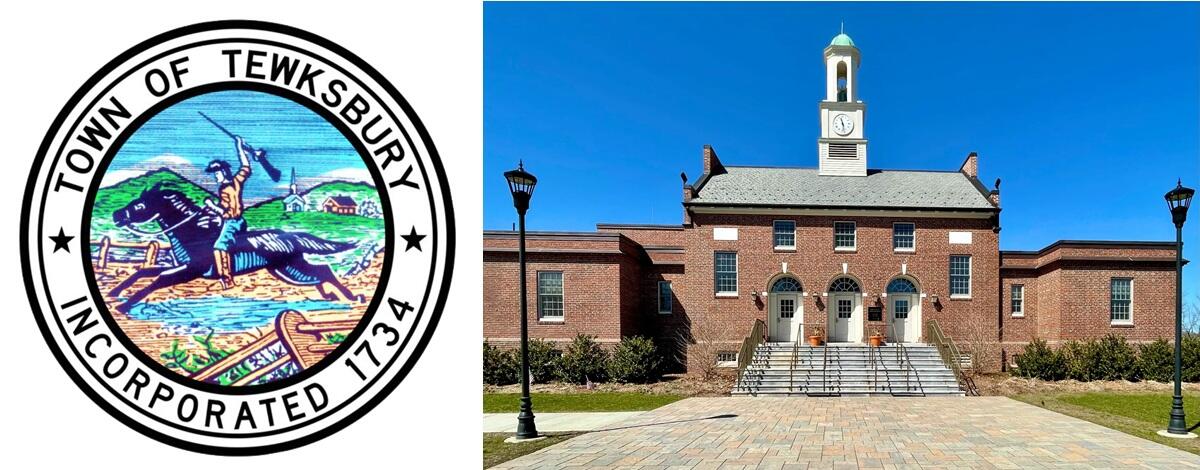
Tewksbury
- County: Middlesex
- Settled: 1637
- Incorporated: 1734
On the grounds of Tewksbury Town Hall stands a memorial dedicated to Anne Sullivan and Helen Keller. Anne spent her childhood after her mother died at an almshouse in Tewksbury before attending the Perkins School for the Blind and becoming Helen Keller's teacher at age 20. Tewksbury is also home to the Public Health Museum, located on the historic grounds of the former Tewksbury State Hospital.
Tisbury
- County: Dukes
- Settled: 1660
- Incorporated: 1671
Vineyard Haven is the main village and town center of Tisbury. The two names are used interchangeably, however to residents of Martha's Vineyard, "Vineyard Haven" is by far the more common usage.
Tolland
- County: Hampden
- Settled: 1750
- Incorporated: 1810
Tolland State Forest and campground is a popular destination for outdoor enthusiasts and nature lovers.
Topsfield
- County: Essex
- Settled: 1635
- Incorporated: 1650
Topsfield is home to the famous Topsfield Fair, which attracts huge crowds every fall during its 11 day run between the last weekend in September and Columbus Day. The fair, one of the oldest of its type in the U.S., was started in 1818 by the Essex Agricultural Society.
Townsend
- County: Middlesex
- Settled: 1676
- Incorporated: 1732
Townsend is home to the Sterilite Corporation, founded in 1939, known for its plastic housewares products, storage containers, bins, and drawers.
Truro
- County: Barnstable
- Settled: 1700
- Incorporated: 1709
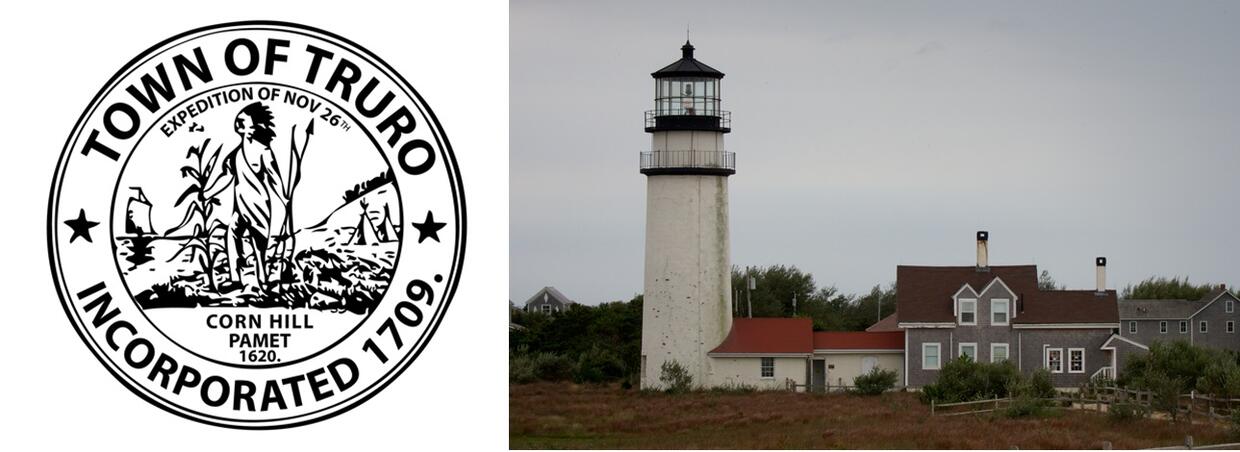
Truro is the site of the Highland Light, also known as Cape Cod Light, the earliest lighthouse on Cape Cod. The first building was erected in 1797 and the current lighthouse was built in 1857. The entire 430-ton light was moved about one-tenth of a mile inland in 1996.
Tyngsborough
- County: Middlesex
- Settled: 1661
- Incorporated: 1809
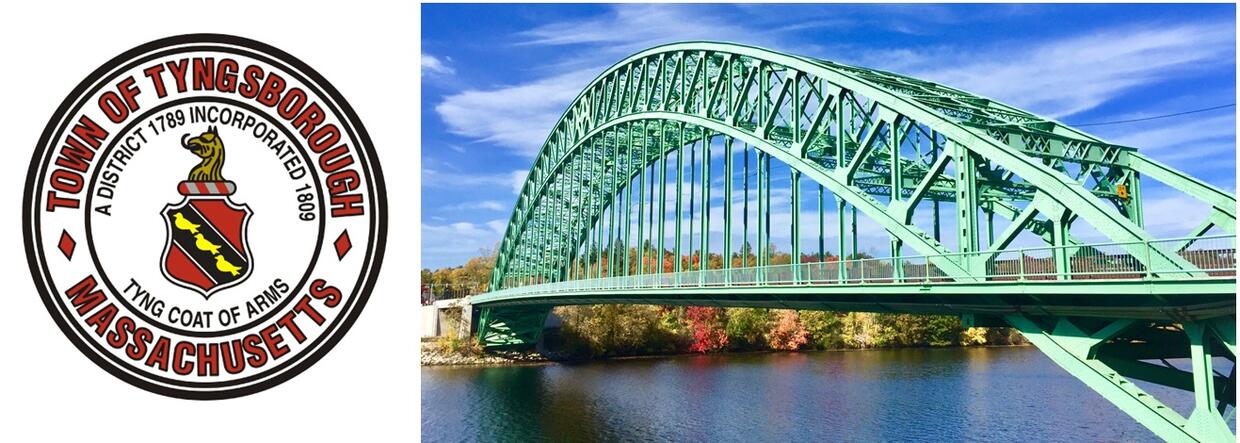
Tyngsborough is bisected by the Merrimack River and is known for its distinctive green bridge: the Tyngsborough Bridge, a 656-foot-long 3-hinged steel trussed rib through arch style bridge built in 1930.
Tyringham
- County: Berkshire
- Settled: 1735
- Incorporated: 1762
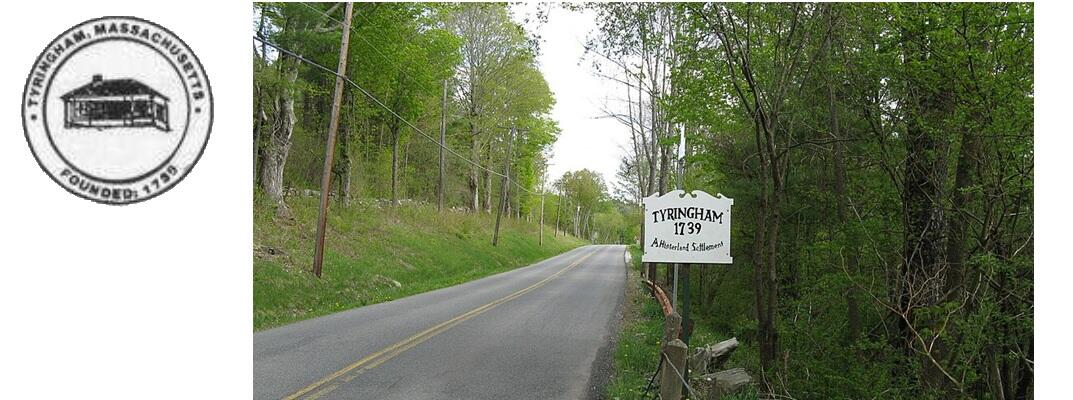
Tyringham was home to the Stedman Rake Factory which proudly presented a rake every year to the President of the United States.
Upton
- County: Worcester
- Settled: 1728
- Incorporated: 1735
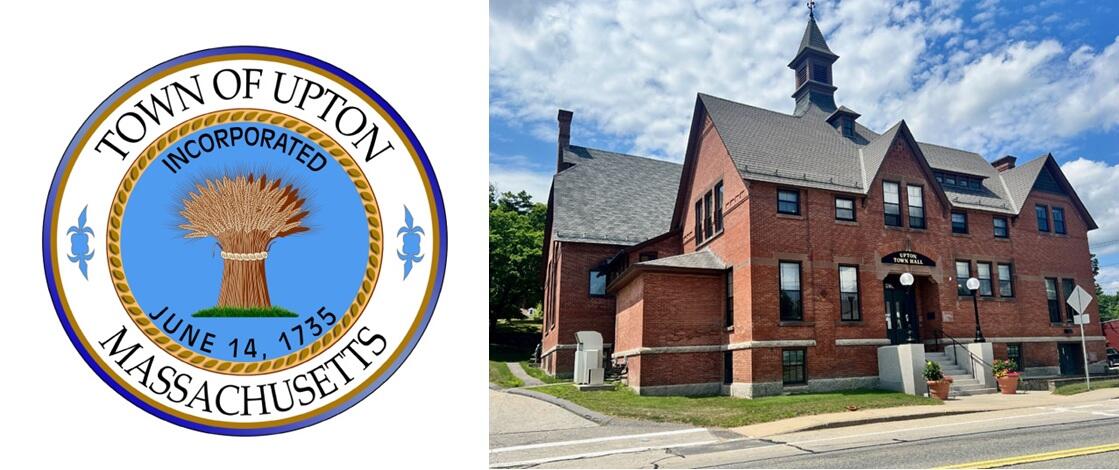
The main industry in Upton for 100 years was boots and shoes. In 1837 the Town's factories produced 21.7% of all of the boots manufactured in Worcester County. This was followed in 1860 by the making of hats and bonnets. The Knowlton Hat Factory in Upton was once the largest hat maker in the world.
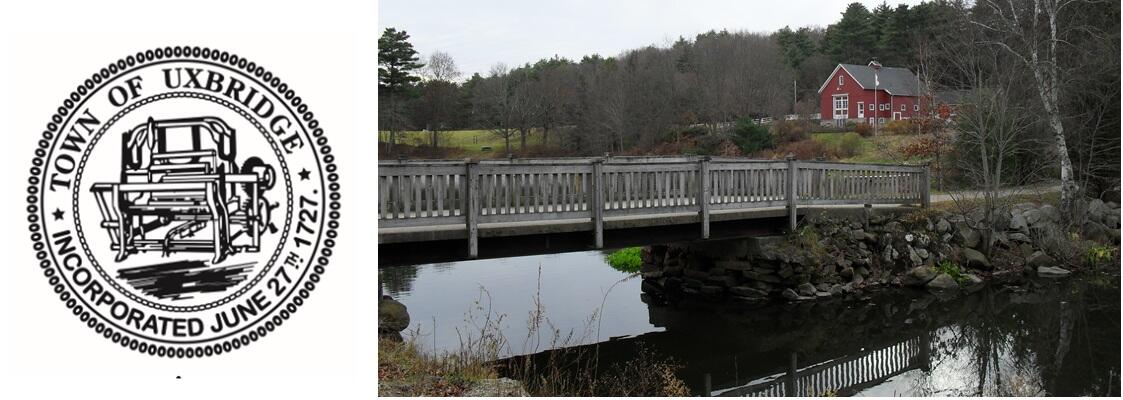
Uxbridge
- County: Worcester
- Settled: 1662
- Incorporated: 1727
As it lies at the midpoint of the Blackstone Valley National Historic Park, Uxbridge is known as the "Heart of The Blackstone Valley" and was a prominent textile center in the American Industrial Revolution.
Wakefield - Yarmouth
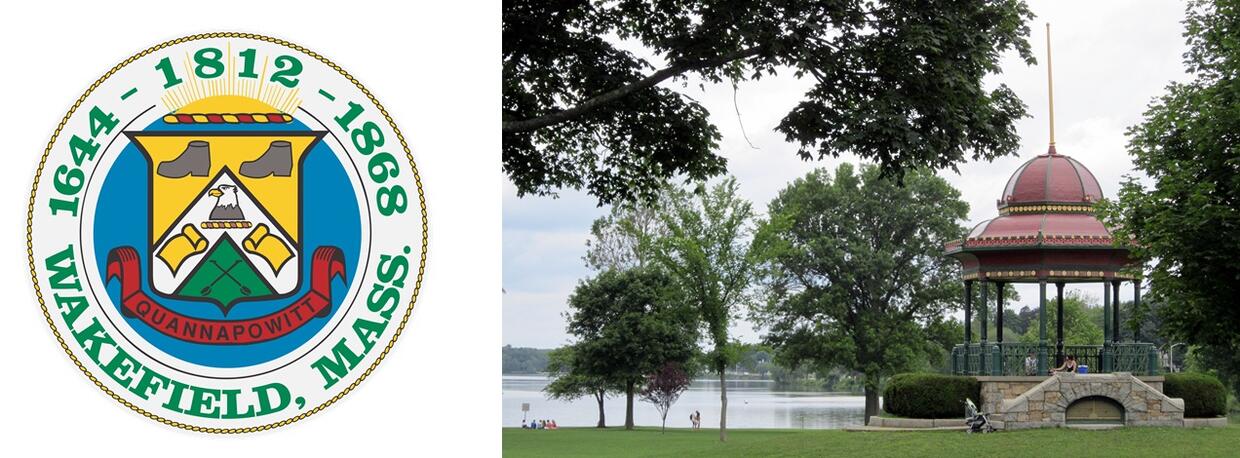
Wakefield
- County: Middlesex
- Settled: 1639
- Incorporated: 1644 (as Reading); 1812 (as South Reading); 1868 (name change to Wakefield)
Paul K. Guillow, Inc., one of the oldest and largest manufacturers of flying model airplane toys in the nation was founded in Wakefield in 1926.
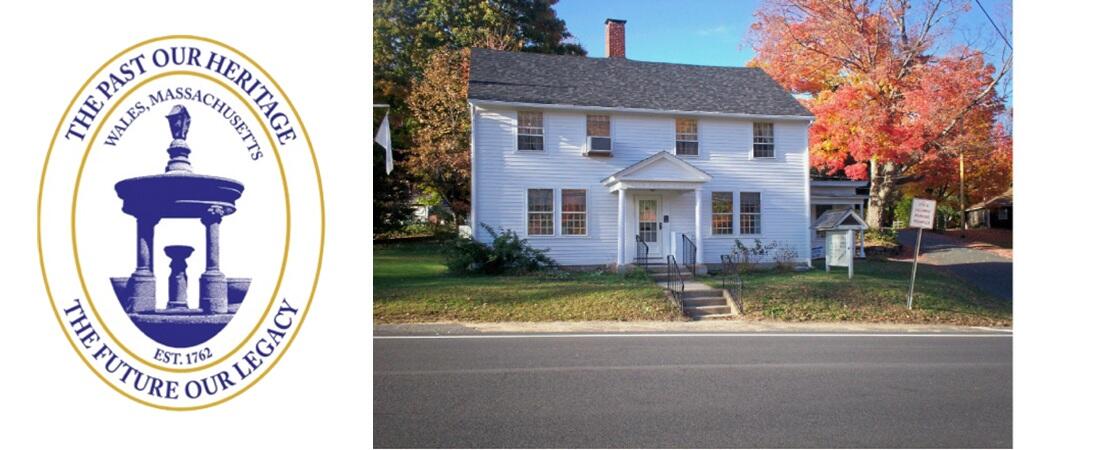
Wales
- County: Hampden
- Settled: 1726
- Incorporated: 1775 (as South Brimfield); 1828 (name change to Wales)
Throughout the 19th century, Wales was a prominent wool producing town that attracted immigrants from Ireland and French Canada.
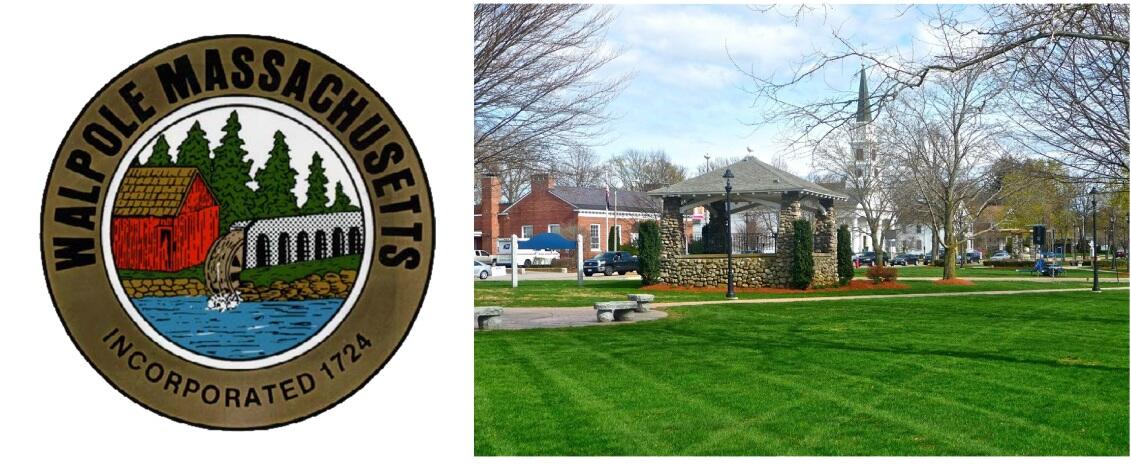
Walpole
- County: Norfolk
- Settled: 1659
- Incorporated: 1724
In 1916, Walpole established the one of the first town forests in Massachusetts, with then Lt. Governor Calvin Coolidge planting the first tree. Today, the Walpole Town Forest offers many great hiking trails for all ages.
Waltham
- County: Middlesex
- Settled: 1634
- Incorporated: 1738
- Became a City: 1884
The first major industrial corporation in the nation, Boston Manufacturing Company, settled in Waltham in 1814 and was the first integrated spinning and weaving factory in the United States to produce finished products from raw materials in one place.
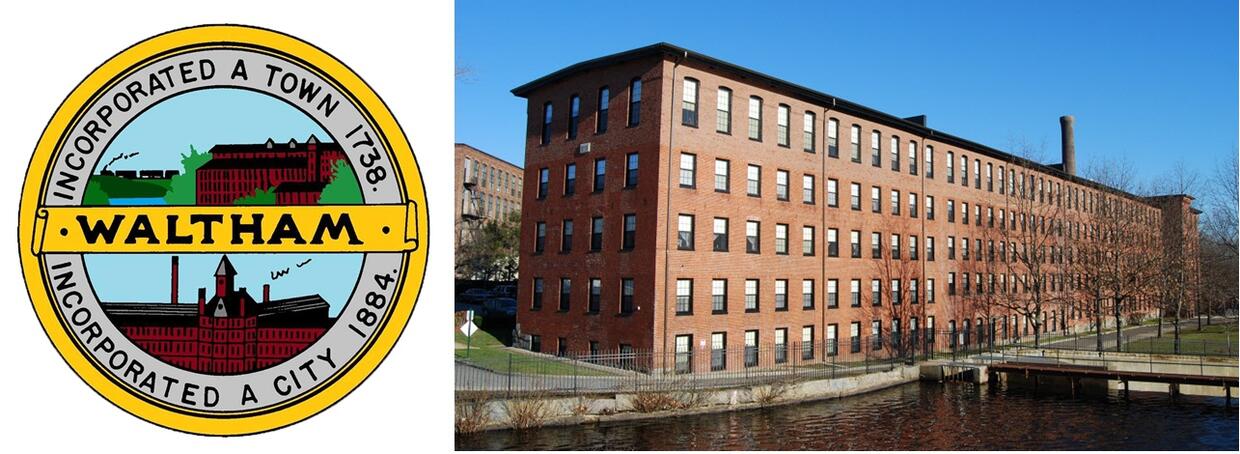
Ware
- County: Hampshire
- Settled: 1717
- Incorporated: 1775
The town’s name is likely derived from the presence of fishing weirs—manmade barriers that direct that passage of fish—in the Ware and Swift Rivers that run through the town. These weirs were used for catching the local salmon, giving Ware a reputation as a prominent fishing town.
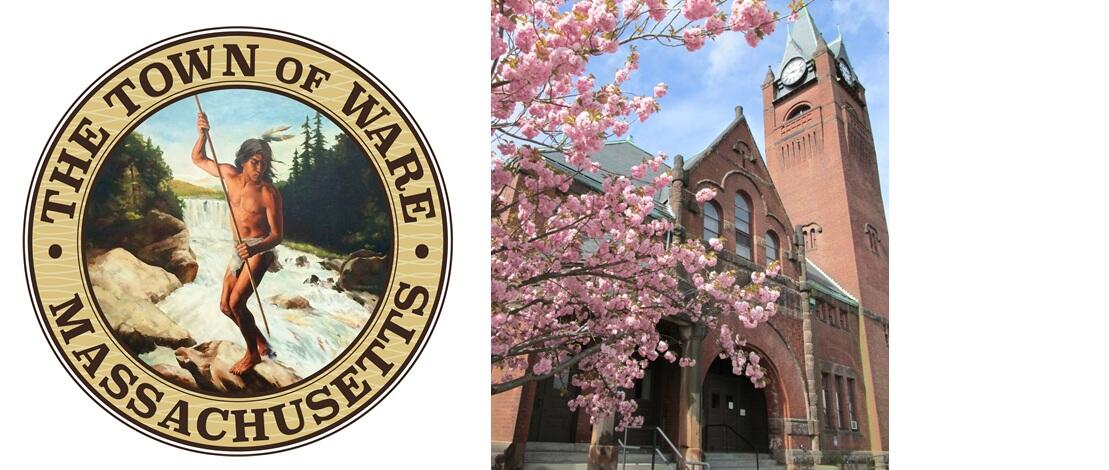
Wareham
- County: Plymouth
- Settled: 1678
- Incorporated: 1739
Wareham is one of the world’s largest cranberry growers and is home to the UMass Cranberry Research Station and the U.S. Department of Agriculture’s Cranberry Marketing Committee.
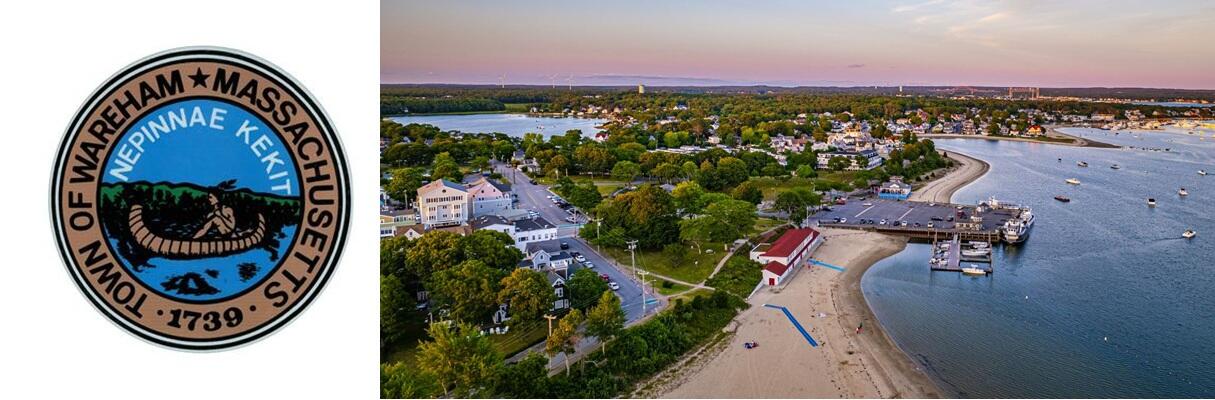
Warren
- County: Worcester
- Settled: 1664
- Incorporated: 1741 (as Western); 1834 (name change to Warren)
The town was renamed Warren in honor of General Joseph Warren, who died at the Battle of Bunker Hill during the American Revolutionary War. The need to rename the town came about due to confusion of the name "Western" with the town of Weston.
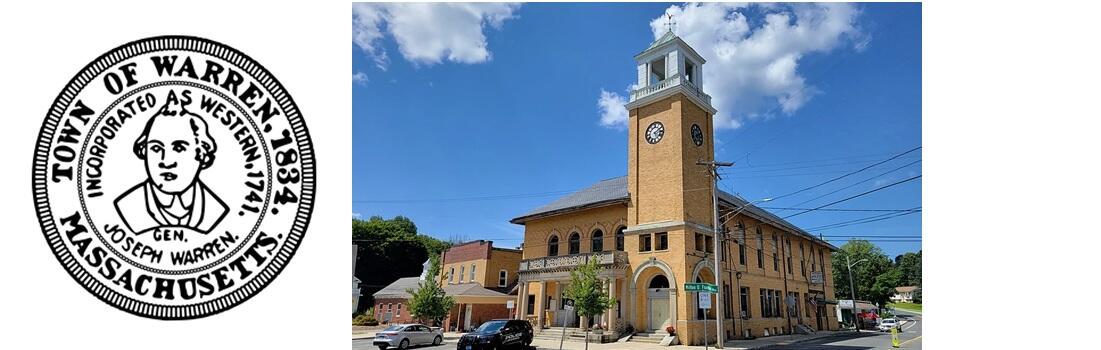
Warwick
- County: Franklin
- Settled: 1739
- Incorporated: 1763
One-third of Warwick’s mountainous land is protected by state forests with Mount Grace dominating much of the area. The town is also home to many large ponds and wetlands, as well as interesting geological formations resulting from ancient glacial activity in the area.
Washington
- County: Berkshire
- Settled: 1760
- Incorporated: 1777
Much of the town of Washington’s geography is taken up by October Mountain, and the Appalachian Trail passes through the town and October Mountain State Forest.
Watertown
- County: Middlesex
- Settled: 1630
- Incorporated: 1630
- Became a City: 1980
The Perkins School for the Blind, originally founded in 1829, settled in Watertown in 1912. The school was the first of its kind, fostering education and independence for students who were unable to see and/or hear.
Wayland
- County: Middlesex
- Settled: 1638
- Incorporated: 1780 (as East Sudbury); 1835 (name change to Wayland)
Wayland is home to one of the oldest taxpayer-funded libraries in the United States.
Webster
- County: Worcester
- Settled: 1713
- Incorporated: 1832
The town is home to Lake Chargoggagoggmanchauggagoggchaubunagungamaugg, also known as "Webster Lake," the third largest lake in Massachusetts. The 45-character name is often regarded as the longest place name in the United States of America and the third longest in the world.
Wellesley
- County: Norfolk
- Settled: 1660
- Incorporated: 1881
Notable poet, Sylvia Plath spent much of her childhood in Wellesley and graduated from Bradford Senior High School, now called Wellesley High School.
Wellfleet
- County: Barnstable
- Settled: 1724
- Incorporated: 1763
A total of 70% of the town's land area is protected, and nearly half of it is part of the Cape Cod National Seashore. Wellfleet is famous for its abundant and flavorful oysters.
Wendell
- County: Franklin
- Settled: 1754
- Incorporated: 1781
Situated 1,164 feet above sea level, Wendell is a mountainous town located on the edge of the Connecticut River Valley. Millers River runs along the northern boundary of the town, and the 7,566-acre Wendell State Forest is located south of the river.
Wenham
- County: Essex
- Settled: 1635
- Incorporated: 1643
During the 19th century, the town became famous for its ice. Wenham Lake Ice achieved recognition for its purity and ability to withstand temperature changes.
West Boylston
- County: Worcester
- Settled: 1642
- Incorporated: 1808
The town's most famous historical resident was the founder of the Old Farmer’s Almanac, Robert Bailey Thomas.
West Bridgewater
- County: Plymouth
- Settled: 1651
- Incorporated: 1822
West Bridgewater is home to War Memorial Park, which having formerly been a forge dedicated to crafting shovels, commemorates one of the earliest industrial areas in the United States and was listed on the National Register of Historic Places in 2008.
West Brookfield
- County: Worcester
- Settled: 1664
- Incorporated: 1848
West Brookfield is the birthplace of notable abolitionist and women’s rights advocate, Lucy Stone. Stone earned her baccalaureate degree from Oberlin College in 1847, making her the first female college graduate from Massachusetts.
West Newbury
- County: Essex
- Settled: 1635
- Incorporated: 1819
Massachusetts-born illustrator and children’s book author, Virginia Lee Burton, used West Newbury as the inspiration for the town where her most popular book, Mike Mulligan and His Steam Shovel, takes place.
West Springfield
- County: Hampden
- Settled: 1655
- Incorporated: 1774
- Became a City: 2000
West Springfield hosts the Big E every year, which is the world’s only multi-state fair representing all six New England States.
West Stockbridge
- County: Berkshire
- Settled: 1766
- Incorporated: 1775
West Stockbridge was once a quarry town, and it is said that much of the marble used in the construction of the Massachusetts State House, Old City Hall in New York City, and the extension of the capital in Washington D.C. came from their quarries.
West Tisbury
- County: Dukes
- Settled: 1669
- Incorporated: 1892
The town of West Tisbury was the last town on Martha’s Vineyard to be officially incorporated into the Commonwealth. Historically, it has been the agricultural heartland of the island.
Westborough
- County: Worcester
- Settled: 1675
- Incorporated: 1717
One of Westborough’s most famous historical residents was Eli Whitney, inventor of the cotton gin.
Westfield
- County: Hampden
- Settled: 1660
- Incorporated: 1669
- Became a City: 1920
Westfield is home to beautiful Stanley Park, which offers access to an arboretum, botanical garden, walking trails, and bustling duck pond.
Westford
- County: Middlesex
- Settled: 1635
- Incorporated: 1729
Paul Revere’s son attended local Westford Academy where a bell cast by Revere himself still can be found in the lobby.
Westhampton
- County: Hampshire
- Settled: 1762
- Incorporated: 1778
Author Edward Everett Hale recounts his childhood summers of visiting his grandfather’s Westhampton home in his book A New England Boyhood and describes the visits as being filled with “absolute and infinite joy.”
Westminster
- County: Worcester
- Settled: 1737
- Incorporated: 1770
Westminster was one of several towns in the Commonwealth that was granted to the soldiers who served in King Philip’s War and their heirs.
Weston
- County: Middlesex
- Settled: 1642
- Incorporated: 1713
Weston offers a host of outdoor activities such as horseback riding, hiking, and cross-country skiing through 60 miles of conservation land.
Westport
- County: Bristol
- Settled: 1670
- Incorporated: 1787
Westport got its name from being the "western most port" in the Massachusetts Bay Colony.
Westwood
- County: Norfolk
- Settled: 1641
- Incorporated: 1897
Westwood is home to a portion of the 1,100-acre Hale Reservation which is a popular spot for hiking, kayaking, and swimming.
Weymouth
- County: Norfolk
- Settled: 1630
- Incorporated: 1635
Shoe manufacturing became a lucrative and successful trade for Weymouth following the opening of the city’s first shoemaking factory. By the 20th century, the shoe industry accounted for 75% of employment for the city residents.
Whately
- County: Franklin
- Settled: 1672
- Incorporated: 1771
Situated on the fertile Pioneer Valley, agriculture has always been an important part of Whately’s economy. Tobacco was one of the town’s chief products, and by 1880 300 acres of tobacco plants were cultivated, annually yielding 1,600 pounds per acre.
Whitman
- County: Plymouth
- Settled: 1670
- Incorporated: 1875
In 1938, Ruth Graves Wakefield invented the chocolate chip cookie in Whitman’s very own Toll House Inn Restaurant. The chocolate chip cookie is now the official state cookie of Massachusetts.
Wilbraham
- County: Hampden
- Settled: 1730
- Incorporated: 1763
The Wilbraham town center is one of the largest designated historical areas in the United States.
Williamsburg
- County: Hampshire
- Settled: 1735
- Incorporated: 1771
Williamsburg is home to Angel Park, close to the Mill River and the Williamsburg Center historic district. The area is surrounded by natural and cultural landmarks, including Petticoat Hill, a 1,180-foot peak and 60-acre open space.
Williamstown
- County: Berkshire
- Settled: 1749
- Incorporated: 1765
Historically, the town's chief industries were dairying and wool production. At one time, the town produced over 200,000 pounds of cheese annually.
Wilmington
- County: Middlesex
- Settled: 1665
- Incorporated: 1730
The Wilmington Town Museum, built in 1770 was once a tavern owned by Colonel Joshua Harnden. The site is believed to have been a stop on the historic Underground Railroad prior to the Civil War.
Winchendon
- County: Worcester
- Settled: 1753
- Incorporated: 1764
In the 1800s, Winchendon had one of the largest toy factories in the world, Converse Toy and Woodware Co., granting the town its nickname of “Toy Town.”
Winchester
- County: Worcester
- Settled: 1640
- Incorporated: 1850
Winchester was once home to the Black Horse Tavern, which served as a meeting place for soldiers during the American Revolution.
Windsor
- County: Berkshire
- Settled: 1767
- Incorporated: 1771
Windsor was originally called "Gageborough," after the Royal Governor and British General Thomas Gage. In 1777, the town petitioned to change its name due to Gage’s loyalist affiliations during the Revolutionary War.
Winthrop
- County: Suffolk
- Settled: 1630
- Incorporated: 1852
- Became a City: 2006
Winthrop is one of the oldest communities in the United States and it is considered the southernmost part of the North Shore. It is is named after John Winthrop (1587–1649) the second governor of the Massachusetts Bay Colony.
Woburn
- County: Middlesex
- Settled: 1640
- Incorporated: 1642
- Became a City: 1889
Captain Edward Johnson helped settle Woburn upon arriving in Massachusetts with the Winthrop Fleet and served as its first town clerk. In 1665, he was appointed to create the very first map of Massachusetts, establishing the Massachusetts-New Hampshire border, as well as the boundaries of existing towns.
Worcester
- County: Worcester
- Settled: 1673
- Incorporated: 1722
- Became a City: 1848
Because it is near the geographic center of Massachusetts, Worcester is affectionately known as the “Heart of the Commonwealth,” with the official town symbol being a red heart.
Worthington
- County: Hampshire
- Settled: 1764
- Incorporated: 1768
Russell Herman Conwell, founder of Temple University in Philadelphia, Pennsylvania, was born in Worthington in 1843.
Wrentham
- County: Norfolk
- Settled: 1660
- Incorporated: 1673
During King Philip’s War, the town was ravaged by fire and ultimately abandoned. Within four years, both old and new residents began to return to the town, and by 1700, Wrentham was again thriving.
Yarmouth
- County: Barnstable
- Settled: 1639
- Incorporated: 1639
In 1970, the beloved local Christmas Tree Shops retail chain was founded at a location on Route 6A in Yarmouth Port where they asked shoppers, “Don’t you just love a bargain?”
Contact
Online
Phone
Open M-F 9 a.m.–5 p.m.
Open M-W 9 a.m.–5 p.m. Closed Th-F *Advance appointments highly recommended