

“All kinds of families can be foster families – and yours might be just what a child needs. ”
Extra love to give
Dana sat quietly in her apartment; the soft hum of her white noise machine created a soothing backdrop.
As a retired accountant, she cherished her alone time but sometimes felt she wanted more. With her nieces and nephews all grown up and off to college, an emptiness settled in. She missed spending time with them, including conversations about life and fun outings together.
One day while reading the newspaper, an ad caught her attention: “Waiting for a sign? This is it. Become a foster parent.” Her heart fluttered. This felt like just what she was waiting for. She wanted to make a difference in a child’s life and decided she could do so as a foster parent. Dana called the number listed and the recruiter helped her with the rest.
After completing her MAPP (Massachusetts Approach to Partnership in Parenting) classes, Dana felt a mix of excitement and nervousness. Her social worker hugged her, said “You’re official,” and it finally sank in.
The first child placed with Dana was a seven-year-old boy named Marcus. He arrived with a backpack and big green eyes filled with curiosity. This was his second time in foster care since he was three years old. On his first night, Marcus chose to sleep on the floor rather than the bed Dana prepared for him. She didn’t push him. Instead, she laid out an extra blanket and a soft pillow, and whispered, “You’re safe here.”
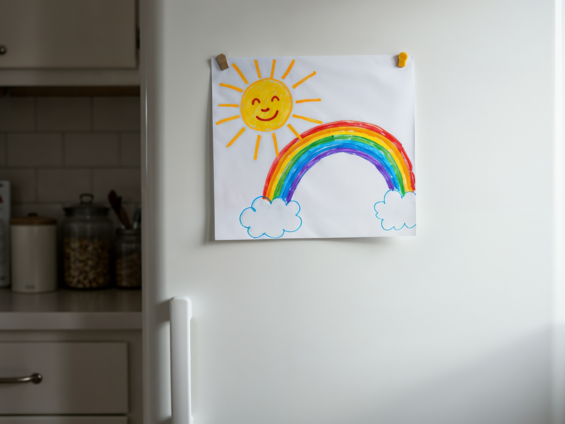
As days passed, Dana learned more about Marcus. He liked hot dogs without ketchup, cats but not dogs, and preferred the subway over the bus. While she cooked, he would often sit at the kitchen table, drawing Pokémon characters on their adventures. When Dana asked about his drawings, he shrugged and said, “They try new moves and get better at things. Sometimes they change into new things.” The next morning, Dana proudly hung one of his drawings on the refrigerator. Marcus smiled shyly. It made Dana happy to see him light up like that.
Their time together was filled with laughter, but it wasn’t without challenges. When Marcus had his tantrums, Dana sought advice from her social worker and family. The support she received helped her navigate the ups and downs with patience. As Dana and Marcus spent more time together, she noticed their lives started to fit — not perfectly, but genuinely.
One sunny afternoon, while they were planting herbs in the window box, Marcus asked, “How long am I am going to stay here?” Dana remembered from her training that it was important not to make promises. Kneeling next to him with her hands covered in soil, she said softly, “You can stay as long as you need.” That small exchange made their connection grow even stronger.
Dana heard about the importance of a child’s connection to their biological family, and while she understood, she wondered how things would work when a child was placed with her. As she began fostering, she worried that collaboration between families might be difficult.
When Dana first met Marcus’ parents at a community center, she felt uneasy. As she and Marcus’ parents talked about Marcus’ bedtime routine and his love of pancakes, Dana reflected on her training and realized that her role was not to choose sides, but to support Marcus. She became a bridge between families, fostering collaboration for Marcus’ safety and well-being.
Through her journey, Dana discovered that fostering was an opportunity to nurture and help a child to heal during a difficult time in their families’ lives, all the while creating a safe space for him to find joy again. She watched Marcus grow happier and more confident. Her story shows that even single people can be foster parents. You can make a difference. All kinds of families can be foster families – and yours might be just what a child needs.
If you ever thought about making a difference in a child’s life, let this be your sign. Becoming a foster parent could change a child’s life, and yours too. Contact us to learn more about becoming a foster parent.