
Winchendon land event
The Massachusetts Department of Fish and Game (DFG), the Department of Conservation and Recreation (DCR), and Mass Audubon have conserved 1,325 acres of forests, fields, and wetlands in Winchendon and Ashburnham. Through partnership with Mass Audubon, Mount Grace Land Conservation Trust, and local leaders, the community came together to protect this land for future generations. This provides crucial habitat for wildlife, enhances climate resilience, and creates new opportunities for outdoor recreation.
Fall fish behavior
Leaves are piling up and the nights are growing chilly, unmistakable signs that autumn has arrived. While the season’s changes are easy to spot on land, quieter transformations are happening in the ponds, lakes, and rivers across Massachusetts. Beneath the surface, freshwater fish are shifting their behavior in response to cooler water and shorter days.
Seasonal changes in water temperature and oxygen levels have a powerful effect on freshwater fish. Because they’re cold-blooded, the surrounding water regulates their body temperature, metabolism, and activity. In general, warm water speeds up their metabolism, while cooler water slows it down. But despite the falling temperatures, many freshwater fish become more active in the fall.
Signaled by the decrease in day length, fish begin feeding heavily to build up fat for the long winter. Feeding strategies used in the summer may also begin to shift. To conserve energy while still gaining calories, predators like largemouth bass stop chasing quick, small baitfish and favor larger prey for a bigger payoff. Bass, northern pike, and pickerel often gather around remaining weed beds, drop-offs, or currents to wait for an easy meal.
As temperatures drop and aquatic plants die back, the water holds more oxygen and maintains steadier oxygen levels. This allows fish to feed actively in various areas of a waterbody throughout the day and night. Coldwater fish, like trout, are no longer confined to deeper waters and can spread out across a waterbody. Warmwater fish like bass, pickerel, crappie, and bluegill, spend time in shallower areas, especially late in the day when the water temperatures are higher.
As you layer up and head out this fall, remember that the fish are making their own seasonal adjustments too. If you like to fish but have never thought of fall as prime fishing season—it’s time to reconsider! Equipped with the knowledge of these seasonal shifts in fish behavior, and these tips for fall fishing, you can take full advantage of one of the most rewarding times of year to cast a line.
Where do turkeys gobble?

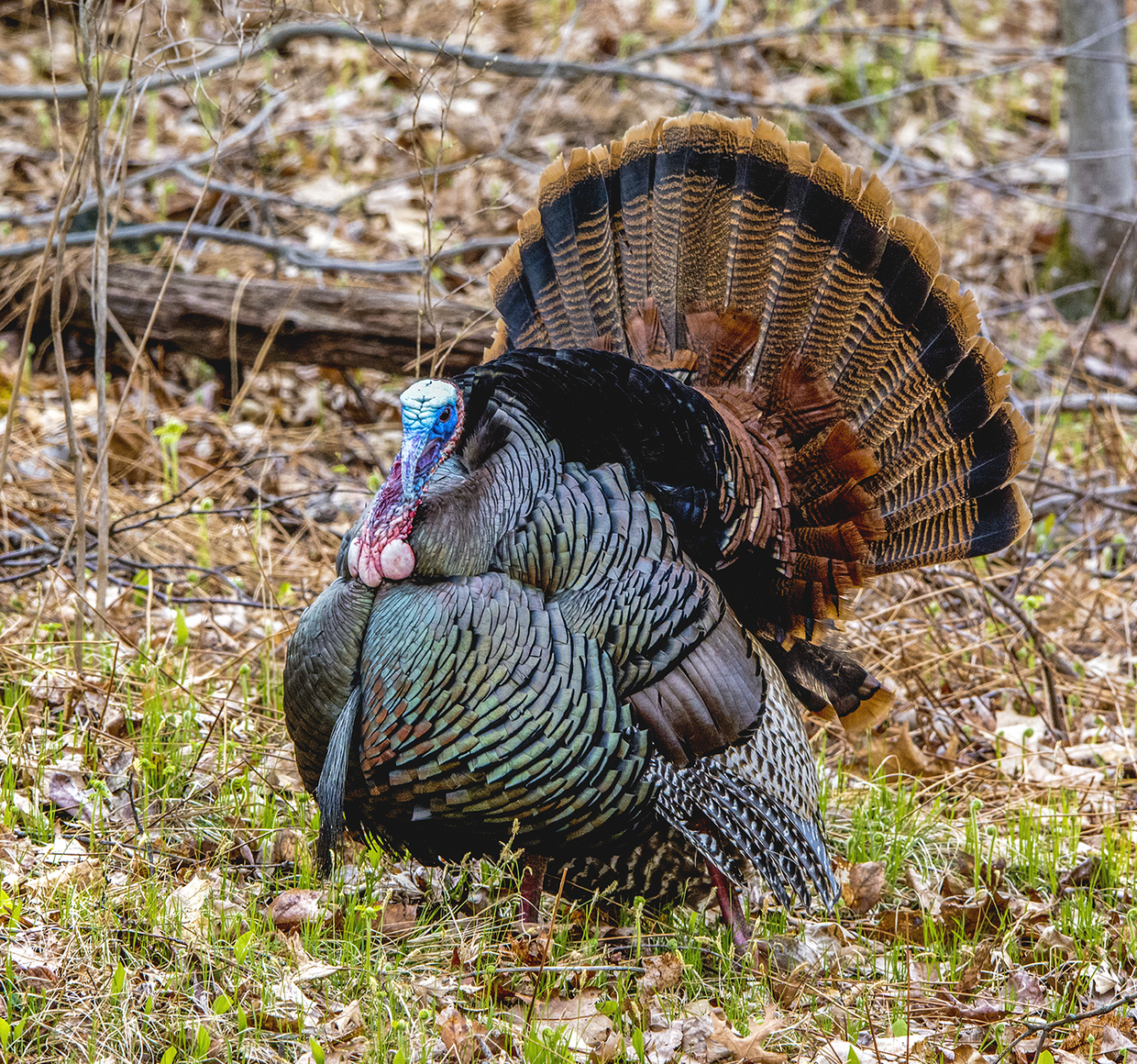
Massachusetts boasts a rich variety of habitats, each region with its own unique character. Yet despite these differences, wild turkeys can be found throughout the Commonwealth. Believe it or not, that wasn’t always the case—wild turkey habitat was once so scarce that turkeys disappeared from the Commonwealth in the mid-1800s. Thanks to successful restoration efforts led by MassWildlife and partners in the 1970s, wild turkeys have made a remarkable comeback and can now be found in every county except Nantucket.
Wild turkeys are habitat generalists meaning they make use of forests, fields, and even developed areas. However, they do best in landscapes where there is a variety of habitat types, allowing them to meet their needs throughout the year. So where do turkeys gobble, peck, and rest?
Foraging turkeys: Wild turkeys seasonally enjoy a diversity of food, including plant material, seeds, nuts, berries, insects, and invertebrates. In the fall, they often forage in mature forests with mast-producing trees such as oaks, hickory, or beech. If you are on the hunt for wild turkey, look for areas where turkeys have scratched through the leaves to find nuts and other food items on the ground.
Strutting turkeys: During mating season in the spring, male turkeys (toms) go to great lengths to attract females (hens). To show off their fitness, toms will gobble, puff their features, fan out their tails, and strut around while dragging their wings. This kind of performance requires an open stage, which could include fields, open woodlands, and forest clearings.
Raising turkeys: Turkeys are ground nesting birds and use a variety of different nesting habitats, including forest edges, shrubby areas, or sometimes in tall grasses in hayfields or pastures. Turkey poults (baby turkeys) can leave the nest within the first 24 hours of hatching and turkey hens rely on thick vegetation to protect their young from predators. During the summer, turkey poults favor protein-rich insects found in grasslands and other habitats, which enables the poults to grow and mature quickly.
Sleeping turkeys: Wild turkeys are active during the day and need a safe place to catch up on some z’s when the sun goes down. Turkeys fly in short bursts to roost in large trees. Roosting high off the ground keeps them safe from predators that are active at night, like coyotes and bobcats. Turkeys often select hardwood trees for roosting but may seek a more sheltered perch in hemlock trees during cold, windy nights.
Wild turkeys rely on a mix of forests, fields, and open areas to meet their needs throughout the year. The next time you see a wild turkey, take a moment to think about the variety of habitats that support its life and allow it to thrive across Massachusetts.
A closer look at deer breeding season
Rut is a term used to describe the behavior of deer during the breeding season when males pursue females that are in estrous and ready to breed. The rut can range from several months in southern states like Florida to a short window of time in the fall in the Northeast.
In Massachusetts, the peak rut is between November 6 – November 20. Timing of the rut is related to the period of daylight and has nothing to do with temperature, rain, snow, or moon phase, contrary to commonly held beliefs. As the season progresses and the amount of daylight decreases, hormones elevate in both bucks and does and create the urge to breed. This timing ensures that all fawns will be born at an optimal time in spring that will increase their chances of survival.
Rut phases
Pre-Rut (late Sept–Oct): During this time, maternal groups of deer consisting of does with offspring concentrate on feeding to increase their fat supplies for the winter and the demands of future pregnancy. Bucks are also focused on building fat supplies to prepare for the physical exertion of the rut. Bucks start marking their territory by rubbing trees, scraping the ground, and depositing scent.
Rut (early–mid Nov): Deer are typically most active close to dusk and dawn. But during the rut, deer often abandon their habit of bedding down during the day and instead move around in search of a mate. Bucks spend a lot of time chasing does—in fact some bucks can lose up to 20% of their body weight during this time since they are constantly on the move and spend little time eating. Both bucks and does move a lot during the rut and are more distracted, which leads to a seasonal spike in deer-vehicle collisions.
Post-Rut: As the rut begins to taper off, both males and females start to focus more on food. It’s especially important for bucks to regain their weight after their exertion during the rut. Bucks start to decrease their daytime activity once more. During this time, males are still interested in breeding if the opportunity presents itself.
Deer breeding season is short but full of activity. Whether you’re in the woods or just driving by, it’s a good time to stay alert and enjoy one of nature’s busiest times of year.
Hunting during the rut?
Learning about the distinct behaviors of bucks during the rut can give you an advantage.
Help MassWildlife combat hunger this giving season
November marks the arrival of crisp autumn air, the excitement of fall hunting, and the start of the giving season. In celebration of all 3 seasons, MassWildlife is proud to announce that the Hunters Share the Harvest venison donation program has expanded once again for 2025. This impactful program allows licensed hunters to donate venison to those in need, while supporting forest conservation by utilizing hunting to manage deer populations.
Fittingly, the Share the Harvest Program first launched on Thanksgiving Day 2022. In its pilot year, more than 3,000 meals were distributed to 378 families through the Food4Vets program. Since then, over 60,000 nutritious meals have been donated to food insecure Massachusetts households. For the 2025 deer hunting season, we’re happy to share that there are now 18 participating processors, making the opportunity for hunters to donate deer more accessible than ever. We’ve also expanded to over 20 food distribution partners across the state, including Ludlow Veterans Center, Rachel's Table of Western Massachusetts, Damien’s Food Pantry, Wampanoag of Aquinnah’s Kinship Heals, Loaves & Fishes Food Pantry, Northampton Survival Center, Worcester County Food Bank, Nourishing Nantucket, and more. Thanks to generous hunters, we have already distributed over 2,500 pounds of venison to food distribution partners this year and are on track to have a record number of deer donated this season.
In addition to providing an organic, low-carbon source of lean protein to families facing food insecurity, this program has also been useful at facilitating conversations with the public about the importance of regulated deer hunting to ecosystem conservation. High deer densities negatively affect forest health through overbrowsing vegetation and can result in significant agricultural damage for local farmers. With help from this venison donation program, licensed hunters can continue to play an important role in deer management even after their freezers are full as they have an outlet to donate deer to those in need.
Support MassWildlife's Hunters Share the Harvest Program
This program would not be possible without participating processors and the donation of harvested deer by hunters. Additionally, monetary donations help cover the processing and packaging costs for donated meat. A donation of $50 will provide about 75 servings of meat for families in need. You can make a monetary donation online or by mail using the instructions below.
How to make a monetary donation
Online: Go to the MassFishHunt Donate Page and add a donation to "Hunters Share the Harvest" to your cart. Use a credit card to pay and follow the instructions to log in to an existing MassFishHunt account or check out as a guest.
By mail: Make checks payable to Massachusetts Division of Fisheries and Wildlife (please write HSH Program in the memo) and mail it to:
MassWildlife
Attn: Hunters Share the Harvest Program
1 Rabbit Hill Rd
Westborough, MA 01581
If you’d like to know more about the Hunters Share the Harvest Program, visit mass.gov/sharetheharvest.
New magazine
Our newest magazine issue is out! Learn about the southern pine beetle, prescribed fire, and avian influenza by subscribing today.
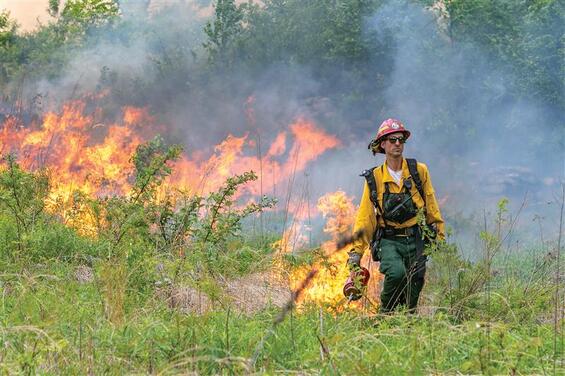
Photo by Troy Gipps/MassWildlife