

Visit Let's Talk Risk for conversation starters and interactive games about problem gambling.
Defining risk
Risk is a part of growing up. We expect teens to test limits as they gain independence. But when young teens experiment with alcohol, drugs, and gambling, they put themselves at a higher risk for addiction later in life. It’s important to talk to youth about gambling—just as you would talk about other issues that could impact their health. Starting a conversation with youth now can help to prevent gambling from becoming a problem for them later.
- Gambling is illegal for young people under 18.
- Gambling disorders can begin in children as young as 10 years old
- By the time they get to high school, 60-80% of students reported that they gambled at least once in the past 12 months
- Teens who gamble are more likely to use illegal drugs
- Among all addictions, gambling is linked to the highest suicide rate
Why is this a problem?
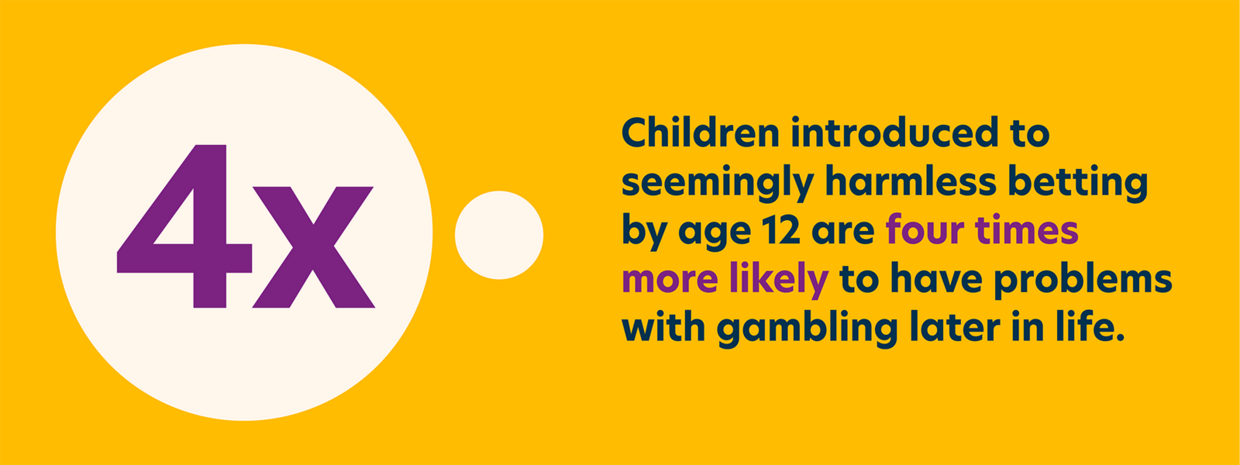
Research shows that children introduced to seemingly harmless betting by age 12 are four times more likely to have problems with gambling later in life. This can also include online games with features that are similar to gambling. The parts of the brain that receive a “rush” of reward from substances are also stimulated by gambling. Since their prefrontal cortexes (the brain’s logic center) aren’t fully developed, youth often have difficulty assessing risk and making healthy choices for themselves. So that “win” on a mobile app or Roblox game today can lead to unhealthy real-life gambling, and all its negative side effects, tomorrow.
How to protect youth from problem gambling
Model healthy gambling behavior at home:
- Rethink your participation in lotteries or in-person gambling such as poker games
- Establish clear rules concerning your child’s time spent online and playing games involving betting
- Ask your child for more information the next time they want to use your credit card to make a purchase connected to a game
Let's Talk Risk
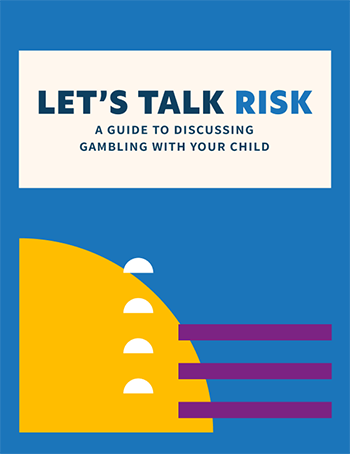
Find more tips and conversation starters in our toolkit:
Youth & Risk: A problem gambling toolkit
Visit Let's Talk Risk for conversation starters and interactive games about problem gambling.