- Division of Marine Fisheries
How Massachusetts Biodiversity Goals Support Sustainable Fisheries
On August 21, 2025, the Division of Marine Fisheries (DMF) was pleased to join Governor Maura Healey, partners from commercial and recreational fishing, and the public to announce nation-leading Biodiversity Conservation Goals for Massachusetts.
Called for by Executive Order No. 618, this is the first time a state has comprehensively set biodiversity targets for 2030, 2040, and 2050, including for coastal and marine habitats. This ambitious, whole-of-government approach charts a path forward to rebuild biodiversity and invest in nature to sustain our health and well-being, food security, economy, and way of life.
What is biodiversity?
Quite simply, biodiversity is the abundance and variety of life. In our marine environment, this includes all the species, habitats, and complex interactions that make up the web of life. From the phytoplankton and zooplankton at the base of the marine food web to migratory river herring, striped bass, and bluefin tuna to shellfish, lobster, and Jonah crab to great white sharks and humpback whales, and everything in between.

Biodiversity is the foundation for life—it anchors our history, heritage, and culture, supports our health and well-being, food security and economy, and enriches our lives. With over 1,500 miles of coastline, 2,500 square miles of state ocean waters, and 45,000 acres of salt marsh, our state is defined by its unique biodiversity. Massachusetts is the "Bay State” with a rich maritime heritage connected to our barrier beaches, rocky cliffs, and working waterfronts. Biodiversity supports sustainable fisheries and our state’s nation-leading blue economy. In 2021 alone, Massachusetts’ blue economy generated $8.3 billion and created 87,000 jobs. In 2022, the ex-vessel value of seafood landed in Massachusetts was $687 million. Annually, our marine species richness and availability support millions of angler fishing trips.

Despite its critical value, biodiversity is declining at an unprecedented rate. This crisis is driven by many factors—habitat loss, pollution of our lands and waters, poorly-planned development, and invasive species—all of which are amplified by climate change. Massachusetts has lost over one-third of historic wetlands and over 50% of eelgrass in our estuaries since 1990s. Dams, undersized road culverts, and excess pavement interrupt fish and wildlife migration. Pollution from stormwater runoff and sewage overflows threatens public health and our blue economy.
What does this mean for marine fisheries?
The Massachusetts Biodiversity Goals establish an ambitious, 25-year plan to halt and reverse biodiversity loss. The plan sets four key goals—Protect, Restore, Sustain, and Connect—each with specific strategies for action, timelines for implementation, core commitments, and foundations for success.
To set the goals, the Department of Fish & Game, including DMF, comprehensively reviewed existing global, national, and state efforts and embraced diverse public input. Over 2,000 individuals and organizations were engaged throughout the public process, and public feedback was directly incorporated from numerous commercial fishing and recreational fishing organizations.
Notably, this plan commits to doubling the pace of land protection to achieve 30% by 2030 and 40% by 2050 and restoring 75% of our most important habitats for wildlife by 2050. For the marine environment, the goals center around marine habitat restoration, curbing ocean pollution, supporting our blue economy, and connecting all people with the wonders of our ocean.
Here's an overview of Massachusetts Biodiversity Goals related to the marine environment. To see the full Massachusetts Biodiversity Goals, visit mass.gov/biodiversity to download the report.
GOAL #1 – Protect
- Comprehensively Map Marine Habitats: Essential habitats such as kelp/marine macroalgae that are important for healthy fish populations are not comprehensively mapped. Through partnerships with federal and state agencies, Tribes, commercial fishing, conservation, and academic experts, key coastal and marine habitats will be comprehensively mapped to inform the Ocean Management Plan, further our understanding of ocean life, and inform decisions around habitat restoration.
- Protect Ocean from Pollution: One of the biggest threats to marine biodiversity is nutrient pollution from stormwater runoff and sewer and septic systems. The plan calls for an increase in state investment in sewer separation, wastewater treatment, and green infrastructure in coastal watersheds to protect ecosystem health, public health, and the shellfish and aquaculture industry from economic losses.
- Reduce Plastics in Marine Environment: The plan calls for reducing single-use plastics, which enter waterways and harm fish and wildlife; supporting the installation of trash booms on urban rivers; increasing support for volunteer trash cleanups of our rivers, coasts, and marine environment; and supporting cleanups of marine debris and ghost or derelict lobster gear, with commercial fishers, partners, and the public.
- Consideration of Cashes Ledge National Marine Sanctuary: In 2024, Cashes Ledge—a unique marine habitat in Gulf of Maine federal waters—vital for fish and marine mammals, was nominated for consideration as a new National Marine Sanctuary. Under this designation, discharges, marine construction, or exploitation for oil, gas, or minerals would be prohibited. Access to traditional uses such as sustainable commercial fishing would be preserved, as in nearby Stellwagen Bank National Marine Sanctuary. The plan calls for Massachusetts to support federal designation of Cashes Ledge as a National Marine Sanctuary to preserve and protect this vital resource for future generations, enhance research and monitoring, and promote public education and appreciation of the region.

GOAL #2 – Restore
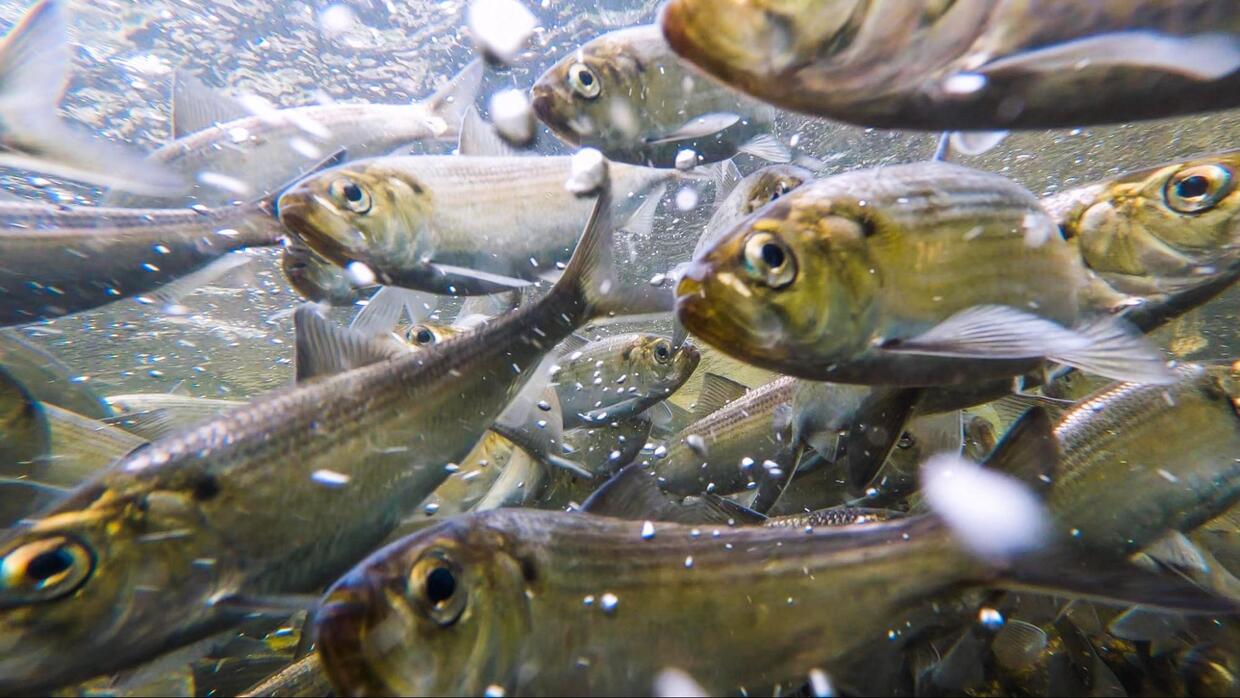
- Restore Fish Passage in All Coastal Watersheds: The plan will launch a comprehensive approach to restoring water quality and streamflow, coastal resilience, and fish passage in every coastal watershed in Massachusetts. This effort will aim to reestablish river herring, American eel, American shad, and other migratory fish to their historic ranges, build fish ladders on coastal rivers where dam removal is not feasible, and support local herring celebrations, fish counts, and Indigenous food sovereignty.
- Restore Salt Marshes & Facilitate Migration: The plan will restore salt marshes from historic human impacts like tidal restrictions, ditches, and fill to boost coastal resilience, carbon sequestration, and marine fisheries productivity. Tidal and transitional crossings in all coastal wetlands and projects with the greatest benefit for coastal resilience, wetland health, and facilitation of salt marsh migration will be prioritized for restoration.
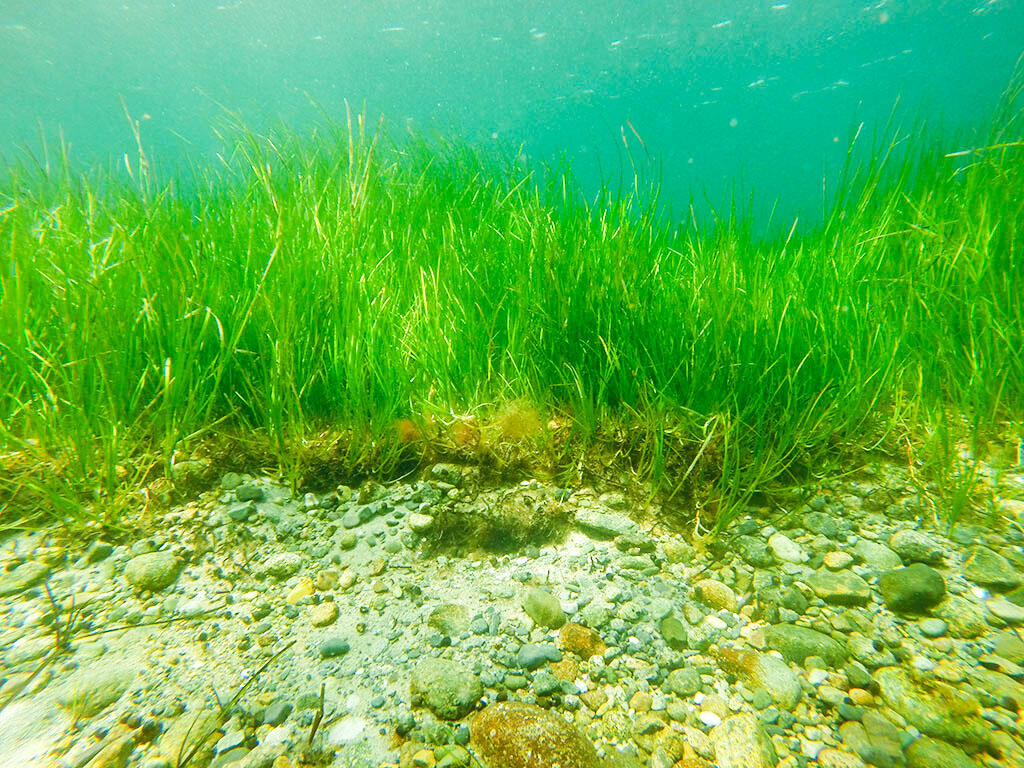
- Restore Important Marine Habitats: Goals for 2030, 2040, and 2050 with federal, state, municipal, Tribal, academic, conservation, and commercial fishing partners for eelgrass, kelp and rockweed, complex hard bottom, naturally occurring shellfish, and other unique or sensitive habitats will be set. These goals will target increased artificial reef deployments and oyster reef restoration in areas where naturally occurring marine habitats have been lost to improve coastal resilience, water quality, marine productivity, and recreational fishing opportunities; increased monitoring at existing artificial reef sites to better understand marine biodiversity; and restoration of these critical habitats will boost marine productivity and resilience of sustainable fisheries, even amid climate shifts.
GOAL #3 – Sustain
- Sustain Our Blue Economy: The plan will sustain our nation-leading blue economy, commercial and recreational fisheries, and aquaculture industry by investing in marine habitats and biodiversity, climate resilience, and water quality, and supporting working waterfronts with grants to enhance resilience of shoreside infrastructure, business operations, public health and shellfish testing, and accessible fishing piers and docks.
- Support Local Food Systems: The plan will strengthen outreach and communications campaigns promoting fresh, local Massachusetts-grown agricultural and marine aquaculture products; healthy, sustainable wild harvest seafood; local wood products; and foraged foods. These choices will be connected to biodiversity, sustainability, reducing one’s climate and ecological footprint, supporting local economies, and strengthening culture and community resilience.
- Increase Food Security with Wild Foods: The plan will increase the amount of sustainable seafood and venison provided to people experiencing food insecurity through the expansion of the MassWildlife Hunters Share the Harvest program, launch of Division of Marine Fisheries Share the Catch program for seafood, and the Department of Agricultural Resources Food Ventures program.
GOAL #4 – Connect
- Nature in the Schools: The plan will launch the Nature in our Schools Initiative to increase nature literacy for all students. Through this initiative, teams will identify gaps in nature-based curriculum and develop programming focused on nature and biodiversity for K–12, after-school, and summer programs; expand support for existing environmental education programs like Envirothon, a leading environmental education program for high school students, and Teaching with Trout; and fund a free state parks pass program for families with children in the 4th grade.
- Nature at Work: Modeled on the Clean Energy Center Workforce Needs Assessment54, a Biodiversity Workforce Assessment will identify gaps, licenses, and trainings needed to launch the next generation of biodiversity stewards. The plan will develop targeted Career Innovation Pathways for careers in biodiversity conservation and restoration for high school and vocational-technical programs and create the Governor’s Youth & Elders Biodiversity Council and create paid internship opportunities.
- Nature for All: The plan will launch a public engagement campaign to promote biodiversity stewardship; develop a Commonwealth Biodiversity Trail and declare an official Massachusetts Biodiversity Day; expand participatory science and long-term volunteer efforts for biodiversity monitoring and stewardship; increase Universally Accessible Trails for people with disabilities through Trails for All; create a state-of-the-art outdoor skills education facility near public transportation; and support development of a visitor center for Stellwagen Bank National Marine Sanctuary.
By Julia Hopkins, Communications Director at Department of Fish and Game