- Division of Fisheries and Wildlife
Media Contact
Media Contact, MassWildlife
1. Legacy of a log
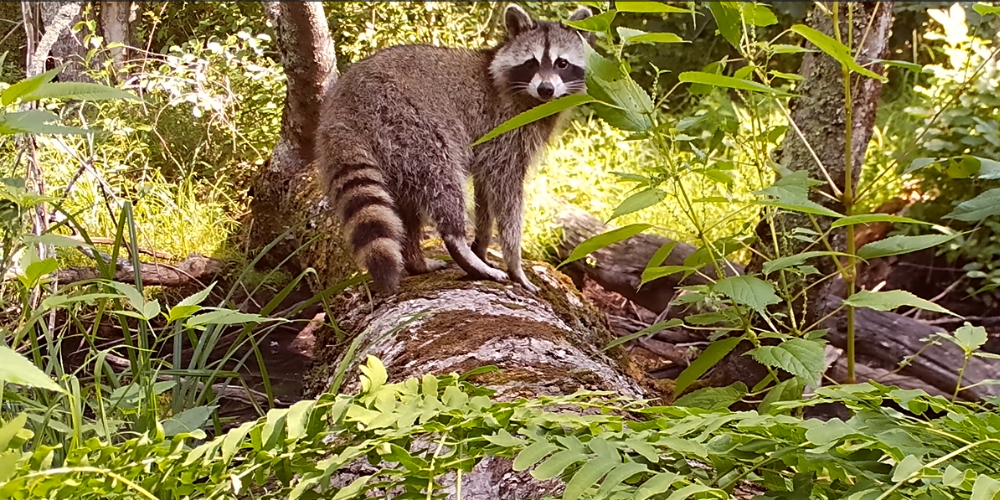
If a tree falls in the forest and no one is around to hear it, does it really make a sound? While we may not have the answer to this age-old question, it’s clear that fallen trees make a big difference to wildlife whether someone hears it or not! Fallen trees provide animals with food, shelter, and sometimes a convenient walkway, especially trees that fall around brooks, streams, and rivers. These fallen logs can create natural highways for wild animals of all sizes to cross and access more suitable habitat. Watch the short video of trail camera footage revealing the surprising variety of wildlife that make use of a single fallen log.
2. Dance of the American woodcock
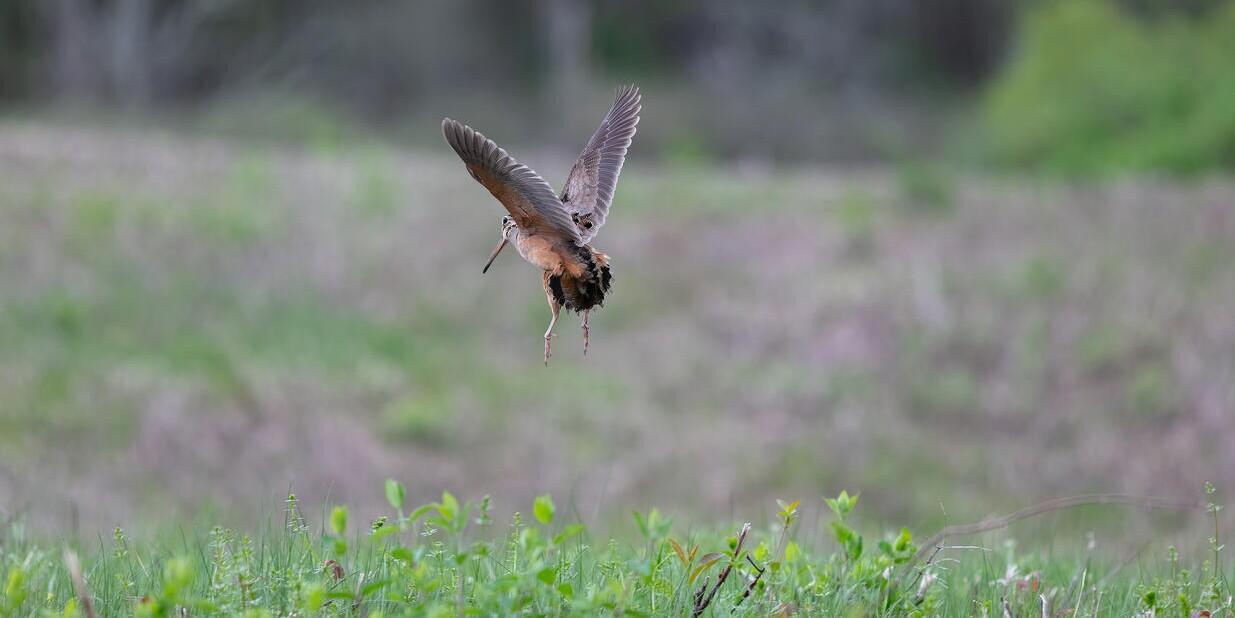
Each spring, American woodcock males get ready to carry out one of nature’s most mesmerizing performances. Their courtship display, also known as the “sky dance,” is a remarkable aerial performance conducted during the woodcock breeding season which begins in March. To attract females and establish their territory, males will perform a complex set of vocal and physical maneuvers to show their fitness. Learn more details about the big show and how you can view the dance of the woodcock.
3. Veggie vandals: Protecting your gardens from wildlife
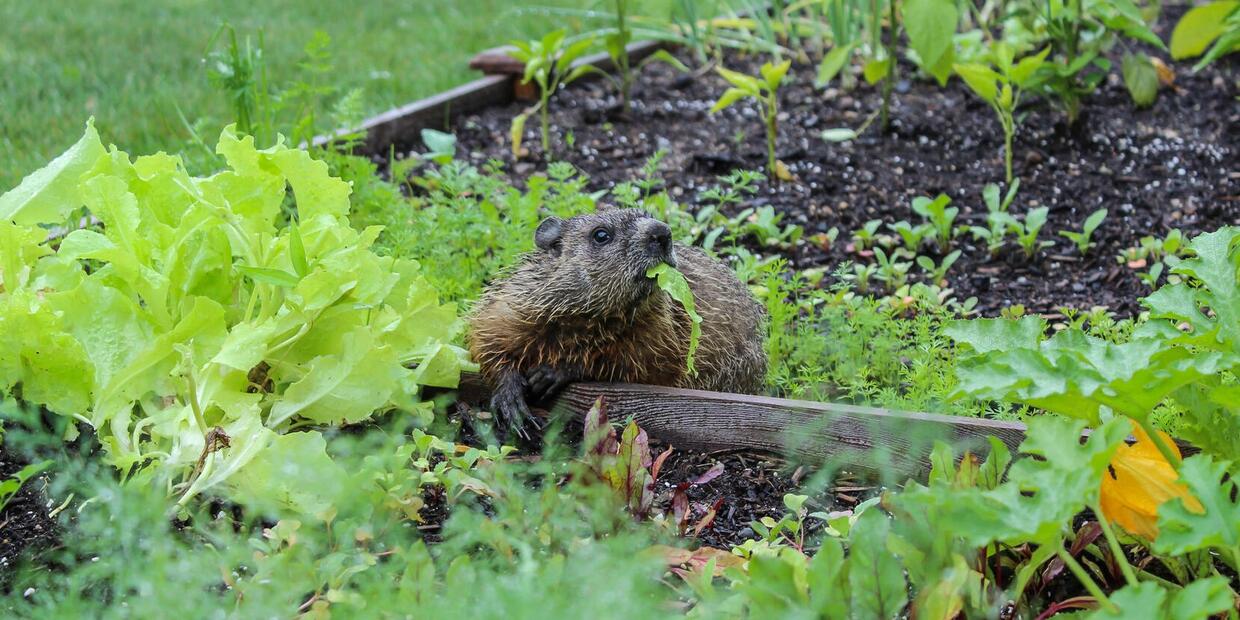
Many gardeners know the frustration of tending their plants all season only to discover that wildlife have enjoyed the harvest first. Woodchucks, rabbits, squirrels, and deer view our garden greens as a natural part of their diet and will happily snack on them when given easy access. While there’s rarely a single foolproof method for keeping wildlife out for good, a thoughtful mix of effective strategies—and a bit of creativity—can help ensure you get to enjoy the fruits (and vegetables) of your labor. Learn how you can prevent your plants from becoming a snack for woodchucks, rabbits, squirrels, and deer.
4. Cicada chorus on the Cape
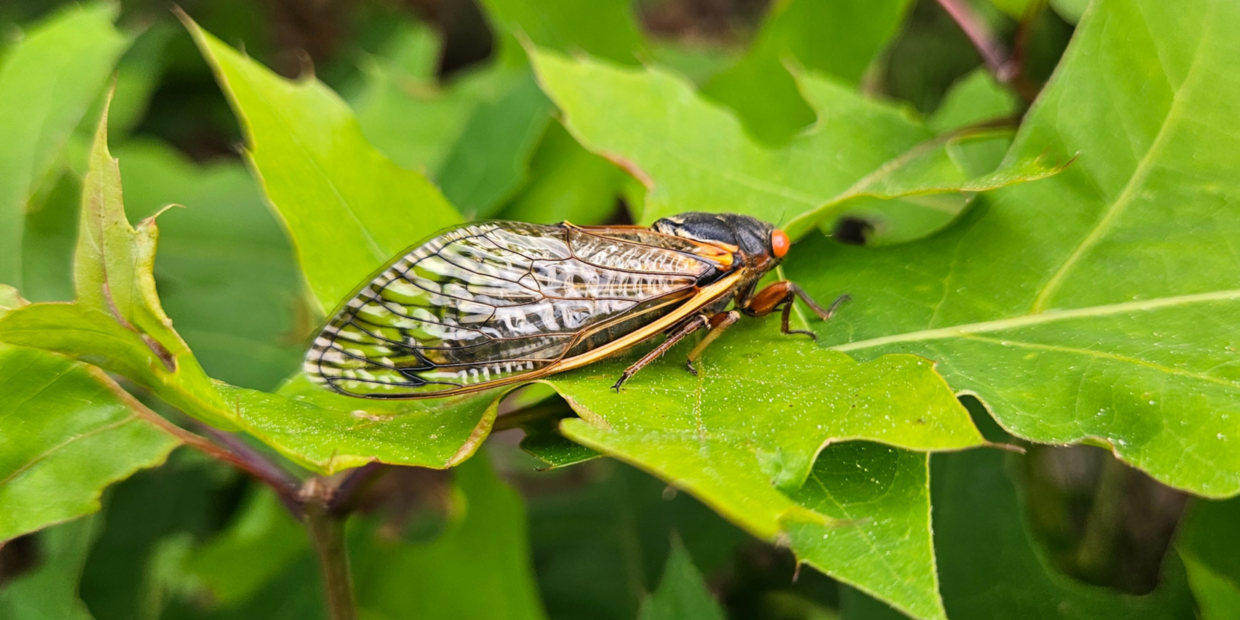
This summer, residents and visitors to Cape Cod were greeted by the distinct hum of cicadas. Massachusetts is home to annual cicadas that emerge each summer, but this year, Cape Cod experienced a rare emergence of Brood XIV periodical cicadas, which surface only once every 17 years. These cicadas last emerged in 2008 and spent 17 years underground as immature nymphs. They emerged as mature adults, waited for their wings and bodies to harden and then took flight to search for a mate. Males produce their distinctive buzzing sound to attract females to their location and females select their mate from the performers. Learn more about the life cycle of cicadas and how they benefit other wildlife.
5. Paddle, fish, explore!
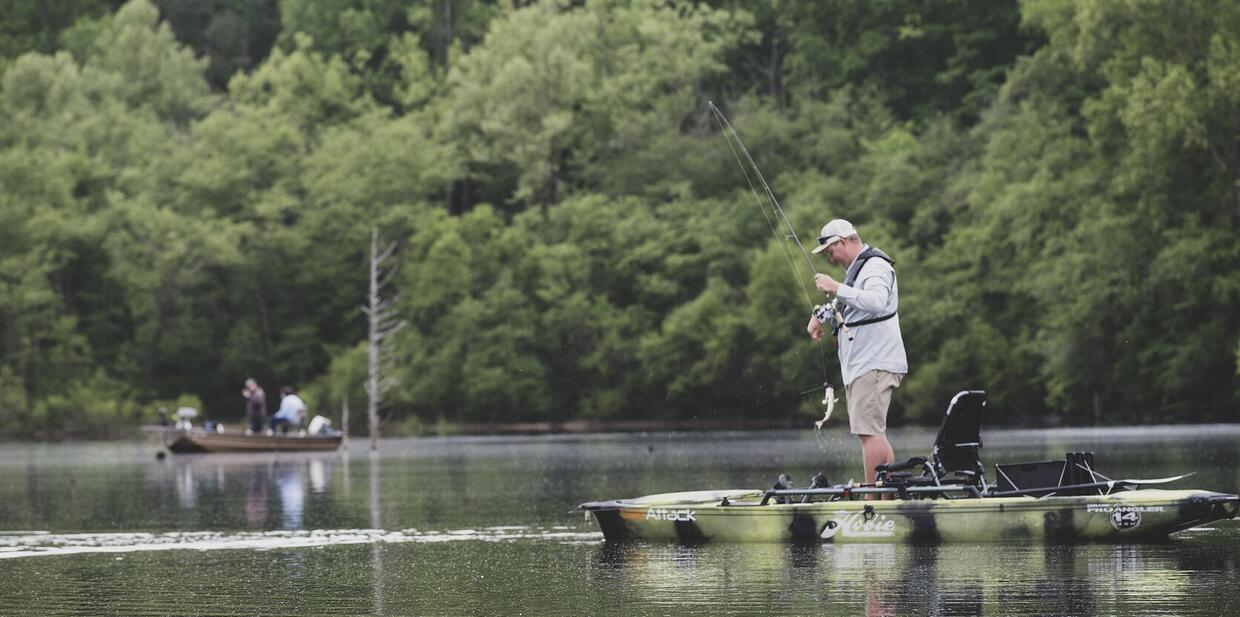
Paddling a kayak or canoe is a great way to experience the outdoors—whether you're seeking solitude, watching for wildlife, or casting for a keeper. In an ongoing effort to improve fishing resources for anglers in the Commonwealth, MassWildlife upgraded the Go Fish MA! digital fishing map. We added hundreds of new cartop boat launch locations, making it easier than ever to find places to kayak or canoe and enjoy a day on the water. Check out the top 10 fishing spots to explore by boat.
6. Freshwater turtles field guide
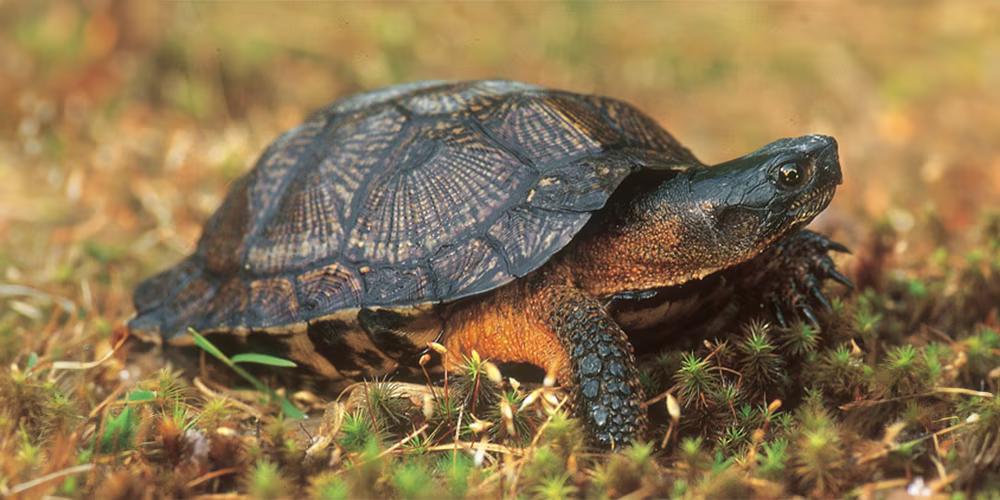
Found in a variety of habitats, 10 species of native freshwater turtles call Massachusetts home. Deepen your appreciation for nature by learning to identify the turtles you may see on your next outdoor adventure or in your own backyard. Start by learning how to identify each species, if they are common or rare, who they are most often mistaken for, and what their habitat preferences are. Learn about the colors, patterns, habitats, and behaviors of our freshwater turtle species.
7. Land protection highlights
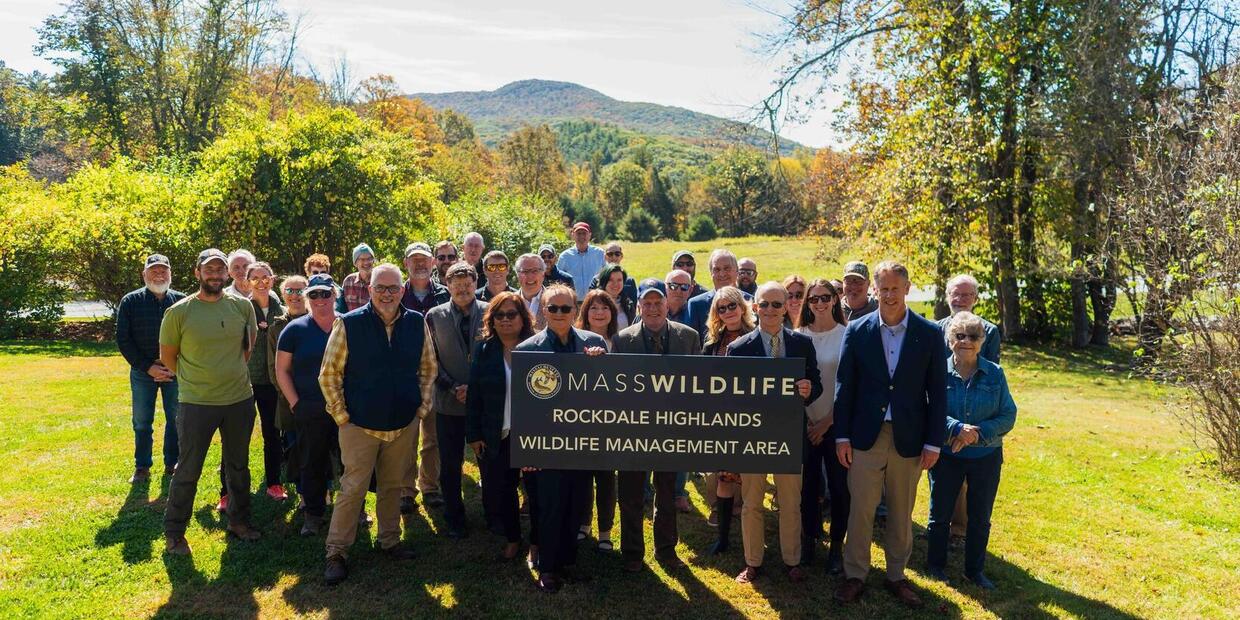
Massachusetts advanced its statewide land-conservation goals with two major projects this year. In north-central Massachusetts, partners conserved 1,325 acres in Winchendon and Ashburnham—a critical forested corridor that connects over 5,000 acres of protected land, safeguards headwaters of the Millers River, and expands outdoor-recreation access. In the Berkshires, the state and local partners protected 308 acres to create the new Rockdale Highlands Wildlife Management Area, securing rare-species habitat, wetlands, and portions of Mohawk Lake while boosting climate resilience and public access.
8. Mystery mammal skull challenge
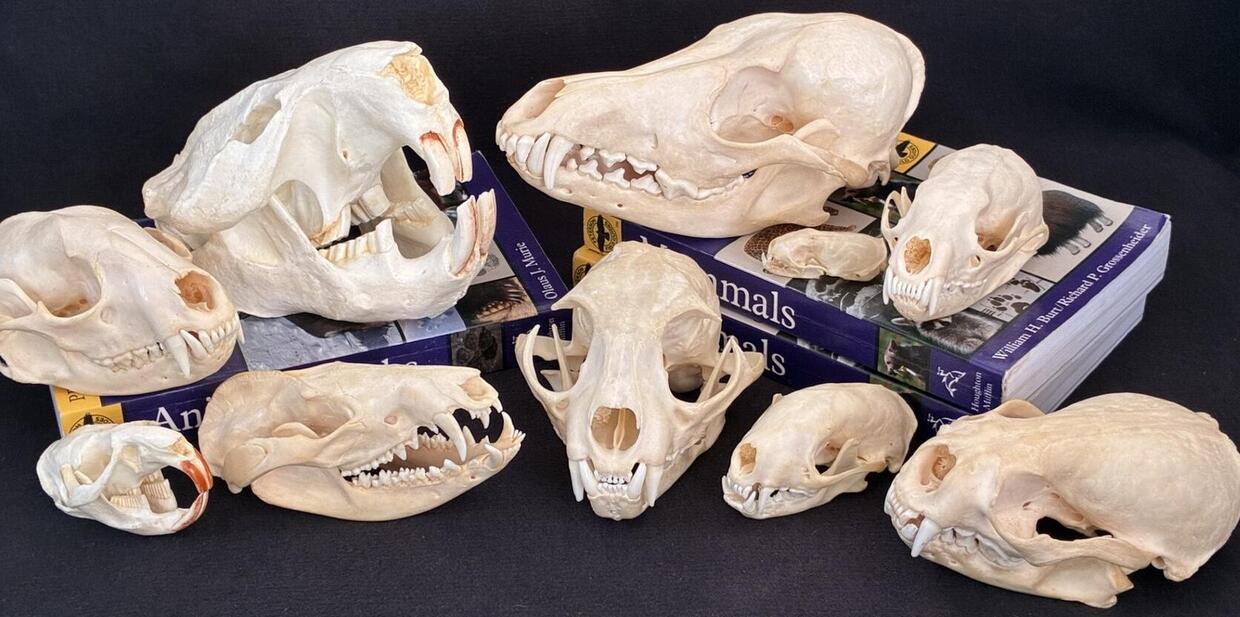
Put your bone detective skills to the test and see if you can identify a mystery mammal skull! The location of the eye sockets (orbitals) can give insight into whether the animal is a predator or prey. Watchful prey animals tend to have eyes towards the sides of their heads while the eyes of predators are located towards the front of their skulls. Tooth shape can give valuable clues to determine whether the animal is a carnivore, herbivore, or omnivore. Skull size and snout length can also help narrow down the animal in question. Are you ready to solve the mystery?
9. A closer look at deer breeding season
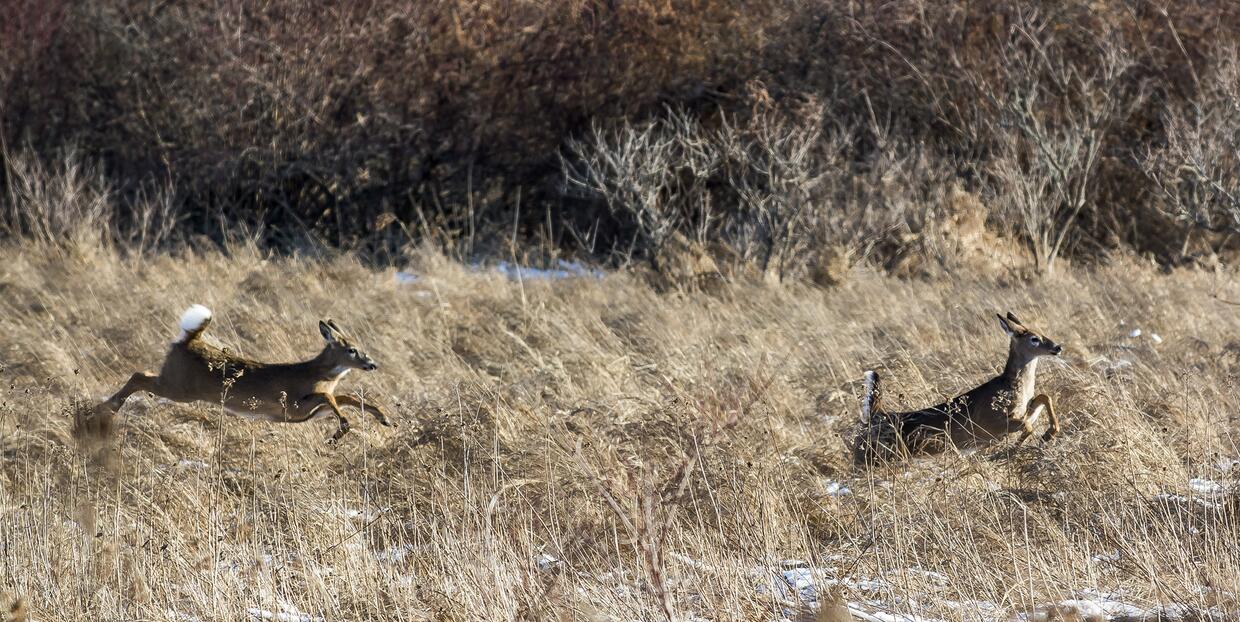
Each autumn, white-tailed deer behavior changes considerably as breeding season gets underway. This annual drama, known as the rut, is driven by instinct, daylight, and the rhythm of the seasons. As the season progresses and the amount of daylight decreases, hormones elevate in both bucks and does and creates the urge to breed. This timing ensures that fawns will be born at an optimal time in spring that will increase their chances of survival. Take a closer look at the stages of the rut.
10. Know your milkweed
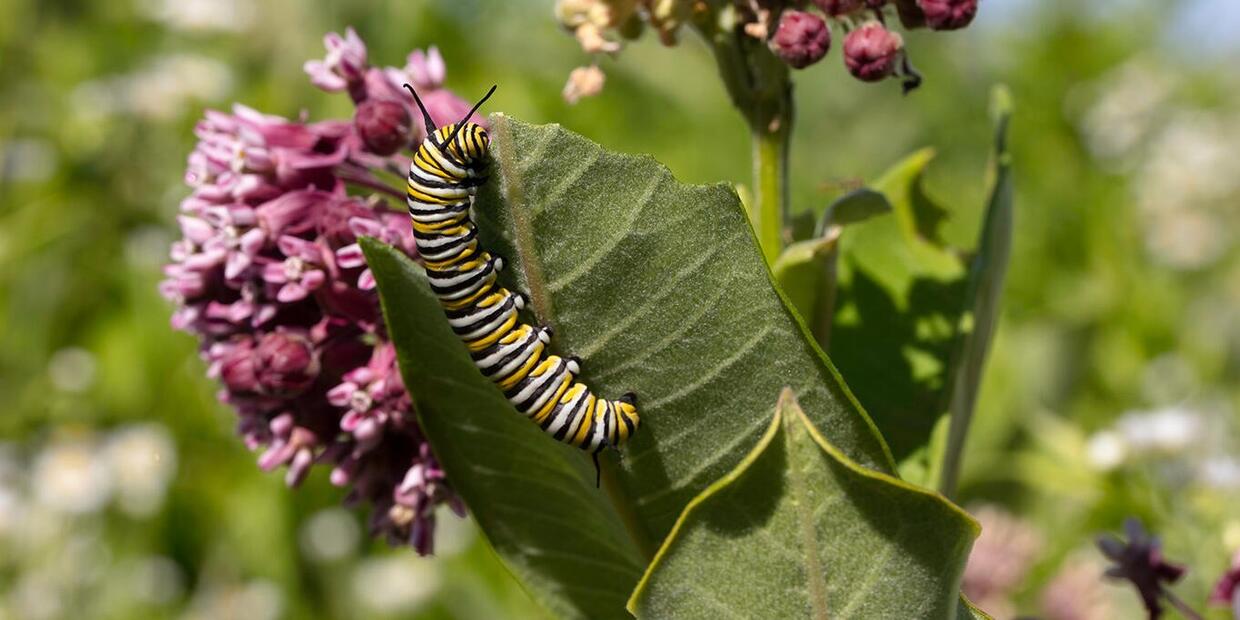
Native milkweed plants flower in late summer in MA and their abundant nectar supports a diversity of butterflies and other pollinators. Many of us had our first encounter with milkweed as children, popping open a milkweed pod and plucking out the white fluff then releasing the feathery strands and attached seeds into the wind. Those seeds must land in a patch of bare soil for a new milkweed plant to take root. Areas like this, along with open habitats preferred by many milkweeds, are becoming scarce, making some of our eight native milkweed species rare. Habitat management projects, including prescribed fire, that restore open habitats can help reverse this trend. Get to know the eight milkweed species native to MA.