- Division of Fisheries and Wildlife
- MassWildlife's Natural Heritage & Endangered Species Program
Media Contact
Media Contact, MassWildlife
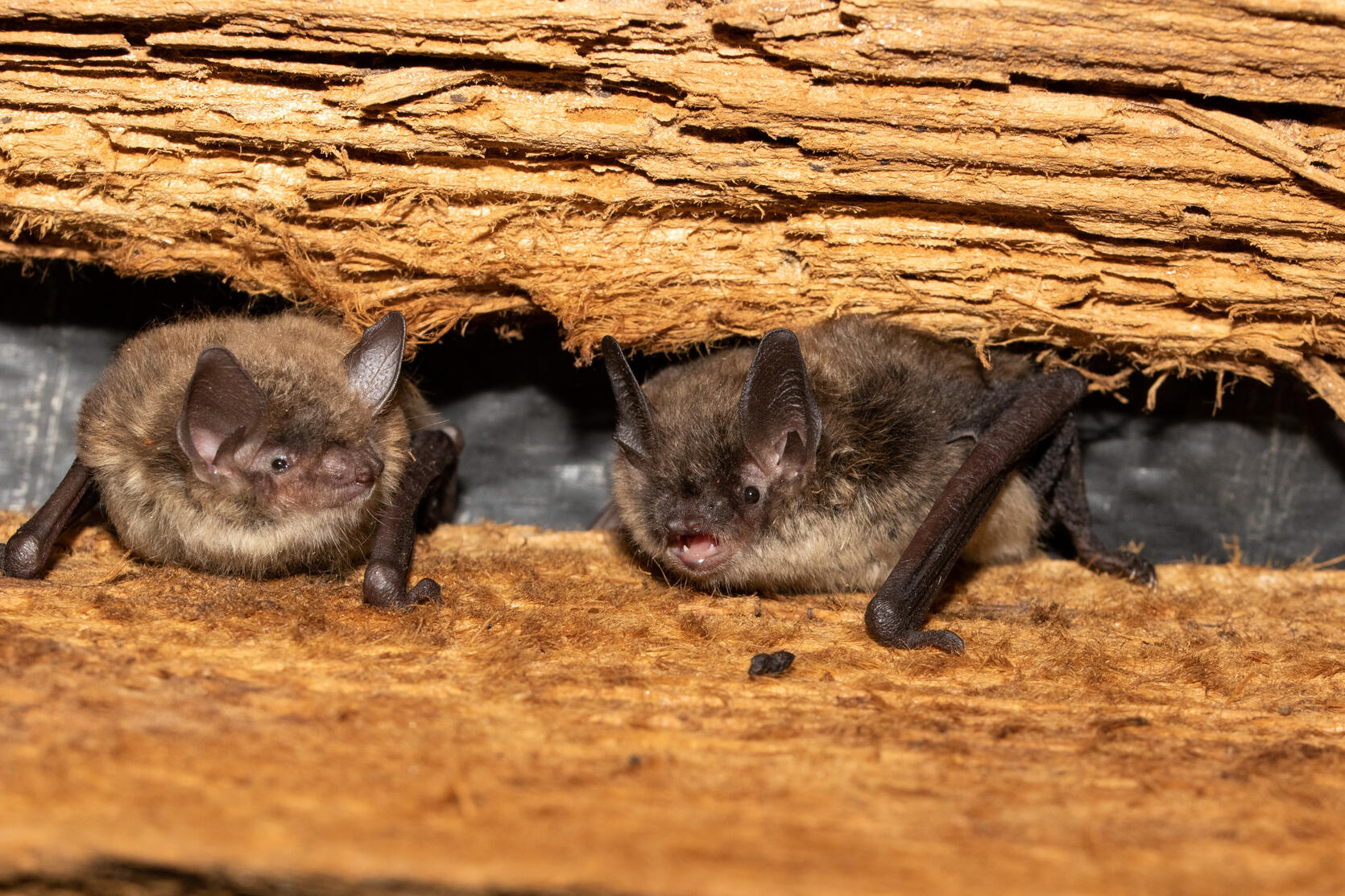
December is a season of gratitude—and this year, we’re shining a light on MassWildlife’s volunteer bat house monitoring program. Thanks to the dedication of 23 volunteers across Massachusetts, all 34 bat houses at 30 sites were monitored regularly during the summer months in 2025 despite mosquitoes, summer storms, and busy schedules. Over the past five years, a total of 53 volunteers have contributed to the program. Seven volunteers have participated every year since the start of the program, providing consistency and invaluable expertise that guides and strengthen the project.
Massachusetts is home to nine bat species. Several, including the little brown bat and northern long-eared bat, have suffered steep population declines due to white-nose syndrome, a fungal disease that has devastated bat colonies across North America. Summer roosts are essential for bat survival because they provide females a safe, warm place to raise their pups.
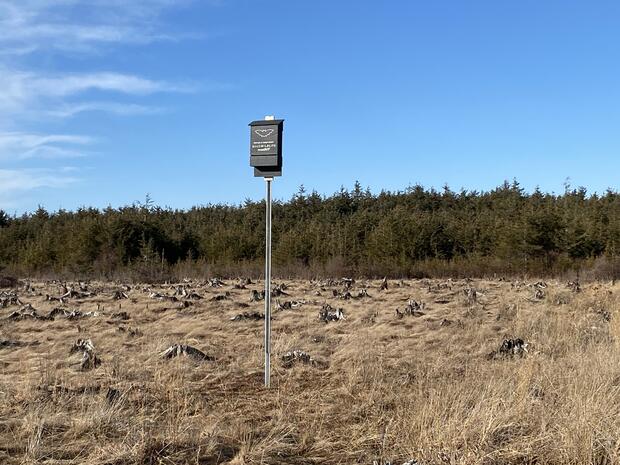
Bats roost in natural areas like tree cavities, and in structures like house attics and barns. Bat houses play an important role in conservation by providing alternative summer roosting habitat when other suitable sites aren’t available. Properly designed and placed bat houses can support colonies of dozens to hundreds of bats, giving them a secure location to rest during the day. By relieving pressure on human structures, bat houses also help reduce conflicts between people and bats.
Results from bat house monitoring are as follows:
- Year 1: 16% occupied, 26% showed potential use
- Year 2: 7% occupied, 10% showed potential use
- Year 3: 10% occupied, 23% showed potential use
- Year 4: 6% occupied, 15% showed potential use
- Year 5: 15% occupied, 9% showed potential use
Although bats can take several years to adopt artificial roosts, the signs of activity we see each summer are promising. Bat house occupancy varies, which is expected since bats naturally rotate between multiple roosts. These results show steady signs of bat activity and a strong likelihood that the houses will continue to be used in the future.
Volunteer bat house monitoring efforts are helping MassWildlife understand species distribution and abundance in Massachusetts, which bat house designs and placements are most successful, and how bat populations respond to changes in habitat availability. Every observation helps build a clearer picture of bat ecology in our state, informing both research and conservation strategies. Thanks again to all of our volunteers for your dedication to bat conservation!