
The property will be redeveloped for housing purposes as authorized by the Affordable Homes Act and as part of the State Land for Homes initiative.
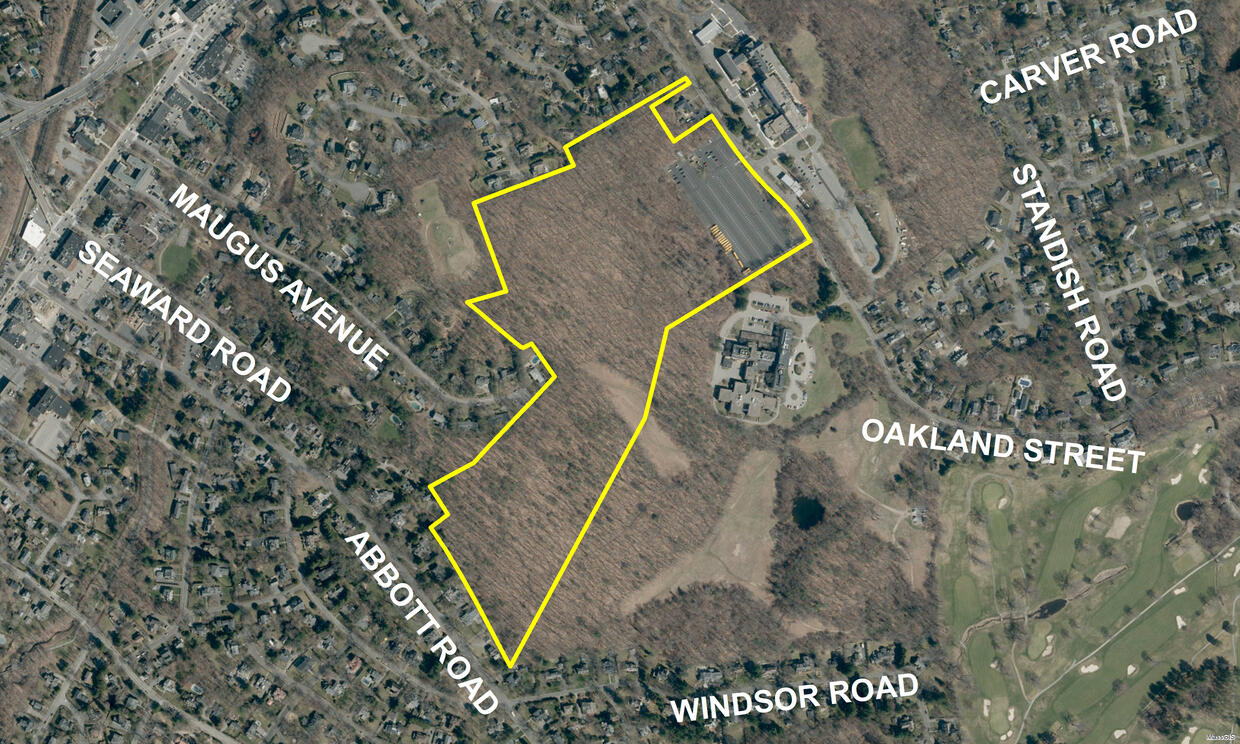
The 40 Oakland Street parcel presents an opportunity to create 180 much-needed units of housing amidst the housing crisis faced by communities throughout the Commonwealth, including Wellesley. MassBay Community College will also be able to reinvest the proceeds from the sale in capital needs on campus as they look to build new space for their cybersecurity program and a health and wellness center.
Community engagement efforts throughout the summer and fall of 2025 helped the Commonwealth identify key community priorities for the development, including:
- Clustering the housing development on and around the existing parking area
- Permanently conserving the balance of the parcel
- Setting aside a portion of the 180 units as affordable, in line with Wellesley's existing Inclusionary Zoning
To address these local priorities, DCAMM anticipates that the new housing will be clustered on and around the existing parking area, supports a conservation restriction being placed on the remainder of the parcel, and supports compliance with the town’s existing Inclusionary Zoning by-law.
In addition to the previous community engagement efforts, interested parties have the opportunity to submit comments through May 13, 2026 by emailing 40oaklandst.dcamm@mass.gov.
We will continue to collaborate with the community in order to address the Commonwealth's housing shortage and move toward a housing solution that meets Wellesley's needs.
Community Engagement Information
MassBay hosted two community meetings, September 25th and October 8th, during which members of the public were welcome to share their feedback following a brief presentation, which can be found below. DCAMM and EOHLC will consider feedback received, including public and written comments, written feedback on presentation boards, and digital surveys completed online.
Next Steps
DCAMM will consider feedback from initial community meetings and other sources of local comments, including the local notice period.