

The Carbon of Urban Trees
Analyzing additional benefits of the urban forest
It’s easy to notice the change of seasons in New England, but how often have you noticed the incremental growth of our trees? Trees all around us in our communities silently grow each year, and without looking at old photos of that tree you planted, it’s hard to notice this quiet progress. Yet it continues as sure as the seasons change, and some scientists who are tackling the world’s largest problems have been taking notice.
Historically, interest in a tree’s carbon sequestration focused on the expansion of rural forests as a tool for reducing atmospheric greenhouse gasses, with urban trees mostly overlooked. That trend is changing, as urban trees are increasingly being suggested as a potential pathway for reducing global greenhouse gas (GHG) emissions. Trees are a prominent feature of urban ecosystems, and urban tree growth has recently been identified as an area for research. Many nature-based solution policies in the United States (US) and Europe are being implemented, that in part depend on expectations of future carbon sequestration.
Recently, extensive research has been focused on evaluating the carbon dynamics of urban trees in cities throughout the world. A 2023 research synthesis by Jenerett and Herrmann, looked at previous studies across 154 cities and saw urban tree growth has a strong relationship with estimated tree carbon content, with temperature and precipitation playing significant roles. The longer urban trees live, the more benefits they can provide, so investing in green infrastructure maintenance pays significant dividends in the long term.
In 2013, Nowak et al., showed that total tree carbon storage in US urban areas was estimated at 643 million tons of carbon, with an annual sequestration rate of 25.6 million tons. This was stated to be less than half of what forested lands could sequester. Additionally, it was noted that urban areas already exhibit climatic differences compared with rural environments, due in part to multiple artificial surfaces and high levels of fossil fuel combustion. However, in addition to direct carbon storage and sequestration that was reported, urban trees can also indirectly affect carbon emissions in urban areas. Planting trees in energy-conserving locations around buildings can reduce building energy use and consequently emissions from power plants. Carbon emissions from cities are also reduced by trees altering urban microclimates through transpirational cooling and changes in albedo.
Research also shows that urban areas in the lower 48 States have doubled in area between 1969 and 1994, and currently occupy 3.5% of the land base, with an average tree cover of 27.1% (Dwyer et al., 2000; Nowak et al., 2001b). Urban land is projected to reach 8.1% by 2050. Urban tree canopy may not make up a large portion of the US, but the area in which it occupies continues to grow.
Without question, the growth of an urban tree is an immediate sequestration of carbon dioxide into biomass. What remains a question is the potential impact of urban trees on the global atmospheric pool of carbon dioxide.
Atmospheric carbon is estimated to be increasing by approximately 2.6 billion metric tons annually. Thus, carbon sequestration provided by urban trees ultimately play a minor role in combating climate change, offsetting approximately 1% of anthropogenic carbon emissions per year. Jenerett and Herrmann added that scaling these projections globally suggests a limited opportunity for urban trees to contribute to atmospheric carbon dioxide reductions, especially in the absence of major carbon emissions reductions.
The papers analyzed in the research summary had a representation bias for cities in a few countries (mostly the US) of northern latitudes and away from cities with tropical and arid climates. Tropical cities in particular, have a climatic potential for high carbon cycling by urban trees due to year-round growth. Extending research towards urban trees and ecosystems in these regions were recommended by several researchers.
Many of these carbon estimate studies were based on data from a singular tree inventory. The field-collected data on urban forest structure (e.g., species; diameter at breast height (dbh); height; crown width) from these inventories are commonly used to estimate the supply of carbon storage and sequestration provided by urban trees. From the 154 papers reviewed by Jenerett and Herrmann, the most widely used approach for estimating carbon content of trees was the iTree family of resources, at 35 papers or 23% of all papers reviewed. Frequently involved was the i-Tree Eco model, which uses field-generated tree inventory data to estimate ecosystem services from urban trees. Unless specific measurements on recent growth and mortality are collected, one-off inventories only provide a snapshot in time of conditions - not change over time.
Researchers concluded that approaches that rely on resampling are essential to reducing uncertainties in carbon estimates, and new technologies; notably, the proliferation of LiDAR (Light Detection and Ranging) data, is poised to rapidly advance urban tree productivity estimates.
Data is just half the battle. Once the information is gathered, most management decisions will fall to local governments. As stated by Zaho 2015, when setting policies which seek to mitigate climate change, for example carbon-neutral cities, it requires moving from the regional to the local scale. These scales are more relevant to local policy makers as they provide spatially-explicit estimates of the supply of and demand for carbon storage and sequestration within their jurisdictions. Such estimates thus facilitate carbon balance assessments for cities and improve policy making. Several questions must be analyzed, such as; are these goals reasonable, are they obtainable, and what is the cost benefit? Additionally, are some cities or neighborhoods dealing with producing a disproportionate share of emissions relative to their consumption? Or conversely, saddled with sequestration mandates for emissions they did not generate?
Another research paper, by Rahman and Ennos 2016, reiterates that carbon storage and sequestration are widely regarded as one of the most important physical benefits provided by urban trees, and have been widely studied, especially in the US. However, more needs to be known about the storage of carbon in roots and soil beneath urban trees and the cultivation and maintenance costs of the trees themselves. Little is also known about how carbon sequestration rates vary between trees of different species, growing under different conditions. Carbon sequestration rates of urban trees can be two orders of magnitude smaller than emission rates due to transport and building use, and several times smaller than emission reductions due to other benefits of trees such as shading of buildings or reduction of the urban heat island. Still, sequestration rates would be worth knowing because of the close relationship between tree growth and physiological performance.
In short, the ability of trees - both urban and rural - to offset globally rising carbon emissions is very limited. Rural lands that would otherwise sequester atmospheric carbon are also being diminished as urbanization expands annually. Urban trees play a minor role in sequestering carbon, but until human consumption diminishes or forests are allowed to expand, our urban trees will play an ever-increasing role in the global effort to slow climate change.
References
- Carbon storage and sequestration by urban trees in the USA
- What we know and don’t know about the carbon storage and sequestration of urban trees
- A global synthesis of reported urban tree carbon production rates and approaches
- Quantifying and Mapping the Supply of and Demand for Carbon Storage and Sequestration Service from Urban Trees
Forester Focus
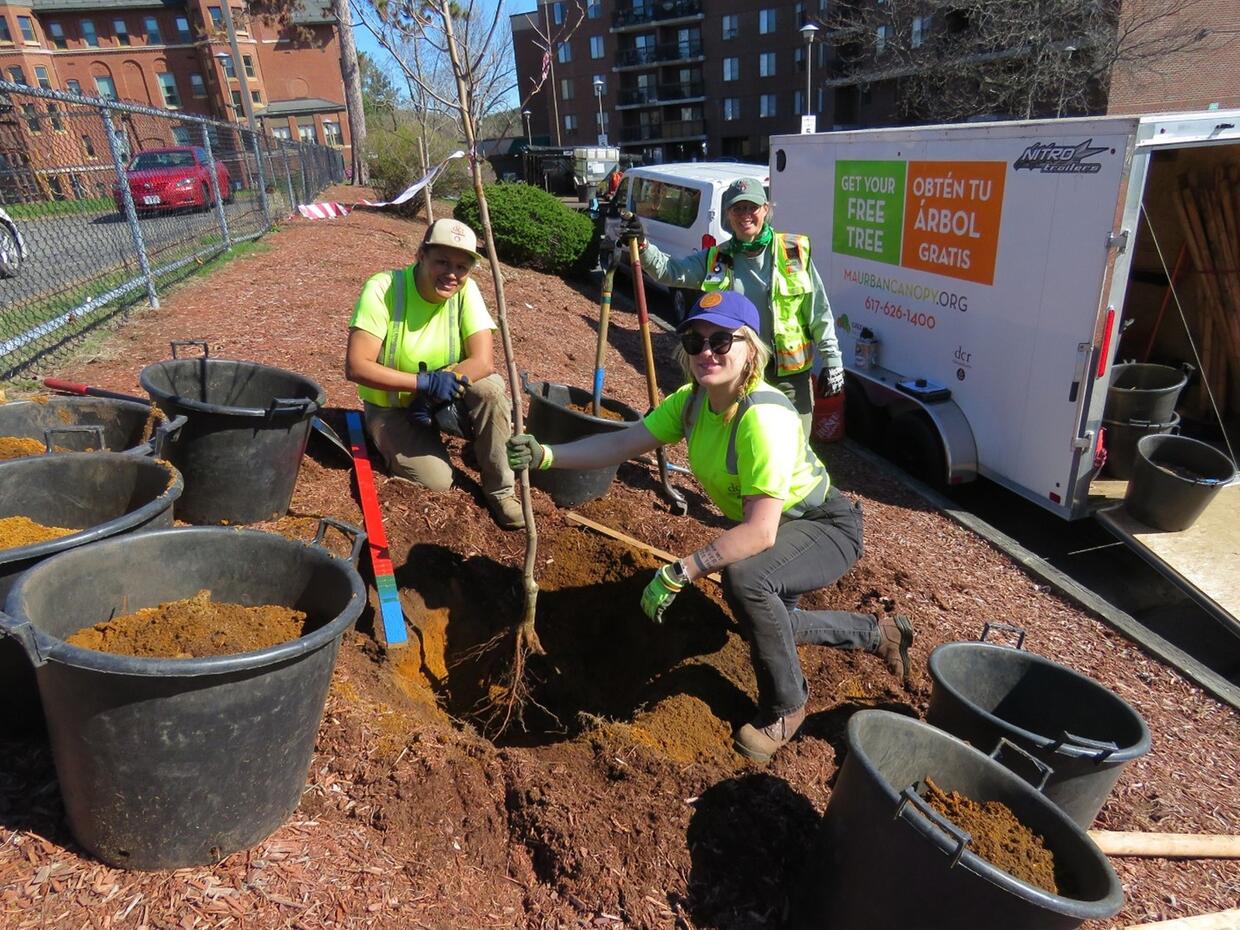
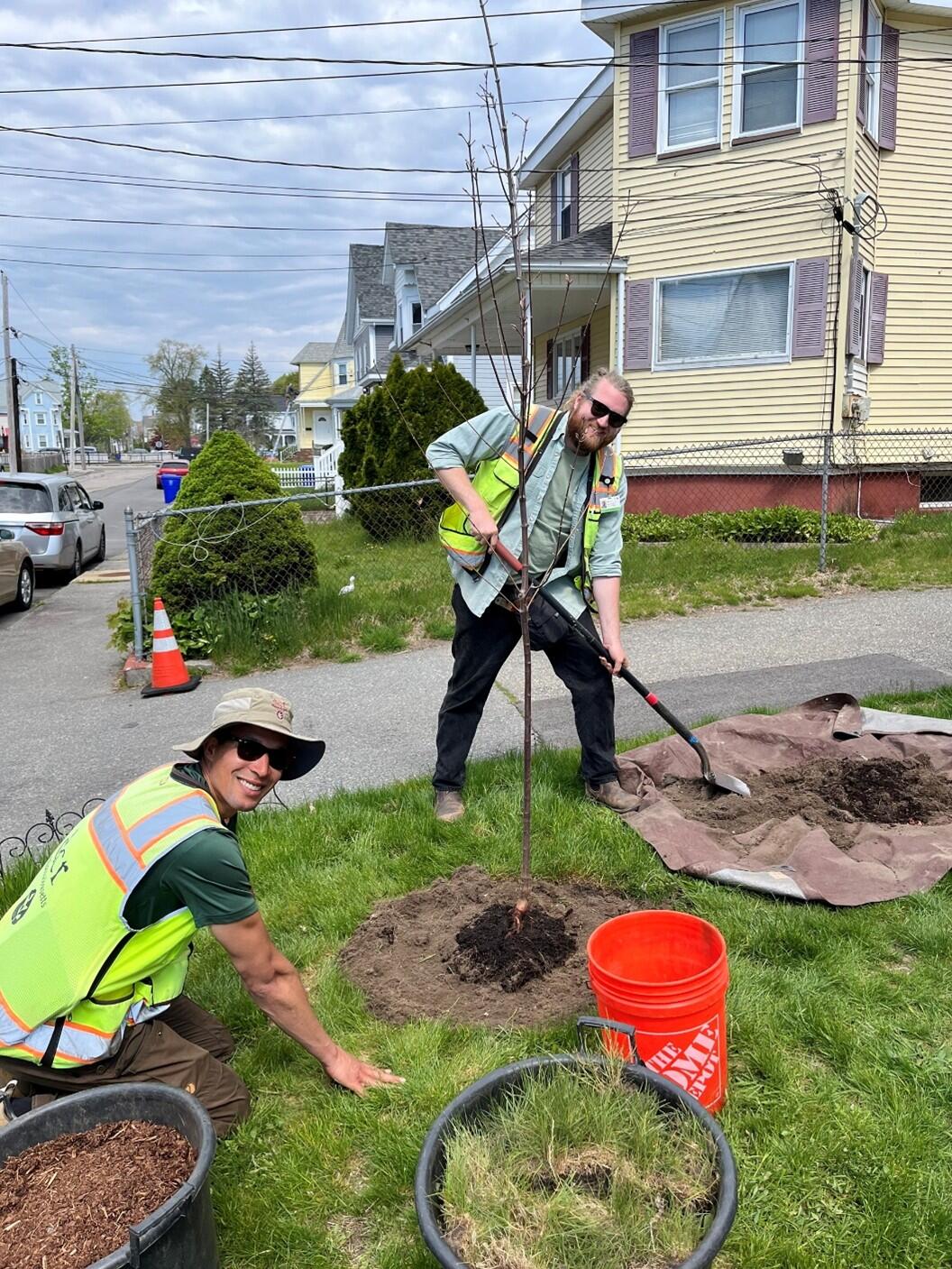
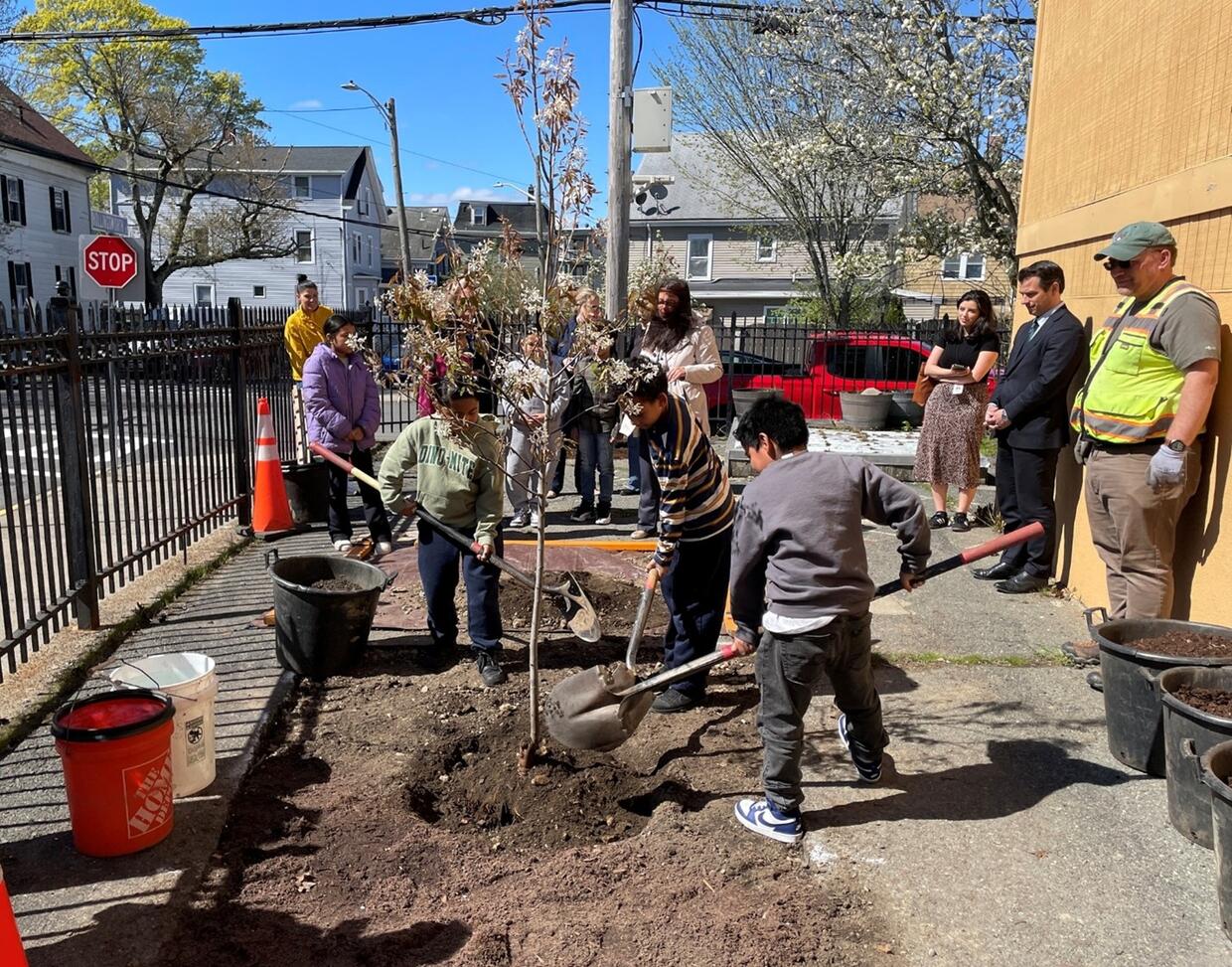
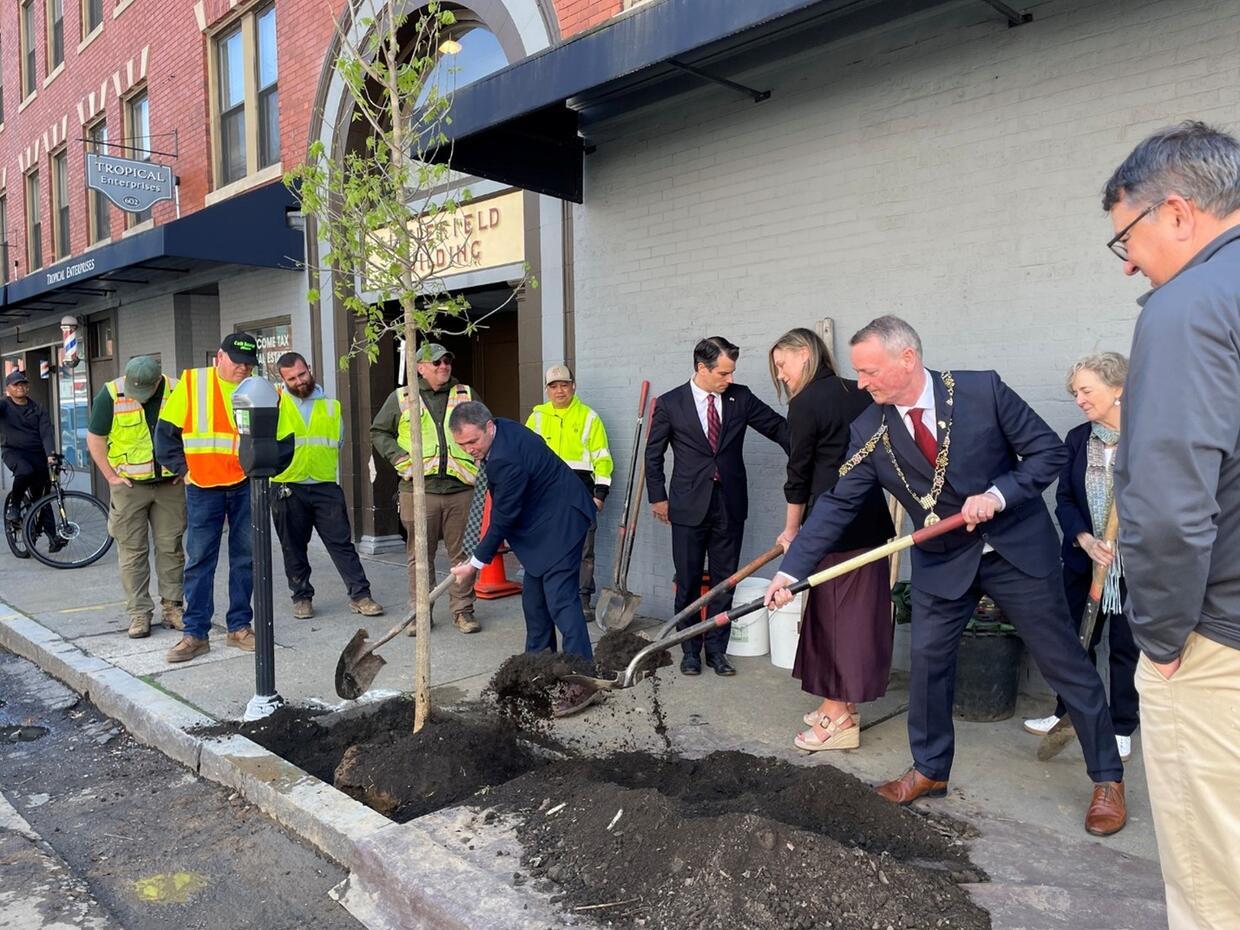
Earth Day and Arbor Day were celebrated across the state this April. The DCR Urban and Community Forestry program was hard at work planting trees, participating in events, and celebrating the benefits to communities that trees provide!
Climate Resiliency
Massachusetts Named Newest Member of the International Union for Conservation of Nature
Massachusetts and California are the first states in the nation to join, advancing work to protect biodiversity and address climate challenges
Boston — This spring, the Healey-Driscoll Administration announced Massachusetts is now an official member of the International Union for Conservation of Nature (IUCN), a global network of more than 1,400 governments and organizations working together to protect biodiversity. This milestone places Massachusetts within the world’s leading coalition focused on advancing the conservation of nature and addressing environmental challenges at a global scale.
“In Massachusetts, we are taking proactive steps to protect the natural resources people rely on, from clean water and open spaces to healthy wildlife," said Governor Maura Healey. “Joining this global network puts Massachusetts at the table with leaders from around the world and gives us access to proven tools and practical solutions we can use here at home. It strengthens our ability to protect our environment, support communities and continue leading by example.”
“Protecting our environment is directly tied to economic growth,” said Lieutenant Governor Kim Driscoll. “Our coastlines, forests and open spaces bring in visitors, support local jobs and support industries like fishing and outdoor recreation. As part of the IUCN, we can better promote and manage these resources, helping communities grow while ensuring our natural resources remain healthy and accessible for future generations.”
“We are thrilled that Massachusetts has joined IUCN as the first U.S. state to do so alongside California. States, cities and other subnational governments play a critical role in protecting and restoring the world’s biodiversity, and contributing to a more stable, healthier, safer future for us all,” said IUCN Director General, Dr Grethel Aguilar. “Massachusetts is implementing a 25-year biodiversity initiative that aims to conserve 30% of state land and water by 2030, and 40% by 2050, and is addressing development and climate change challenges to ensure greater resilience going forward. As an IUCN Member, Massachusetts is now part of a growing group of subnational governments who are contributing to crucial action on the ground, knowledge exchange, and progress towards achieving conservation targets of global significance.”
Massachusetts and California are the first U.S. states to become members of the IUCN, marking a significant step forward in Massachusetts’ environmental leadership. Membership will strengthen the state’s commitment to biodiversity and climate action and build on the state’s nation-leading Biodiversity Conservation Goals. This ambitious 25-year plan defines a whole-of-government approach to rebuild biodiversity and invest in nature to sustain our health and well-being, food security, and economy. Joining the union also aligns with the investments proposed in Governor Healey’s Mass Ready Act, which helps protect the state’s natural resources and prepare for extreme weather.
“Our membership in the IUCN strengthens the work already underway to protect what makes Massachusetts unique. Our wetlands, forests, and coastlines support local food systems, outdoor recreation, and the health and well-being of our residents,” said Executive Office of Energy and Environmental Affairs Secretary Rebecca Tepper. “Being part of this global network gives us added support to move this work forward, so we can better protect these resources and keep them accessible for the people who rely on them.”
“From the global to the regional to the local, action at all scales is needed to protect our state’s irreplaceable biodiversity. Biodiversity—the abundance and variety of life—is the foundation for our health and well-being, economy, food security, and future,” said DFG Commissioner Tom O’Shea. “In joining the IUCN, Massachusetts is proud to build on our long legacy of environmental leadership, champion our nation-leading Biodiversity Conservation Goals, contribute our expertise at the global level, and accelerate our work here at home. We are stronger together, and through partnership and collaboration, we can steward a future where both people and wildlife thrive.”
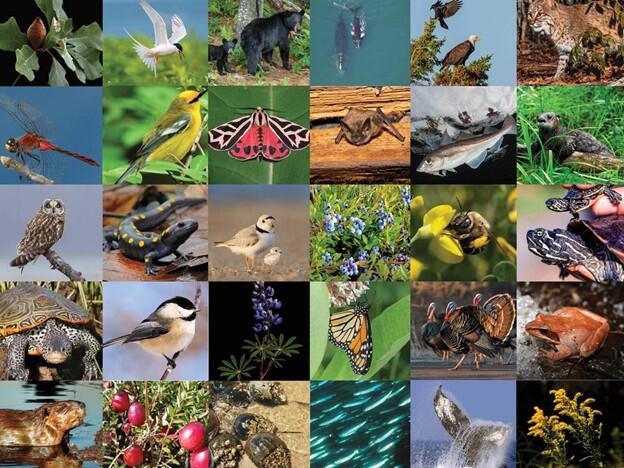
Massachusetts is home to globally rare habitats and threatened coastal shorebirds and sea turtles, whales, salamanders, and dragonflies. It is known for its coastline and fishing communities, rivers and cranberry bogs, farms and orchards, and forests and quiet mountain glens. Today, these species and landscapes face growing pressures from climate change, including flooding and drought that threaten both ecosystems and livelihoods.
By joining IUCN, Massachusetts will strengthen its ability to respond, gaining access to a global network of conservation expertise and resources, and bring our own experience protecting and restoring species and their habitats to the table. Led by the Department of Fish & Game for Massachusetts, this partnership will support ongoing work to protect and restore biodiversity and natural areas, build resilience, and connect the state to broader international efforts focused on the protection of nature and community well-being.
"Massachusetts joining the IUCN sends a powerful signal. By becoming one of the first U.S. states to join this global network, Massachusetts is showing that safeguarding biodiversity is a responsibility we all share,” said Kris Sarri, State Director of the Nature Conservancy in Massachusetts. IUCN’s unparalleled expertise and partnerships will strengthen our efforts to protect the lands, waters and wildlife that make this state so extraordinary."
“As a fellow member of the IUCN, the New England Aquarium commends Massachusetts for becoming one of the first two states in the country to join the IUCN network as a subnational member, stepping up as a global leader in advancing conservation and biodiversity,” said Dr. Letise LaFeir, Chief of Conservation and Stewardship at the New England Aquarium. “We look forward to continuing our close collaboration with the Commonwealth and other IUCN members to solve ocean challenges, advance policy action, and implement conservation projects worldwide.”
Species Spotlight
Japanese pagoda tree, Styphnolobium japonicum
Styphnolobium japonicum is a deciduous tree in the Fabaceae family, the family of peas and beans. Formerly known as Sophora japonica, the species was reclassified in the 1990’s, due to distinctly different genetics. Although named Japanese pagoda tree, it is actually native to Korea and China and is sometimes called Chinese scholar tree or scholar tree. In its native habitat, the Japanese pagoda tree may be found growing in abundance in thickets and upland forests along rocky mountain slopes.
Japanese pagoda tree prefers full sun and thrives in well drained, sandy loam soils, in hardiness zones 4-8. First brought to North America in the 1700’s, the pagoda tree can be found in the Eastern United States from central Maine to a far south as North Carolina.
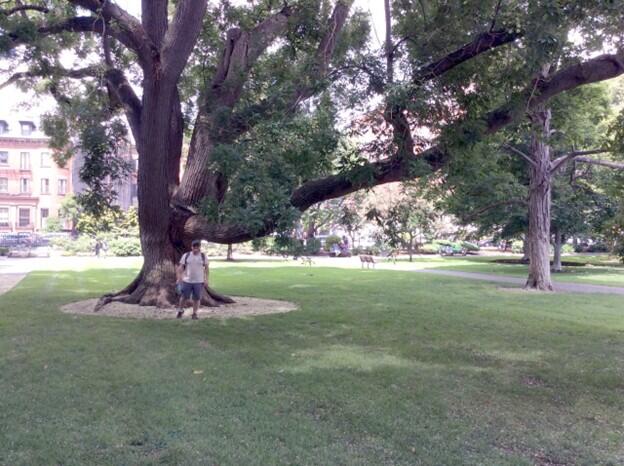
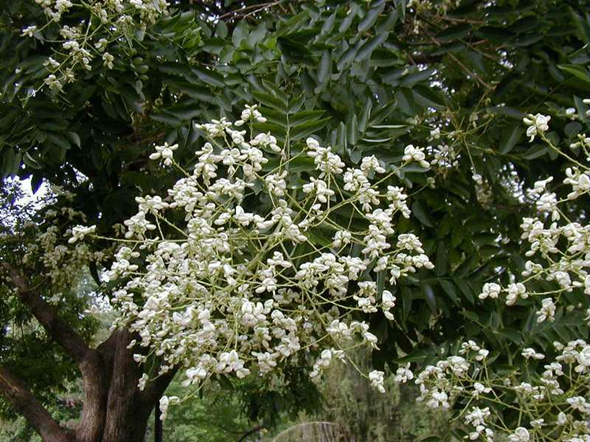
Having a rounded crown and long pinnately compound leaves of 7-17 rounded leaflets, the pagoda tree stands out in the urban landscape. The creamy yellowish white flowers in late summer and the 5” chains of green seed pods that persist through winter, add seasonal interest. The light brown bark has deep inter-lacing furrowed ridges.
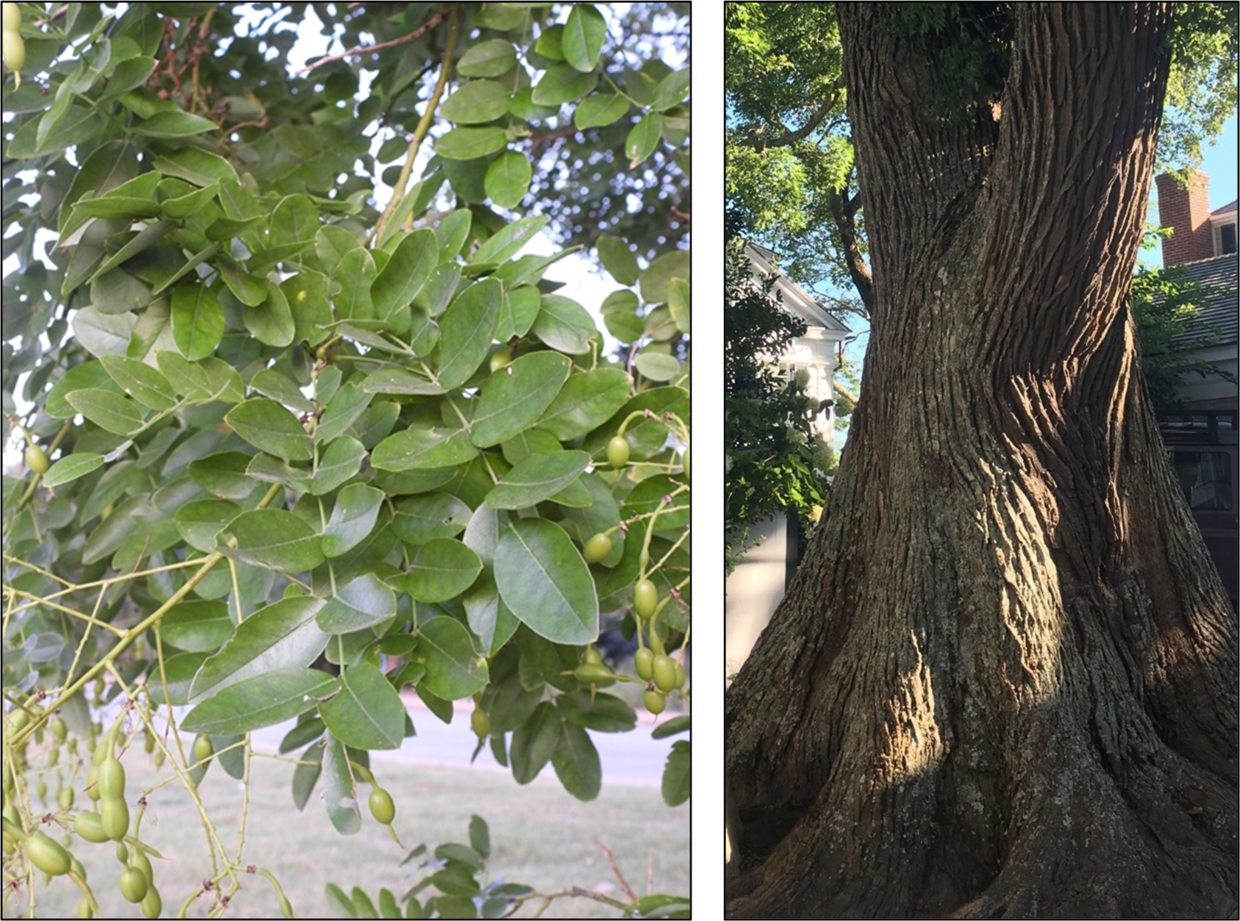
The bright yellow fall color combined with the large winding, far reaching limbs make Japanese pagoda tree is a majestic tree in all seasons, especially the older more established specimens. With a medium to fast growth rate (8-12” per year) the species can easily mature to 50’ tall. Two exceptional examples in Massachusetts, documented through the Legacy Tree Program, are over 70 feet tall.
Some pests and problems associated with pagoda trees include powdery mildew, twig blight, and they can also develop canker. It is not readily available in the nursery trade, which has prevented it from being overplanted.
Pagoda trees are tolerant of urban stressors, like air pollution, and once established, can tolerate moderate drought and heat. The tree has been shown to survive massive coastal storms and flooding. Pagoda trees are an excellent choice for parks, large gardens and for wide medians and are often used as a street tree.
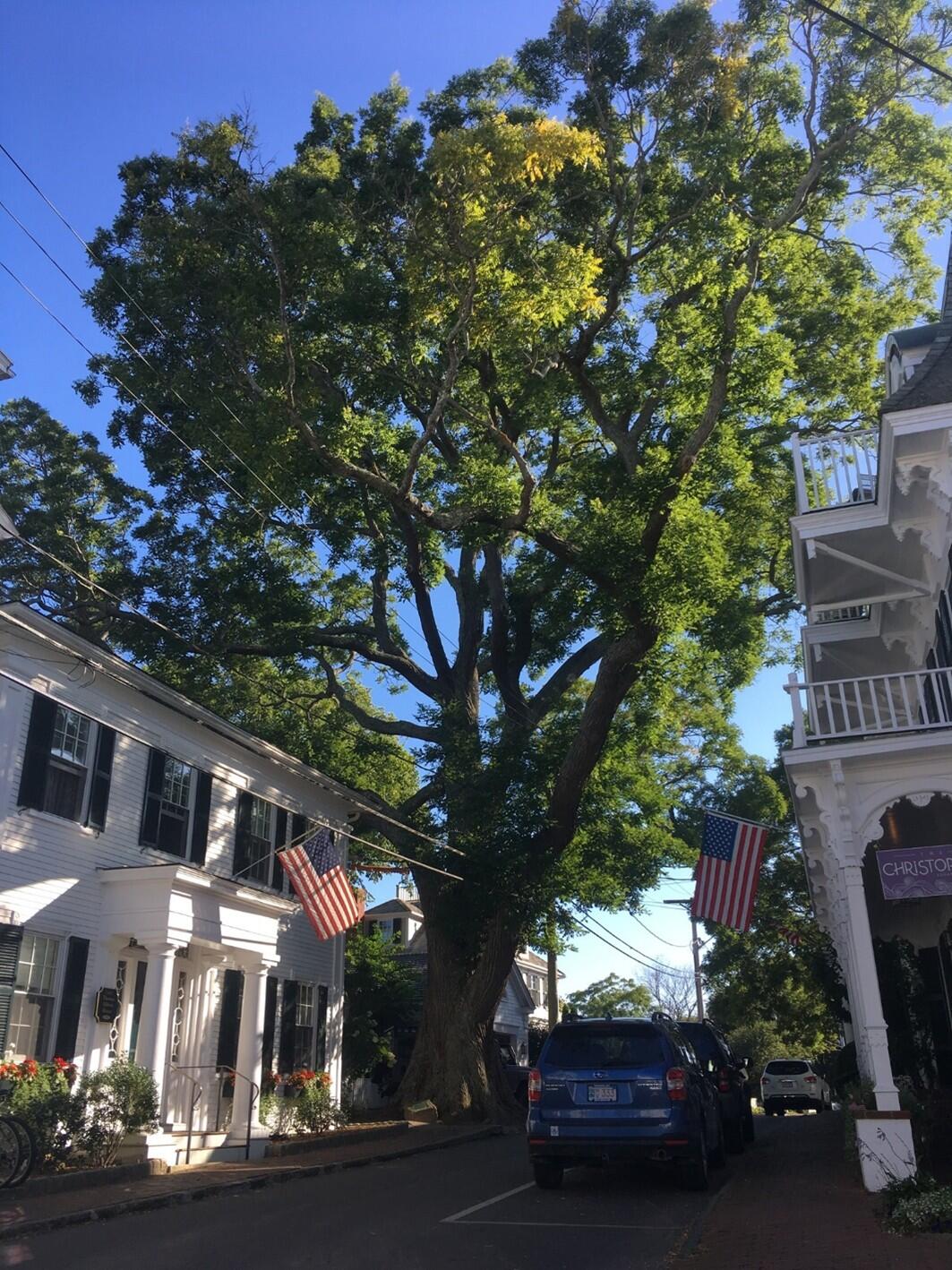
Culturally, the Japanese pagoda tree is regularly planted outside Buddhist temples. It is also distinguished in that it flowers later in the summer than any other ornamental tree in the Northeast.
Species Spotlight by DCR Urban Forester David Bresnahan
Photos: UConn Plant Database, Missouri Botanical Garden, DCR
News
Arbor Day Foundation releases Tree Ordinance Assistance website
The Arbor Day Foundation Ordinance Assistance Tool is a straightforward resource designed to guide communities of any size through creating or strengthening tree care and tree protection ordinances, delivering clear language, best practices, and guidance for effective, enforceable policies. Learn about Tree Ordinance Assistance.
Massport, Tree Eastie team up to expand urban forestry in East Boston
In recognition of Earth Day, the Massachusetts Port Authority (Massport) is happy to announce a new partnership with the local non-profit Tree Eastie to support the expansion of urban forestry in East Boston. To learn more about the expansion of urban forestry in East Boston.
American Horticultural Awards
Established in 1953, the Great American Gardeners Awards honor outstanding contributions to horticulture in areas such as plant research, garden stewardship, outreach, and education. This year the Community Greening Award was given to ReGreen Springfield. For more information on the American Horticultural Awards.
Worcester begins citywide planting of 500 trees at Arbor Day Ceremony
Worcester held a tree planting ceremony at Worcester Common to commemorate its 40th consecutive Tree City USA designation and its 27th consecutive Tree City USA Growth Award, highlighting decades of urban forestry and sustainability efforts. To read more about the Worcester Arbor Day Ceremony.
On The Horizon
June 18 @ 5:00pm (Event) Western MA Tree Wardens’ Dinner Meeting
Location: Bluebonnet Diner, 324 King Street, Northampton, MA
Speakers will present and ISA CEUs will be available.
June 23 @ 7:30am (Event) New England ISA Day of Safety
Location: New Hampshire Urban Forestry Center
The 2026 Day of Safety components include: Mechanical Advantage (2 hour interactive session), Stop the Bleed, Crane Safety, Essential Knots for Tree Crews, and Chainsaw Teardown.
June 25 @ 9:30am (Event) Managing Urban Forests for Disaster Resiliency
Location: Cranston, RI
For local government officials in planning, emergency management, public works, and urban forestry. Come learn about: Tree Risk Assessments, Standing Contracts, Debris Management, Tree Canopy Recovery, Wood Reuse, and Emergency Planning Resources. 4.5 hours of AICP and ISA continuing education credits available for attendance.
July 21 @ 1:00pm (Webinar) TREE Fund Webinar - July 2026
“Efficacy of Aphidoletes aphidimyza predator releases to control aphid populations on linden street trees.” Thomas Whitney, PhD will present their 2023 John Z. Duling Grant Program.
August 12 @ 10:00am (Webinar) Spotted lanternfly in Massachusetts: Quarterly Update
Quarterly series of webinars, hosted by the Mass. Dept. of Agricultural Resources, to provide the green industry, environmental groups, and other interested parties with the latest information about spotted lanternfly occurrences, survey updates, and more. Register here.
August 25 @ 1:00pm (Webinar) TREE Fund Webinar - August 2026
“Can Mandatory Minimum Clearance Requirements Between Trees and Powerlines Successfully Reduce Injuries and Death to Workers and the Public?” Lawrence Kahn will present their 2023 Safe Arborists Techniques Fund Grant Program.