
A website that was hard to use
Resilient.Mass.gov helps communities prepare for climate change. Municipal staff, regional planners, and consultants use the site to find climate data, apply for grants, and plan local projects.
The website had useful information, but it was hard to find. Resources were spread out in ways that weren’t intuitive. Navigation was confusing. The writing was technical, sometimes too technical for its intended audience. People had trouble using it to do what they needed to do.
The EEA Climate Team wanted to improve the site. But the team was new to experience research and constituent-centered design. EEA partnered with Mass Digital's Constituent Experience Center of Excellence (CX COE) to learn the skills they needed to improve their product. The project also supported the Commonwealth Digital Roadmap, which encourages state organizations to work together to improve digital services.
Learning from constituents
CX COE and EEA formed a joint project team. This helped EEA staff learn by doing.
They reviewed constituent feedback and audited website content. They interviewed stakeholders. And they tested the site with their intended audience: municipal staff, regional planners, and consultants.
The research showed that the site’s audiences had specific goals that the site wasn’t supporting. For example, municipal staff and consultants needed to quickly find data and grant resources. They didn’t need many of the other resources Resilient.mass.gov listed, though other folks did. For example, planners needed to find and read understandable policies.
Focusing on what audiences needed changed the way the team thought about the site. It was originally designed around information about programs. Now, they knew it should be designed around the tasks people wanted to do most often.
Turning research into action
EEA had planned to purchase a separate CMS to increase flexibility. But the research showed that the larger problem was not technology. People needed a simpler website with clearer navigation and easier access to information.
After reviewing the findings with the CX COE, Marissa recommended pausing the planned CMS purchase. Instead, she proposed improving the site using existing Mass.gov tools. This decision saved about $150,000 while giving the team more control over the site. It also reduced complexity and helped prepare the program for possible future budget cuts.
EEA leadership agreed with the recommendation. They saw that it aligned with constituent needs and long-term sustainability goals.
The decision became a defining moment in the project. It showed how experience research can help organizations make smarter investments and improve services more effectively.
Creating a simpler website
The joint team used its research findings to redesign Resilient.mass.gov. They:
- Reorganized the site around common constituent tasks
- Rewrote information in plain language
- Created empathy maps and task flows to guide future updates
- Tested their changes to make sure they’d worked
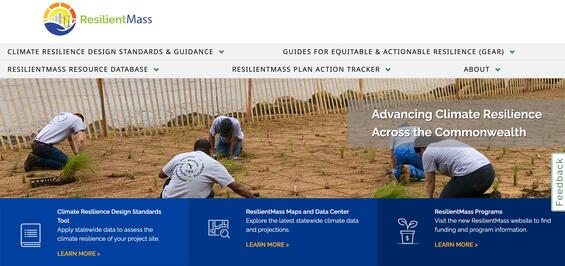
The new website makes it easier for people to find what they need and do what they need to do.
Building skills that last
The project improved more than the website. EEA gained skills in experience research, accessibility, and content strategy. Today, the team can reuse those skills to learn how people use both this site and other publications. They can make updates based on real data about what their audience needs.
Marissa also shared the team's work at the CX COE's Content Lab. She explained how research and plain language can improve how government serves its constituents.
A model for future projects
The Resilient Mass project is an excellent example of how government can improve what it makes. Our small, collaborative team tested its product with real people. It gathered real insights. It made quick, small fixes. And it avoided purchasing something it didn't need.
Today, Resilient.mass.gov better serves its audience. And EEA staff can reuse what they learned about research and plain language for other projects. This partnership reflects the CX COE's mission to help state agencies deliver better experiences.