
The Healey-Driscoll Administration is leveraging federal funding to advance projects that support public health, resilience, and long-term quality of life.
Restoring Cape Cod’s Coastal Ecosystems
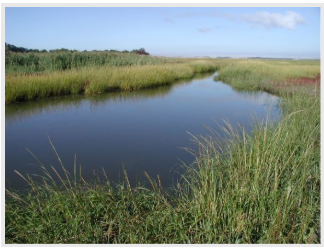
The Healey-Driscoll Administration supported the Cape Cod Conservation District with $3.1 million in state matching funds, enabling it to unlock nearly $10 million in federal funding for the Cape Cod Water Resources Restoration Project (CCWRRP).
Working across multiple Cape Cod communities, the CCWRRP restores and protects some of the region's most valuable natural resources by improving water quality, restoring salt marshes, reopening fish passages for migratory species, and reducing stormwater pollution that affects coastal waters and shellfish habitats. Federal funding from the U.S. Department of Agriculture's Natural Resources Conservation Service will advance communities’ efforts to plan and implement watershed restoration projects that improve environmental health and strengthen the Cape's long-term resilience.
- Improves water quality across multiple Cape Cod communities
- Restores salt marshes and coastal habitat
- Reopens fish passages for migratory species, including river herring
- Reduces stormwater pollution affecting shellfish habitat
- Strengthens long-term coastal resilience
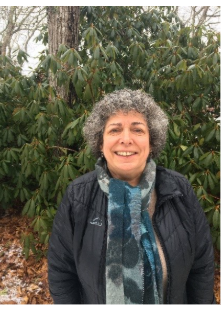
"We're grateful for the state's matching fund commitment to the Cape Cod Water Resources Restoration Project. It has been critical to moving important projects forward, allowing communities to access more than $10 million in federal funding that we otherwise may not have been able to accept. This investment is advancing projects across the Cape that will restore salt marshes, improve fish passage, and reduce stormwater pollution near important shellfish beds."
Martha Craig, Cape Cod Conservation District
Reducing Lead Hazards in Springfield and Greenfield
In 2025, the Healey-Driscoll Administration provided matching funds to the cities of Springfield and Greenfield, which in turn received over $8 million in federal Lead Hazard Reduction Program (LHRP) grants from the U.S. Department of Housing and Urban Development.
The LHRP program assists cities and towns in identifying and removing lead-based paint and other hazards in older homes, protecting families and reducing the risk of childhood lead poisoning. In Springfield, many homes were built before 1978—when the U.S. banned the use of lead paint in residential housing—and the city ranks among the highest-risk communities in Massachusetts for childhood lead poisoning. The investment will support additional assessment and remediation of lead hazards in approximately 120 housing units citywide. In Greenfield, where much of the housing stock also predates 1978, the funding will help address longstanding lead hazards and create healthier homes for residents.
- Makes older homes safer for children and families
- Reduces exposure to lead-based paint hazards
- Supports lead remediation in low-income housing
- Protects public health and improves long-term childhood outcomes