- Division of Fisheries and Wildlife
Media Contact
Media Contact, MassWildlife
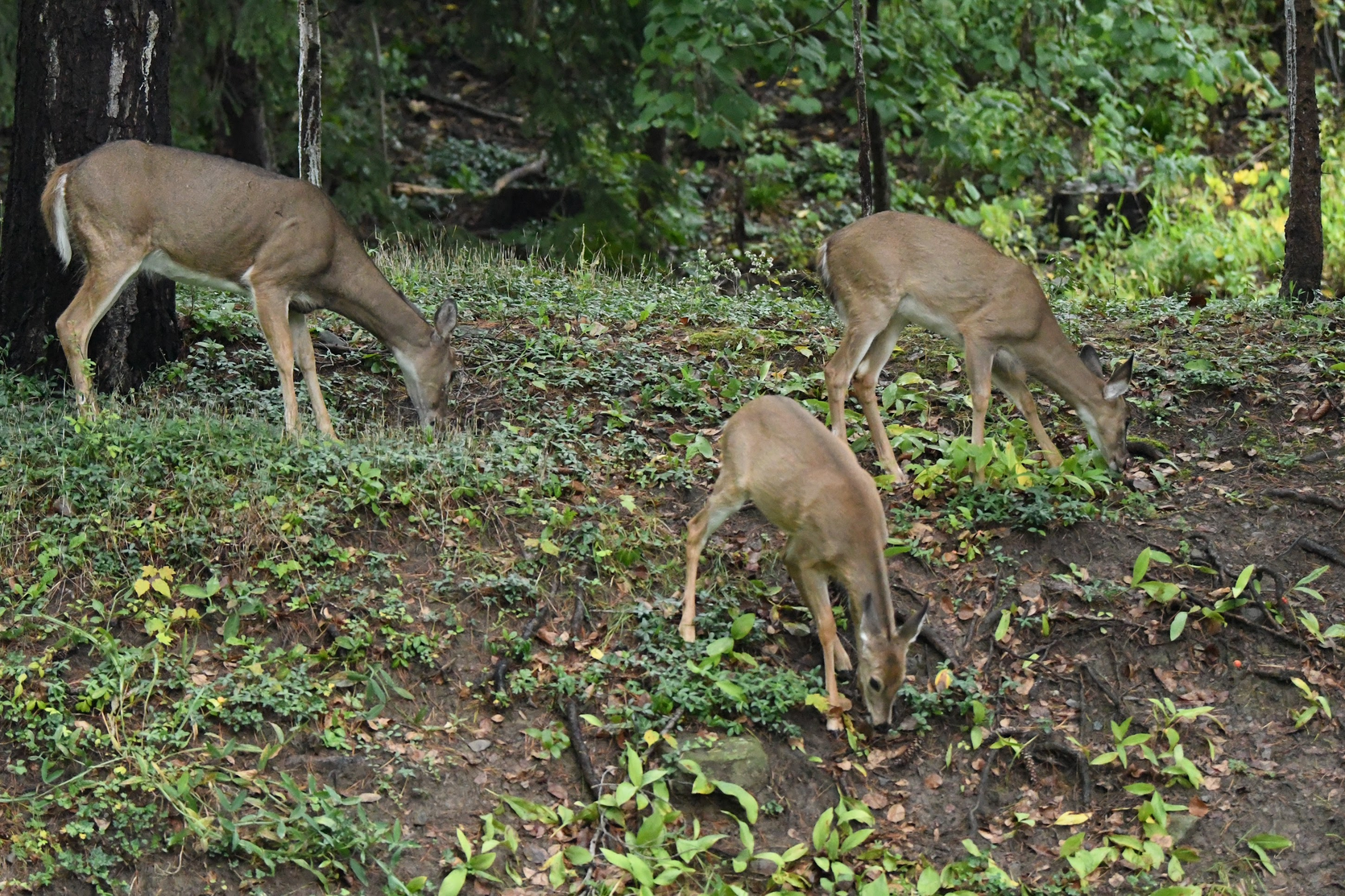
When we walk through the woods, spotting a white-tailed deer can be a highlight of the day. They are native to Massachusetts and an iconic part of our landscape. However, an ecosystem is all about balance. When deer populations grow beyond what the land can support, the impacts ripple through the entire forest. These issues become particularly pronounced in areas that don’t allow hunting.
But how can you tell if a forest is healthy or if it is buckling under the pressure of overabundant deer? You just need to know where to look.
What a healthy forest looks like
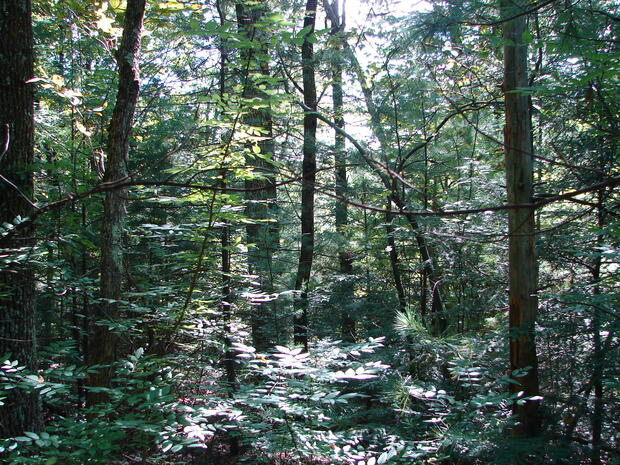
A truly robust, functioning forest often appears messy and is difficult to walk through. Instead of a completely open view with sightlines that go on for acres, a balanced forest features a complex, multi-layered structure.
You should be able to see distinct vertical layers: the high canopy of maturing trees, a mid-story of smaller or shade-tolerant trees, a dense and bushy understory of native shrubs, and a forest floor carpeted with a diverse mix of wildflowers, ferns, and young tree seedlings. This structural diversity is the engine of the ecosystem, providing abundant food, nesting sites, and shelter for a wide variety of wildlife while ensuring the next generation of trees is actively growing.
The tell-tale browse line
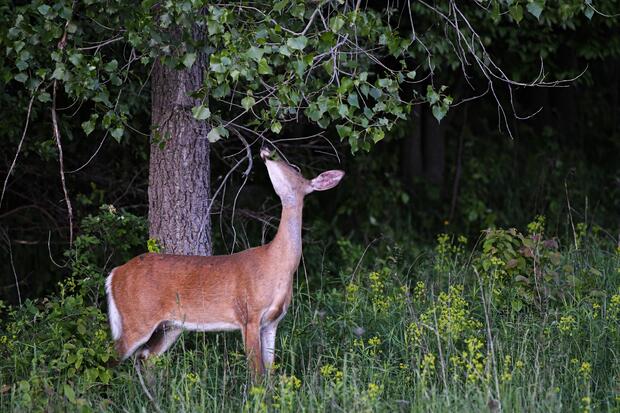
White-tailed deer are browsers, meaning they eat the leaves, twigs, and buds of woody plants. When deer are overabundant, they consume almost all palatable vegetation within their reach; typically below five or six feet. This creates a stark, unnatural browse line. Below this point, the woods look hollowed out and park-like. While it might make for an easy hike, this open understory is an ecological red flag indicating a forest that is being eaten from the ground up.
Halting of forest regeneration
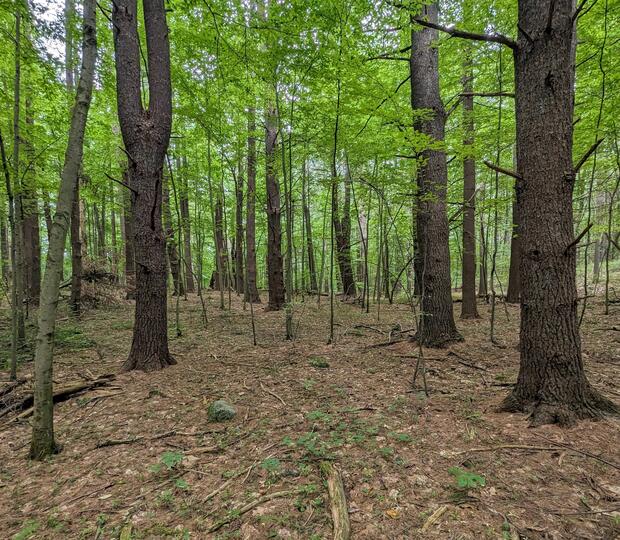
Forests are dynamic. When an old tree falls, it creates a gap in the canopy, allowing sunlight to hit the forest floor. In a balanced ecosystem, this triggers a race as young saplings shoot up to fill the void.
In areas with too many deer, those seedlings and saplings are eaten before they ever have a chance to mature. Without these young trees to replace the old ones, the forest loses its ability to regenerate. Over time, the ground becomes bare, the canopy thins, and the forest begins to slowly transition into a thicket of invasive species.
Not all green is good
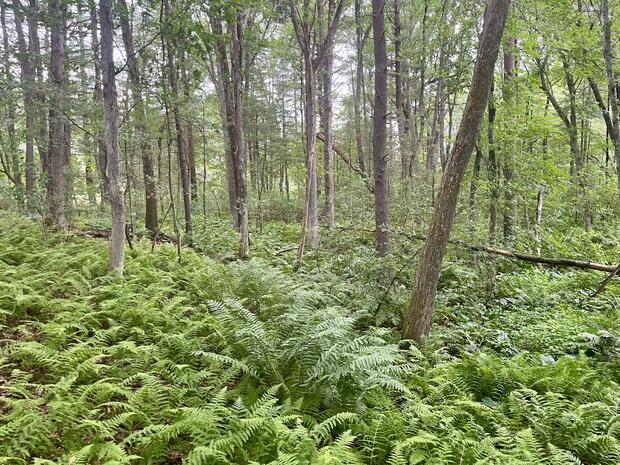
Often, an over browsed forest still looks lush, but a closer look reveals that things are out of balance. A forest lacking in biodiversity will have very few dominant tree species and trees that are roughly the same size.
When overabundant deer eat all of their preferred native foods, they leave behind species they dislike or find toxic. This allows unpalatable plants, including many invasive species and ferns, to take over. These species crowd out the native plants, creating a "green desert" that offers very little nutritional value for the broader ecosystem.
The loss of that dense, messy understory doesn't just affect plants. The shrub layer is critical real estate. Numerous species of migratory songbirds rely on low-lying, dense vegetation to build their nests and hide from predators. Small mammals, insects, and amphibians depend on the leaf litter and cover that a diverse understory provides. When deer strip away this habitat layer, the wildlife that relies on it disappears with it.
Restoring ecological balance
In absence of historic predator regimes, hunting is a critical tool to managing deer populations in Massachusetts. Promoting hunting access and opportunity is the most efficient way to manage deer populations and maintain or restore local forests to ecological balance leading ultimately to increased local biodiversity.