
- Massachusetts Probation Service
Media Contact
Coria Holland, Communications Director
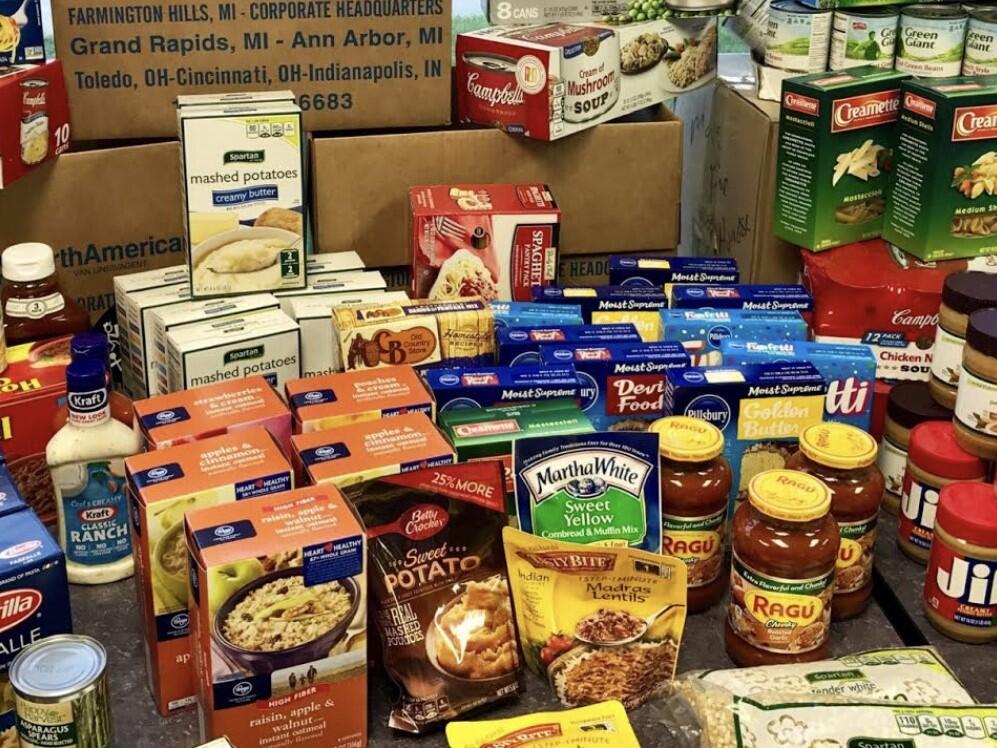
The 7th Annual Trial Court Cares Food Drive begins today and court employees, attorneys, and members of the public are encouraged to bring non-perishable food items to courthouses and Community Justice Support Centers where collection bins will be available. The drive will run through December and benefit charitable organizations and food pantries across the state.
Each year, the Massachusetts Trial Court hosts a food drive after the court system’s Annual Cultural Appreciation Week, the longest running and largest celebration of community, culture, diversity, and heritage in any US court system.
The Trial Court Cares drive is organized by the court’s Cultural Proficiency Champions, who participate in diversity and inclusion training and assist court users in navigating the court system.
More than 15 tons of food was collected and distributed to charitable agencies across the state last year. Organizers hope to collect as much or more.
“We feel it is important to support the communities we serve. The courthouses are community courts and we want to help our neighbors who are struggling. As we continue to assess the needs of individuals in our communities, food and clothing insecurities are at an all-time high," said Dr. Carmen Z. Gomez, Deputy Commissioner for Pretrial Services.
The food and supply drive launched during the Pandemic when a Champion introduced the idea of helping those experiencing “food insecurity.” The U.S. Department of Agriculture (USDA) defines food insecurity as "a lack of available financial resources for food at the household level.”
Nearly 40 percent — more than 1.6 million — of adults in Massachusetts do not know where their next meal is coming from. One in six children in the state lives in food insecure homes, according to Feeding America.
Top 9 items food banks need most
Peanut Butter or peanut butter alternatives such as almond butter
Liked by both kids and adults, and high in protein, peanut butter is the most requested item by food banks. Consider donating peanut butter alternatives too!
Canned Proteins
Canned chicken is a great way to provide versatile, high-protein items to those in need. Items like canned tuna and salmon also contain vitamins, omega-3 fatty acids, and protein which make a quick and easy meal.
Canned Beans
Canned beans - like black beans, garbanzo beans, black-eyed peas, green beans, and pinto beans - are high in protein and fiber and provide a nutritious way to fill a hungry tummy.
Pasta & Pasta Sauce
Super easy to make and exceptionally filling, pasta and pasta sauce are great items to include in your donation box. Opt for whole grain pasta since it offers more fiber and nutrition than white pasta.
Pantry Staples
Can you imagine having to cook in a kitchen without any flour or sugar? Unfortunately, this is a reality for many food insecure households. Donating items like flour, sugar, or condiments will greatly benefit those in need.
Canned Vegetables
Veggies are always high in demand, and for good reason. Nutrient-rich, and fiber dense, they tend to last the longest in pantries and are the perfect, easy way to provide healthy options.
Cooking Essentials, such as olive oil and spices
In many food insecure households, access to cooking basics isn’t available often. Stick to the basics, like garlic powder, minced onion, oregano, basil, salt, pepper, and cinnamon.
Formula
In food insecure communities, many parents are unable to breastfeed but struggle to buy formula due to the high costs. While there are programs available that provide formula to low income families, it never hurts to have more than enough.
Baby Food
For the same reason, you should donate formula, it’s a good idea to donate any unused baby foods that may be hiding in your pantry.
Source: Moveforhunger.org