- Office of Consumer Affairs and Business Regulation
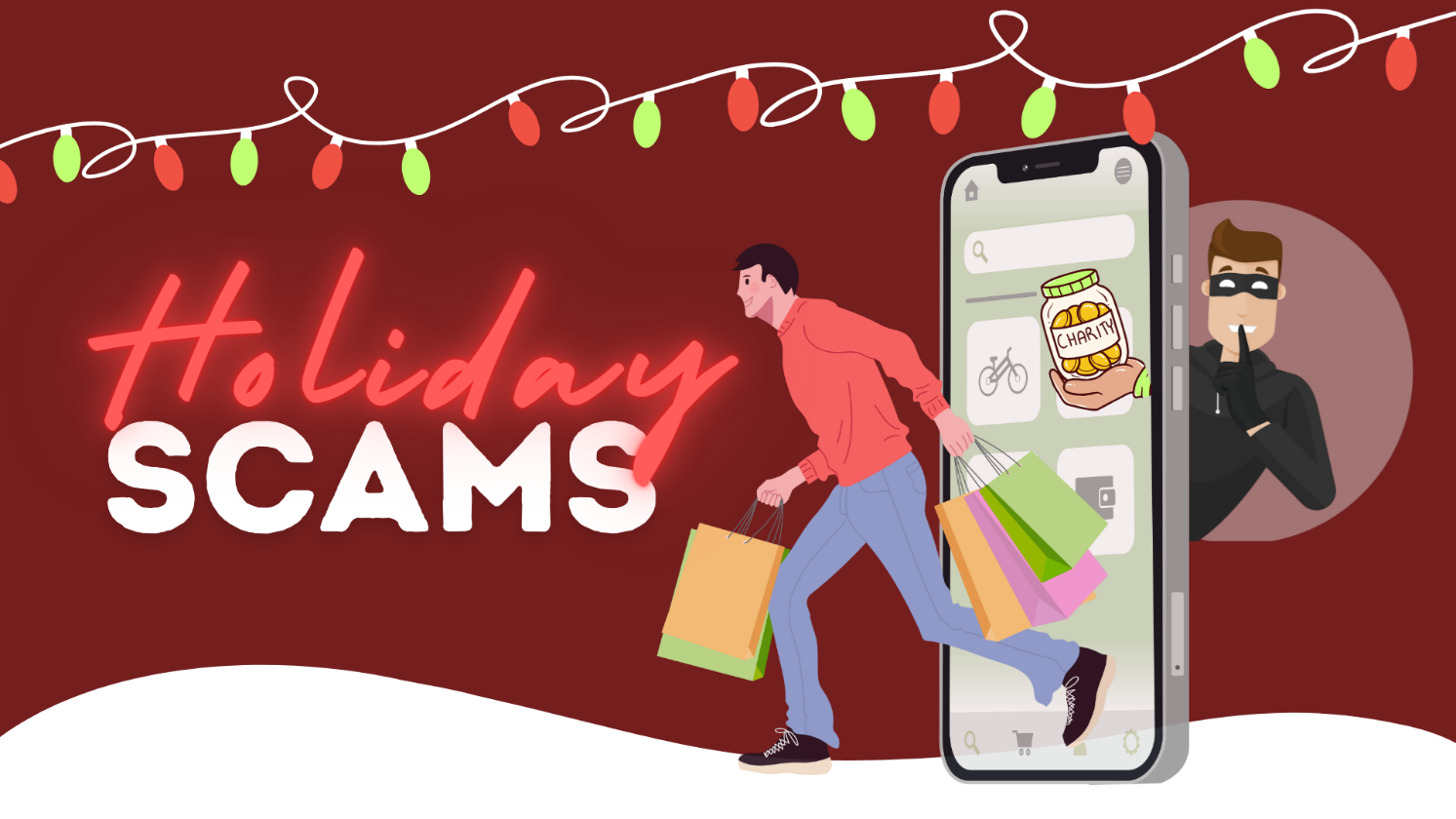
Black Friday, Cyber Monday, and Giving Tuesday are right around the corner, and deals and donation requests are popping up online. While millions of people are hunting for the best deals and looking for charitable giving opportunities, scammers are hunting for their wallets.
The Federal Trade Commission reported that a total of $434.4 million was lost from online shopping fraud in 2024 and about one in three Americans say they have experienced an online shopping scam. According to the AARP, about one in three Americans also have reported that they have received a fraudulent charity donation request. As if this were not enough to watch out for, seasonal job scams are also on the rise.
As you start scrolling online for holiday-related opportunities, stay alert and protect yourself by learning about some active scams today.
Fake Products and Links
Criminals mass produce counterfeit products of high-end brands and mark prices down during the holiday season. By claiming that the product is gently used and charging slightly below retail or by selling at a fraction of the regular price, scammers post images of the item with descriptions that make customers feel they are getting a great deal. However, even Black Friday deals would not typically reduce the price of a premium branded product to a very low cost-point, so be wary.
Along with fake products, scammers create fake links and events to grab attention. By impersonating a brand to promote a flashy Black Friday or Cyber Monday giveaway claiming that you won a gift card or major discount, they get users to click links and spend money on fake offers. Most retailers do not send links to your email to receive a free prize. Any legitimate sweepstakes or giveaway must explain the rules and eligibility requirements by law.
Scammers also impersonate delivery carriers like USPS, FedEx, or UPS and send a link to track packages, or claim that there has been an issue with delivering your package. The goal is to trick people into clicking fake links to gain access to personal data instead.
Scammers also send texts, emails, or phone calls that prey on emotions to pressure people to donate quickly. According to the FBI, fraudulent charity and disaster relief scams cost Americans $96 million in 2024. It is important to do thorough research of an organization before sending any money, no matter how urgent the appeal may sound.
Use of Artificial Intelligence (AI)
With AI advancing and its use increasing every day, scammers are getting more creative in the ways they trick shoppers. According to data from McAfee’s 2025 Holiday Shopping Research, 46% of Americans have said that they have already encountered AI powered scams while shopping.
Creating realistic looking logos, websites, product images, donation videos that tug at the heartstrings, and reviews with the help of AI tools can take minutes but result in slick and professional looking content. Scammers use these AI creations and advertise products with “quick sales” to drive urgency and rush the decision-making process. By using phrases such as “today only!” and “only 2 left,” consumers feel the need to quickly purchase something.
Deepfake, a trending AI scam, is synthetic media created with AI to look real – a criminal creates a video or image in which a familiar person’s body, face, or voice has been digitally altered to create something believable that tricks people. Scammers have been creating deepfake videos of well-known celebrities to promote products or solicit donations, encouraging fans to buy from fake shops or give money to fraudulent organizations or causes. Though AI-generated videos may seem easy to identify, 39% of people that have encountered these videos have said that the media was sophisticated and hard to spot, according to Scamiverse.
Quick Cash Job Scams
During the season, some people may want to make quick extra cash for gifts. Scammers use this opportunity to post fake seasonal job listings for simple tasks such as package handling or gift wrapping. Scammers then reach out to interested “candidates,” send a check to cover supplies needed for the task, and ask for personal information for “onboarding.” However, once the check bounces and your identity is stolen, the job listing disappears.
How to Protect Yourself
- Don’t click links: If a link from an email or text seems suspicious, do not click it and instead, report it as junk and delete. Remember, if it sounds too good to be true, it probably is!
- Guard your data: Legitimate retailers or charities will never ask for sensitive or personal information through text links, emails, or phone calls.
- Think before buying: The flashy deal posted on a website may be tempting but remember that scammers are trying to use urgency to get you to purchase from them faster. Stop and think to determine if something seems suspicious.
- Monitor payments: Check your bank account and credit card statements regularly and make sure that there are no fraudulent charges. Report any suspicious activity.
- Don’t rely on social media to be true: If you see a celebrity promoting a huge sale or soliciting donations on social media, research the suggested store or organization yourself and check that it is legitimate before you act.
This holiday season, stay informed and protect your wallet from criminals. Have a safe and jolly shopping and giving spree!