
Description
Ashumet Pond is a 220-acre kettlehole pond with an average depth of 23 feet and a maximum depth of 69 feet. The pond is primarily fed by groundwater but it does have a small inlet from an abandoned cranberry bog on the north end. Water transparency is good, averaging about 12 feet, and aquatic vegetation is sparse. The water color is generally clear, like most Cape Cod Ponds, but algae blooms in the summer may give the water a greenish tint. The pond is located just south of Joint Base Cape Cod and is divided by the town line between Mashpee and Falmouth. The 2.5 miles of shoreline are heavily developed with year round homes. At low water levels, there is an island in the southern end of the pond.
Recreational access
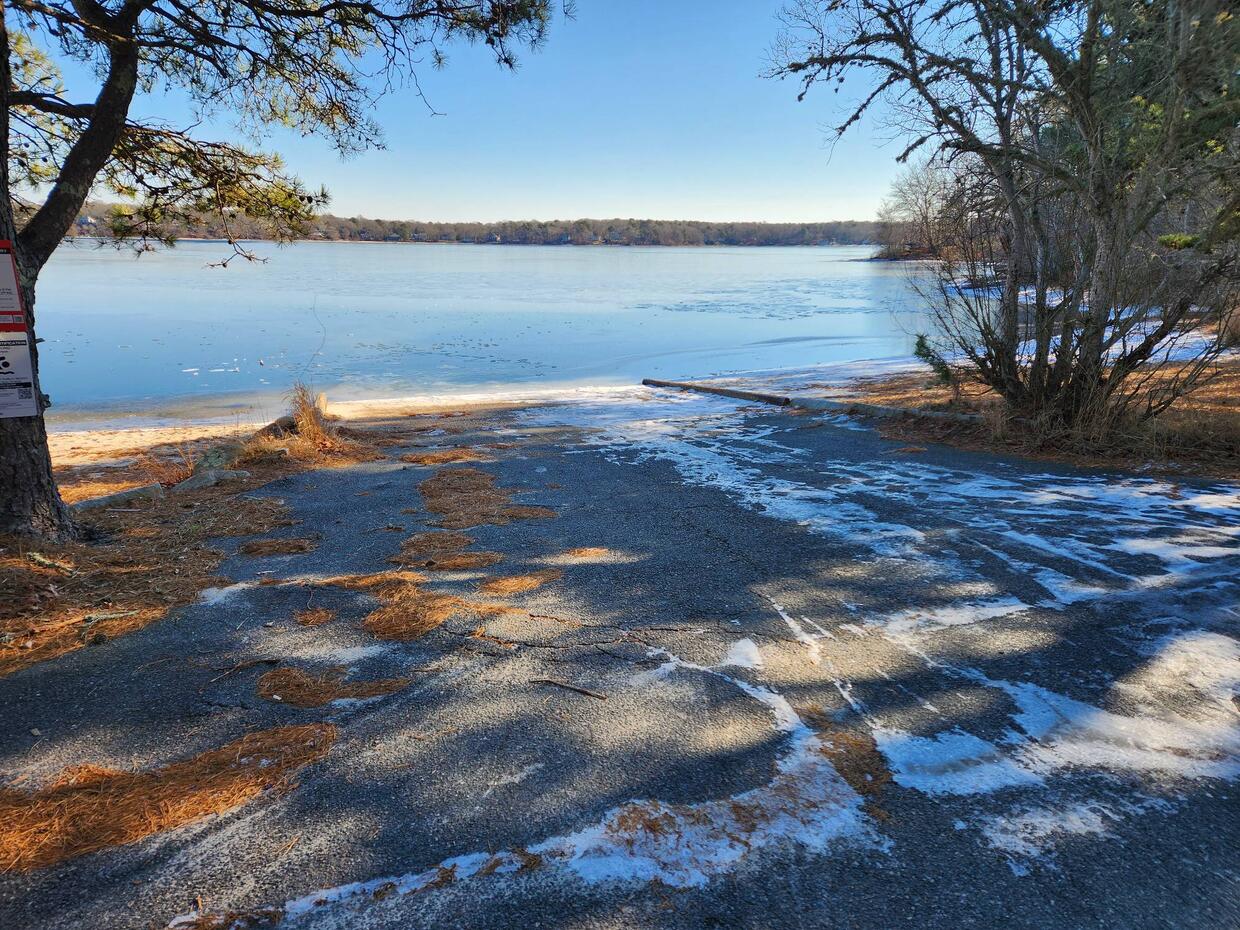
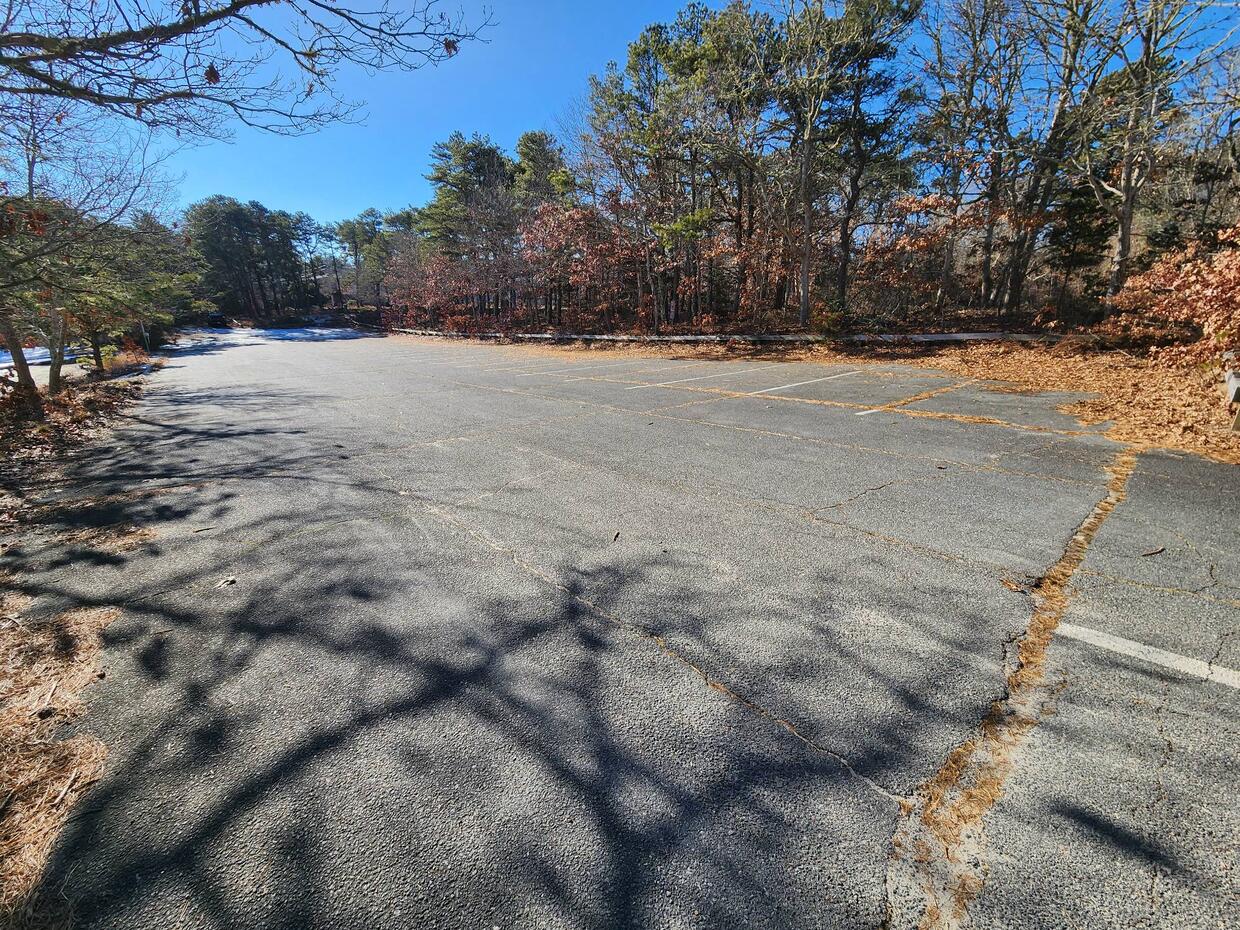
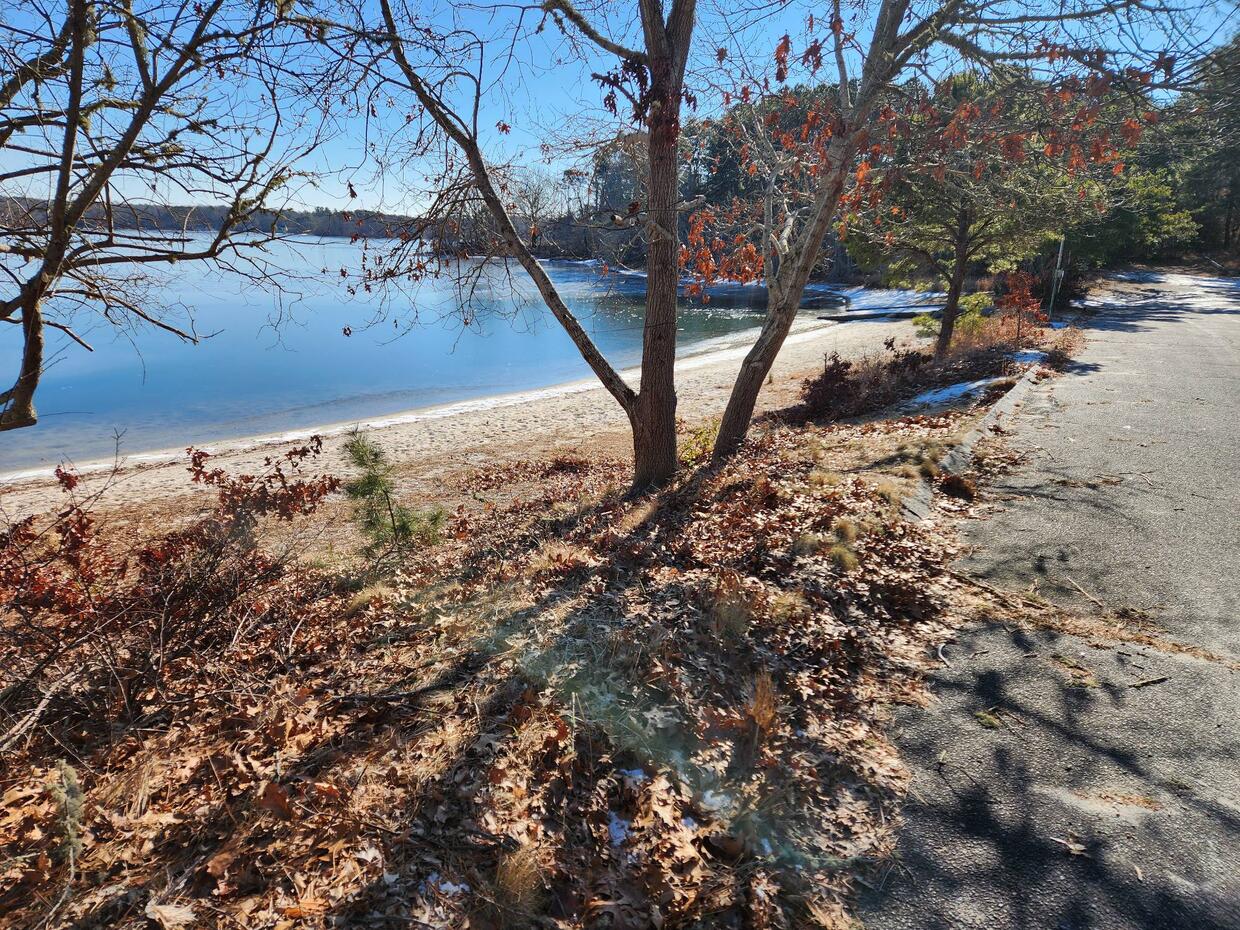
MassWildlife manages a paved boat ramp and associated parking area located off Sandwich Road on the western shore (get directions). The ramp is on the east side of the road near the intersection with Currier Road. Parking is adjacent to the pond and is suitable for 28 trailered vehicles. Shoreline access is limited to areas adjacent to the ramp. Please contact the Southeast District Offices of MassWildlife for additional information and/or restrictions pertaining to public access of Ashumet Pond.
Fish populations
The following fish species were found during MassWildlife surveys:
- largemouth bass
- smallmouth bass
- yellow perch
- white perch
- banded killifish
- brown bullhead
Ashumet Pond is stocked each spring and fall with trout.
Fishing
Ashumet Pond is stocked in the spring and fall with rainbow trout and brook trout and sometimes tiger trout and is also a good smallmouth bass pond. Trout fishing is good in the spring and fall with holdover trout taken during the summer. Springs are concentrated in the northern end of the pond and should hold trout during the warmer months. Ashumet Pond has produced brook trout, rainbow trout, tiger trout, brown bullhead, chain pickerel, yellow perch, white perch, and sunfish that meet minimum sizes for recognition by the Freshwater Sportfishing Awards Program.
More fishing resources:
Stop aquatic hitchhikers
Prevent the transport of nuisance species; clean all recreational equipment. Visit ProtectYourWaters.net to learn more.