
Description
Bartlett pond is 52-acre impoundment of Stirrup Brook located off of Lyman St. in Northborough. Bartlett Pond has an average depth of 4 feet, a maximum depth of 10 feet and its waters are typically transparent to only a few feet. The pond bottom is predominately mud and aquatic vegetation is abundant, particularly in late summer. Houses sporadically line the shores with the exception of the southeast shore which lies within Watson Park and is free from development. Bartlett Pond is a popular weekend destination for paddlers.
Recreational access
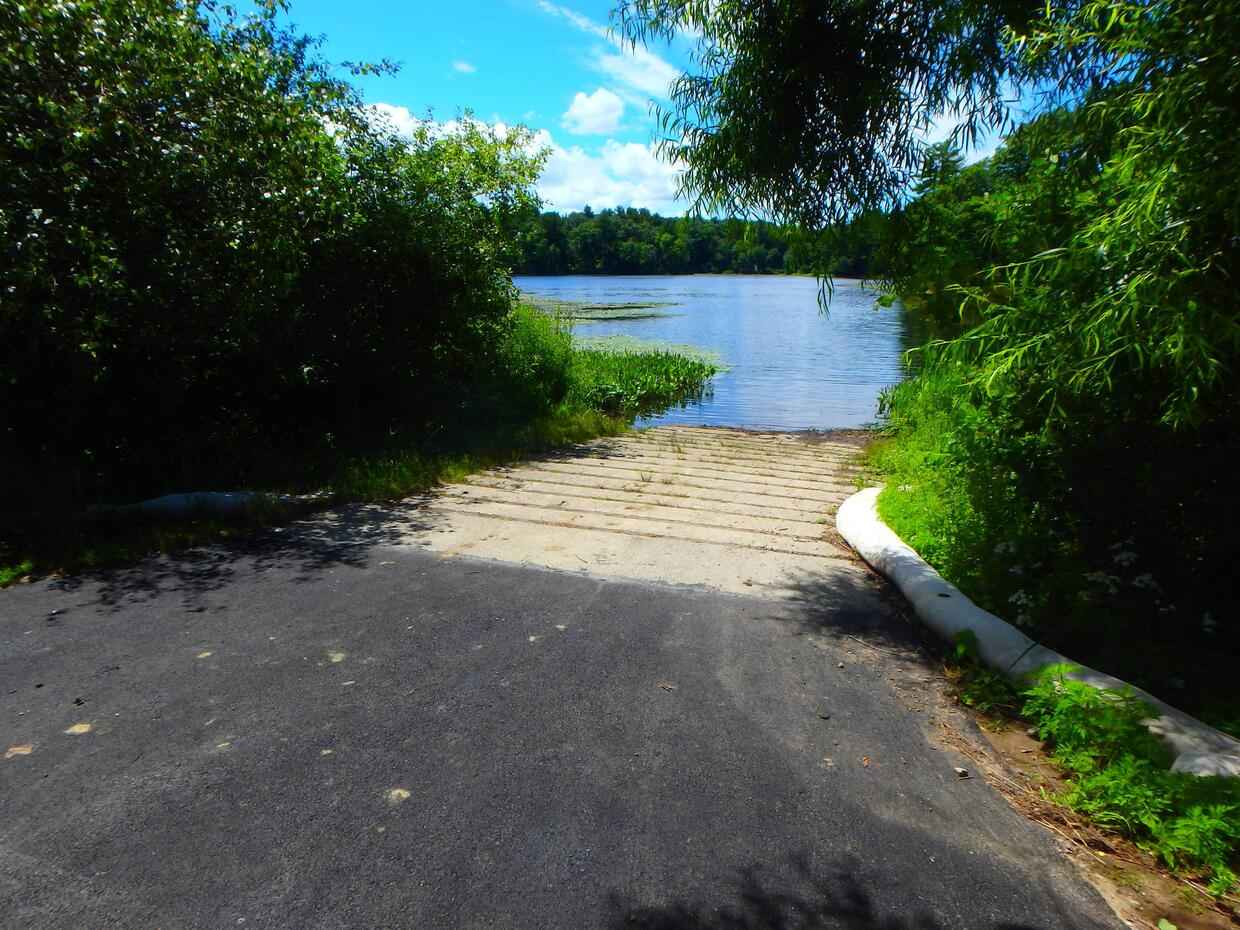
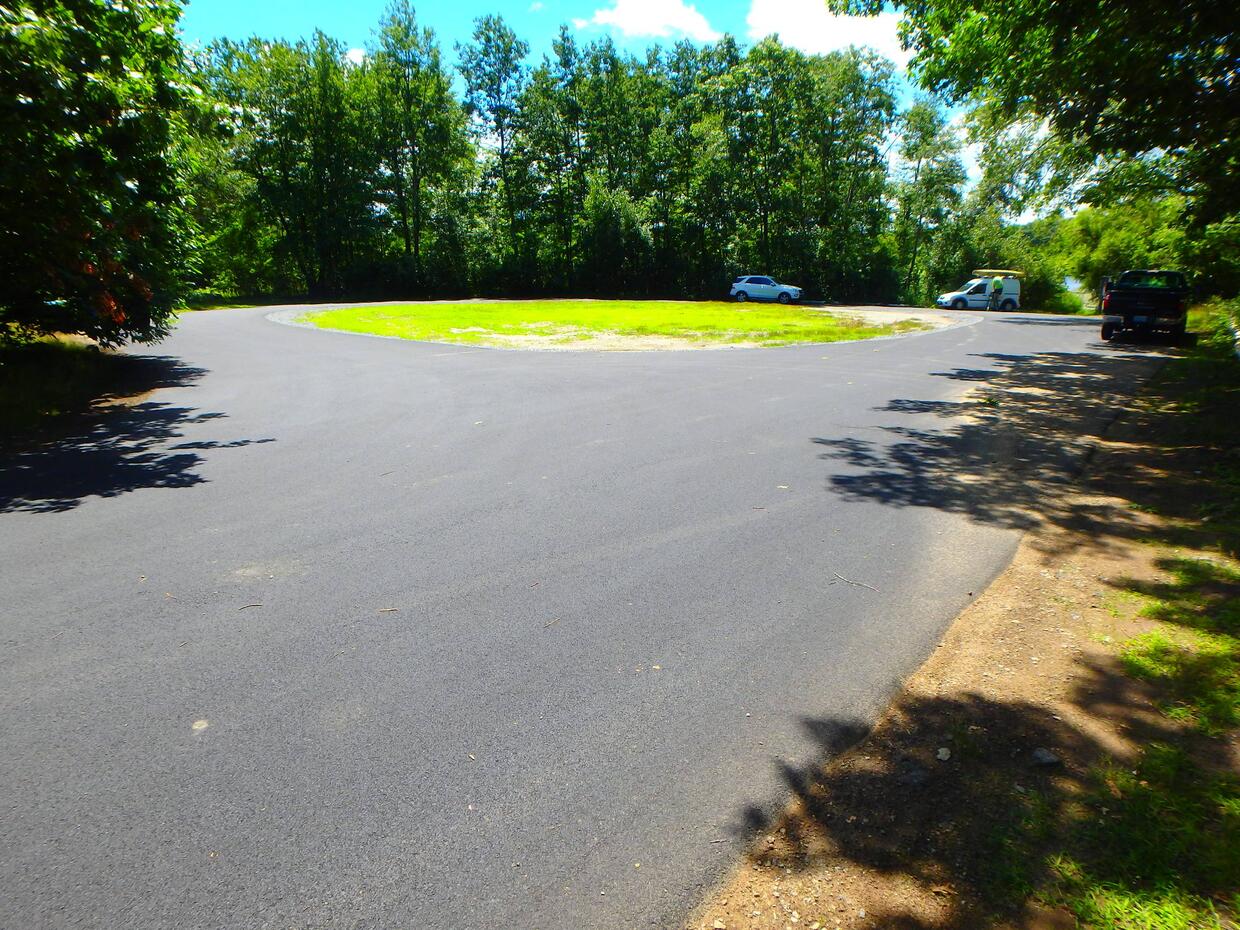
The town of Northborough manages a concrete ramp and parking area (get directions) off of Lyman St. within Watson Park. The shoreline is accessible in areas adjacent to the ramp and via a footpath which leads through the park along the south east shore. Please contact the town of Northborough for additional information, and/or restrictions pertaining to public access of Bartlett Pond.
Fish populations
The following fish species were found during MassWildlife surveys:
- largemouth bass
- chain pickerel
- yellow perch
- white perch
- black crappie
- bluegill
- pumpkinseed
- brown bullhead
- yellow bullhead
- golden shiner
Fishing
Bartlett pond, due to its small size, good access, and remote feel is a great location for a new or novice angler looking to catch lots of fish. The pond teems with bluegill and pumpkinseed that can be caught in abundance but are of generally average size. An occasional 2 to 3+ pound largemouth or 1lb chain pickerel will be caught but larger individuals of game fish are generally rare in Bartlett Pond. Aquatic vegetation increases as the summer progresses so be prepared to avoid weedy areas or use weedless lures. Fish the bottom with bait to catch brown and yellow bullhead which are also abundant. Bartlett Pond has produced largemouth bass, sunfish, and yellow perch that meet minimum sizes for recognition by the Freshwater Sportfishing Awards Program.
More fishing resources:
Stop aquatic hitchhikers
Prevent the transport of nuisance species; clean all recreational equipment. Visit ProtectYourWaters.net to learn more.