
Description
Leverett Pond is a 95-acre great pond located off Depot Road in Leverett. The pond has an average depth of 5 feet with a maximum depth of 21 feet and its waters are generally clear and transparent to roughly 9 feet. The 1.9 miles of shoreline are modestly developed with residential dwellings with the exception of the north end which is almost completely forested. The bottom is muck and sand with aquatic vegetation covering 40 percent of the surface area with submergent vegetation covering virtually the entire pond bottom.
Recreational access
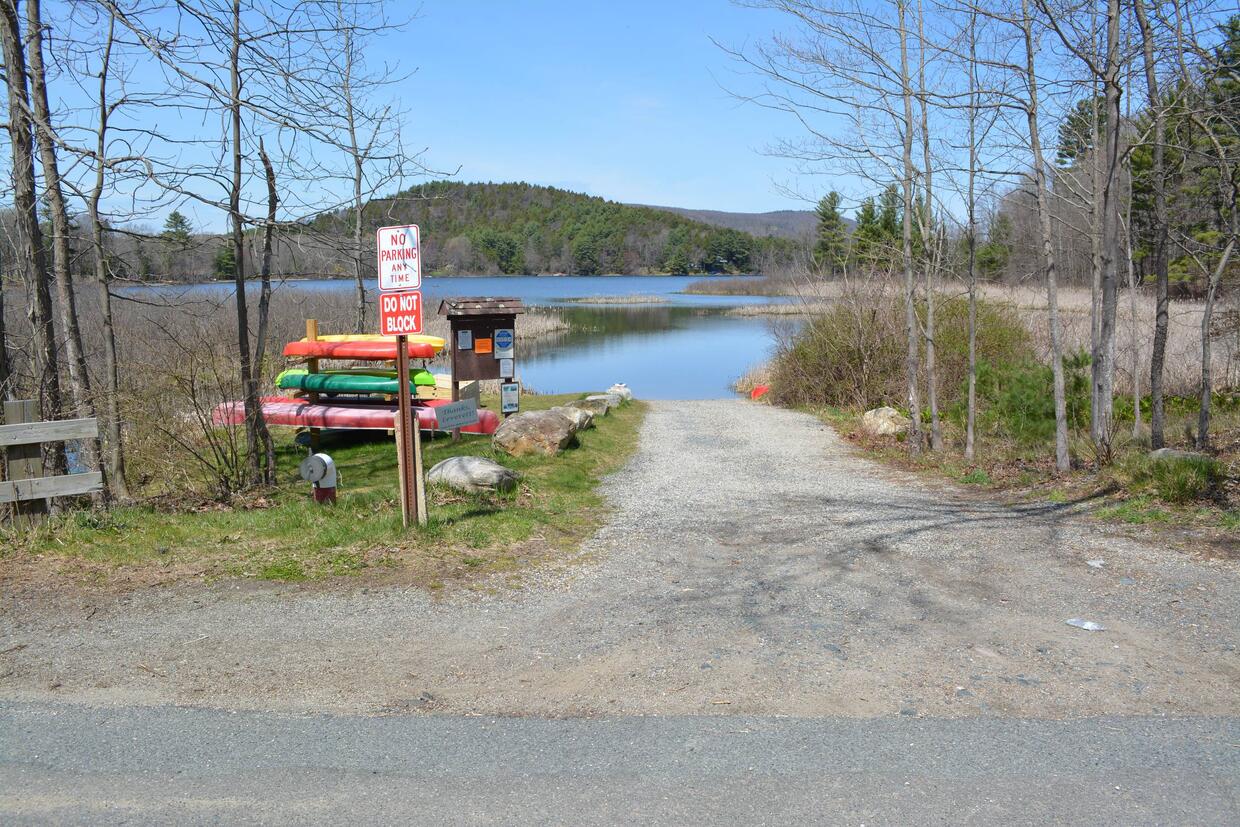
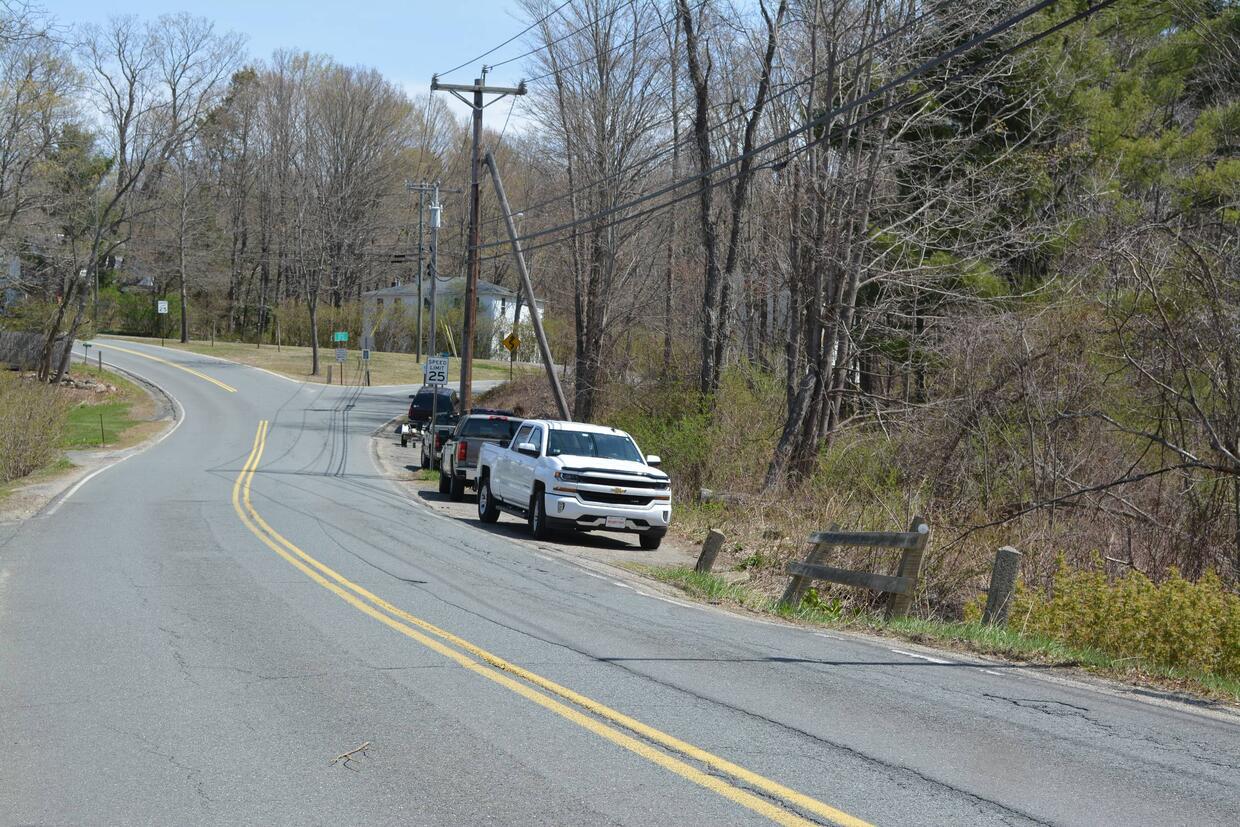
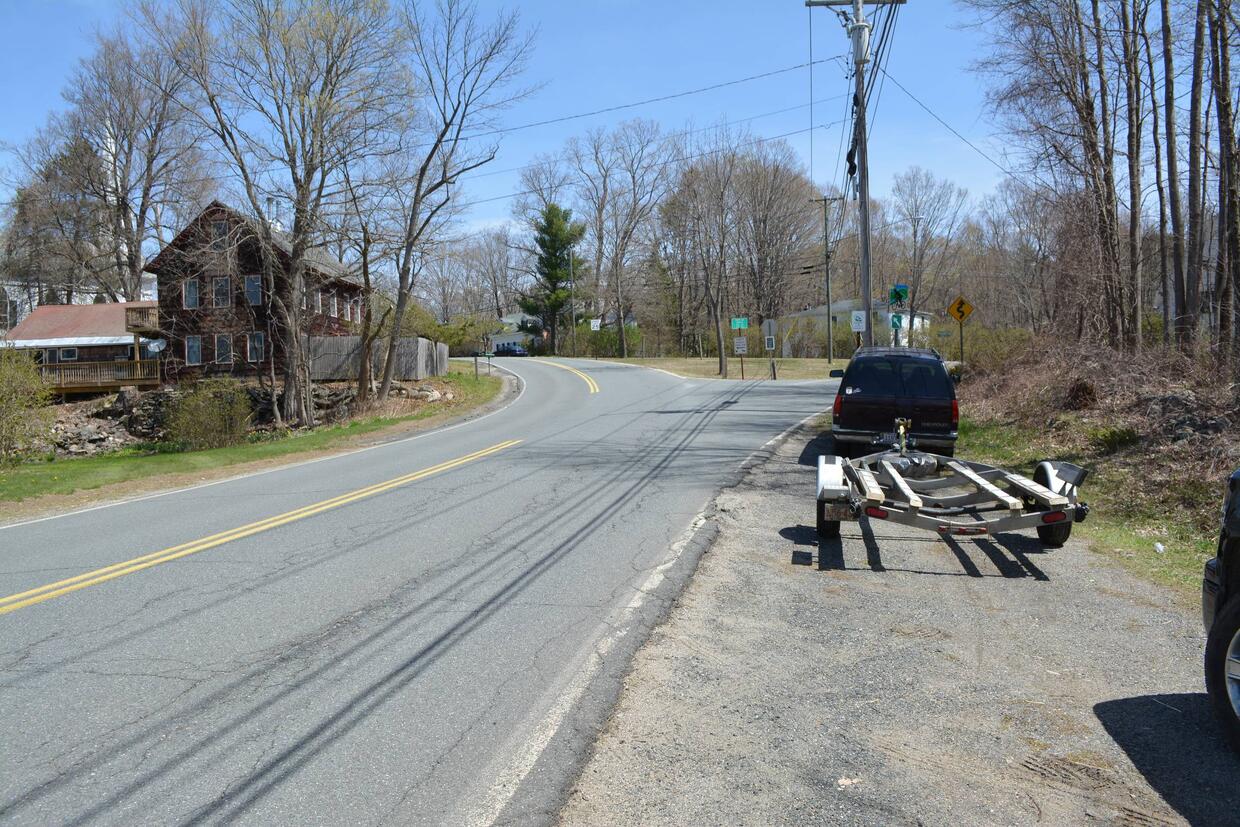
The town of Leverett manages a small, gravel ramp on the southern end of the pond off Depot Road (get directions). This end of the pond is quite shallow and mucky so be prepared to lift your motor or use a pole or paddle to move out to deeper water; paddlers will have no problem. Parking is limited to a few vehicles on two gravel pull offs on the shoulder of Depot Road. Please contact the offices of the town of Leverett for additional information and/or restrictions pertaining to the public access of Leverett Pond.
Fish populations
The following fish species were found during MassWildlife surveys:
- largemouth bass
- chain pickerel
- black crappie
- yellow perch
- bluegill
- pumpkinseed
- brown bullhead
- golden shiner
- American eel
Fishing
Largemouth bass, chain pickerel and sunfish dominate the fish population in Leverett Pond. While these fish do not often reach large size they are numerous and will provide plenty of action. Be sure to bring weedless lures if fishing in late summer as aquatic vegetation can become thick in areas. Leverett Pond is ideal for paddlers who can gain access to these shallow weedy coves, particularly in the northern end of the pond. Leverett Pond has produced largemouth bass, chain pickerel, black crappie, yellow perch and sunfish that meet minimum sizes for recognition by the Freshwater Sportfishing Awards Program.
More fishing resources:
Stop aquatic hitchhikers
Prevent the transport of nuisance species; clean all recreational equipment. Visit ProtectYourWaters.net to learn more.