
Description
Little Alum Pond is a 76-acre great pond and impoundment of Little Alum Pond Brook located approximately one mile north of Route 20 off Little Alum Pond Road in Brimfield. Little Alum Pond has an average depth of 20 feet, a maximum depth of 45 feet and the water is clear with a transparency of 15 feet. The bottom type is predominantly mud and coarse rubble with many large boulders. Aquatic vegetation is sparse and patchy along parts of the shoreline which is 75% developed with year-round homes and summer cottages.
Recreational access
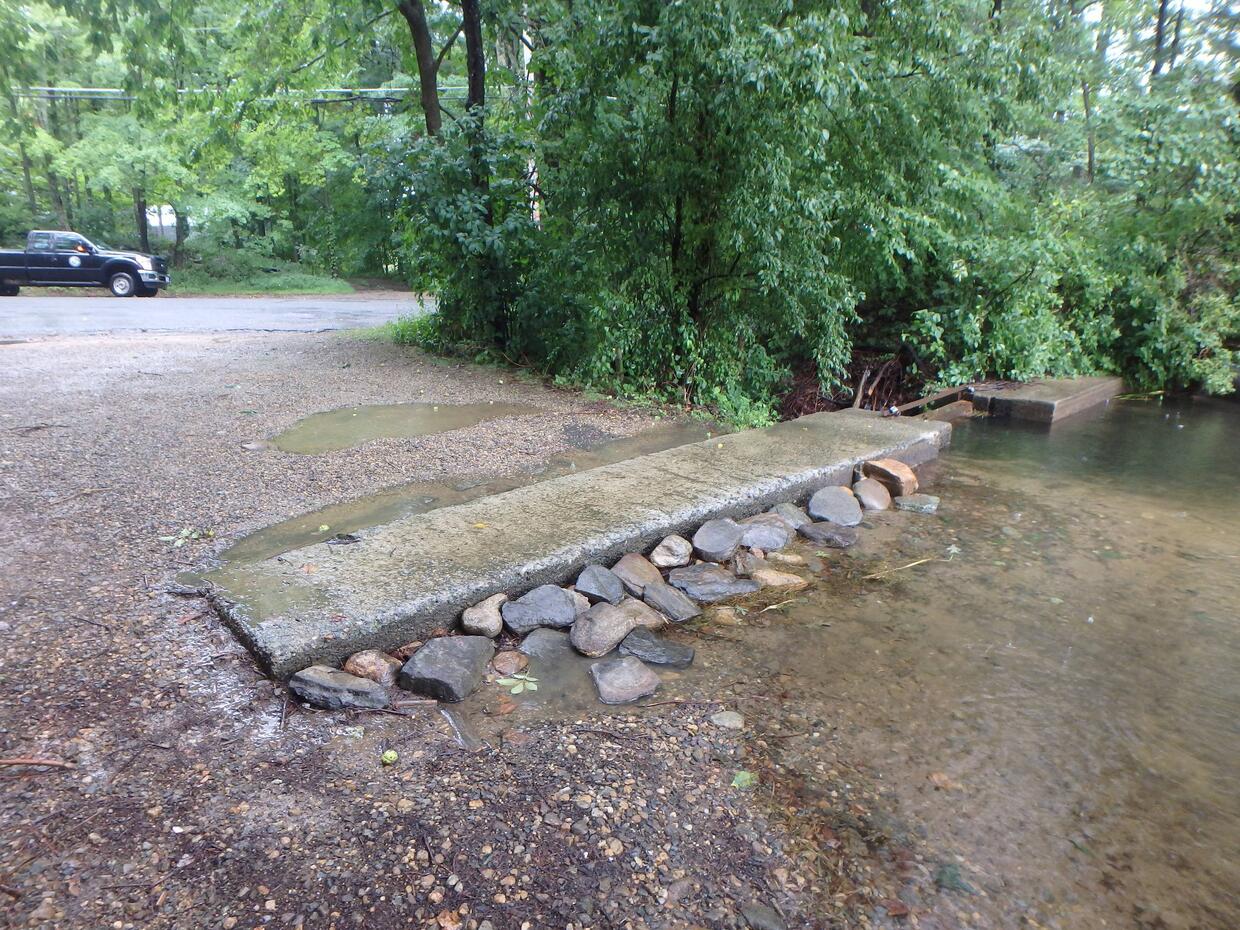
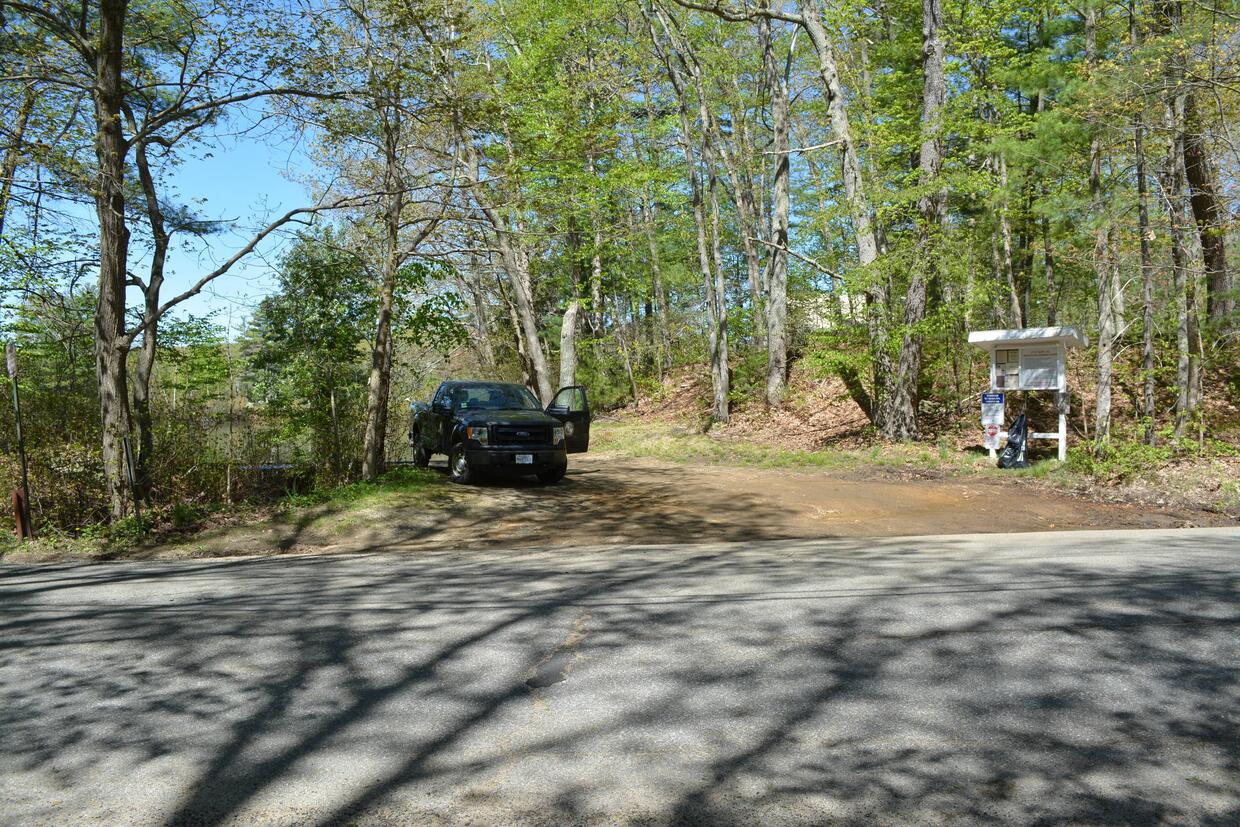
The town of Brimfield manages a gravel boat ramp next to the dam and outlet off Little Alum Road on the eastern shore of the pond (get directions). Parking is limited to a spot or two at the ramp and a few roadside pull-offs of Little Alum Road. If backing in a trailer, there is a sharp drop-off past the lip of the dam. Shore fishing is limited to the area immediately adjacent to the boat ramp. Please contact the town of Brimfield for additional information, fee structure, and/or restrictions pertaining to public access of Little Alum Pond.
Fish populations
The following fish species were found during MassWildlife surveys:
- largemouth bass
- smallmouth bass
- chain pickerel
- brown bullhead
- yellow perch
- white perch
- bluegill
- pumpkinseed
- golden shiner
- banded killifish
- landlocked alewife
Little Alum Pond is stocked each spring and fall with trout.
Fishing
Little Alum Pond is a popular trout fishing destination from April through June. Largemouth bass and yellow perch are popular throughout the summer and through the ice in the winter. The presence of landlocked alewife and other baitfish may bolster growth rates of fish in Little Alum. Little Alum Pond has produced largemouth bass, smallmouth bass, chain pickerel, rainbow trout and yellow perch that meet the minimum size for recognition by the Freshwater Sportfishing Awards Program.
More fishing resources:
Stop aquatic hitchhikers
Prevent the transport of nuisance species; clean all recreational equipment. Visit ProtectYourWaters.net to learn more.