- Division of Marine Fisheries
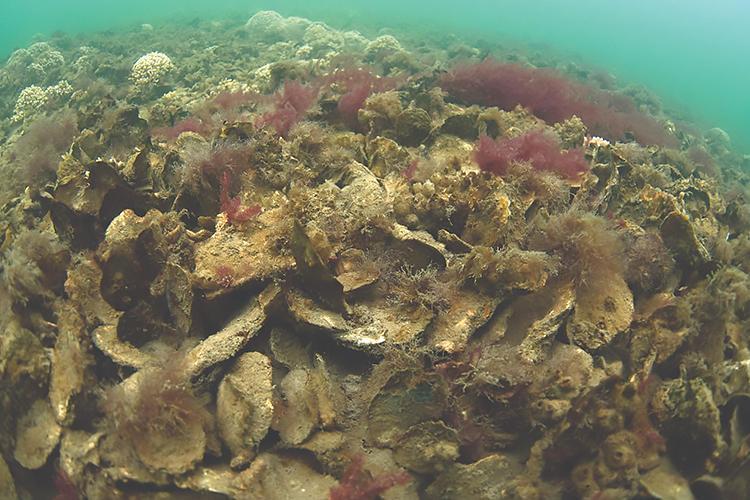
Few marine species are as closely tied to Massachusetts history, culture, and coastal economies as the Eastern oyster (Crassostrea virginica). From sustaining Indigenous communities for thousands of years to supporting a thriving modern aquaculture industry, oysters have long been an important part of life along our shores.
Well before European settlement, indigenous people including the Wampanoag tribes harvested oysters from Massachusetts estuaries and coastal waters. Oyster shells accumulated in large middens—ancient refuse piles that provide evidence of centuries of shellfish harvest and consumption. When European settlers arrived in the 1600s, they encountered extensive natural oyster reefs throughout Massachusetts’ bays, harbors, and estuaries. Historical accounts describe oyster beds so large and productive that they became a staple food source for coastal communities, harvested commercially and transported to growing population centers throughout New England. By the 1800s, oysters had become a culinary staple. Oyster houses flourished in Boston and other coastal communities, serving oysters in every imaginable preparation. During this era, oysters were so abundant and affordable that they were often considered working class food.
Massachusetts long supported a bustling wild oyster fishery that contributed significantly to local economies and waterfront culture. However, the prosperity of wild oyster populations did not last. During the late 19th and early 20th centuries, a combination of overharvest, habitat loss, declining water quality, and coastal development led to the widespread decline of natural oyster beds. Many of the extensive reefs that once characterized Massachusetts’ estuaries disappeared, and wild oyster populations fell dramatically. While wild populations declined, a new chapter in the oyster story emerged through aquaculture. Beginning in the latter half of the 20th century and accelerating over the last several decades, shellfish farmers developed innovative methods to cultivate oysters in coastal waters. Today, oyster aquaculture is one of Massachusetts’ greatest seafood success stories.
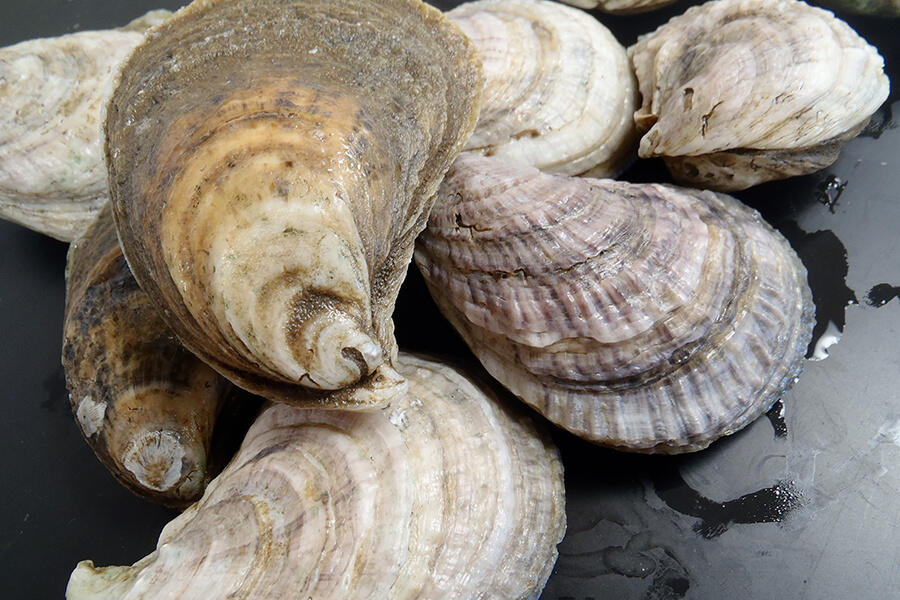
Massachusetts-grown oysters are recognized worldwide for their exceptional quality, distinctive flavors, and strong connection to place of harvest. Differences in salinity, water temperature, tides, and local growing conditions create unique taste profiles. From the briny waters of Cape Cod Bay to the productive embayments of Buzzards Bay and the Islands, each growing area contributes its own character to the final product. Massachusetts oysters have earned a reputation as some of the finest shellfish available anywhere.
The industry continues to grow and now generates more than $35 million annually, making oysters the Commonwealth’s third most valuable marine resource by landed value (behind only sea scallops and lobsters). Oyster farming occurs in approximately 29 coastal communities and supports hundreds of growers, waterfront businesses, and working families.
Since oysters are filter feeders that are predominantly consumed raw, they are among the most regulated seafood products harvested from our waters. Working in partnership with municipalities, growers, dealers, and federal agencies, DMF’s Shellfish Program administers much of the Commonwealth’s responsibilities under the National Shellfish Sanitation Program (NSSP). DMF biologists classify shellfish growing waters based on sanitary surveys and water quality monitoring to determine where oysters may be safely grown and harvested. These efforts are supported by DMF’s two laboratories in Gloucester and New Bedford that are evaluated by the US Food and Drug Administration for conformance with the NSSP. The program also conducts monitoring for harmful algal blooms, manages shellfish closures when necessary to protect public health, and works with the MA Department of Public Health to implement the state Vibrio Control Plan to reduce risks associated with Vibrio bacteria, which can cause illness when oysters are consumed raw.
Beyond their economic value, oysters provide important environmental benefits. A single oyster can filter large volumes of water each day, helping improve water quality while creating habitat for other marine organisms. Recognizing these benefits, DMF and its partners are actively engaged in restoration efforts aimed at rebuilding oyster reefs and enhancing wild populations in suitable coastal habitats. These projects seek to restore ecosystem functions while preserving an iconic species that has shaped Massachusetts coastal life for centuries.
Whether growing on a farm, filtering water in a restored reef, or appearing on a half shell at a local restaurant, the oyster remains a symbol of the Commonwealth’s rich maritime heritage and a promising part of its future.
By Alex Boeri and Chrissy Petitpas.