- Executive Office of Energy and Environmental Affairs
- Department of Fish and Game
- Division of Ecological Restoration
Media Contact
Julia E. Hopkins, Communications Director
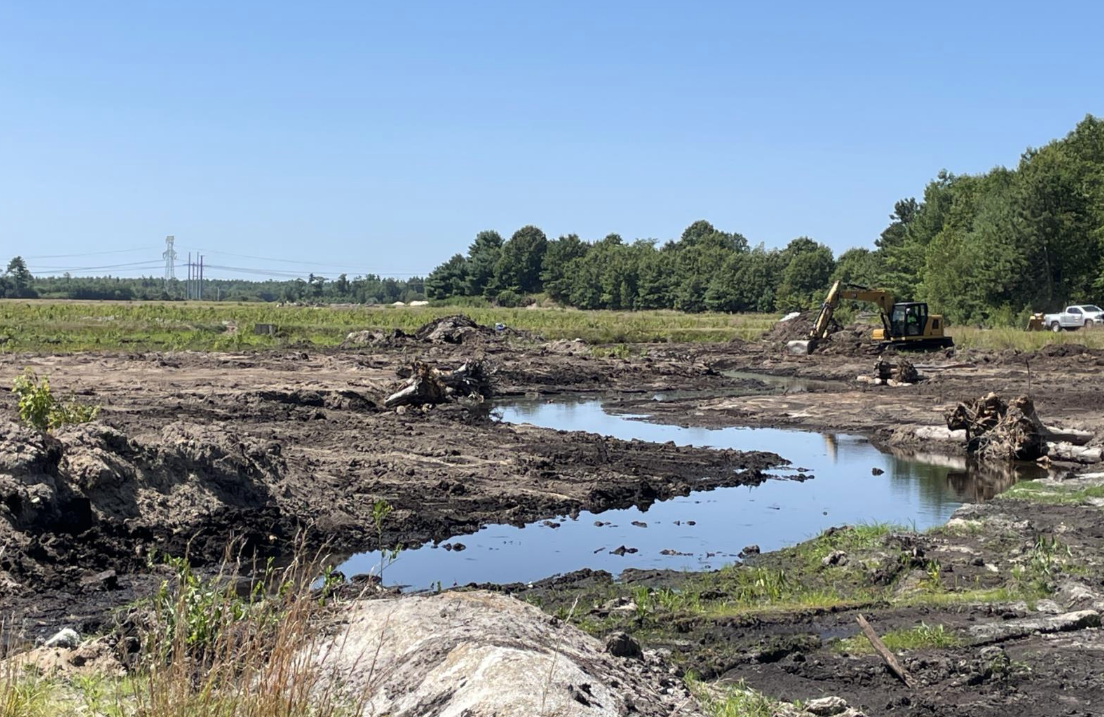
BOSTON — The Healey-Driscoll Administration today announced over $1.4 million in grants to support river and wetland restoration. The funding, provided by the Department of Fish and Game’s (DFG) Division of Ecological Restoration (DER), was awarded to twelve communities, including eight projects through DER’s Priority Projects Program and one project through DER’s Culvert Replacement Training Site Initiative. These projects will help to strengthen resilience to climate change, reduce flood risks, improve water quality and public safety, and restore vital wildlife habitat.
“Restoring wetlands and streams, removing dams, and replacing culverts make our communities safer and more resilient to the increasing extreme weather events,” said Executive Office of Energy and Environmental Affairs Secretary Rebecca Tepper. “Investing in this work benefits all of us now and into the future. That’s why we put forward the Mass Ready Act – to ensure Massachusetts communities are prepared for the storms we are seeing now and the ones we will experience in the future.”
“Partnership and collaboration are essential to advance our state’s ambitious Biodiversity Goals, of which ecological restoration is a key priority,” said DFG Commissioner Tom O’Shea. “Each of these important projects restore habitats for fish and wildlife ranging from river herring to eastern brook trout to salamanders and turtles. In addition, these projects bring nature to our cities and create opportunities for all people to access the outdoors.”
DER’s Priority Projects Program supports wetland and river restoration projects that benefit the state’s environment, community, and economy. Once designated as a DER Priority Project through a competitive process, projects are eligible to apply for funding opportunities and receive technical support and services from DER. DER’s Priority Projects restore freshwater wetlands, floodplains, streams, and coastal habitats, and remove aging and unsafe dams.
DER’s Culvert Replacement Training Site Initiative works to help cities and towns replace outdated culverts with new, improved crossings and aims to create a network of road managers with advanced experience implementing culvert replacements that meet the Massachusetts Stream Crossing Standards. Through project sites that serve as case studies, local road managers receive comprehensive training on how to assess, plan, and carry out these important resilience projects statewide.
“These river and wetland restoration projects reflect the power of strong partnerships between the Commonwealth, municipalities, nonprofits, and landowners,” said DER Director Beth Lambert. “Together we are improving public safety, strengthening climate resilience, and bringing natural systems back to health. This work delivers lasting benefits for both communities and the ecosystems they depend on.”
Through the Biodiversity Goals for the Commonwealth, the Healey-Driscoll Administration has committed to restore 75 percent of our most important habitats for wildlife, remove 10 percent of obsolete dams, and upgrade 2,500 culverts by 2050. Through the Mass Ready Act, the Healey-Driscoll Administration has proposed historic investments to accelerate progress towards these goals, including $40 million for river and wetland restoration and $20 million dedicated to advancing the Biodiversity Conservation Goals.
DER is awarding funding to the following eight Priority Projects:
- Abbey Brook Restoration & Revitalization; Chicopee
- Award: City of Chicopee; $100,000
- This project is removing two dams, replacing a culvert, and “daylighting” a 250-foot stretch of river to restore natural river processes, improve water quality, stormwater management, and stream connectivity, reduce flood risk, and protect area utilities. This award will support design work for Phase Two of the project.
- Bayview Cranberry Bogs Restoration; Yarmouth
- Award: Cape Cod Conservation District; $25,000
- This project is restoring healthy, diverse wetlands on approximately 45 acres of abandoned cranberry farmland adjacent to the Cape Cod Hospital. This award will support planning, outreach, and community engagement.
- Childs River Restoration; Falmouth and Mashpee
- Award: Falmouth Rod & Gun Club, Inc.; $6,200
- This project completed construction in 2021 and resulted in restoration of 40+ acres of wetlands and 1.5 miles of associated stream, improved fish and wildlife passage and ecological connectivity, and enhanced habitat and species diversity. This award will support post-construction invasive species management.
- Frost Fish Creek Restoration; Chatham
- Award: Town of Chatham; $120,000
- This project is restoring tidal exchange and stream connectivity to an impaired upstream salt marsh and a former cranberry bog to improve water quality and wetland health and function within Frost Fish Creek. This award will support data collection and development of flood mitigation designs.
- Nashawannuck Brook Restoration; Northampton
- Award: City of Northampton; $154,650
- This project is restoring floodplain connection, enhancing stream habitat, creating wetland habitat, and replanting the riparian corridor on a former golf course in Northampton. This award will support construction.
- South Meadow Wetland Reserve Easement Restoration; Carver
- Award: Edgewood Bogs LLC; $177,000
- This project is restoring 30+ acres of retired cranberry farmland to a self-sustaining natural wetland and stream system, enhancing habitat, biodiversity, ecological connectivity, and climate resilience and resistance. This award will support construction.
- South River Restoration/Temple Street Dam Removal; Duxbury
- Award: North and South Rivers Watershed Association; $150,000
- This project is removing the Temple Street Dam to improve ecological processes and climate change resilience, restore aquatic connectivity, and eliminate an ongoing maintenance burden for the community. This award will support construction.
- Ware River Restoration/Wheelwright Dam Removal; Hardwick, Barre, and New Braintree
- Award: East Quabbin Land Trust, Inc.; $600,000
- This project is removing the Wheelwright Pond Dam to restore natural riverine processes and reconnect 130 miles of high-quality freshwater habitat in the Ware River Watershed, 34 miles of which is coldwater fisheries habitat. Removal of the Wheelwright Pond Dam will be one of the largest and most significant dam removals in Massachusetts. This award will support phase two of construction.
DER is awarding funding to the following project through the Culvert Replacement Training Site Initiative:
- Stoney Brook Culvert Replacement; Weston
- Award: Town of Weston; $76,924
- This project will remove two undersized culverts on Viles Street and Church Street over Stoney Brook, a Coldwater Fisheries Resource, to benefit stream and habitat connectivity as well as provide public access and safety benefits to the roadway and surrounding community. As part of the Culvert Training Initiative, the Town will also host one to two trainings led by DER to teach local roadway managers about culvert replacements in Massachusetts. This award will support field data collection activities.
“I’m pleased to see this important restoration project in Duxbury moving forward. Dam removals across the 6th Plymouth District and throughout the Commonwealth are providing much-needed ecological restoration, improving resiliency, and strengthening our natural resources. I’m proud to support this work and the local partners helping bring it to fruition,” said State Representative Ken Sweezey (R—Duxbury).
###