- Executive Office of Energy and Environmental Affairs
- Massachusetts Department of Agricultural Resources
Media Contact
Aisha Revolus, Communications Manager
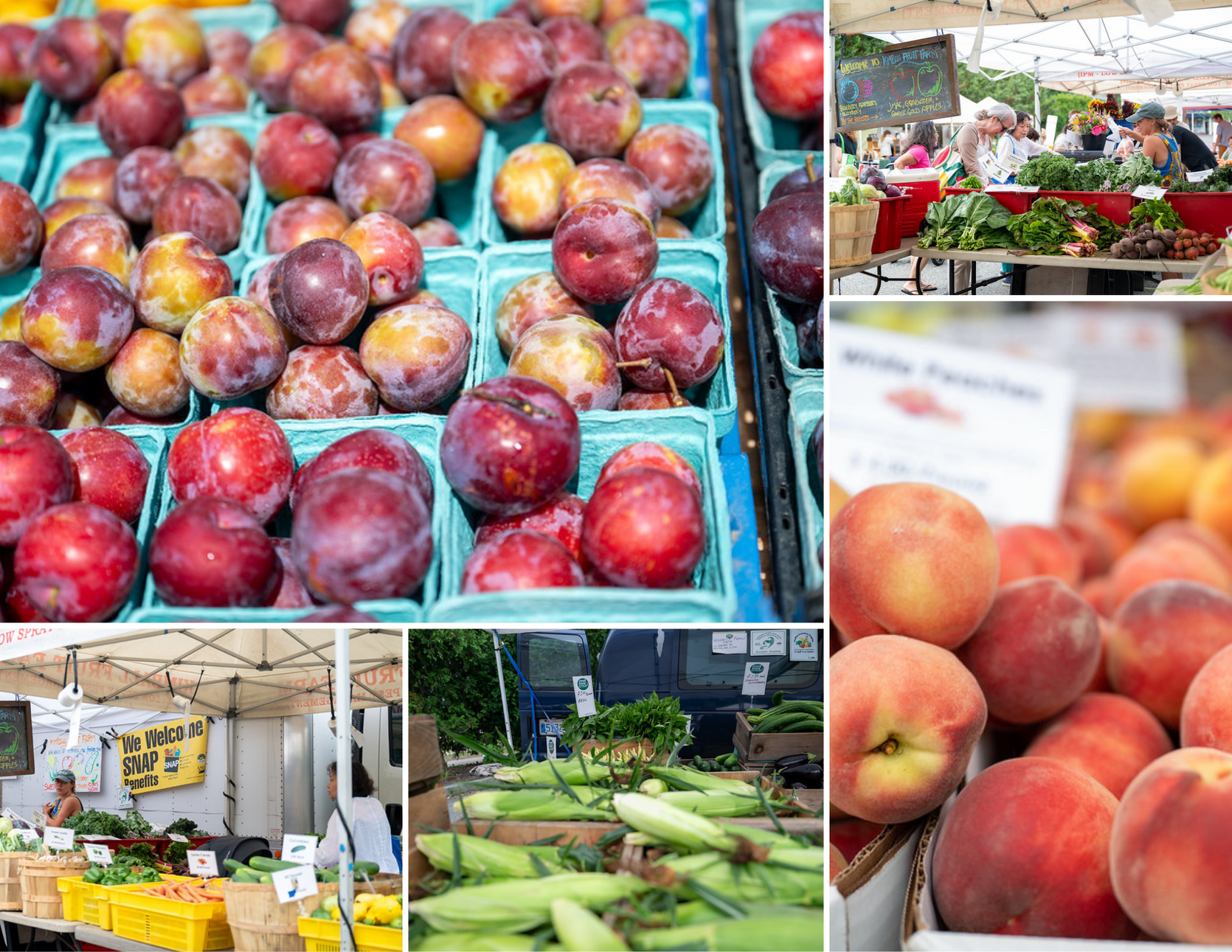
HINGHAM — Governor Maura Healey has declared August 2–8, 2026, as Massachusetts Farmers Market Week, honoring the local markets that showcase the bounty of the state’s diverse agricultural sector, sustain family farms, and expand healthy food access to residents.
To mark the week, Massachusetts Department of Agricultural Resources (MDAR) Commissioner Ashley Randle and staff will join with state officials to tour three regional markets in Hingham, Billerica, and New Bedford (details below) to showcase how they uplift neighborhoods, raise the profiles of small businesses and family farms, and bridge nutrition gaps.
“Massachusetts farmers work hard every day to grow fresh, healthy food for our families and strengthen local economies across our state,” said Governor Maura Healey. “Farmers markets make it easier for people to support local farms while putting nutritious food on the table. That's why we're continuing to invest in programs like HIP that help families afford fresh produce, support our agricultural community and keep our food system strong.”
“Farmers markets are some of the best places to experience the incredible products grown right here in Massachusetts,” said Lieutenant Governor Kim Driscoll. “They bring neighbors together, help small farms and local businesses thrive, and connect more families with fresh, locally grown food. During Farmers Market Week, we encourage everyone to visit their local market and support the farmers who help feed our communities."
“Visiting a neighborhood farmers market is the best way to champion our local agricultural industry,” said Energy and Environmental Affairs Secretary Rebecca Tepper. “These hubs provide Massachusetts growers with steady income, keeping those dollars in-state while delivering fresh healthy foods to Massachusetts residents. When we meet those individuals who are stewarding our land and growing the food that feeds us, we have a deeper appreciation for the sector who work so hard to keep our farming community thriving.”
“The vast majority of our farms are small to mid-scale operations that rely heavily on direct-to-consumer sales to thrive, and we’re proud that here in Massachusetts direct sales, including at farmers markets, account for a high percentage of farm revenues,” said Commissioner Randle. “They allow producers the opportunity to sell direct while giving families a window into how their food is grown, building a more resilient agricultural economy and local food system.”
Massachusetts ranks fifth in the country for total direct market sales, with over a quarter of the state’s 7,000 farms selling directly to consumers, generating over $254 million in annual revenue which includes farmers markets. Along with keeping retail dollars in cities and towns to support local economies, these markets offer a transparent alternative to complex and sometimes volatile national supply chains. Buying locally means sourcing produce and meat from nearby growers who use rigorous safety standards, avoiding the risks of long-distance shipping and multi-layered handling which give consumers peace of mind that their produce is of the highest quality.
Farmers markets do far more than serve as grocery stops – they act as vibrant, bustling community spaces where neighbors naturally gather and connect. By shopping in these shared environments, consumers can shake hands with the hard-working farmers who planted, nurtured, and harvested their food. This face-to-face interaction builds lasting relationships and allows shoppers to understand how their food is grown, giving them a deeper sense of trust, community pride, and appreciation for local agriculture.
“It is so important to celebrate our local Farmers Markets, especially at a time when there's uncertainty and nervousness around the health of our national food system,said Edith Murnane, Executive Director, Mass Farmers Markets. "And, markets do not happen without our farmers and market managers across the Commonwealth. We are the beneficiaries of their hard work, often unpaid, to bring fresh, healthy, local food to our communities. Our farmers and market managers are the rock stars of our local food system.”
Farmers markets in Massachusetts also serve as critical food access points. Most locations accept Supplemental Nutrition Assistance Program (SNAP), Healthy Incentives Program (HIP), Women, Infants, & Children’s Nutrition Program (WIC), and Senior nutrition benefits, ensuring low-income households can obtain fresh, nutritious, culturally relevant food.
To counter federal cuts to food assistance, the Healey-Driscoll Administration is delivering on recent recommendations from its Anti-Hunger Task Force. The recent state budget, which was signed by Governor Healey, funds HIP at $21.5 million, enhancing the purchasing power of families at local farmers markets. HIP recently reached a major milestone, having helped families in Massachusetts purchase more than $100 million in fresh, locally grown produce since the program’s launch in 2017. Administered by the Department of Transitional Assistance, more than 500 farms and market locations participate in HIP with plans to expand the number of farms in the program as a means to provide greater access to SNAP recipients across the state, making locally grown food even more accessible. Alongside these efforts, state officials continue to prioritize investments in farmland preservation and rural infrastructure to safeguard long-term agricultural production.
The tours will take place on the following dates and times during Farmers Market Week:
Saturday, 8/1
9:00 AM: Hingham Farmers Market, 95 Station St.
Monday, 8/3
3:30 PM: Billerica Farmers Market, 793 Boston Rd.
Thursday, 8/6
2:00 PM: New Bedford Buttonwood Park Farmers Market, 745 Rockdale Ave. (behind the library)
A complete listing of farmers markets throughout Massachusetts can be found on the MassGrown & Fresher website.
###