- Bureau of Climate and Environmental Health
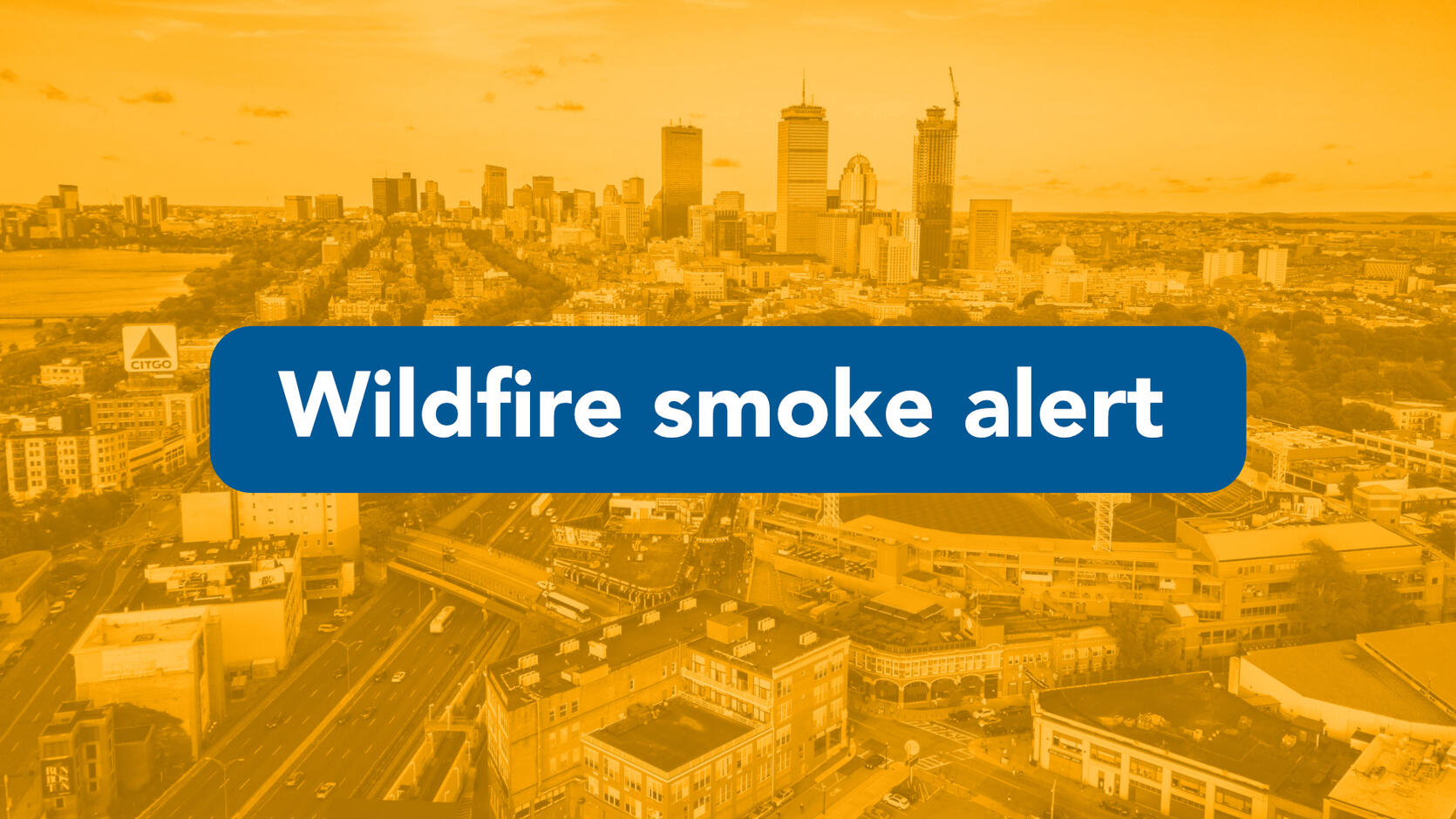
Smoke from Canadian wildfires is impacting air quality in Massachusetts. This creates hazy conditions and raises fine-particle pollution levels in some areas. Poor air quality can have significant adverse effects on sensitive groups. Those groups include children, older adults, pregnant people, and those with chronic medical conditions. It also affects people who are active outdoors.
The Massachusetts Department of Public Health offers resources on wildfire smoke and air quality. Please check these resources. Share them with patients, residents, and community partners when needed.
Wildfire smoke safety tips
- Monitor local air quality and follow public health and air quality advisories
- Limit outdoor activity and strenuous exercise when air quality is poor; move activities indoors when possible
- Keep indoor air cleaner by closing windows and doors, setting air conditioning systems to recirculate, and using high-efficiency (HEPA) air filters when available
- Avoid activities that increase indoor particle levels, including smoking, burning candles or incense, frying or broiling food, and using non-HEPA vacuums
- Follow medical guidance if at greater risk for asthma or other health concerns
- Keep medications available, and contact a health care provider with concerns
- Have a supply of N95 masks, learn when and how to use them, and practice having your child wear small N95 or surgical masks
- Seek immediate medical care for chest pain, chest tightness, severe shortness of breath, or difficulty breathing
Wildfire smoke resources
Climate Fact Sheet: Wildfire Smoke – Wildfire smoke degrades air quality even from fires thousands of miles away. This fact sheet highlights the health risks of wildfire smoke, including worsened allergies and respiratory issues, especially for vulnerable groups such as young children, older adults, pregnant people, and those with pre-existing conditions such as asthma, chronic lung disease, heart disease, or respiratory allergies. Learn practical steps to protect yourself, like monitoring air quality, creating a clean air room, using HEPA filters, and having N95 masks on hand for added protection. (Fact sheet available in 15 languages)
Climate Fact Sheet: Poor Outdoor Air Quality – Poor outdoor air quality can pose serious health risks, especially for young children, older adults, pregnant people, and those with asthma or heart conditions. This fact sheet explains how pollution from ozone, pollen, and fine particles impacts health and outlines steps to reduce exposure. Discover tips for improving indoor air quality, monitoring the Air Quality Index, and staying safe on high-pollution days. (Fact sheet available in 15 languages).
Asthma Prevention and Control – Provides information on reducing asthma symptoms through effective care, environmental improvements, and disease management.
AirNow provides comprehensive air quality data for your local area, as well as state, national, and global views. Use its interactive Fire and Smoke map and color-coded Air Quality Index (AQI) to track conditions and make informed health decisions during smoke events.