
This FY25 project enhanced climate resilience in Oxford by addressing extreme heat and inland flooding through nature-based solutions.
- This page, Oxford MVP Action Grant: Petroleum to Pollinators, is offered by
- Executive Office of Energy and Environmental Affairs
Project Summary
This project will transform a former gas station in a mapped Environmental Justice neighborhood into a climate-resilient public park and native pollinator habitat. This MVP Action Grant is finishing final design and permitting, advancing the project toward construction. Key tasks include an environmental assessment, schematic and construction-level design, public engagement, and development of a long-term maintenance and education plan. The project supports MVP and Hazard Mitigation Plan goals by reducing urban heat, managing stormwater, and promoting pollinator-friendly landscaping and public education.
Community Overview
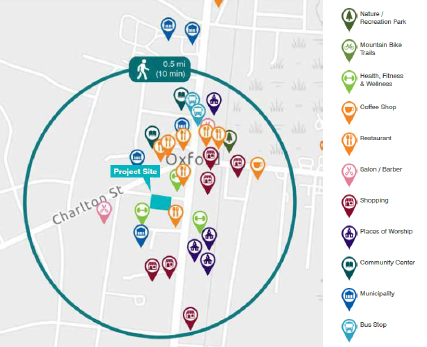
Oxford is located in Worcester County in central MA with a population of 13,347. Centrally located in the state, Oxford offers a mix of rural landscapes, residential neighborhoods, and commercial areas. Today, the town’s economy is supported by manufacturing, education, and municipal services. The town developed around a strong agricultural and industrial base, with historical landmarks such as the original Huguenot Fort, 18th-century churches, and long-standing town common areas still anchoring its identity. The historical legacy continues to shape Oxford’s community character and pride, as reflected in local education, preservation efforts, and community planning. The project site is located within an Environmental Justice-designated block group with a high proportion of low-income and senior residents. These populations also have limited access to nearby green space, making park improvements an important resilience strategy.
Grant Details
- Year: FY25
- Project Type: Type 1: Planning, Assessments, Capacity Building, and Regulatory Updates
- MVP Region: Central
- Grant Amount: $206,100
- Municipal Lead: Public Works
MVP Core Principles
While this project addressed multiple MVP Core Principles, it primarily focused on:
- Employing Nature-Based Solutions (NBS)
- Achieving broad and multiple community benefits
- Increasing equitable outcomes for Environmental Justice (EJ) and other priority
Climate Change Impacts Addressed
- Extreme heat
- Stormwater runoff
- Flooding
- Habitat degradation
Project Goals
- Reduce local heat impacts through shading and plantings
- Manage stormwater on-site to reduce runoff and improve water quality
- Establish pollinator habitat in a dense residential area
- Activate a vacant site to serve community needs and educate on nature-based solutions
- Enhance equitable access to nature and recreation
- Engage youth, seniors, and the broader public in climate solutions
Results and Deliverables
Two designs were developed proposing converting approximately 60% of the site into areas planted with native species to support pollinators and provide shade. Both includes large canopy trees, multi-stem or flowering trees, and medium evergreen trees. The remaining portions would feature permeable paving to improve stormwater infiltration and reduce runoff. Replacing an impervious site with green infrastructure and pollinator focused landscaping, reduces urban heat, manages localized flooding, expands pollinator habitat, and creates a public gathering space.
Partners and Other Supporters
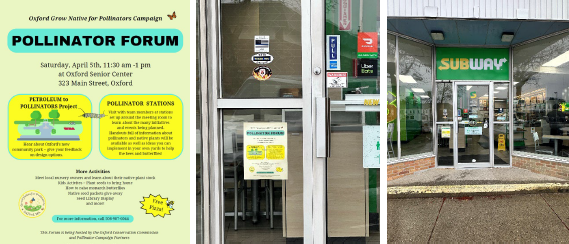
- Oxford Grow Native for Pollinators Team: This volunteer group took the project team on site visits to existing pollinator gardens, offering insights into what plantings and layouts have been successful locally and what challenges they’ve faced with upkeep and community involvement. They provided technical expertise related to native species selection and habitat design, reviewed draft materials, and shared feedback that directly influenced the conceptual park designs. They also helped with outreach, set-up, and engaging with attendees during the Pollinator Forum.
- Wayne Yacino, Local Artist: Wayne supported the art and cultural components of the project by contributing design concepts for future public art installations on the future project site that reflects Oxford’s local wildlife and landscape. He also advised on materials and design considerations that would support long-term durability and ease of maintenance, insights that were incorporated into the draft park maintenance guide. His involvement helped align the park’s visual identity with local community values and the educational goals of the project.
Lessons Learned
- Conducting a thorough existing conditions analysis informed resilient design elements such as rain gardens, drought-tolerant native plantings, and strategically placed shade trees.
- An in-depth analysis of demographics and park user groups such as seniors and families with limited access to green spaces underscored the need to tailor design interventions to the local community.
- Engaging residents early and often provided valuable feedback that influenced both the design and planning process, such as the placement of pollinator gardens to avoid conflicts with nearby farms.
- Input from residents led to meaningful additions to the planning process, including calls to engage local communities and account for public art maintenance in long-term strategies. These insights helped expand the scope of planning to include cultural, aesthetic, and practical considerations.
- Community members often possess the local knowledge, networks, and drive needed to sustain project momentum beyond the initial planning phase. Supporting and incorporating local leadership not only improves project outcomes but also fosters long-term stewardship.
