
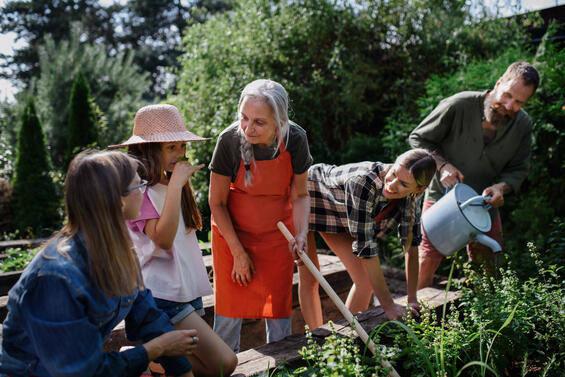
There are many benefits of growing your own fruits and vegetables. Aside from the cost savings gardening is also known to be therapeutic and beneficial for our mental health. Gardening does not to be an extensive task or time consuming. Even if you have never gardened before you can still start your very own garden in your home with whatever space you have available.
Window gardens, sometimes known as herb gardens, are a great way to plant and grow your own herbs right from the comfort of your own home. They don’t require a lot of space or supplies and are an easy and uplifting way to grow your own food to use in common everyday recipes.
Pick your plants
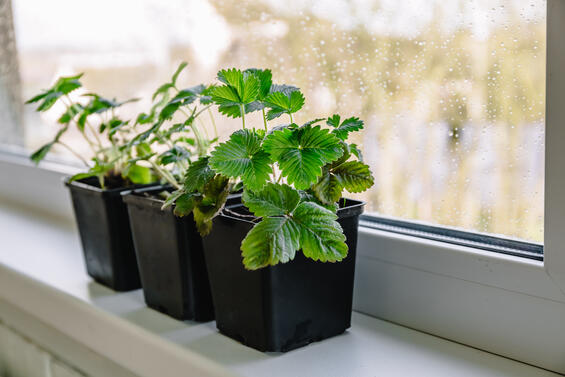
To start your own herb garden, consider the herbs that you use regularly. Some examples are rosemary, thyme, oregano, basil, sage, mint, and cilantro. You can usually find seeds at your local supermarket, hardware store, or farmers’ market. You can use your EBT card with SNAP or HIP benefits to purchase these seeds at a participating market. Next, select your container for your garden. You don’t need to buy a fancy pot. Using old milk cartons, yogurt containers, and similar items are great options.
Prepare your container
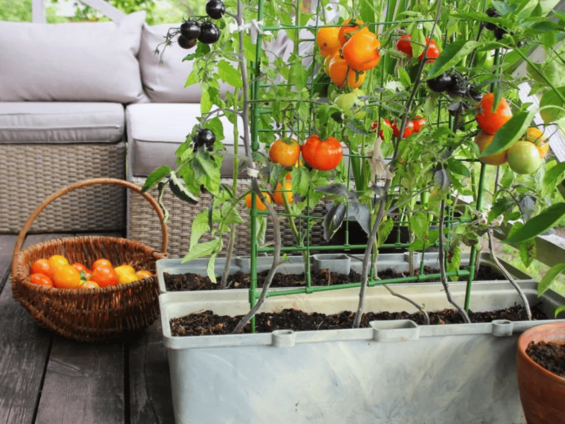
You will want to be sure that your container has enough depth for the plant to thrive and expand its roots. Drain holes are also important for the soil to be able to release any extra water. Make a drain hole with a drill, scissors, knife, or other sharp item. You will probably also need to attach a cloth to the bottom of your container to prevent soil and water from seeping out every time you go to water your plant.
Choosing a nutrient-rich potting soil will ensure your plants get all the nutrients needed to grow. Nutrient-rich potting soil can also be found at a home hardware store or garden center.
Do your research and know which plants to plant together. Mint should be planted alone and not with any other herb. The reason for this is that mint is a very invasive plant, which means it will take over any garden. Planting mint on its own will allow it to thrive without interfering with another plant’s space and development. Another example is Dill. Dill is an herb that should also be planted on its own, as it does well in wet soil, while other herbs, such as parsley, sage, and lavender, do better in dry conditions. If all of this seems overwhelming, don’t worry; the back of the seed packaging will give you the information needed for each plant. Use your SNAP or HIP benefits to purchase seeds to start your own garden.
Nurture your plants
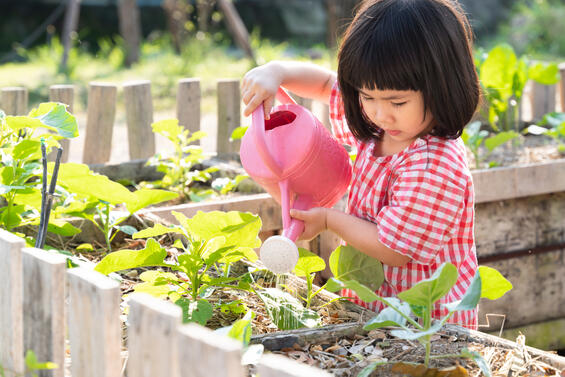
Sunlight and water are essential for your garden. Your herb garden will need a minimum of 5-6 hours of sunlight. Be sure that the window you have chosen receives enough sunlight, or consider adding a lamp for added light. Since the indoor air tends to be dry in the winter, you will want to slightly increase humidity by misting your plants consistently. Rotating your plants will also ensure that each plant is exposed to equal levels of light. Plants need a stable environment for development, so try keeping the temperature indoors between 65-75 degrees Fahrenheit. Also, avoid placing the plants near cold windows as this will cause shock to the plant and result in the leaves yellowing.
Gardening involves a lot of learning as you go. If things don’t work out perfectly right away, make an adjustment and try again. Interested in exploring more about gardening? Reach out to your municipality or library to see if there’s a community garden in your neighborhood.