
Start With the Basic Equipment
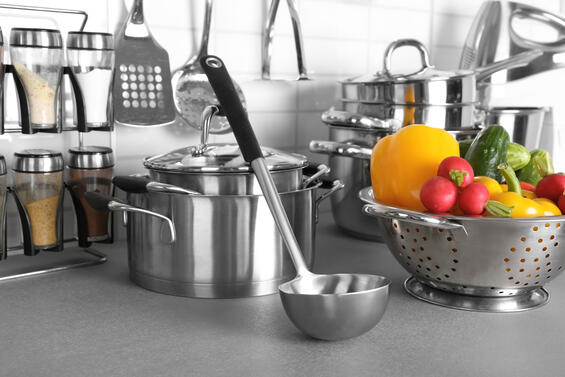
Everyone’s kitchen needs and kitchen tools will vary based on preferences and space. Some may have a full kitchen equipped with a stove, oven, microwave, air fryer, toaster oven and more. Others may have a hot plate and microwave. Regardless of your options you can eat healthily within your unique circumstances. Knowing your equipment is key. For example, a gas stove will adjust to heat change quicker than an electric stove, therefore cooking techniques and times may vary.
Know Your Kitchen Tools
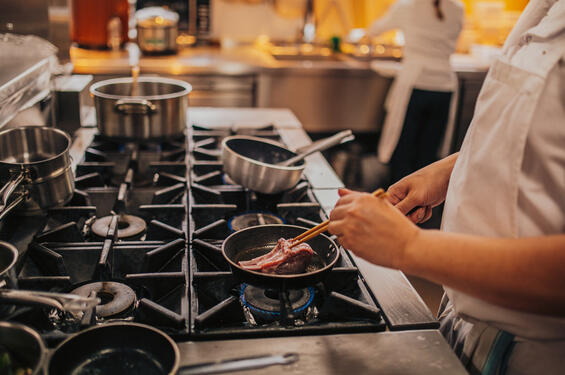
Knowing which pots and pans work for your equipment and meals is equally important as the equipment itself.
- Skillets or frying pans are best for fast cooking, sauteing, frying, browning and searing.
- Sauté pans are best for fast cooking larger amounts, sauteing, frying, browning and searing.
- Dutch ovens are best for slow cooking, roasting stews, braises and casseroles.
- Saucepans are best for cooking with liquid, simmering, boiling, poaching, cooking grains and making sauces.
- Stockpots are best for cooking with large amounts of liquid, boiling, cooking pasta, steaming and making large amounts of sauce or soup.
- A Wok is best for many cooking techniques such as large stir fries, deep frying, stewing, braising, and making soups.
Having a few key items, such as a portable handheld can-opener, will make cooking and using canned goods easier if the power happens to go out. Cookbooks are also very helpful as a tool for the kitchen. You can find great recipes by visiting your local library and checking out its cookbook selection.
Kitchen Organization Tips
Knowing how to properly store foods can make a difference in having nutritious foods ready to eat and not end up as waste.
On the Countertop
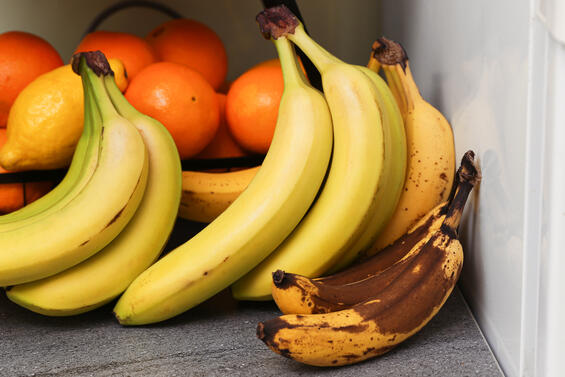
Fruits and vegetables that ripen best at room temperature include the following: peaches, pears, lemons, tomatoes, bananas, avocado, oranges, cucumbers, kiwis, mangos, honeydew, watermelon, nectarines, papaya, pineapple, plums, grapefruit and pomegranates. A tip to speed the ripening process is to put the fruit in a paper bag with a ripe banana. Ripening at room temperature will increase the sweetness of the fruit. Once they are ripe, put them in the fridge to keep them fresh as long as possible.
In the Dark
Some fruits and vegetables last longest in a cool, dark, dry place such as a pantry. This includes garlic, onions, potatoes, pumpkins, eggplants, sweet potatoes, ginger, summer squash and winter squash. To extend the life of these even further be sure to keep onions away from other produce as they can release a gas which can speed up spoilage. Potatoes do best by being stored in a paper bag or cardboard box in the pantry.
In the Fridge
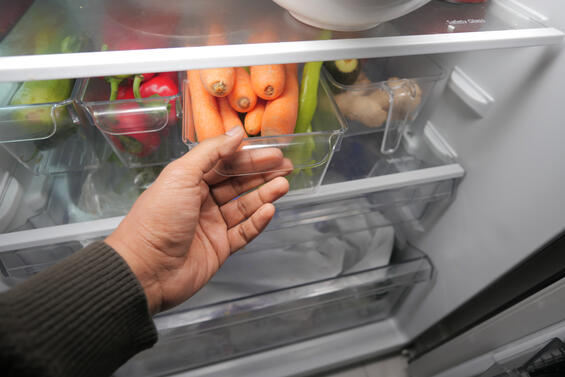
Grapes, apples, berries, lemons, limes, peppers, lettuce and broccoli should be stored in the refrigerator to extend their nutrients and prevent them from spoiling quickly. Vegetables such as cilantro, parsley, spinach, asparagus, leeks, kale, artichokes and sprouts should also be refrigerated. If it is fresh and green, it more than likely requires cool or cold temperatures. Keep in mind that some fruits release a gas that spoil vegetables. To avoid this from happening store your fruits and vegetables separately within the fridge.
In the Freezer
Freezing fruits and veggies is a great way to preserve them and reduce food waste. Foods such as broccoli and other green veggies, berries, grapes, bananas and corn can all be cut up and placed in freezer bags for future use. Cut-up vegetables can be frozen and used in soups or stews or in other of your favorite recipes.
Refrigerator Organization
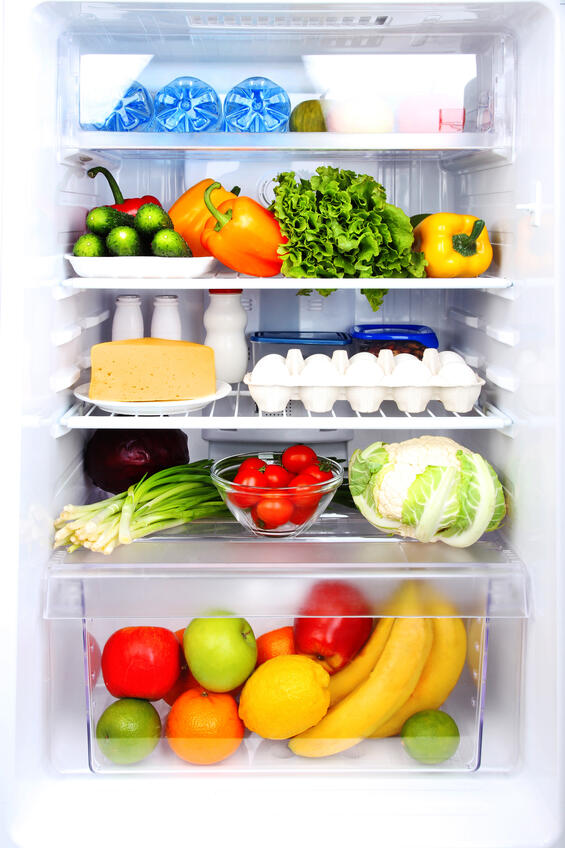
Knowing how to organize the refrigerator can help eliminate food waste and keep food lasting longer. Keep in mind that meant can be stored in the fridge if the intent is to cook it immediately, but if it will be used at a later date it should be stored in the freezer. When storing meat in the fridge keep it separate from other food to avoid cross contamination. Here are a few other tips on how to arrange your refrigerator:
Top Shelves: These are ideal for storing ready-to-eat foods, leftovers, cooked meats and prepared salads. All foods stored should be covered or kept in sealed containers to avoid contamination.
Middle Shelf: This is best for storing cheeses, butter, eggs, creams and most dairy products. By keeping dairy in the middle of your fridge as opposed to the doors they stay in a more consistent temperature range and are not affected by the opening and closing of the refrigerator doors. The middle shelves are also ideal for storing any beverages and other items that benefit from cooler temperatures.
Bottom Shelves: Here tends to be the coldest part of the refrigerator and ideal for storing any fish, poultry or meat that will be cooked soon. Storing uncooked, raw meats and fish separately on the bottom shelf prevents fluids leaking and dripping down from the packaging. Wrapping each item and storing them in a sealed container can prevent cross contamination with other foods.
Vegetable and Fruit Drawer: Typically, every fridge will have two drawers. One is considered high humidity and the other low humidity. Most vegetables will do best in the high humidity drawer; this is especially true for vegetables that wilt such as lettuce. Fruits, along with vegetables that are susceptible to rotting, may benefit more from being placed in the low humidity drawer. Wrapping vegetables, fruits and salads in paper or plastic wrap with air holes can prevent them from exposure to any contamination. Herbs can be wrapped in a damp towel before storing them to prevent them from drying out.
Refrigerator Door: This is the warmest part of the fridge. It is best to use these shelves to store foods that won’t spoil as quickly such as condiments, juices and other preserved foods as these items tend to have a longer shelf life.
The Many Uses of Baking Soda
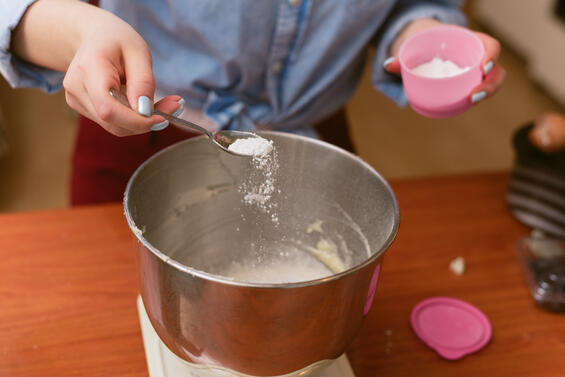
Baking soda is a staple item that can typically be found at any supermarket in the baking aisle and can be used in a variety of ways.
Baked Goods: For baking purposes, baking soda can be used as a leavening agent. This means the baking soda works by producing and trapping air in batters and dough, which then expands the food and makes for light fluffy baked goods. To use baking soda as a leavening agent in your recipe, add ¼ teaspoon per each cup of flour. Follow your recipe as normal.
Meat Tenderizer: Baking soda can be used as a tenderizer for meat and poultry, and it can aid in making more robust flavors and softer textures. To use baking soda as a meat tenderizer, add one teaspoon of baking soda and a ½ cup of water to every 12 ounces of meat. Let the meat soak for at least 15 minutes in the refrigerator. Carefully rinse the meat to rid it of as much baking soda as possible. Be sure to clean your sink thoroughly after rinsing to prevent the spread of foodborne illness. Proceed with cooking as desired.
Neutralizer: Baking soda can be used to neutralize acidic foods without impacting texture or overall flavor. By adding ¼ teaspoon to the food and mixing thoroughly you will reduce the excess acidity and enjoy more balanced flavors.
Cleaning Fruits and Vegetables: Baking soda can be used to create a cleaning solution for fruits and vegetables. To clean fruit and vegetables from dirt, wax, and some pesticide residues, soak the fruits and vegetables in a solution of one teaspoon of baking soda per two cups of cold water for 10-15 minutes, then rinse thoroughly under running water.
Healthy Microwave Meals
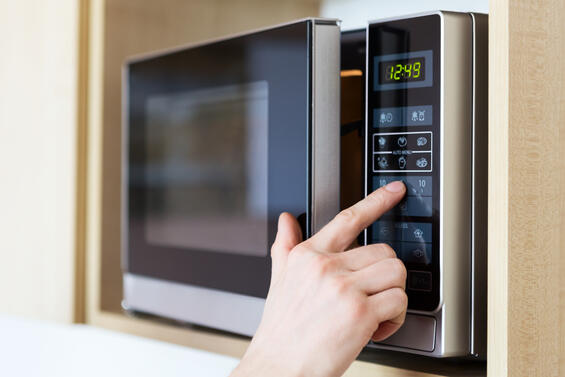
Healthy and delicious recipes can be modified to cook in a microwave if that is the only equipment available to you. Simple meals such as pancakes and scrambled eggs can be made in a microwave. Grease a microwave safe plate, pour a scoop of pancake batter into it, and microwave for one minute. Test for doneness and continue for 10 second intervals until the batter is completely cooked. Similarly, add whisked eggs into a microwave safe bowl and cook for a minute. Continue for 15 second intervals until fully cooked.
Keep the following tips in mind when cooking in a microwave:
- Arrange foods in a dish evenly and cover with a lid or wrap but make sure to loosen the lid so steam can escape.
- Do NOT cook large cuts of meat at high power. Cook at medium power and for a longer period making sure you check frequently for doneness.
- Stir or rotate food to eliminate cold spots where bacteria can survive.
- Use only cookware that is manufactured for microwave use.
- Never use plastic storage bags, brown paper or plastic bags, newspapers, or aluminum foil in a microwave oven.
- Plastic containers such as those from take-out, whipped topping bowls, and yogurt, should not be used in microwave ovens.
- Cook beef, pork, lamb, chops, and roasts to a minimum temperature of 145°F. Set to rest for at least three minutes before carving or consuming.
- Cook all poultry to a minimum temperature of 165°F. Likewise, allow it to rest for at least three minutes before carving or consuming.