
Description
Lake Ripple is a 70-acre impoundment of the Quinsigamond River located off of Route 122/140 in Grafton, northwest of the town center. Lake Ripple averages 4 feet in depth with a maximum of 14 feet and water clarity is poor. The lake bottom primarily consists of muck with some areas of gravel associated with the river channel. Aquatic vegetation is thick, particularly during summer when it can cover the majority of the pond surface.
Recreational access
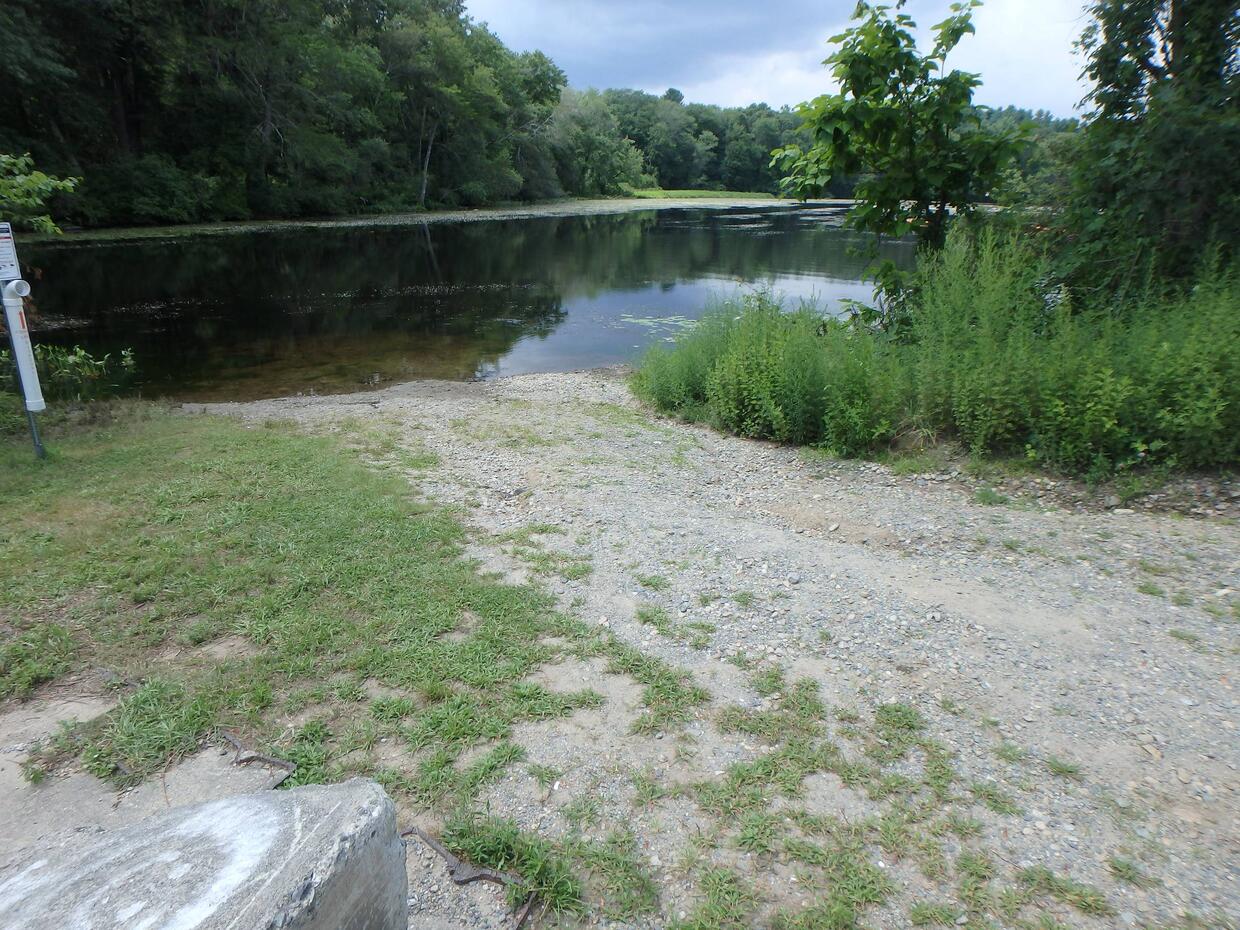
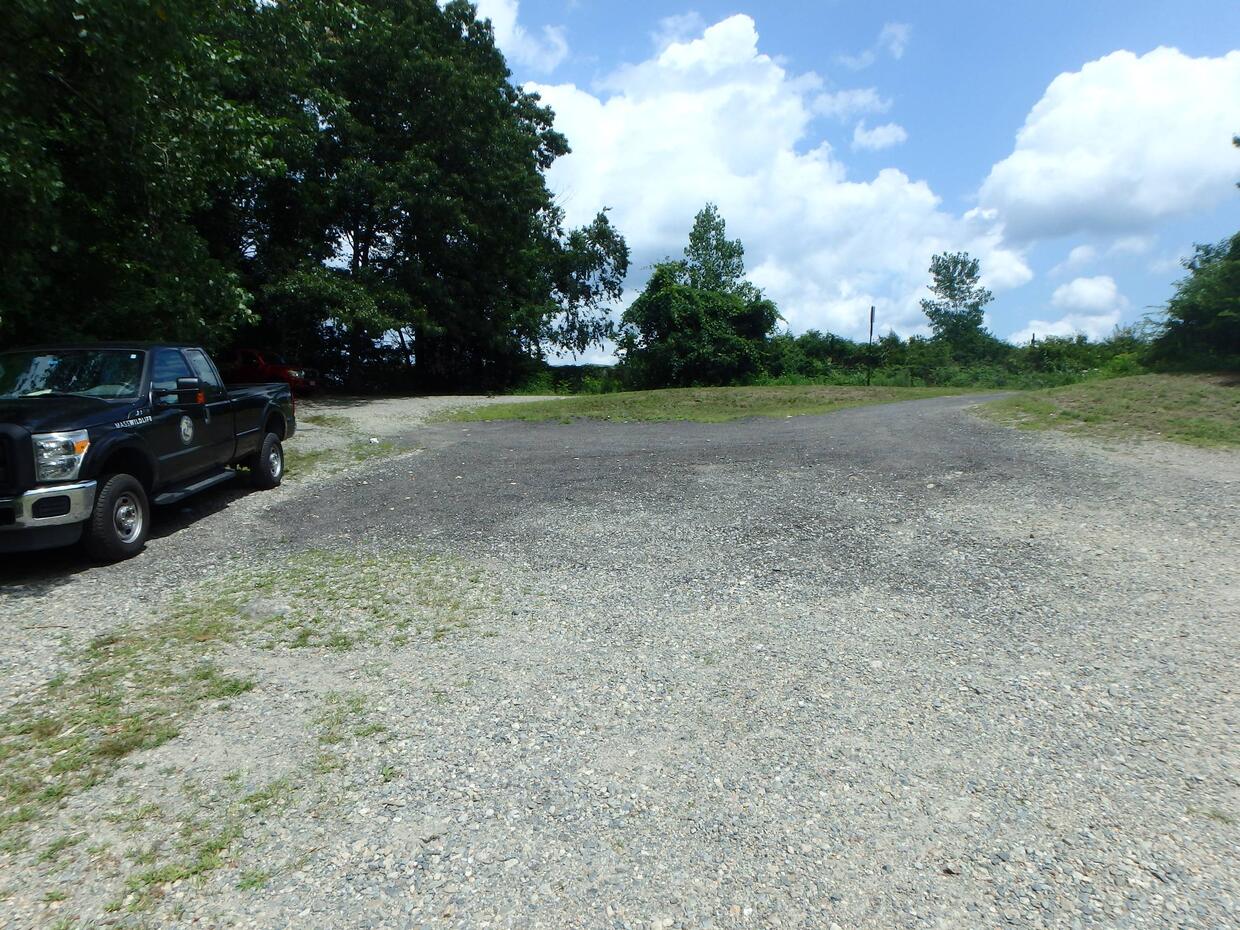
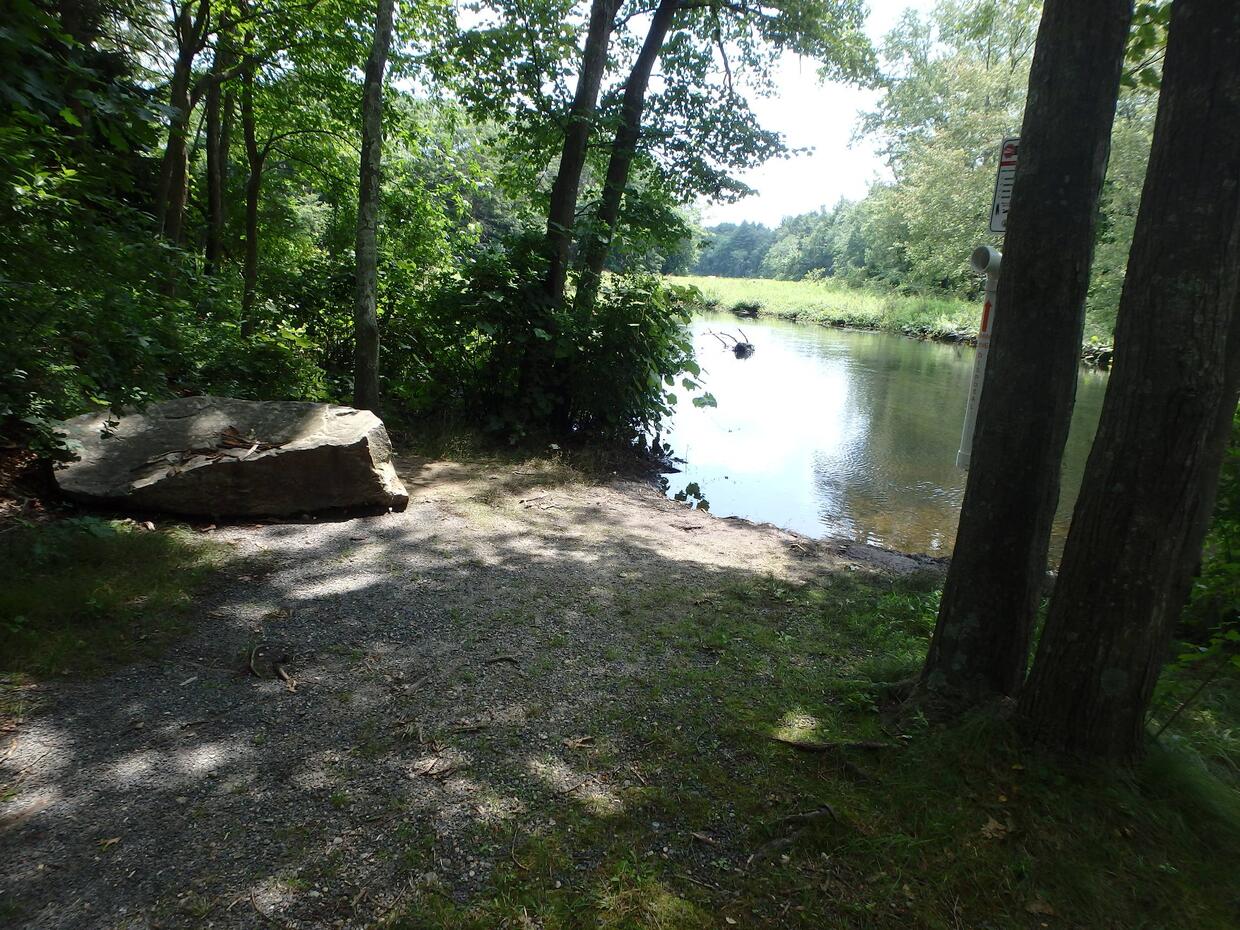
The town of Grafton owns and manages a gravel ramp and small gravel parking area suitable for three trailers at the end of a short dirt access road off of Brigham Hill Road (get directions). Cartop access is also permitted at Ekblaw Landing with parking for 6 cars off of Rt 122/140 on the northern tip of the pond (get directions). Shoreline access is permitted in areas around the gravel ramp, behind the Grafton Middle School and from walking trails on Grafton Land Trust conservation properties; Gummere Wood and Marsters Preserve on the western shore. Trails on these properties are accessed from a 10 car gravel parking area at the intersection of Wheeler Rd. and Rt. 122/140 (get directions). Please contact the offices of the town of Grafton for additional information and/or restrictions pertaining to public access of Lake Ripple.
Fish populations
The following fish species were found during MassWildlife surveys:
- largemouth bass
- chain pickerel
- common carp
- yellow perch
- black crappie
- bluegill
- pumpkinseed
- brown bullhead
- yellow bullhead
- white sucker
- golden shiner
Fishing
Dense beds of aquatic vegetation, particularly late in summer can make Lake Ripple difficult to fish. However, the determined angler may be rewarded with trophy largemouth bass, chain pickerel, and carp if they remain patient. Bluegill and brown bullhead are also abundant with the average bullhead weighing around 1 pound; yellow perch and black crappie are more rare. Lake Ripple has produced largemouth bass, chain pickerel, carp, black crappie, and sunfish that meet minimum sizes for recognition by the Freshwater Sportfishing Awards Program.
More fishing resources:
Stop aquatic hitchhikers
Prevent the transport of nuisance species; clean all recreational equipment. Visit ProtectYourWaters.net to learn more.