
Nourish Your Body
Everybody needs a variety of foods everyday. This means fruits, vegetables, grains, proteins, and even some fat. Each of these foods do different things in your body and when combined help you stay alert, active, and healthy. For kids, eating a variety will help them grow well and build their immune systems.
Though every person needs a variety of foods, the amount of each type of food depends on the person. Body size, amount of physical activity, different disease states, and more can all affect the amount of food you may need. If you are at all concerned, speak with a medical professional, such as a doctor or registered dietitian, for individual advice.
When considering overall health, focus on adding nutrition rather than taking things away. You may find that when your focus shifts to eating a variety of fruits and vegetables or including more whole grains in your meals, you think less about sweets and salty foods. Eat intentionally and mindfully to focus on foods that help you feel good and nourish your body.
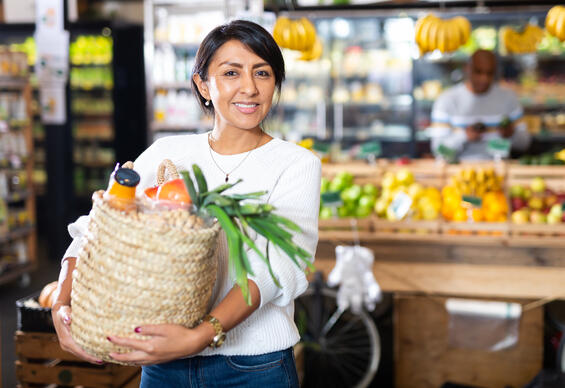
Meal Planning
- Plan: your meals for the week before you go shopping will save you money. Plan to make one of your good ‘old standby meals each week since you know the whole family will enjoy and eat the whole meal.
- Scan: do a quick scan of your pantry, refrigerator, and freezer to see what you already have stocked. Use these items before buying new food products. The most expensive food item is a wasted food item. Use what you have before it is too old. We always forget those frozen chicken thighs way in the back corner of the freezer. This also increases your motivation to cook rather than succumbing to expensive take-out meals.
- Cook Once, Eat Twice: another way to save money while cooking is to “cook once, eat twice.” Make enough food to have purposeful leftovers for lunch the next day or to add to your next meal. For example, make a roasted chicken for dinner one night and use the leftovers for chicken burritos the next night. You could even top off your salad at lunch with some additional protein for a well-balanced plate. Recipe inspirations can be found here, (link to recipes page).
Using Leftovers
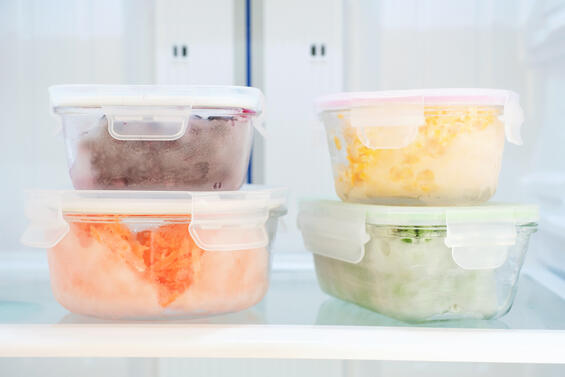
By using your leftovers, you will be reducing food waste and extending those shopping dollars wisely. Try some of these suggestions:
- Prepare twice the amount of a recipe to use again later. This could mean having leftover dinner a few days later or freezing the meal for when you’re in a pinch.
- Set a goal of eating dinner at home six days out of the week and only cooking on three nights. Double your cooking to save time later, and use day seven as a special day out.
- Consider today’s leftovers as tomorrow’s ingredients. After making a large batch of sautéed onions and peppers, (1) use the mixture in an omelet or (2) add it to a spaghetti sauce or (3) build it into rice and meat for burritos.
- Use clear storage containers to see what is kept inside. They are reusable and sustainable. Keep them in the front for easy accessibility and for a constant reminder. Also, zip-top bags are great for freezing. The bags can even be washed and reused.
- Have a purposeful Leftovers Night. If you happen to make three different meals Monday through Wednesday, combine all your leftovers to create a special meal. For example, turn leftover chicken, beans, and tomato sauce into a Chicken Chili.
- Repurpose your leftovers as part of your meal planning. Check out this example:
| Sunday | Roasted Chicken | Roast a chicken or serve a rotisserie chicken with frozen vegetables & brown rice |
|---|---|---|
| Monday | Leftover Chicken Tacos | Use leftover chicken to make tacos Add: -Leftover vegetables from yesterday -Fresh or canned diced tomatoes -Sliced cucumber/radish/zucchini with canned salsa. * Before you go to bed put 1 lb. of dried beans in a pot filled with water add 1 teaspoon salt and ½ teaspoon baking soda * Make a stock with the chicken carcass and refrigerate for tomorrow. |
| Tuesday | Chicken and Bean Soup | Take the beans and divide them into three separate portions. #1) Place 1/3 of the beans in a bag and freeze #2) Use one-third of the beans for tonight’s dinner. #3) Save the other third of the beans for tomorrow. Make soup with yesterday’s stock. Sauté onion or any combination of celery, carrots, peppers, garlic, and more. After they become translucent, add the beans, and cook until tender. At the last minute add some greens (kale, swiss chard, and/or spinach), and serve with half a lemon for dinner. |
| Wednesday | Bean Dip, Veggies, and Soup | Take the reserved beans, cook until tender, and puree. Add some tahini and lemon juice to puree. Optional – add in garlic. Serve the hummus with cut-up fresh vegetables & the leftover soup from yesterday. |
| Thursday | Chili Night | Chili: 1 lb. ground beef, chicken, or turkey. -1 onion -1 pepper -1 large can tomatoes -Add chili powder, cumin, and cayenne to taste. Serve in bowls and top with sliced lime wedges, & grated cheese. |
| Friday | Nachos | Nacho Night Bake tortilla chips and top with: -leftover chili -reduced fat cheese Roast in a 350° oven until cooked through. Top with fresh or canned tomatoes |
| Saturday | Leftovers | Leftovers Who wants soup? Who wants chili? Who wants tacos? Hummus & diced veggies? Add some fresh fruit for dessert & you’re set. |
You should find that you will save money by following these easy adjustments to your planning and cooking schedules.