- Executive Office of Energy and Environmental Affairs
- Department of Fish and Game
- Department of Conservation & Recreation
- Division of Fisheries and Wildlife
Media Contact
Julia E. Hopkins, Communications Director
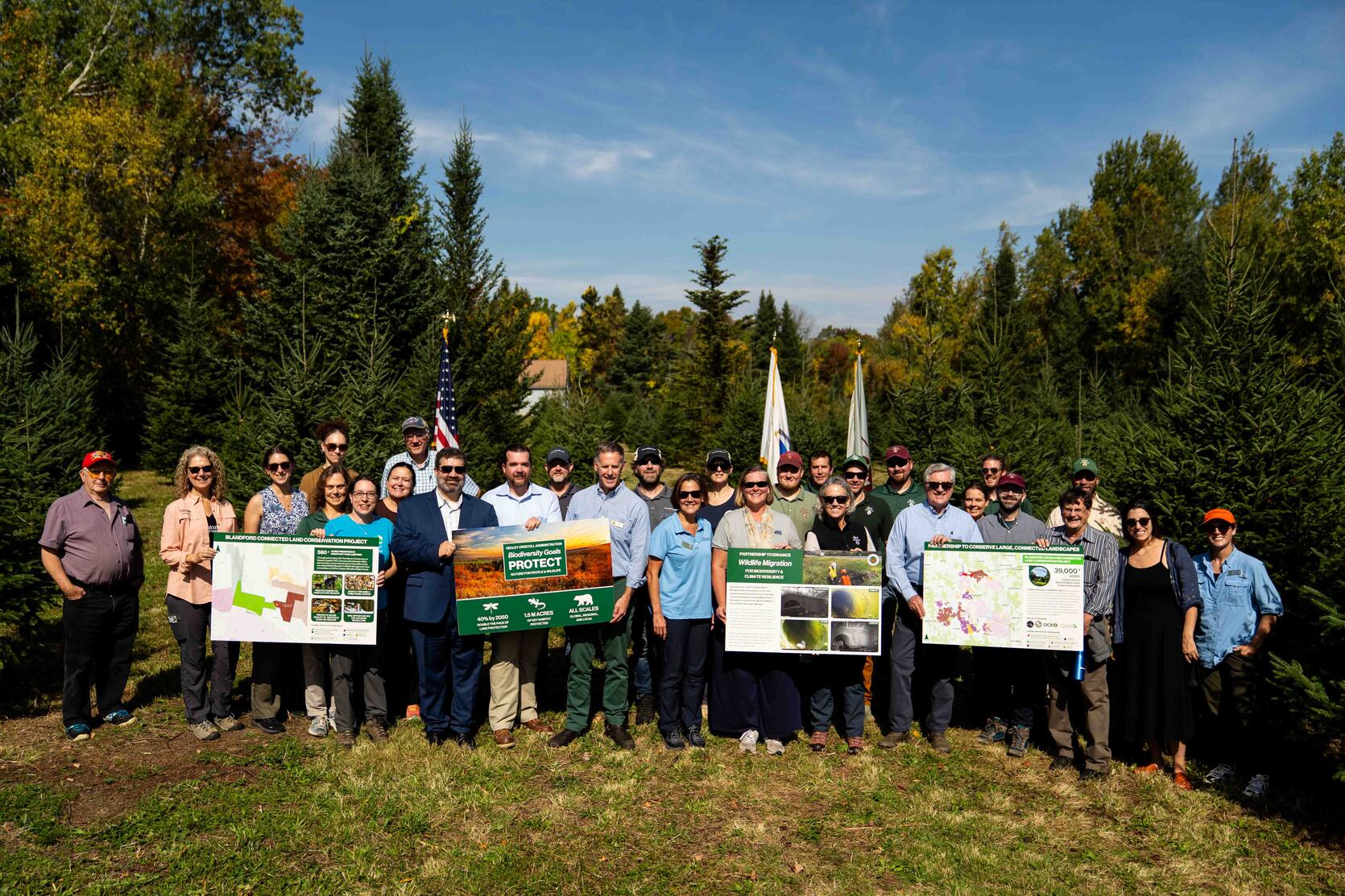
BLANDFORD — Today, the Department of Fish and Game (DFG) Division of Fisheries & Wildlife (MassWildlife), Department of Conservation and Recreation (DCR), and The Nature Conservancy (TNC) in Massachusetts joined local leaders, partners, and the public to celebrate the conservation of over 580 acres in Blandford for wildlife and outdoor recreation.
This project conserves a key piece of land across the Mass Pike (I-90), connecting over 39,000 acres of adjacent protected land to enhance wildlife migration and boost climate resilience in the region. Lands are open to the public as the new 360-acre MassWildlife Blandford Wildlife Management Area (WMA) and a 218-acre addition to DCR’s Chester-Blandford State Forest.
“Massachusetts is home to incredible forests, waterways and wildlife, and we’re committed to protecting them for generations to come,” said Governor Maura Healey. “By conserving more than 580 acres in Blandford, we’re protecting clean water and critical wildlife habitat, strengthening our resilience to climate change and opening up more land for people to get outside and enjoy.”
“Western Massachusetts has some of the most beautiful outdoor spaces in our state, and protecting them is good for our communities, our environment and our economy,” said Lieutenant Governor Kim Driscoll. “This project connects thousands of acres of protected land while creating more opportunities for residents and visitors to hike, explore and enjoy everything this region has to offer.”
“Protecting nature is essential for our wildlife and way of life. We are proud to support projects like this that invest in nature as a solution to climate change,” said Executive Office of Energy & Environmental Affairs Secretary Rebecca Tepper. “Conserving large forest areas will help reduce flooding, provide clean water, store carbon, and improve public safety.”
The Massachusetts Biodiversity Goals call for the state to double the pace of conservation to protect 30% of our lands and waters by 2030 and 40% by 2050, with focus on the most important habitats for wildlife and climate resilience. Additionally, the plan sets targets to identify and protect key wildlife migration corridors. Through the Mass Ready Act, the Healey-Driscoll Administration has proposed historic investments to accelerate progress towards these goals, including $304.5 million to support state land protection programs and $20 million dedicated to advancing the Biodiversity Conservation Goals.
“This project is a shining example of partnership to conserve large, connected landscapes for people and wildlife. Conserving connected lands gives wildlife the best chance of keeping pace with climate shifts, all while enhancing opportunities for people connect with nature through outdoor recreation,” said DFG Commissioner O’Shea. “Projects like this don’t happen overnight—they take tremendous partnership and collaboration. Thank you to our partners at DCR and TNC who made this possible.”
"This project is a testament to what we can accomplish when state, local and nonprofit partners work together towards a common goal," said DCR Commissioner Nicole LaChapelle. "This 580-acres will create new recreational opportunities while preserving cultural resources and protecting incredible landscapes that will help increase climate resilience. I want to thank the DCR staff and our partners at DFG and the Nature Conservancy for their years of work on this project and commitment to protecting our natural spaces."
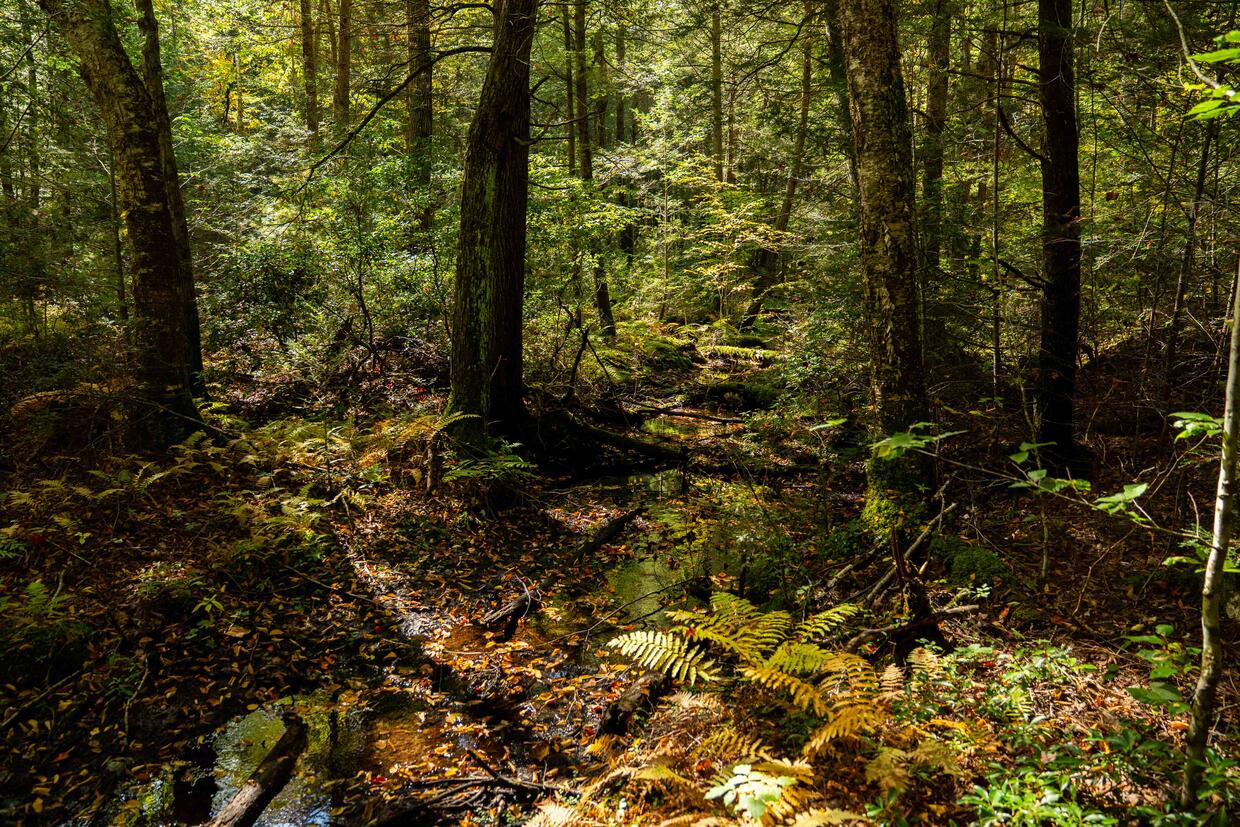
A former Christmas tree farm, the property was initially purchased by TNC with the intent to permanently conserve the land with the state. It features a variety of important habitats for fish and wildlife, including mature forest, young forest, agricultural grasslands, wetlands, and four brooks (Sanderson, Cushman, Finley, and Peebles Brooks) in the Westfield River watershed. Conservation will protect water quality, nearby drinking water supplies, and important coldwater fish habitat that species like Eastern brook trout rely on. Additionally, conservation could enhance habitat for New England cottontail, Massachusetts’ only native rabbit that is vulnerable to habitat loss.
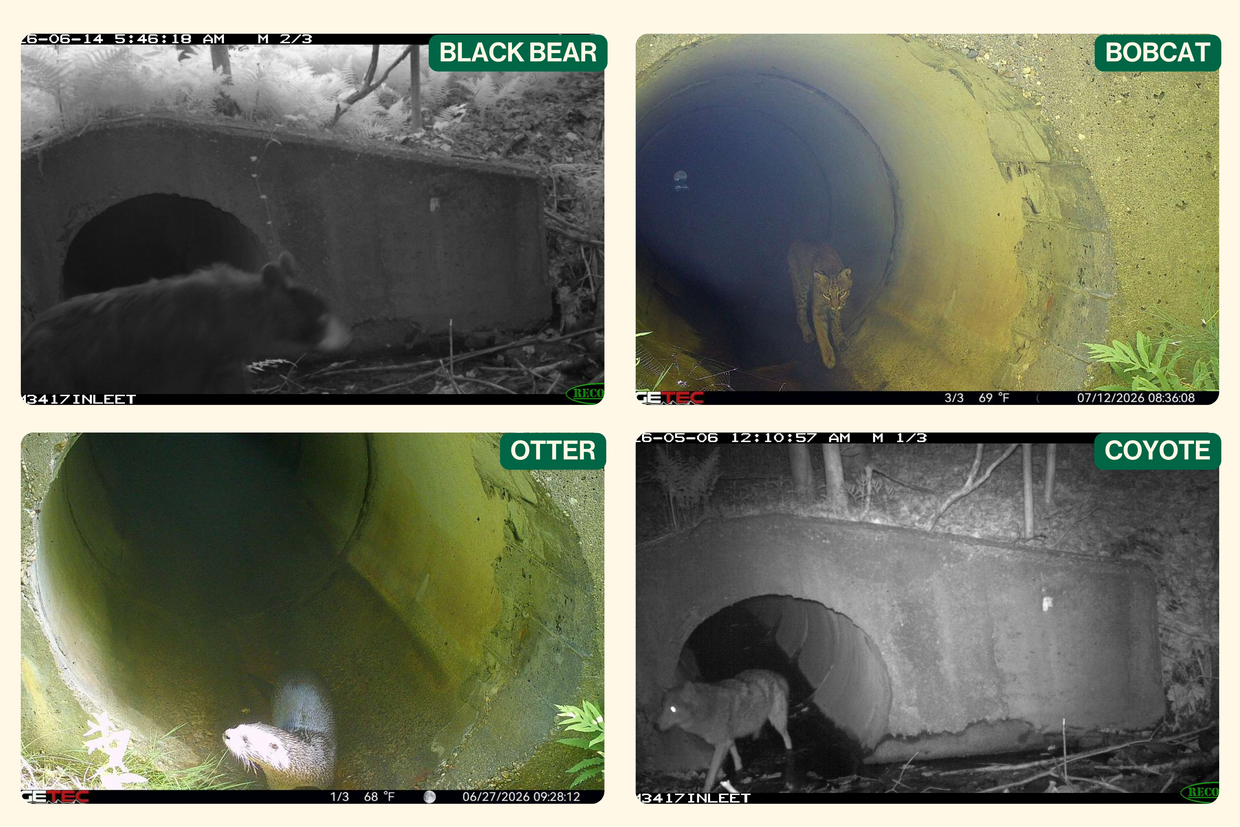
This project also conserves a key wildlife migration corridor, stitching together protected lands to create a contiguous landscape of over 39,000 acres of permanently protected land and one of the only links of protected land across I-90. MassWildlife, DCR, and MassDOT have had a long partnership to identify and facilitate transportation improvements for wildlife. Through this collaboration, the MassDOT Highway Division is developing a wildlife transportation action plan and monitoring wildlife use of culverts and bridges at various locations statewide. At this specific property, MassDOT and TNC are actively monitoring the culvert that connects lands on either side of I-90, and black bear, bobcats, coyotes, river otters, and other wildlife have already been documented passing through.
“Conservation is truly a team effort—this project is no exception. For years, this property has been a priority for our team because of its tremendous ecological value and rare opportunity for conserving connected lands for wildlife,” said MassWildlife Director Eve Schlüter. “We look forward to continued work with MassDOT and TNC to improve wildlife passage across the region and hope this project serves as an inspiration for what we can achieve when we come together.”
“The Appalachians are one of the most important landscapes in the world for biodiversity, and conserving this property helps keep that landscape connected across one of New England’s busiest transportation corridors,” said The Nature Conservancy in Massachusetts State Director Kris Sarri. “As our climate changes, connected landscapes are essential for wildlife to move, adapt, and thrive. By protecting these forests, streams, and wildlife habitats and strengthening a critical link in more than 39,000 acres of conserved land, we create a future where both people and nature flourish. This project shows what is possible when conservation partners work together to protect and reconnect the lands and waters that sustain us all."
“MassDOT congratulates MassWildlife, DCR and TNC on this land conservation achievement." said Tim Dexter, MassDOT Highway Division Deputy Director of Environmental Services. "We look forward to continued partnership with MassWildlife to reduce wildlife-vehicle collisions and improve wildlife connectivity within the Commonwealth."
Statements of Support:
“The Hilltowns have always been defined by their natural beauty, open spaces, and strong connection to the outdoors, and we should work to preserve those qualities for future generations,” said State Representative Nicholas Boldyga (R-Southwick). "This project represents an important step toward protecting the forests, waterways, and wildlife habitat that are such an important part of Blandford and the surrounding region. I’m pleased to see this land permanently conserved while also expanding public access and recreational opportunities.”
###