

While some of us may still be wallowing in the ending to the Super Bowl (thank you, Pats, for an unexpectedly thrilling season!), we’re also experiencing the pride and thrill of watching athletes from around the world compete in the Winter Olympics in Milan. Much like farmers, athletes work to craft their skills day after day throughout the year in the hopes that they will harvest success. Whether success looks like a gold medal or a golden beet, the resiliency and passion that drive them to succeed is something I greatly admire and respect. While the results may not always be what they aspired to, their determination and grit carries them to the next competition and growing season. Congratulations to all the Team USA athletes on a historic Olympics!
We’re excited to celebrate the many woman farmers who are part of the Massachusetts agricultural sector as we recognize 2026 as the International Year of the Woman Farmer. MDAR will be spotlighting the contributions of woman farmers through social media posts and our website throughout the year, recognizing that 43% of Massachusetts’ principal farm owners and operators are women. This is one of the highest percentages in the country! We have developed a nomination form for farmers to self-nominate or to nominate a well-deserving female farmer. Please nominate a deserving individual today: Sign up to be featured during the 2026 International Year of the Woman Farmer!
The MA Food Policy Council hosted its annual meeting at the State House with great attendance by legislators and agricultural stakeholders. The meeting included presenters from across the food system that discussed the impacts of middle-of-the-supply chain funding through the Food Security Infrastructure Grant (FSIG), Resilient Food System Infrastructure (RFSI) Grant, and Urban Ag/Food Ventures/Food Trust programs. We also shared updates about the Governor’s Anti-Hunger Task Force and heard from the Department of Elementary and Secondary Education (DESE). Thank you to the legislators and staff that joined us for the meeting and their support of local food system initiatives.
Several members of our MDAR team traveled to the Cape to tour Chatham Village Harvesters (CVH) and visit the Chatham Fish Pier. We were joined by our friends at MA Division of Marine Fisheries (DMF), Buy Fresh Buy Local Cape Cod, Cape Cod Cooperative Extension, and Sustainable Cape and learned about the cooperative model of CVH to support fishermen across the region. With investments through the FSIG program, CVH was able to expand their processing, storage, and distribution capacity. They offer a CSA model to consumers that features often underutilized fish species and include recipes to help prepare the fish. At the Chatham Fish Pier, we discussed their efforts to support fishermen, how they’re accessing international markets, and the research component of their work with DMF. As we continue to expand our efforts to promote seafood producers, this was a great learning experience.
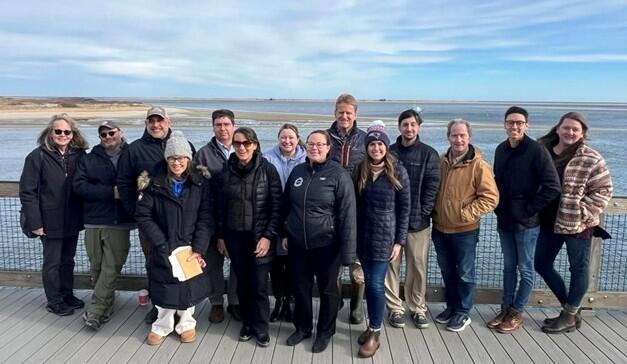
With MDAR and DMF staff at Chatham Pier
Our MDAR team has been traveling across the state to highlight winter farmers markets this season, including stops in Orleans, Leominster, and Great Barrington. It’s been a great opportunity to connect with farm vendors and learn more about their production models, as well as experience the unique community feel that each market offers. At a time when access to nutritious, high-quality food has been made more difficult by cuts to federal SNAP, winter markets help to not only provide access to food but community building and connections. We plan to visit the Hopkinton market in the next few weeks, as well as connect with attendees at the upcoming MA Farmers Market Conference.
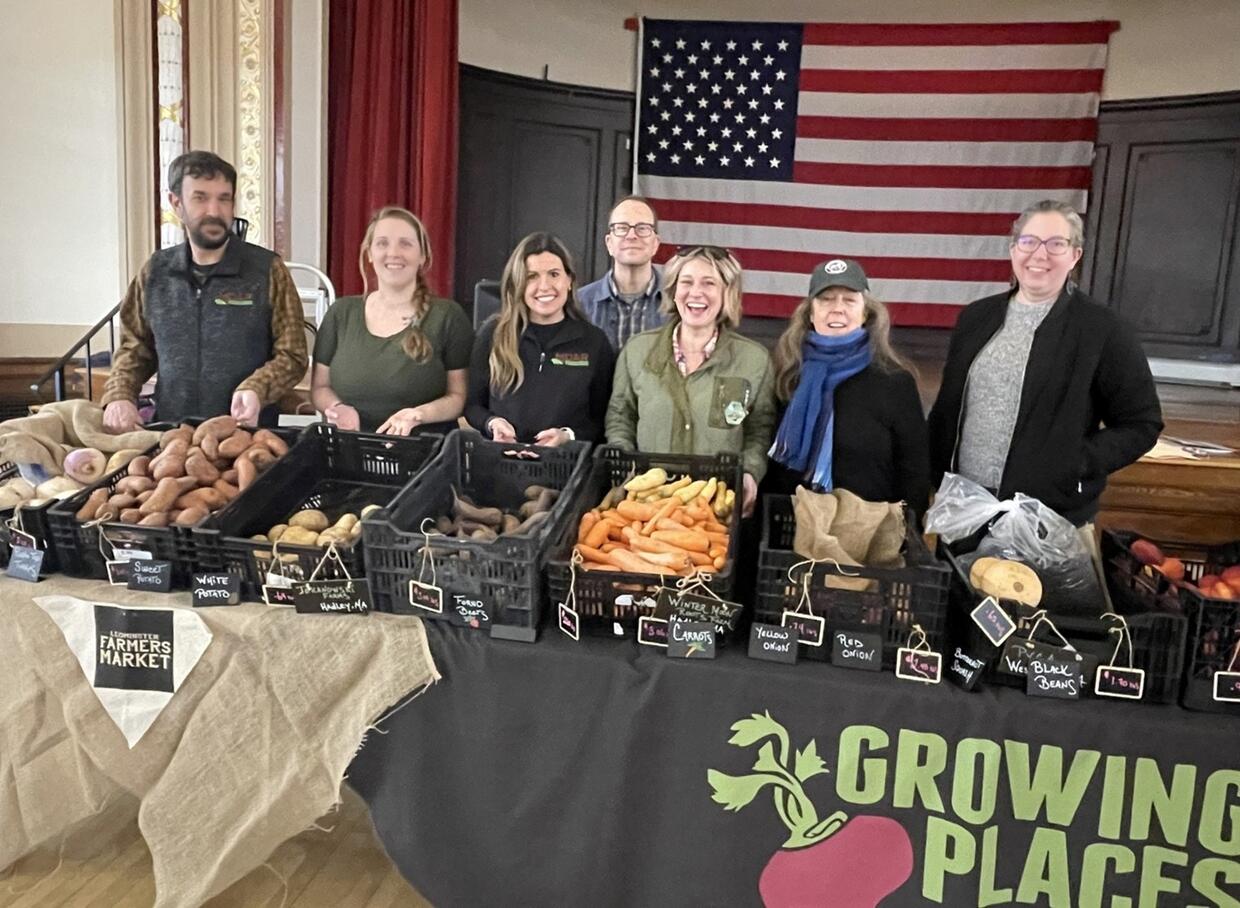
At the Leominster Winter Farmers Market
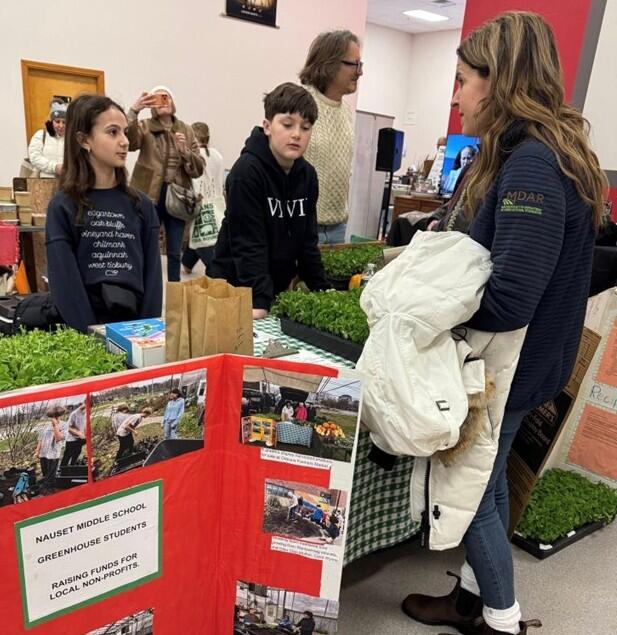
Speaking with Middle School Students at the Orleans Winter Farmers Market
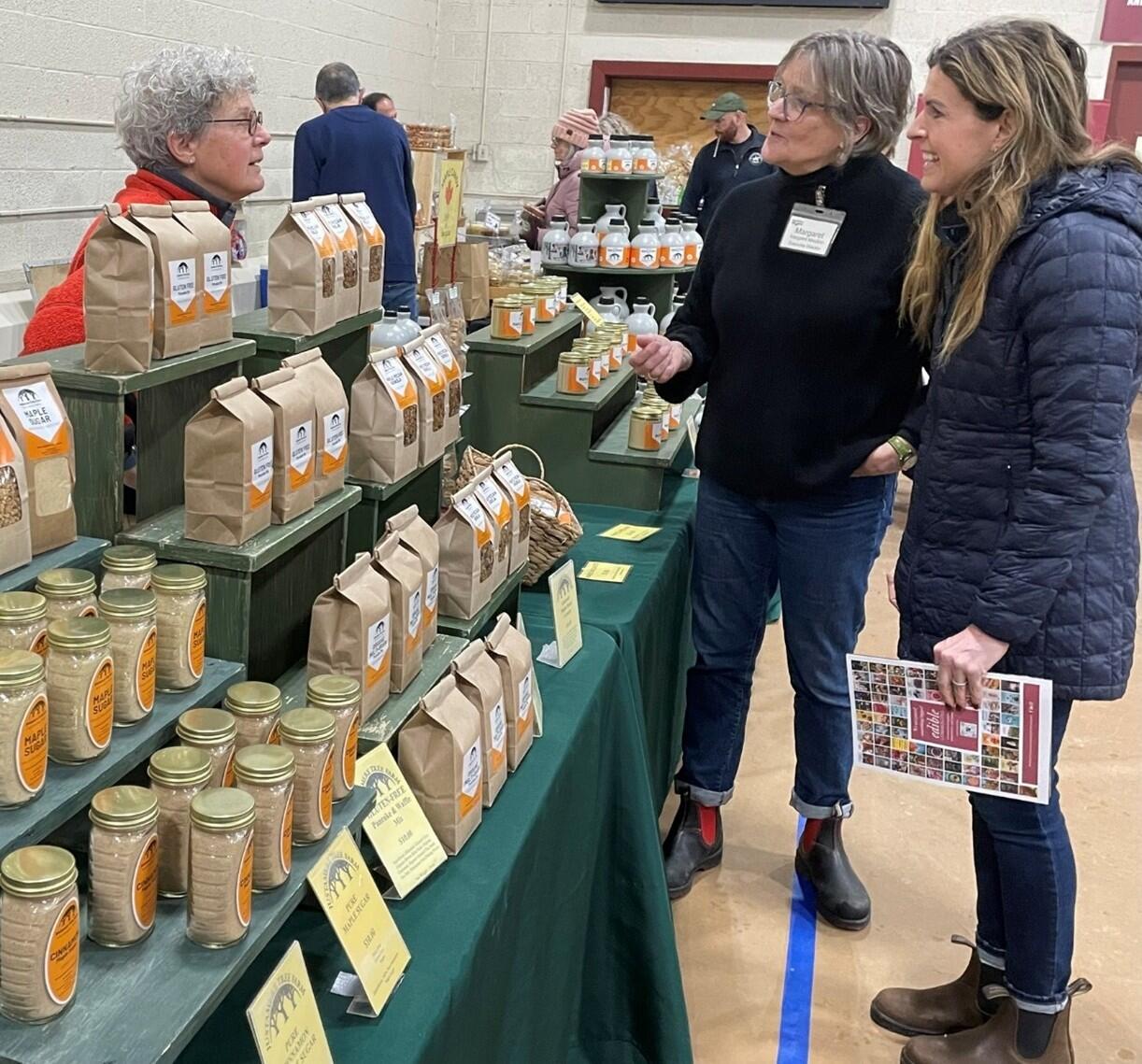
Chatting with local vendors at the Berkshire Grown Winter Farmers Market in Great Barrington
Sustainable Business Network hosted their annual Local Food Trade Show at Russell’s Greenhouses in Wayland with great attendance from vendors across New England. The format of the event allows for buyers to connect with farms, value-added producers, bakers, and businesses to explore market access opportunities. The event continues to grow and included many Massachusetts-based farms, ranging from produce to meat, dairy, and value-added businesses. MDAR team members connected with vendors and buyers regarding the Local Food Count initiative and shared information on department programs.
MA Dairy Promotion Board Coordinator Katie Rozenas-Hanson and I attended the MA Cheese Guild Annual Meeting at Stone Cow Brewery in Barre. We connected with cheesemakers from across the state and enjoyed learning about their promotional activities planned for the coming year. We provided updates from MDAR and brainstormed additional opportunities for the Cheese Guild members to attend and participate in to help promote the sector. There are efforts underway to revive the cheese festival at a new location. Stay tuned for more details!
Deputy Commissioner Pitcoff and I attended the annual National Association of State Departments of Agriculture (NASDA) Winter Policy Conference in DC the first week of February. It was the first time in recent memory that the city had snow for WPC, and nowhere to put it all. Our meeting discussions focused on the need for a new Farm Bill, prioritization of specialty crop producers and enhancing the risk management tools available to them, year-round labor programming, agricultural research funding, regional food system resiliency, and other timely topics. At the end of the meeting, I had the opportunity to participate in Hill visits as a member of the NASDA Board and met with members of the House and Senate Ag Majority and Minority Committees, MAHA Caucus, and House Ag Appropriations. It was a good opportunity to highlight the needs of our Northeast farmers and producers, as well as speak to the critical role that LFPA and LFS played in on-farm viability and strengthening markets. The recently released House Farm Bill 2.0 includes language to fund permanent, flexible state-led procurement programs. While no funding has been appropriated, this is a good first step in re-establishing the program.
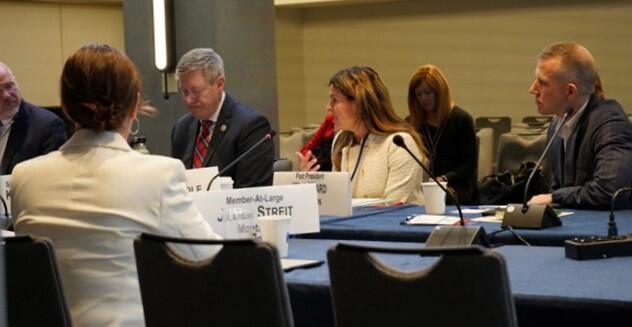
At the NASDA Winter Policy Meetings in Washington, DC
Super Bowl Sunday kicked off at the Southern New England Conference and Trade Show held at Bristol County Agricultural High School in Dighton. Several members of our MDAR team attended to help table, connect with attendees, and attend workshops throughout the day. I enjoyed meeting with the vendors who support our farming sector, as well as connecting with new and old friends at the event. It was especially great to see former State Representative Paul Schmid and catch up on all that is keeping him busy in “retirement.” The conference has become a premier event in the region for networking, learning, and sharing of best practices.
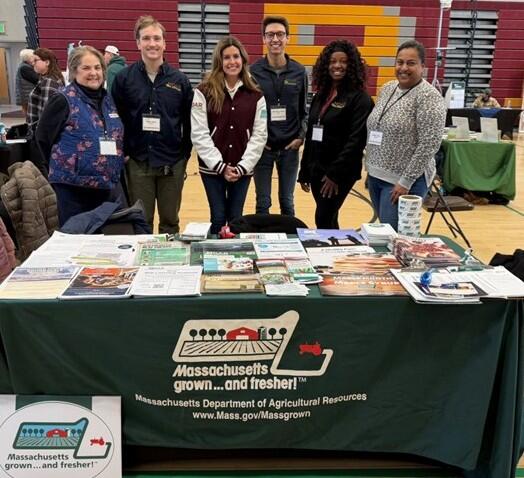
With MDAR Staff at Bristol Agricultural High School during SEMAP’s Annual Southern New England Conference and Trade Show
Cape Cod Cranberry Growers Association (CCCGA) winter meeting was held in Middleborough with over 80 growers in attendance, along with legislators, state agency representatives, and industry partners. It’s always an informative meeting and this year featured presentations on human trafficking, labor, cranberry bog restoration, trespass law and earth removal, an update from the Cranberry Institute, and association updates. I was honored to receive the Government Service Award from the CCCGA Board and value the partnership with the growers that we have continued to strengthen through the year. Congratulations to Senator Dylan Fernandes, Rep. Norman Orrall, and Rep. Mark Sylvia on receiving the Legislative Leadership Awards and grower Dom Fernandes of Fresh Meadows Farm, who received the Henry Hall Leadership Award.
The Massachusetts Food System Collaborative organized the first Local Food Policy Council Summit in Grafton, convening over forty individuals from councils across the state. It was great to learn about the impacts of the Local Food Policy Council Grants that our department administered over the past two legislative sessions. The grants helped establish new food policy councils, support staffing/administrative needs, and meet the needs of existing councils to broaden the impact of their work. Attendees at the summit shared impacts of the grants, as well as partnerships and practices for local food systems change, and identified ways to continue this important work at the community and state level.
Deputy Commissioner Pitcoff, Chief of Staff Jack Sisson-Manning, and I traveled to the New Bedford Public Schools’ Culinary and Nutrition Center with our colleagues from the Executive Office of Education. The center opened last August and was funded through state and federal grant programs, including FSIG. Providing meals for over 13,000 students across the district, as well as hosting trainings and educational seminars, the 17,000 sq. ft. facility seeks to incorporate local ingredients and prepare culturally-relevant meals for students. They modeled their facility after the Springfield Culinary Center that is operated by Sodexo and also has a strong local procurement commitment. The enthusiasm from the school culinary team and administrators was evident throughout the tour and truly showcased the possibilities with respect to farm to school initiatives.
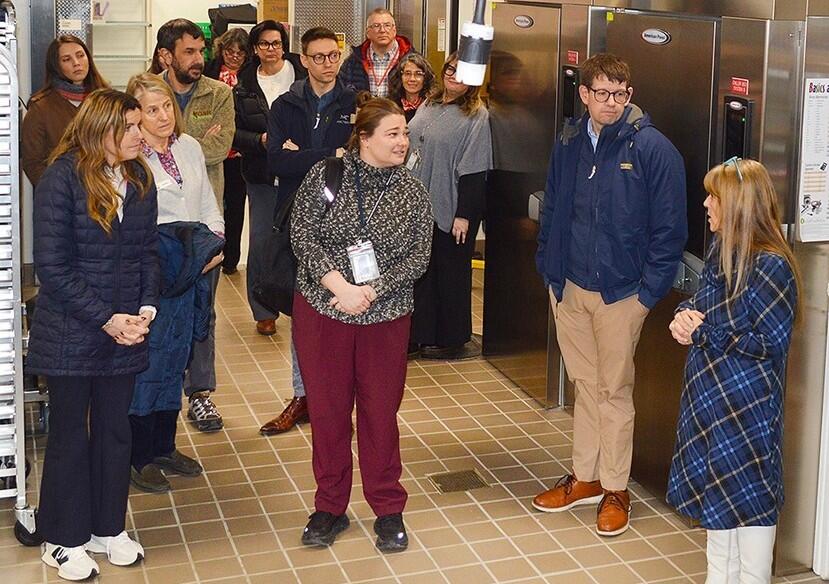
With New Bedford Public School Officials to see the FSIG program in action
The Carl E. Dahl House hosted Deputy Commissioner Pitcoff and I for a tour of their farm in Gardner. The site is doing transformative work for individuals in recovery and provides them with the opportunity to work with over 70 animals for rehabilitation purposes. This type of model is typically referred to as “care farming,” supervised and structured, providing farming-related activities for individuals with a defined need. The property is comprised of over 115 acres of farm, meadows, pastures, and forest land, located on a former horse racetrack. We were able to tour the farm and see the livestock, including goats, sheep, an alpaca, dairy cattle, Newfoundland horses (the largest herd in the country as the breed is facing extinction; they have 10 horses), miniature donkeys and ponies, chickens, and of course, a few barn cats. With the positive impacts that residents cite from their experiences at the farm, there are plans to expand services into the Western MA region.
We are also in the midst of budget season, with the Governor releasing her H2 budget on January 28. There were several provisions in the budget that relate to farms and the local food system, including a new tax credit for farms that donate food, sustained, year-round funding for the Healthy Incentives Program (HIP) at $28.9M, and an increase to the Massachusetts Emergency Food Assistance Program (MEFAP) to $55M. These investments also directly correlate with recommendations included in the Governor’s Anti-Hunger Task Report, which will be publicly released in the next few weeks. The budget hearing for the Executive Office of Energy and Environmental Affairs has been set for March 10 and we will have the opportunity to provide testimony on the impacts of these investments.
I look forward to gathering for Ag Day at the State House on March 11 and celebrating the agricultural community’s accomplishments over the past year while we look ahead to 2026. I hope to see you there!
Locally Grown and Proud,

Ashley