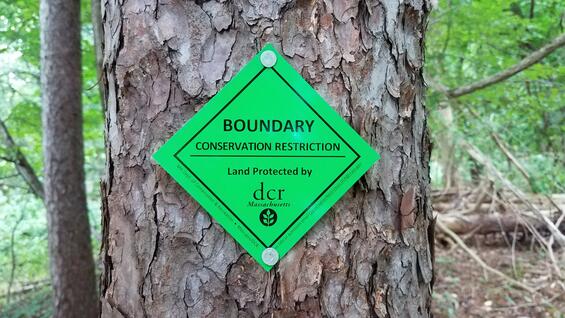
DCR Conservation Restriction Stewardship Program Overview
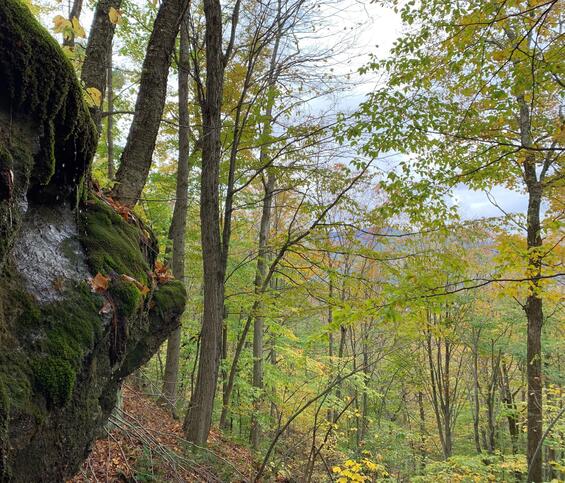
DCR-Held Restrictions
DCR acquires land and CRs across Massachusetts to permanently conserve important natural and cultural resources, to provide diverse recreational opportunities, and to expand and protect our State Parks. Together these lands help mitigate the increasing impacts of climate change -- connecting habitats for plants and wildlife, providing green space for people, and adding to the carbon storage capacity of our extensive system of forested lands.
CRs play a vital role in advancing these broader land protection and climate resilience goals by conserving high value natural and cultural resource areas, working forests, and scenic landscapes that benefit communities across the state.
CR properties can be found in nearly every county in Massachusetts, from the Berkshires to the Cape and Islands, and they vary from half-acre fields, to 4,000+ acre forests. Each CR held by the Division of State Parks is unique, but most prohibit development with the goal of keeping the Massachusetts landscape open, natural and connected, available to sustainable resource management, and accessible for the enjoyment of all.
The DCR Division of State Parks holds Conservation Restrictions, Watershed Preservation Restrictions, Agricultural Preservation Restrictions, and Historic Preservation Restrictions. The four different types of Restrictions, which are based on the primary purpose of protecting the land, are defined in Sections 31-33 of Chapter 184 of the Massachusetts General Laws and are protected under Article 97 of the Amendments to the Massachusetts Constitution.
Conservation Restrictions comprise the majority of Division of State Parks Restrictions, therefore, the four types of Restrictions are collectively referred to as Conservation Restrictions or CRs throughout this website.
What is a Conservation Restriction (CR)?
A Conservation Restriction (CR)--sometimes known as a Conservation Easement in other states--is a permanent legal agreement that protects the natural, cultural and scenic values of a property. These protections help conserve resources such as water quality, forests, wildlife habitat, and historic landscapes, benefiting both the landowner and the public.
A CR is a voluntary agreement executed between a landowner (grantor) and a qualified holding organization or government agency (grantee). It allows the landowner to continue to own and use their land but restricts actions that would harm the conservation values. Many CRs also provide public access to the land for compatible outdoor recreation.
A CR conveys a permanent interest in property, is recorded at the Registry of Deeds, and represents a legally binding agreement that ensures the land is protected through all subsequent changes in property ownership. The CR holder is authorized to monitor the property and ensure compliance with the terms of the CR, activities which are often referred to as stewardship.
DCR’s Conservation Restriction (CR) Monitoring
After DCR acquires a CR, Stewardship staff conduct regular site visits to the property to determine whether the property is in compliance with the terms of the CR. They walk the land and look for any natural or human-made changes. In addition to ensuring compliance with the terms of the CR, monitoring also helps staff build and maintain positive working relationships with landowners.
Restriction Locations and Stewardship Staff Regions
Resources for DCR Restriction Landowners
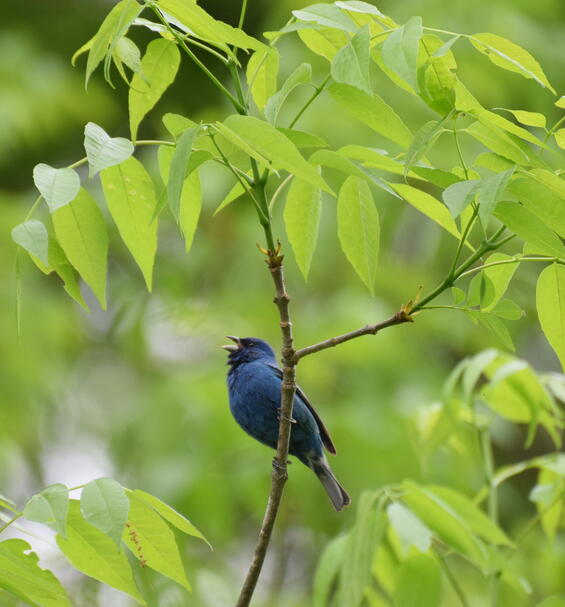
Thank you for being a steward of land where the Massachusetts Department of Conservation and Recreation (DCR), Division of State Parks holds a CR. We greatly appreciate partnering with you to permanently conserve your property in Massachusetts. Below are resources compiled to help you steward your land.
Landowner Handbook
DCR prepared the Division of State Parks’ Conservation Restriction Landowner Handbook to:
- Help answer questions you may have about your CR;
- Help you understand your rights and responsibilities as the owner of a conserved property;
- Outline what to expect from DCR stewardship staff and our responsibilities as the CR holder of your conserved property;
- Outline the assistance available from DCR to help you steward your property’s unique features in compliance with the terms of your CR.
Land Management Resources
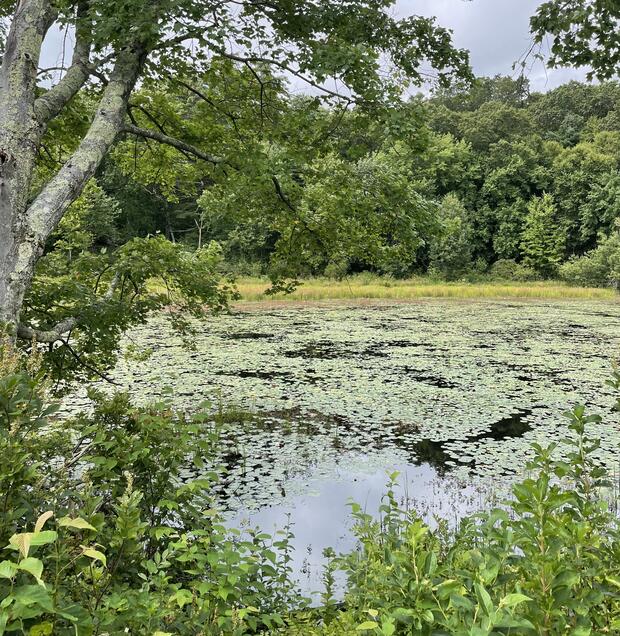
Before engaging in any management activity or land use change on your property, please consult your CR to ensure the activity is permitted. Contact the Stewardship Program with any questions.
Forestry
There are many good reasons to do forest management. Some people like to manage their forest to enhance wildlife habitat or to attract certain wildlife species, such as deer, moose, or birds. Other people want to create or improve recreational trails, or to manage their forests as a source of income. Often the goal is a combination of several different management objectives. Many CRs reference the Massachusetts Forestry Best Management Practices Manual which must be followed for certain forestry practices.
DCR’s Service Forestry Program helps landowners make educated decisions about their woodlands and protects valuable forest resources through fair and consistent application of environmental regulations. The program provides technical expertise and services that help to uphold the conservation purposes of the CR that is protecting your land.
DCR’s Forest Stewardship Program supports a property owner’s desire to practice long-term guardianship of their woodlands. Working on a ten-year Forest Stewardship Plan (FSP) with a Massachusetts Licensed Forester offers an excellent opportunity to learn more about your woodland and can help guide your management decisions. DCR Service Forestry has a cost-share program to help with the cost of completing FSPs. Properties with state-held CRs are eligible to apply to the cost-share program for New Forest Stewardship Plans, Forest Stewardship Plan Renewals, and for the additional FSP components: Foresters for the Birds and Climate Forestry.
Conservation Planning for Farmland
A Conservation Plan (also called a Farm Plan), is a tool to help a landowner better manage the natural resources on their farm. These plans are prepared by the U.S. Department of Agriculture Natural Resources Conservation Service (NRCS) in cooperation with your local Soil Conservation District. A NRCS technical expert will meet with you to evaluate the soil, water, air, plant and animal resources on your property and offer several alternatives to address the resource conditions. The alternatives you decide to use are described in your Conservation Plan.
DCR Best Management Practices
DCR has developed a series of Best Management Practices (BMPs) in response to frequently recurring issues identified through DCR’s Resource Management Planning process, technical assistance inquiries, and observations made in the field. These BMPs may be useful to landowners and include guidance for trail restoration and maintenance, invasive plant management, and complying with local and state regulations. Some CRs may require following BMPs for different activities (e.g., trail construction must follow the DCR Trails Guidelines and Best Practices Manual).
Newsletter
Conservation Connections is a biannual newsletter produced by the Division of State Parks for owners of land protected by DCR-held CRs. The newsletters contain Stewardship Program news, and information on funding opportunities, natural and cultural resources, and land management strategies. The newsletters also highlight different CR property owners across the state. If you are the owner of a CR property and would like to have a profile about you in the newsletter, please let us know.
Management Plan Guidelines
Landowners who plan to create management plans for their CR properties can use these Management Plan Guidelines that provide frameworks for developing general management plans, recreation management plans, habitat management plans, and invasive plant control plans.
Funding Opportunities
Many land management activities require monetary investments. Explore potential funding opportunities to help you meet your land management goals.
How to Request Approval
Some CRs require DCR approval for specific management activities or projects before they can occur on a CR property. These guidelines provide information on how to submit a Request for Approval.