

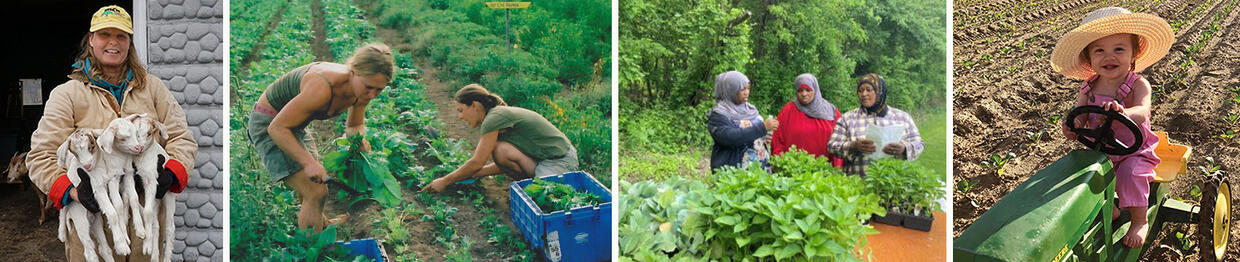
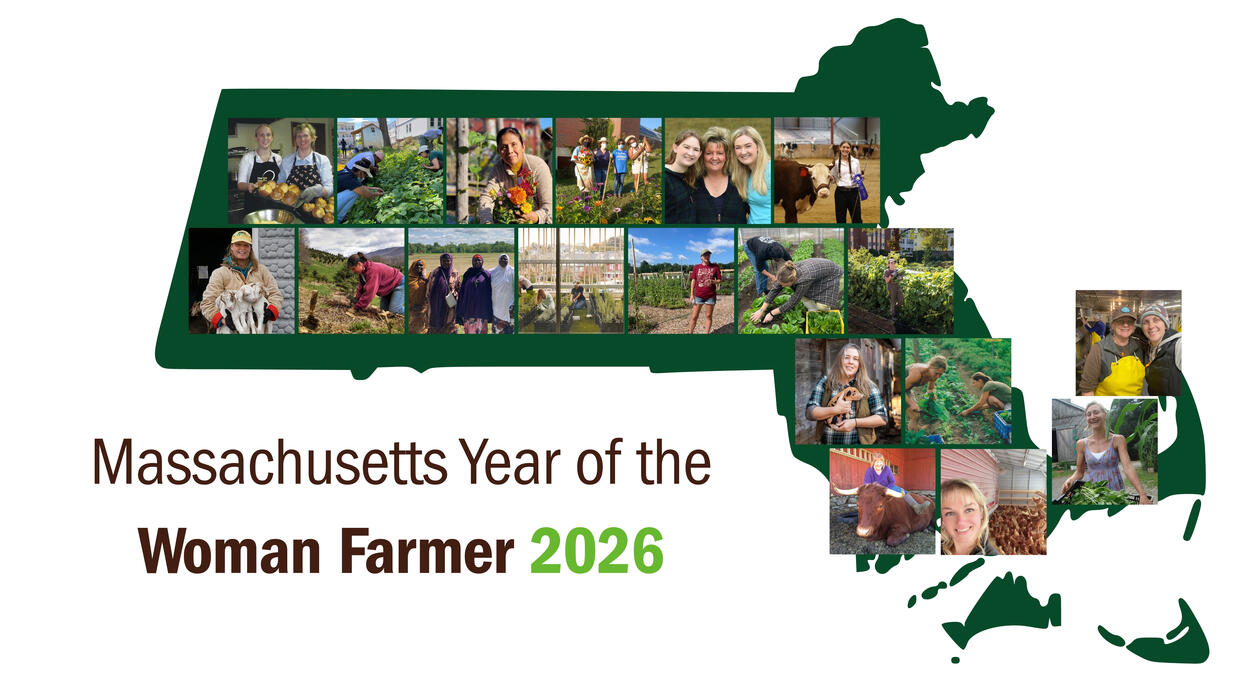
Massachusetts Woman Farmers
Laura Abrams
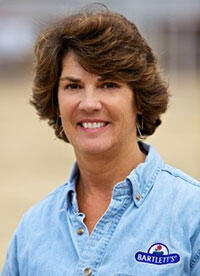
Laura literally grew up in her family's greenhouse business, J.P. Bartlett's Greenhouse, and was expected to help out whenever she and her siblings were able with tasks like stamping labels with plant variety names on each pot, picking out plants for delivery, loading trucks, and of course, watering everything. For her, working in agriculture means you never know what the challenges ahead will be and the best laid plans can change in a heartbeat. That said, it is a job she finds rewarding anything but routine. More about Laura here.
Donna Bartlett
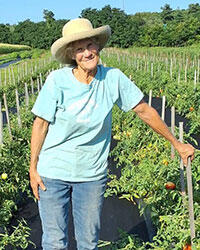
Donna is the current sole owner and operator of Bartlett Farm in Salisbury. Established in 1638, it's one of the oldest family farms in the country. With her brother, she ran the farm for 30 years before he passed away 6 years ago.
Bartlett Farm grows a variety of vegetables including sweet corn, tomatoes, peppers, cucumbers, string beans, squash, and pumpkins. They sell their produce direct to consumers at their popular farm stand as well as at local markets. More about Donna here.
Cindy Bertrand
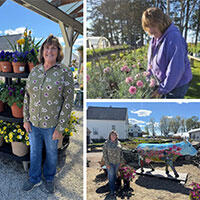
Cindy Bertrand who owns The Farmer's Daughter in Auburn was born on a dairy farm and is the third generation of her family to take up farming. Her love of animals started at a young age when her grandfather gave her a bottle baby lamb that she named Daisy and even took her to kindergarten! More about Cindy here.
Laurie Cuevas
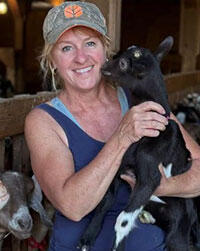
Laurie was born a second generation farmer on a dairy farm in Cheshire. Although her family farm became a casualty of the dairy crisis in the 1980s and her career path initially took her to Corporate America, she longed for a life of farming as she sat in her office dressed in business clothes. That calling brought her back into the world of agriculture and she hasn't looked back since. More about Laurie here.
Anne Diemand Bucci and Tessa White-Diemand
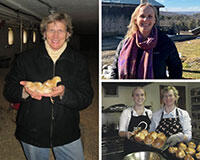
Anne Diemand Bucci and her daughter, Tessa White-Diemand are natives of Wendell in Western Massachusetts, where they run Diemand Farm, and are a shining example of multigenerational farming at its best and how farming strengthens the bonds of their family. More about of Anne and Tessa here.
Angie Facey
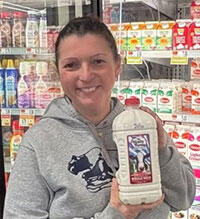
Raised by her parents, Meg and Bob Moschini, alongside her siblings on a dairy farm in Spencer, she developed a deep love and respect for their cows, the land, and the farming way of life. Growing up on a farm taught her teamwork, responsibility, humility, and instilled a strong work ethic that continues to guide her today. More importantly, her parents taught her the values of perseverance, integrity, and caring for both people and animals. More about Angie here.
Natalie Ferjulian
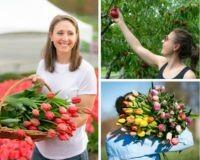
Natalie Ferjulian who co-owns and operates Ferjulian's Farm, is a multi-generational family farm that's dedicated to growing high quality flowers, fruits and vegetables. She has loved flowers since her father handed her a dahlia catalogue as a child and let her pick new tuber varieties to trial. More about Natalie here.
Dawn Gates-Allen
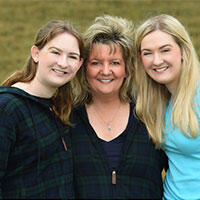
Dawn is a fourth-generation cranberry grower who currently is the owner of Freetown Farm, where she works alongside her husband, Fred (married for nearly 40 years), their two daughters Nicole and Mariah, two sons-in-law and two brothers. Dawn has been an active member of the cranberry-growing industry, serving on the Cranberry Marketing Committee as well as working at the Cape Cod Cranberry Growers Association. More details of Dawn here.
Missy Leab
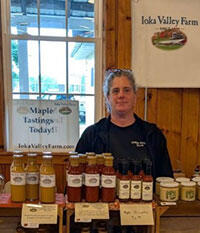
Growing up in Pennsylvania, Missy's fondest memories were spent on her uncle's dairy farm where she saw first hand how farming fosters deep family connections and a true sense of community. When she married into her husband, Rob's farming family, she took her childhood experiences and applied them to the running of Ioka Valley Farm. More about Missy here.
Pat Spence
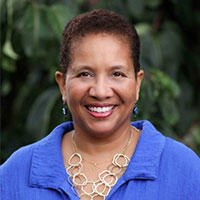
For more than a decade, Pat has built the Urban Farming Institute of Boston into a six-site enterprise, addressing food insecurity in the Dorchester, Mattapan, and Roxbury neighborhoods. In 2024, they purchased the historic Fowler Clark Epstein site on Norfolk St. which now serves as their headquarters and is home to a Friday Farm Stand which not only features freshly grown produce but family friendly programming including live music for residents to enjoy while shopping locally. More about Pat here.
Joan Walker
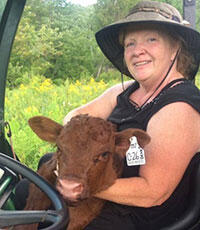
Joanie is relatively new to farming but in a little over a decade, has established herself as a premier purveyor of high quality, locally raised Grass-fed beef from the cows on her family farm. Her products have been served at the prestigious James Beard House in New York City. More about Joan here.
*If you would like to be considered for this opportunity, or have a female farmer in mind you’d like to have highlighted, please fill out our nomination form here.