- Division of Fisheries and Wildlife
Media Contact
Media Contact, MassWildlife
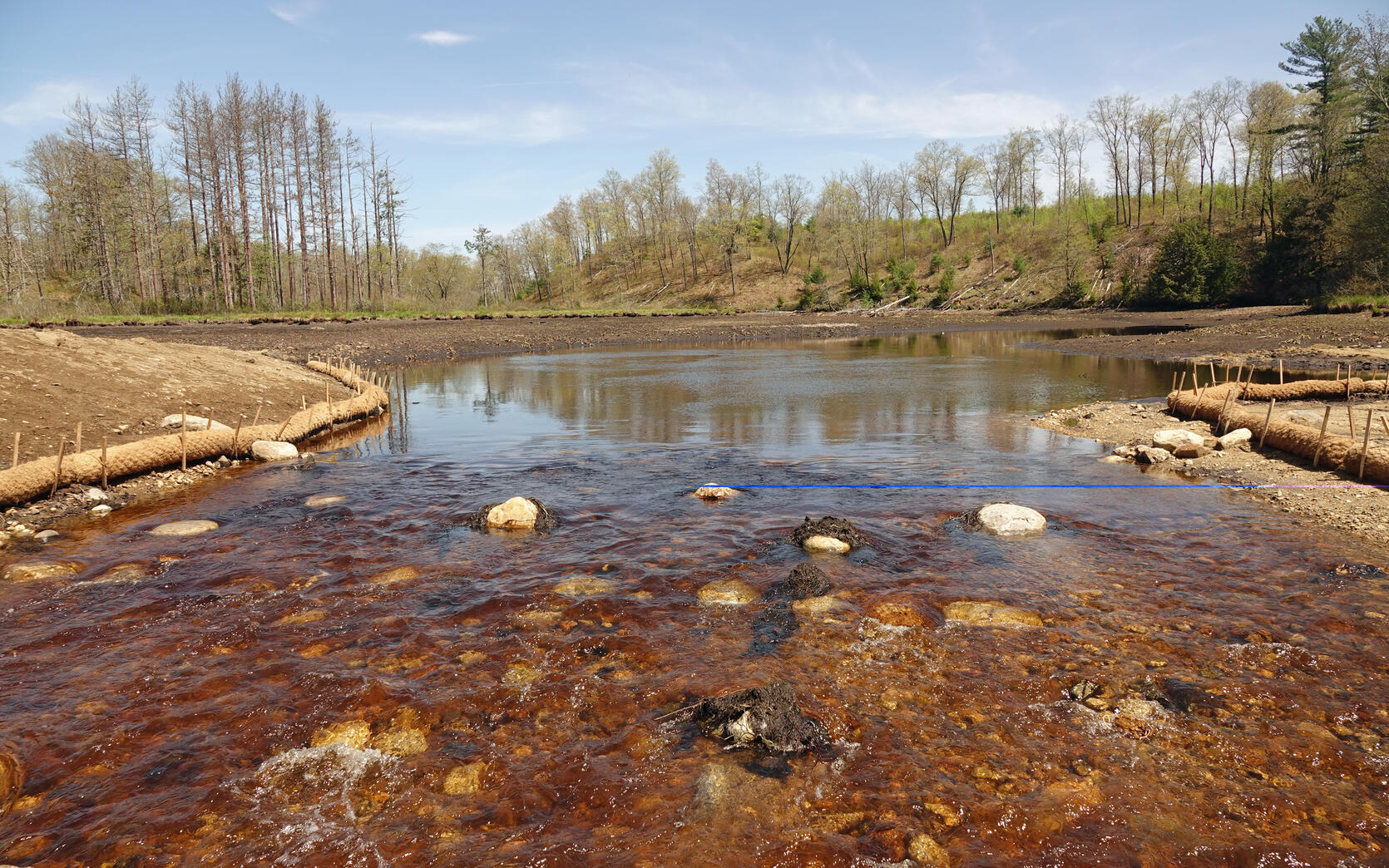
This spring, MassWildlife is wrapping up a series of seven dam removal projects across Massachusetts. By the end of 2026, these dam removals on MassWildlife properties will have restored stream and river reaches that have been disconnected for decades. These projects are part of a growing effort to reconnect waterways, improve aquatic and streambank habitat, and reduce the risks associated with aging infrastructure. MassWildlife still owns about 20 dams that are under review for repair or removal. As these barriers come down, the benefits ripple far beyond the dam site—reaching into stream channels, riparian zones, and even upland habitats.
A better flow for streams and wild trout
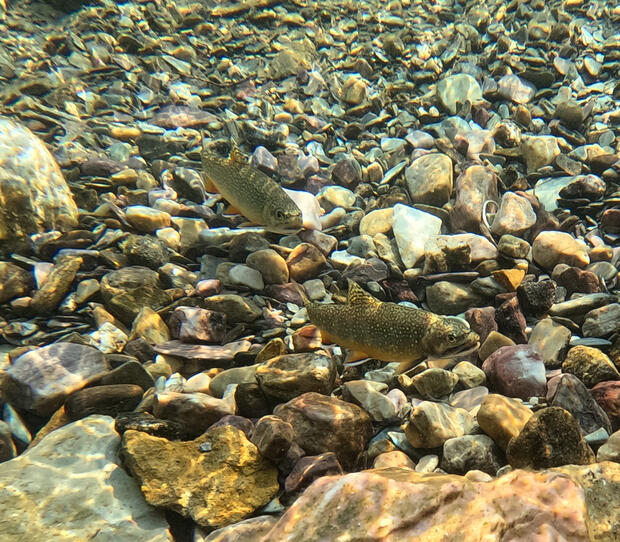
Many of Massachusetts’ rivers and streams are fed by cold groundwater inputs and have a natural mix of riffles, runs, and pools. These features create ideal conditions for aquatic life by maintaining cool temperatures, high oxygen levels, and clean gravel substrates. Dams disrupt these systems by slowing water, trapping sediment, and increasing temperatures, ultimately degrading the habitat on which many species depend.
When dams are removed, these streams begin to regain their natural rhythm. Sediment moves downstream again, groundwater-fed flows help keep water temperatures low, and over time, stream channels reshape into more complex and stable forms. Just as importantly, reconnecting fragmented sections of stream allows water, nutrients, and organisms to move freely—restoring the full function of these coldwater ecosystems.
Few species illustrate the benefits of stream restoration as clearly as wild trout. Trout are an integral part of many Massachusetts streams, serving as top predators and supporting a strong recreational fishery. Trout require cold, clean water and access to connected spawning habitat—conditions that exist in more than 1,300 streams across the Commonwealth.
Today trout—especially our only native species, eastern brook trout—are increasingly stressed by climate change and development. Dam removal helps ease these stressors by reopening access to coldwater refuges and spawning areas that may have been blocked for decades. In addition to dam removal, MassWildlife and its partners continue to advance conservation efforts through research, restoration, and planning through the Wild Trout Conservation Plan.
Reviving the riparian zone
Dam removal can provide significant benefits for the riparian zone—the green ribbon of vegetation along streambanks and floodplains. These areas act as natural buffers, helping to filter pollutants, stabilize streambanks, absorb floodwaters, and regulate water temperature through shading. When dams are removed, rivers and streams can reconnect with their floodplains, allowing water to spread out during high flows and deposit nutrients across the landscape. This process supports richer soils and more diverse plant communities, which in turn provides habitat for a wide range of wildlife.
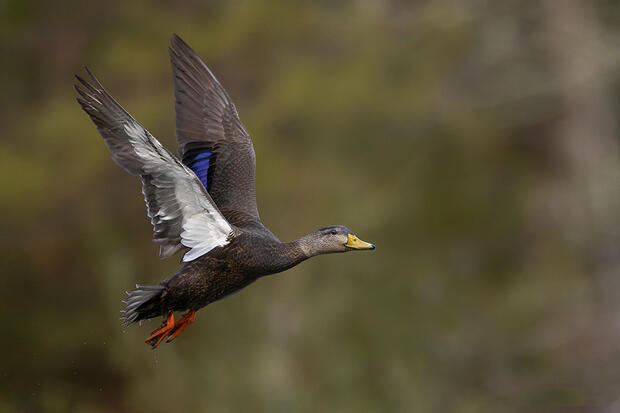
Healthy riparian habitat is especially important for Species of Greatest Conservation Need in Massachusetts like the migratory Louisiana waterthrush and the year-round resident American black duck. Both birds depend on clear, flowing streams in forested areas, where they feed and nest along streambanks. By restoring natural stream processes, improving water quality, stabilizing streambanks, and reconnecting habitats, dam removal helps create conditions where these birds, and many other types of wildlife, can thrive.
Benefits that reach the uplands

The benefits of dam removal extend beyond the stream corridor into nearby upland habitats like forests and woodlands. When dams are removed, surrounding upland soils return to more natural moisture levels, reducing prolonged flooding that can stress trees and shift plant communities. This helps maintain the balance between wet and dry conditions that upland habitats depend on, supporting healthier forests and more diverse vegetation. Species like the eastern box turtle, North American racer, and marbled salamander thrive in uplands areas with varying soil moisture throughout the year.
In conclusion
In many ways, removing a dam is like removing a physical barrier in order to reconnect an ecological puzzle. And while the changes may start in the water, their benefits flow outward, strengthening habitats across the landscape.