
Bass and sunfish
Consisting of nine different species, this fish group is often prized by anglers as sport fish and can be found throughout the state in lakes and ponds, as well as rivers and streams. Species in this grouping are often laterally compressed with two closely separated dorsal fins, the first containing spines and the second containing soft rays. During the springtime, bass and sunfishes build small nest depressions in the bottom and actively guard their eggs and young after hatching.
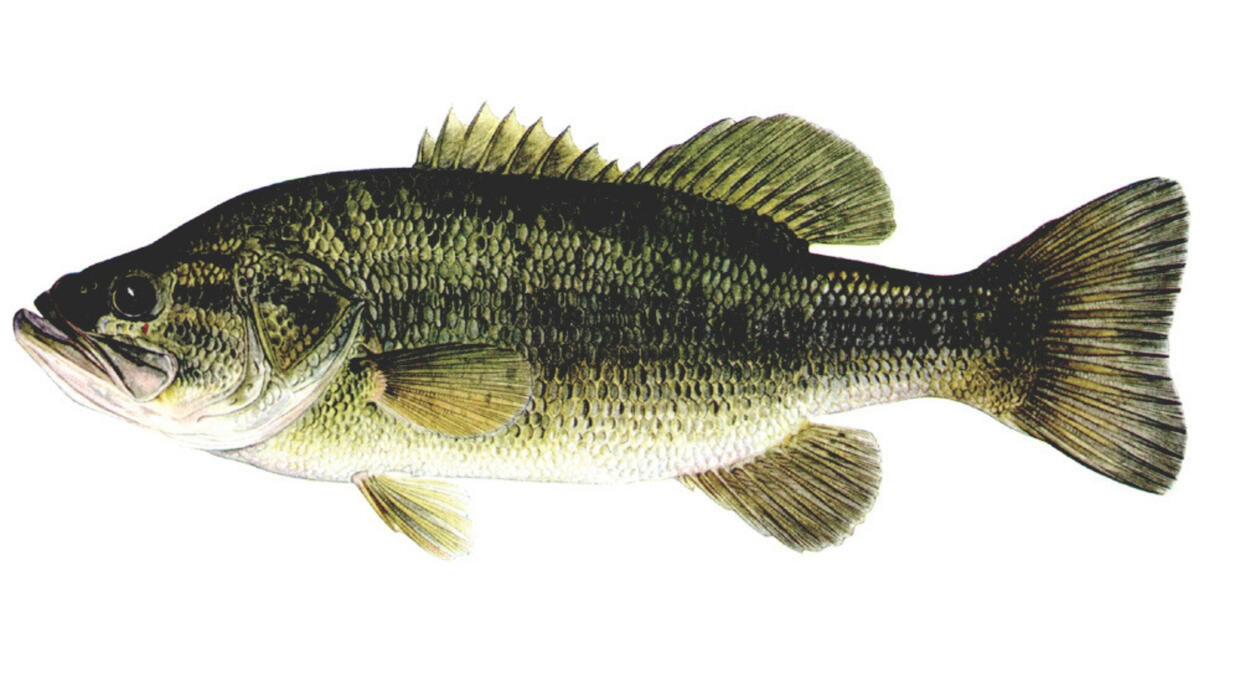
Large mouth bass
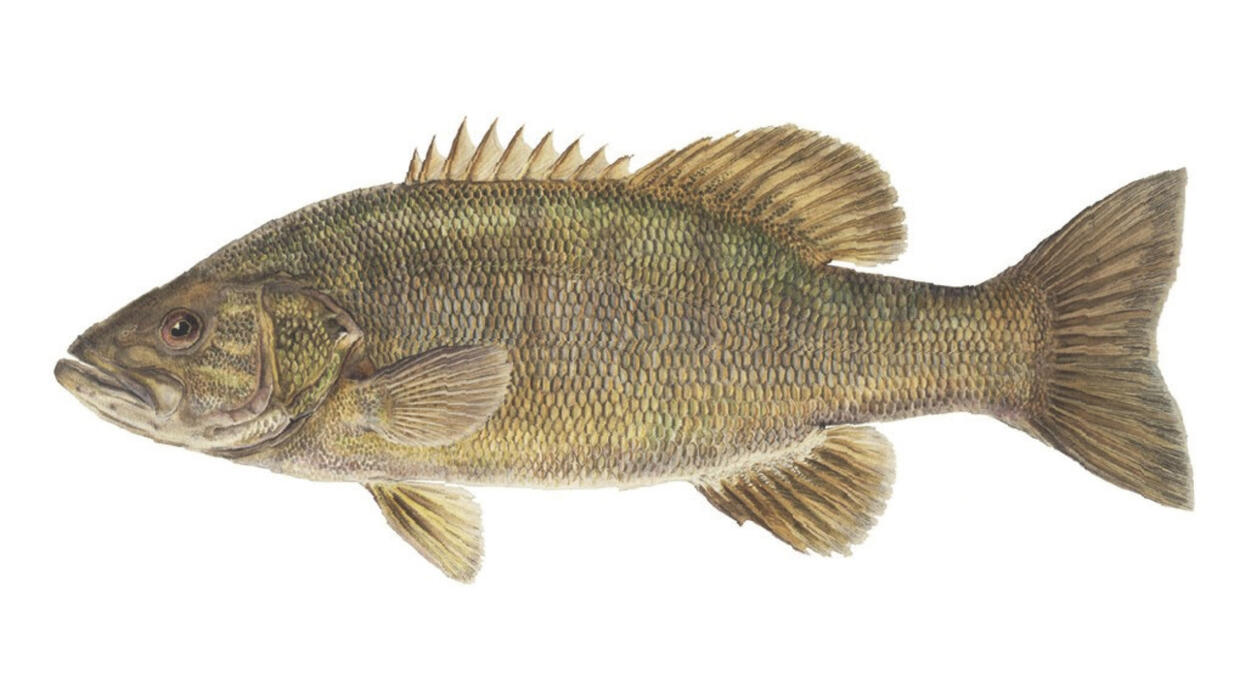
Small mouth bass
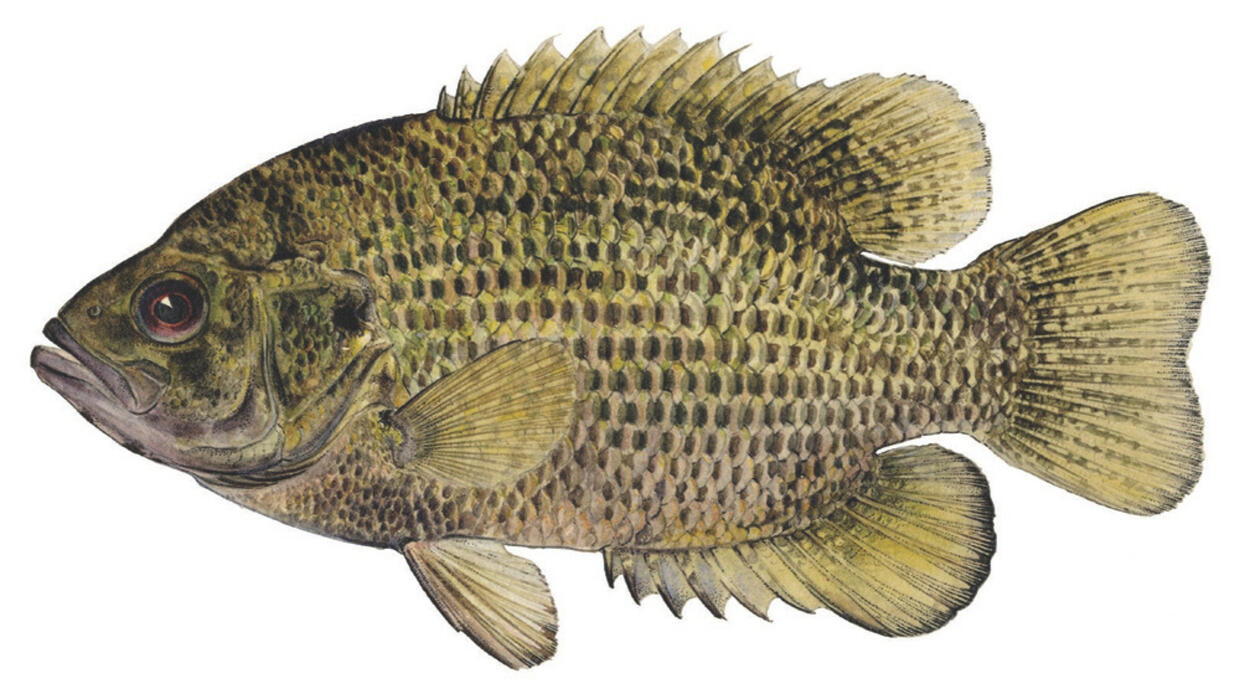
Rock bass
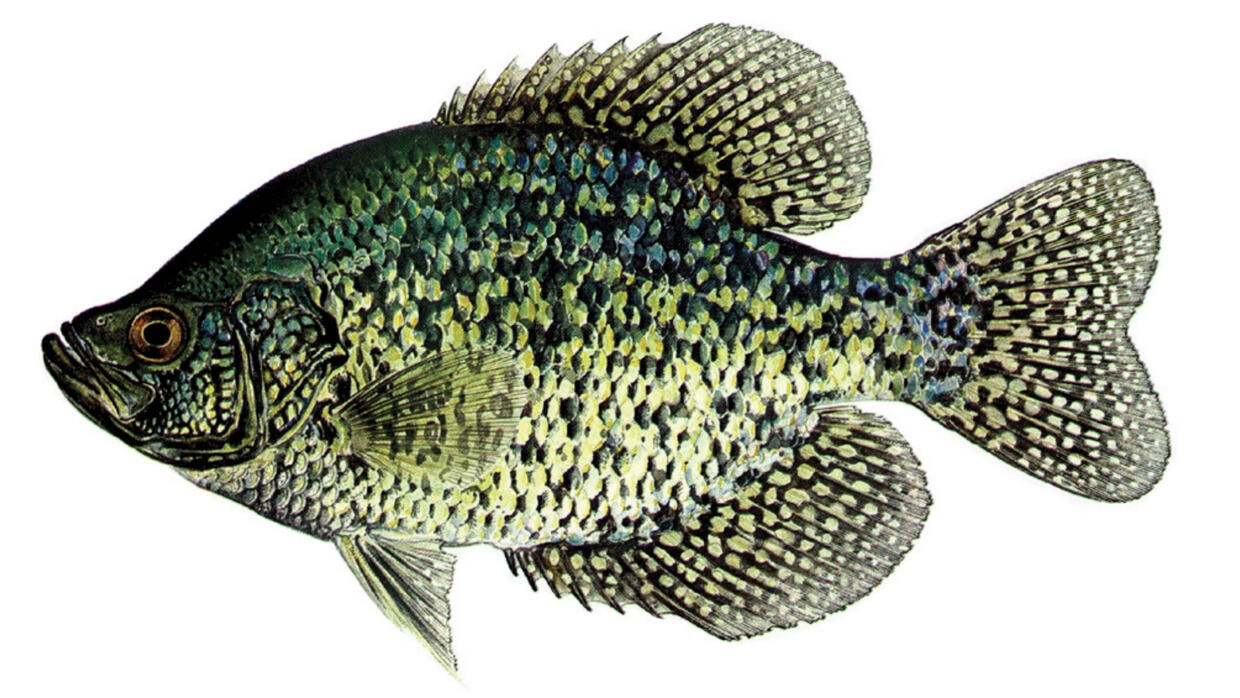
Black crappie
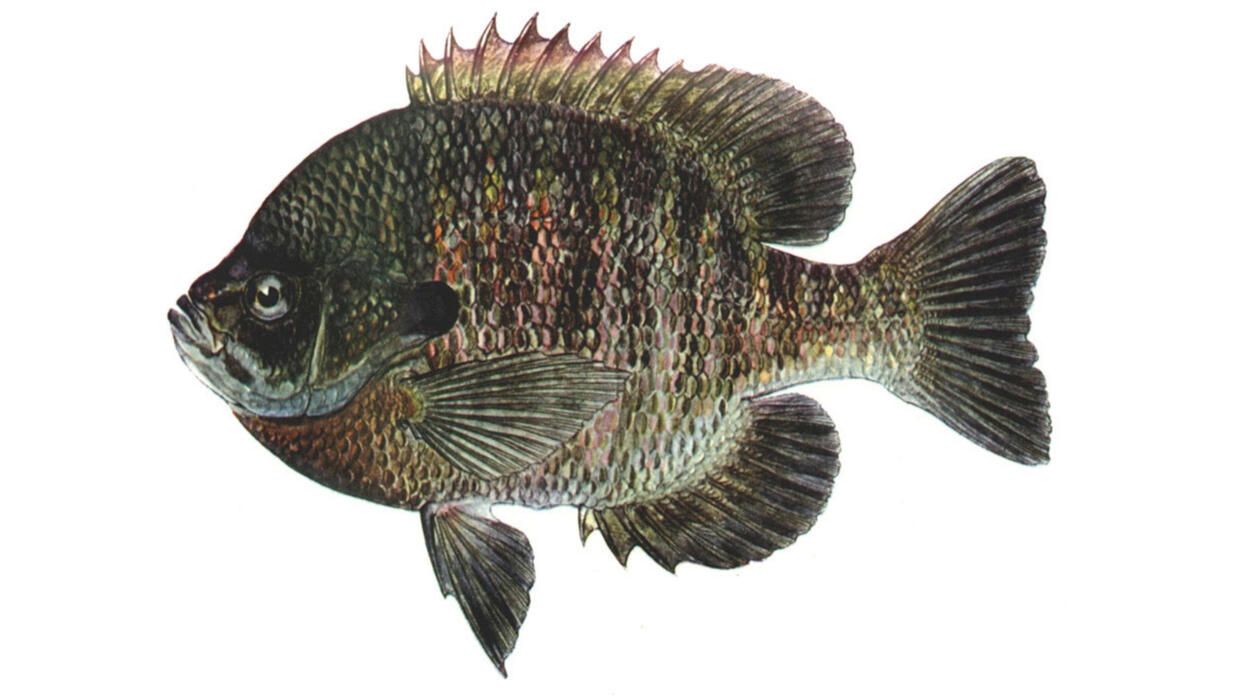
Bluegill
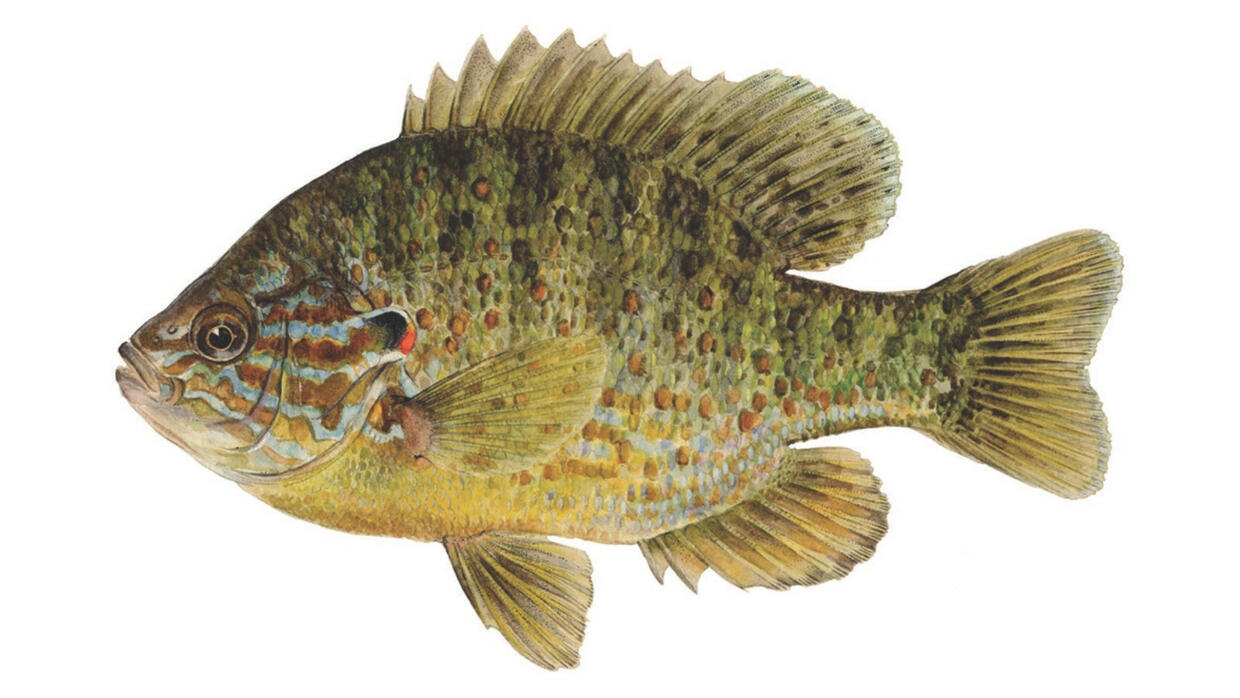
Pumpkinseed
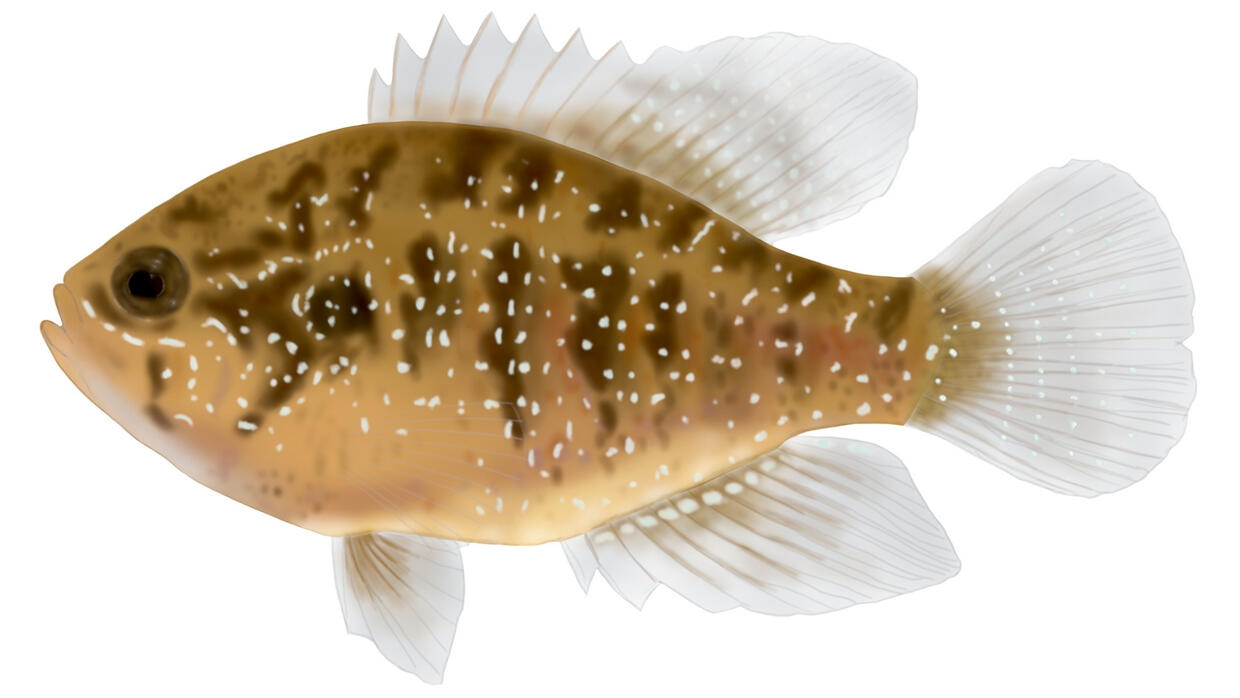
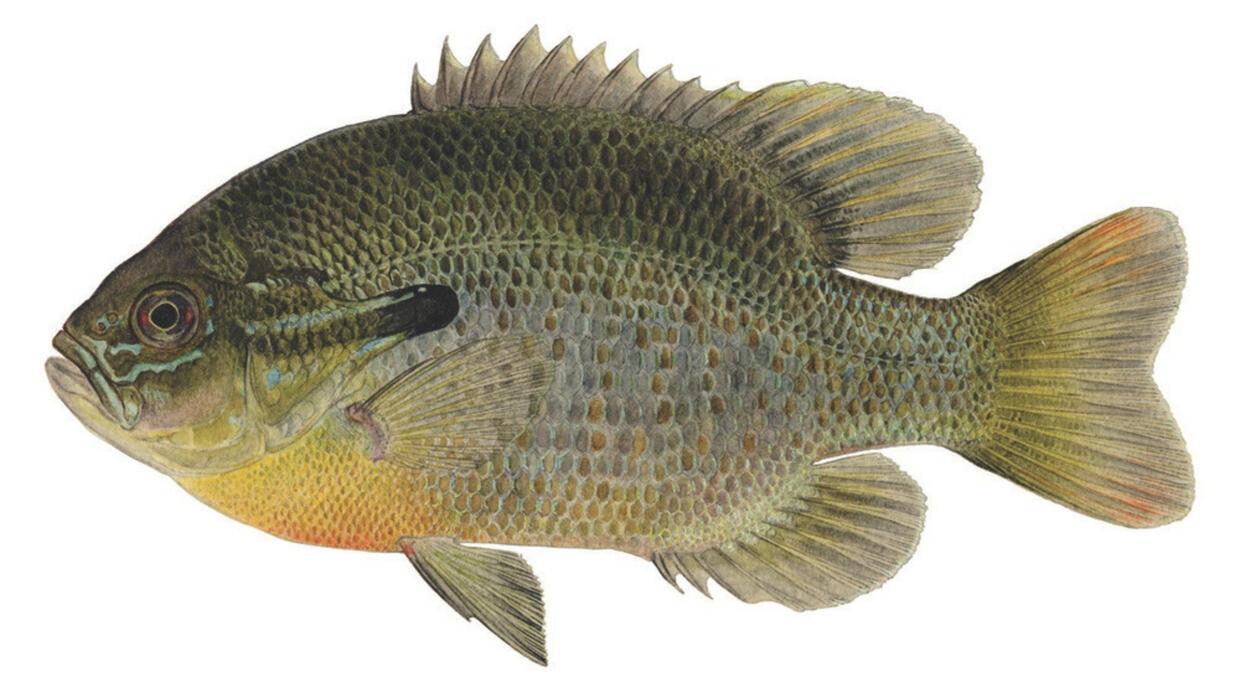
Redbreast sunfish
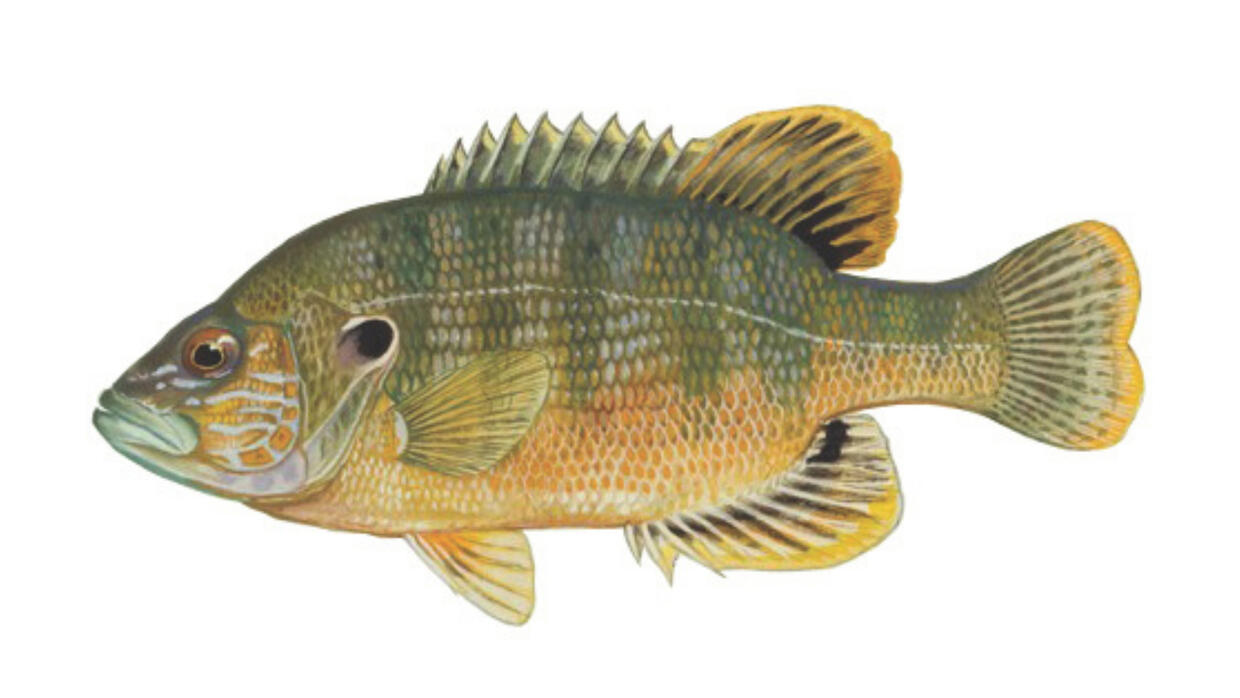
Green sunfish
Trout and salmon
Trout species can be found in coldwater rivers and streams, as well as lakes and ponds deep enough to hold cool, oxygenated water year-round. Brook trout are native to Massachusetts and have naturally reproducing populations within the state. MassWildlife stocks brook, brown, rainbow, and tiger trout into over 450 waterbodies annually to provide recreational opportunities. Atlantic landlocked salmon naturally reproduce in Quabbin and Wachusett reservoir watershed tributaries and are supplemented by stocking.
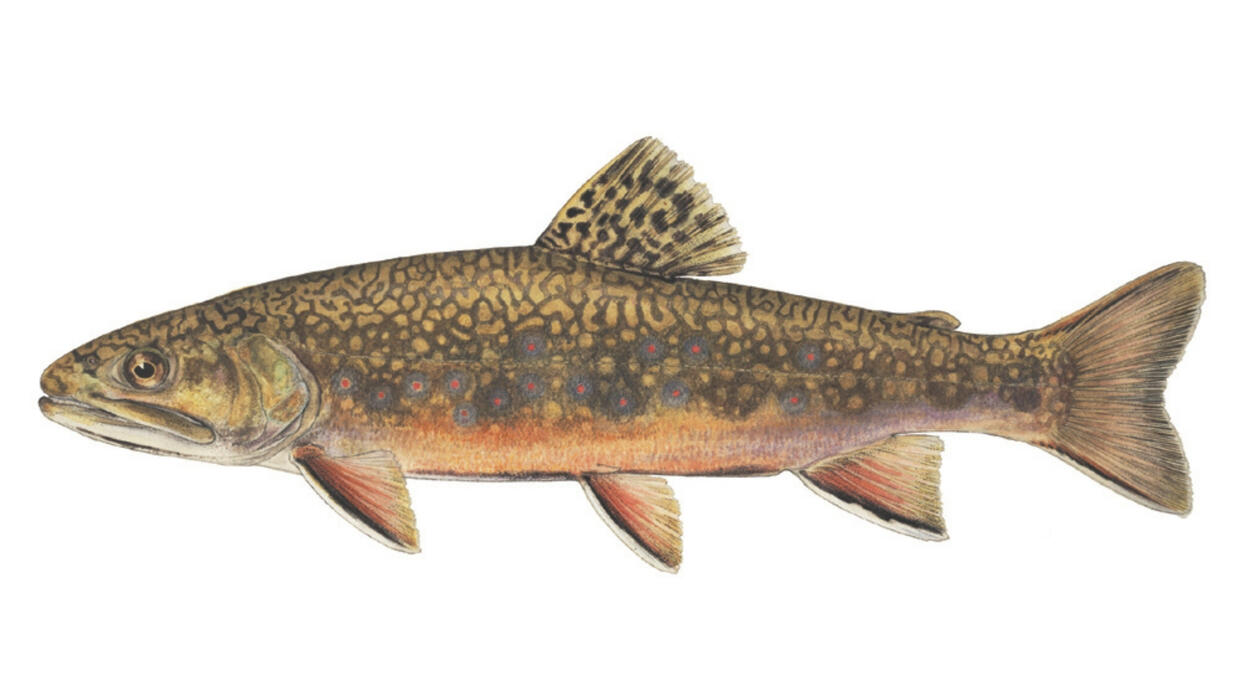
Large jaw extends beyond the eye. Back shows worm-like vermiculation with light spots on a dark body. Lower fins have distinct white and black leading edges, making this trout easy to recognize.
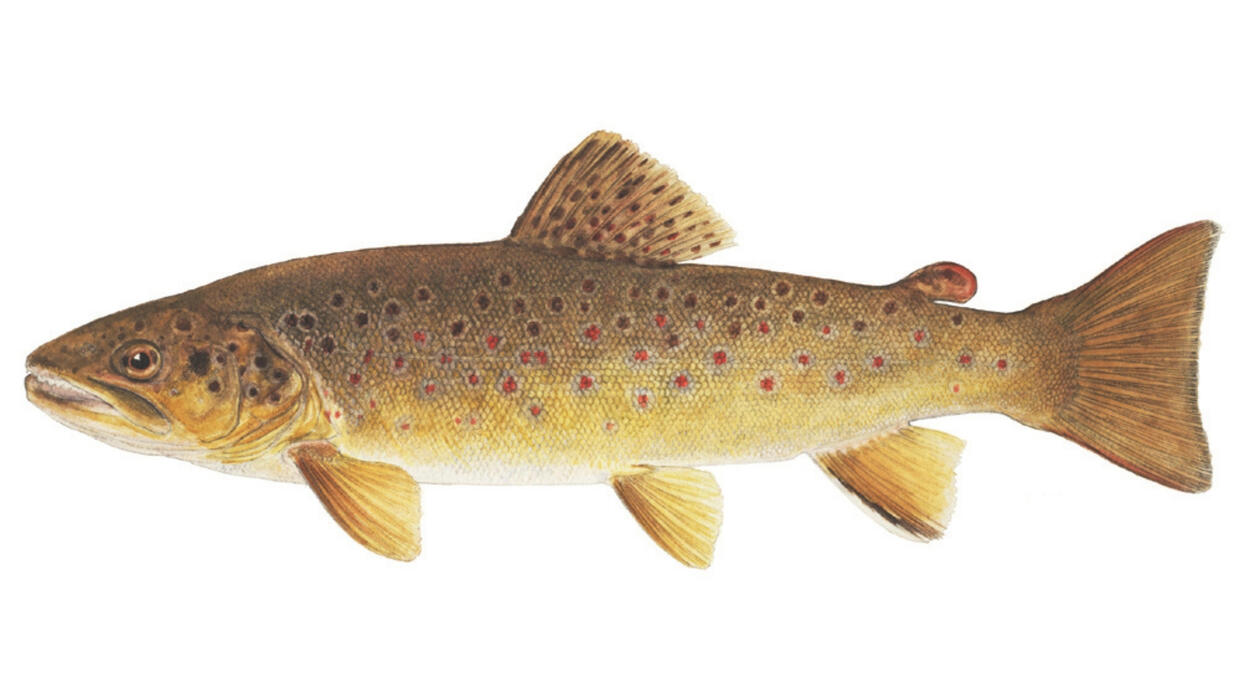
Brown trout
Mouth smaller than a brook trout’s, though the jaw passes the eye. The anal fin has margins but the pectoral and pelvic fins do not. Has dark, often red spots on a light body and has an orange adipose fin.
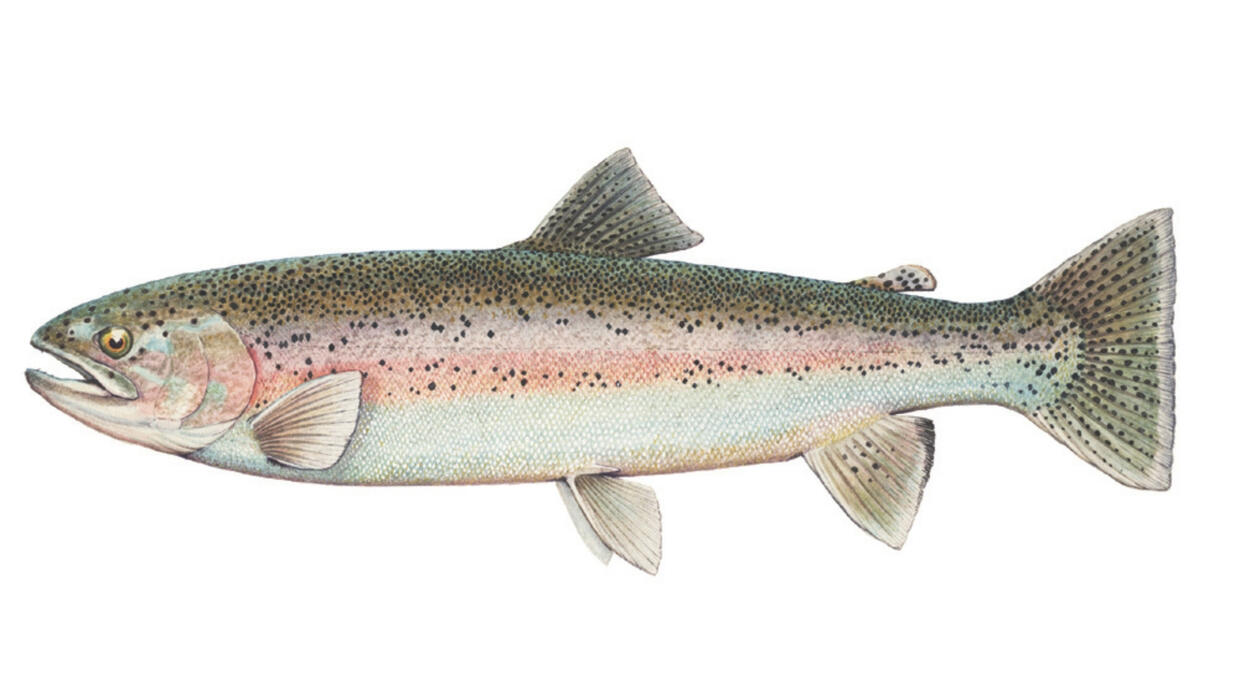
Rainbow trout
Jaw reaches the back of the eye and mouth is smaller than a brown trout’s. Shows dark spots on a light body, with spotting on dorsal, anal, caudal, and adipose fins. Often has a pink lateral band.
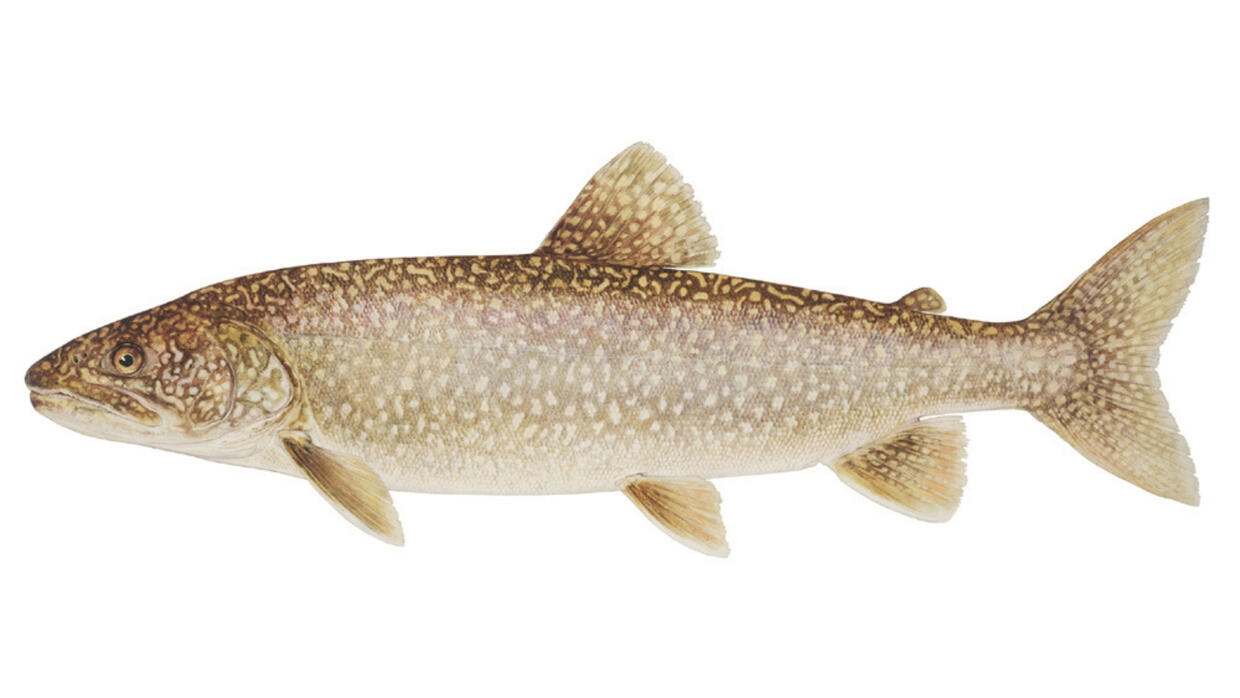
Lake trout
Has a strongly forked tail and many pale spots on a darker body. Dorsal, caudal, and anal fins may also be spotted. This deep-water trout has a long shape and subtle coloration useful for ID.
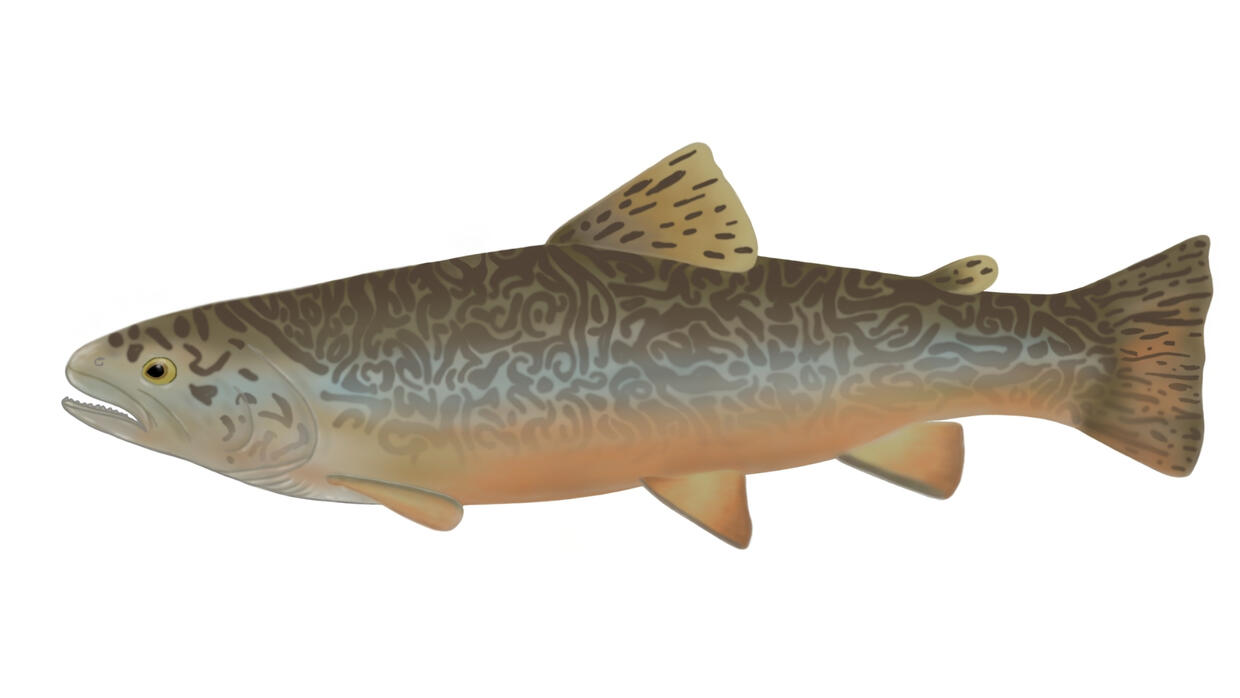
Tiger trout
Tiger trout are a sterile hybrid of a female brown trout and male brook trout. They show bold, maze-like vermiculations across a gray- to orange-brown body, with males displaying brighter colors in fall.
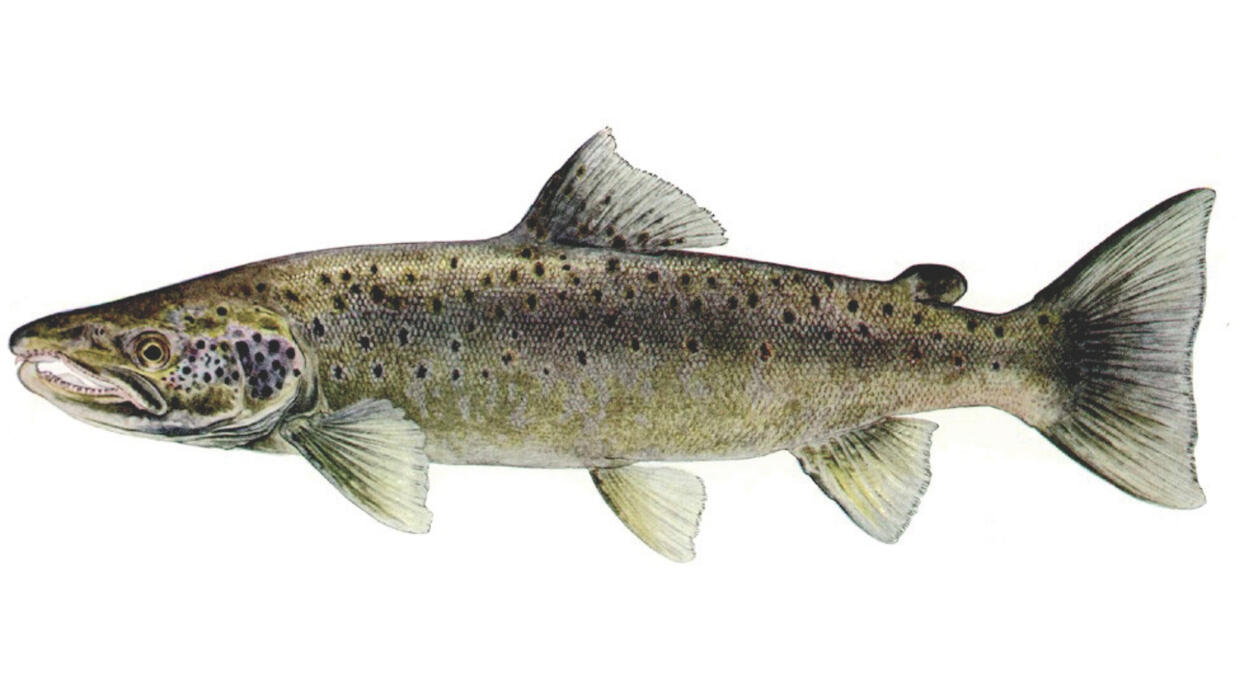
Atlantic landlocked salmon
Silvery fish with scattered dark spots that are fewer than on brown trout. Jaw reaches the back of the eye, and the tail may be slightly forked. Slim shape and sparse spots help distinguish this salmon.
Bullhead and catfish
Six different species in this grouping can be found throughout the state in lakes and ponds, as well as rivers and streams. Catfishes have four pairs of barbells (whiskers), spines on dorsal and pectoral fins, a moderately to deeply forked tail, and a small adipose fin located anterior to their caudal fin. These species are generalist predators and rely on sensory structures like their barbells to locate prey often along the bottom.
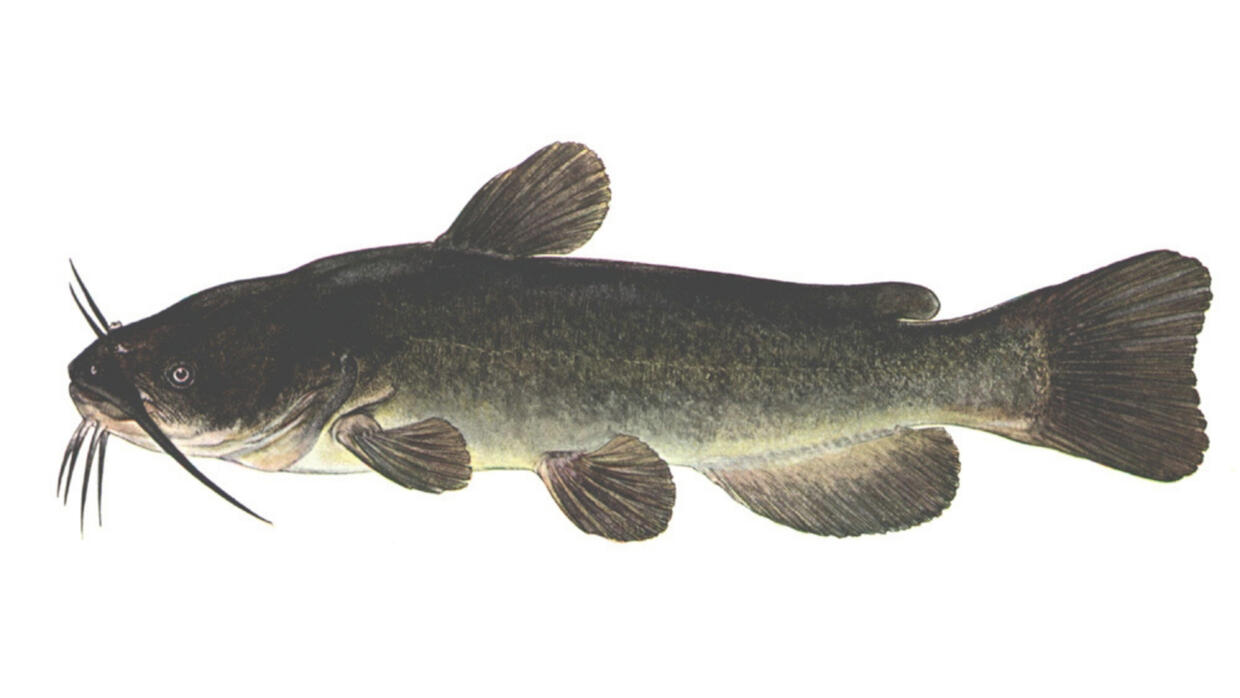
Brown bullhead
Dark chin barbels and a rounded, lightly forked tail distinguish this bullhead, giving it a dusky-faced look and a smoothly curved tail shape.
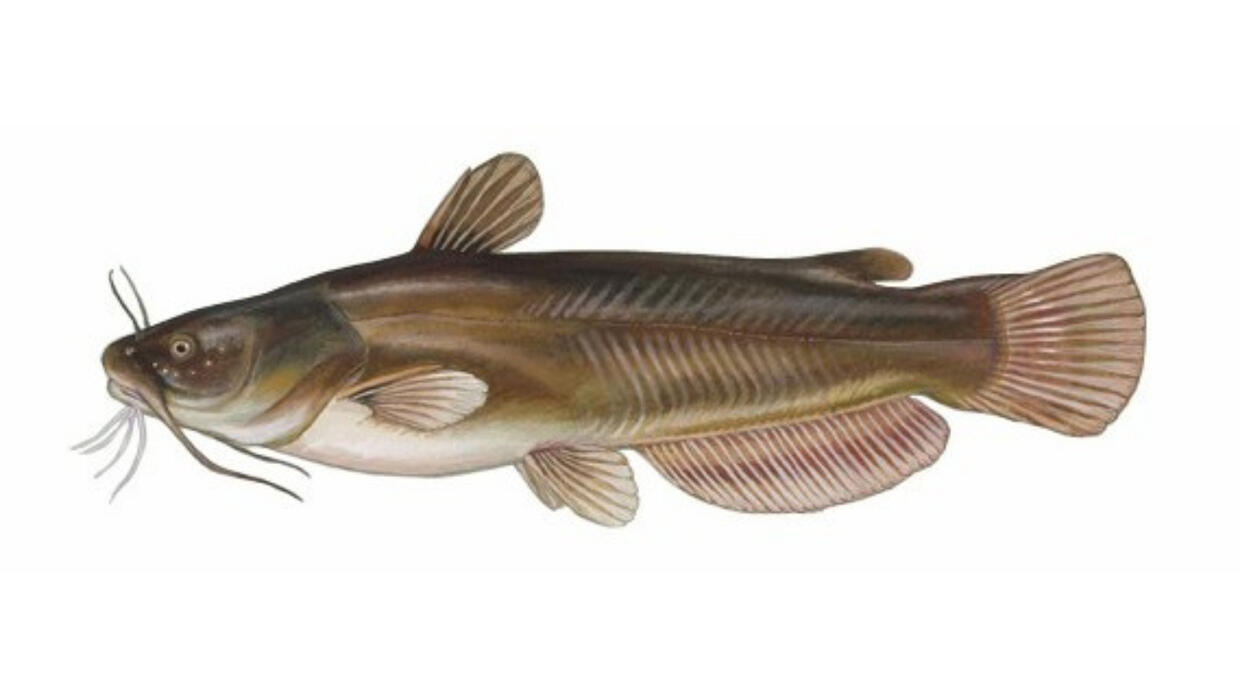
Yellow bullhead
Light cream chin barbels and a rounded or squared tail mark this species, with pale facial tones contrasting its darker upper body.
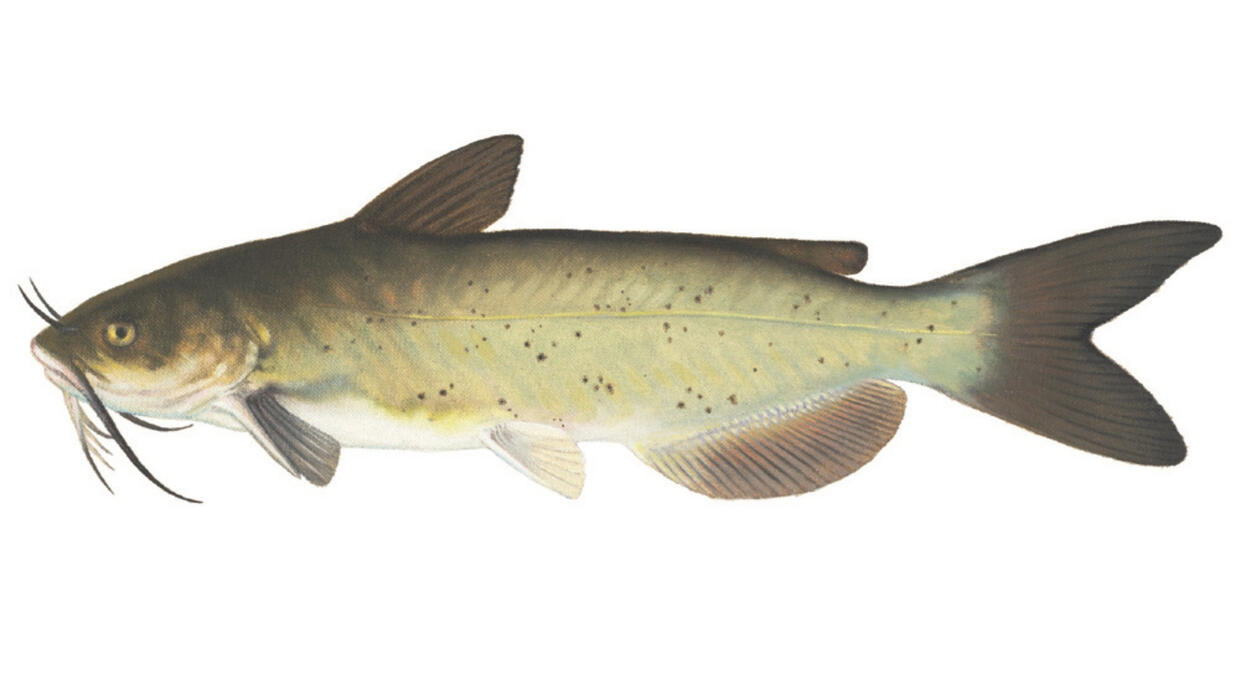
Channel catfish
Deeply forked tail, black body spots, eight barbels, and a rounded anal fin with 24–29 rays give this sleek gray-blue catfish its identity.
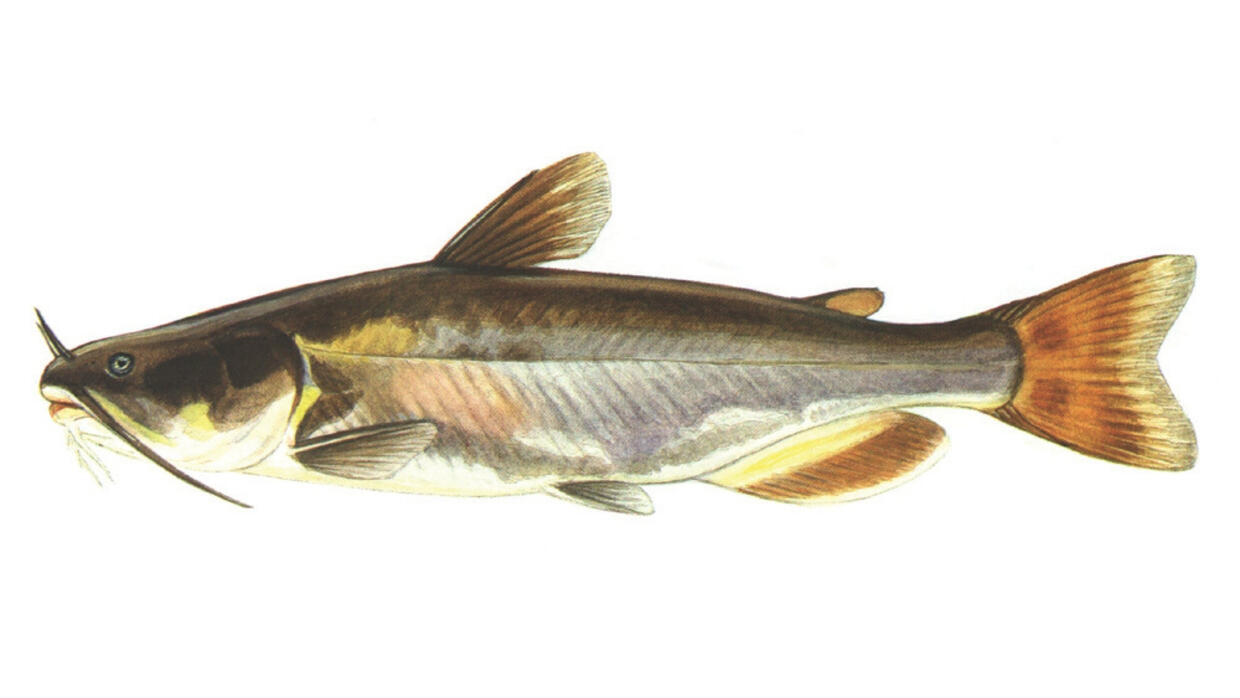
White catfish
Moderately forked tail, short anal fin, no black spots, and sharp color contrast between dark upper body and white belly characterize this species.
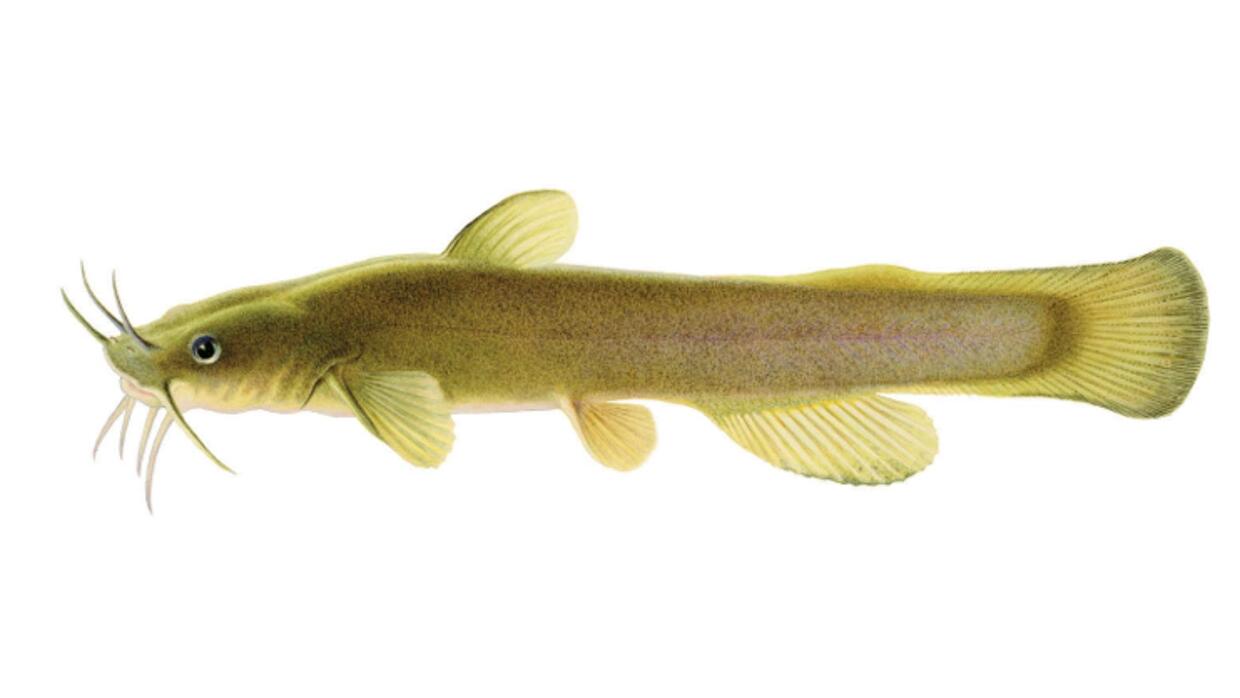
Margined madtom
Light cream belly, light brown-gray back, plain sides without blotches; fins brown with black edges; long attached adipose fin to square caudal fin.
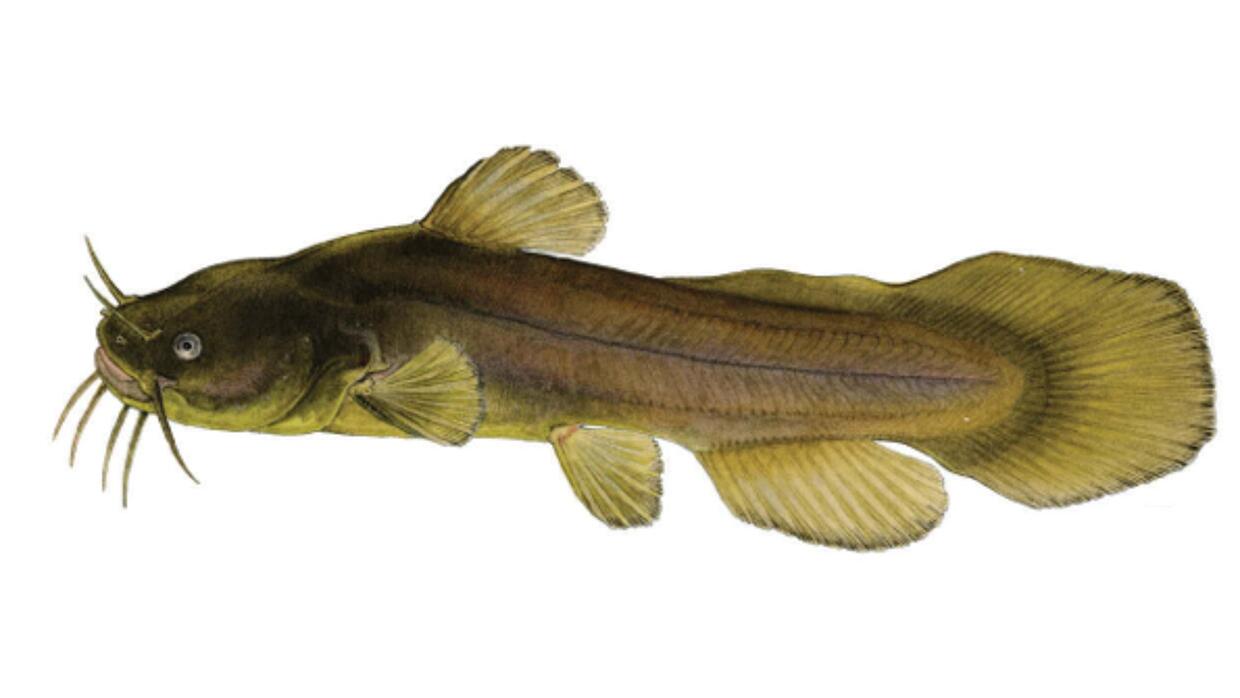
Tadpole madtom
Equal jaws, plain body, no speckles, smooth pectoral spine, and a dark midside line set this madtom apart, with a notch placed near the dorsal fin.
Pickerel and pike
This grouping consists of four different species that are highly sought after by anglers due to their aggressive nature and sit and wait predator behavior. Natural reproduction of these species, with the exception of tiger muskellunge which is a sterile hybrid, occurs in ponds and lakes, as well as streams and rivers. These species have a long cylindrical body, one dorsal fin, no fin spines, and a characteristic elongated snout full of sharp teeth. Shortly following ice out, these species make movements to inundated flood plains, wetlands, and tributaries to spawn. Spawning occurs in aquatic vegetation where eggs and young can shelter during early life. Anglers should consult the following identification guide below to adhere to the correct state regulations regarding this species.
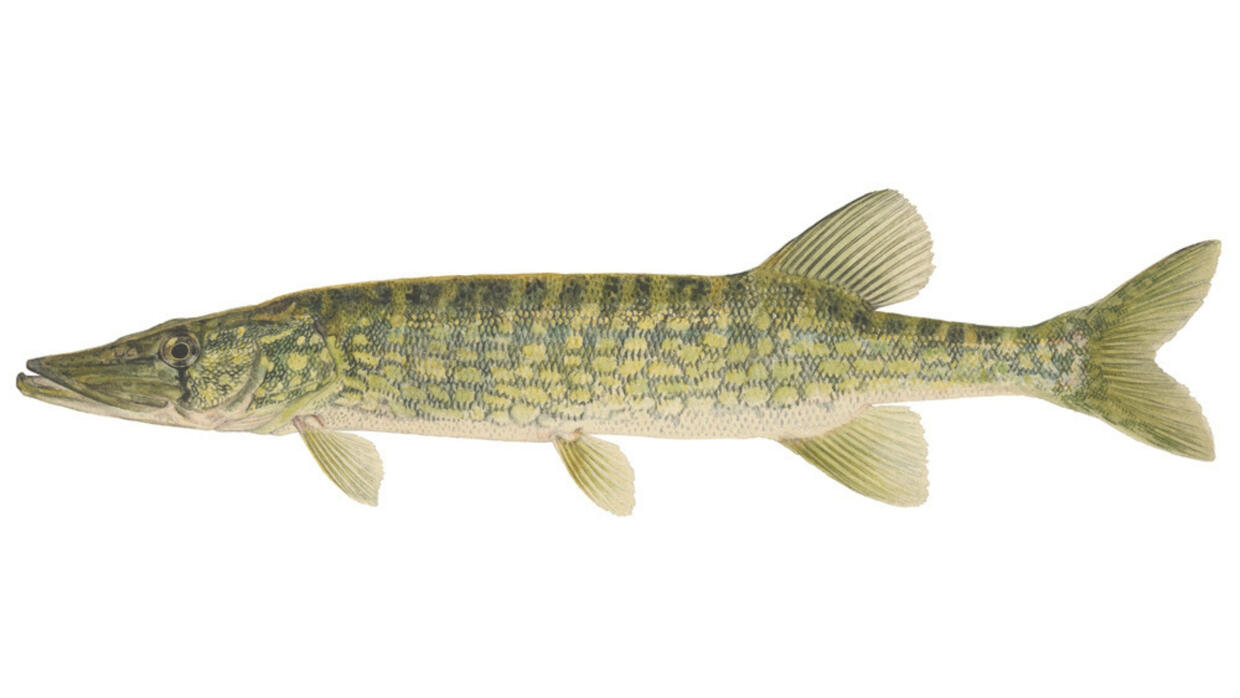
Chain pickerel
A 10–25 inch fish with a green-yellow body marked by dark chain patterns. It has a vertical dark teardrop below the eye and a fully scaled gill cover.
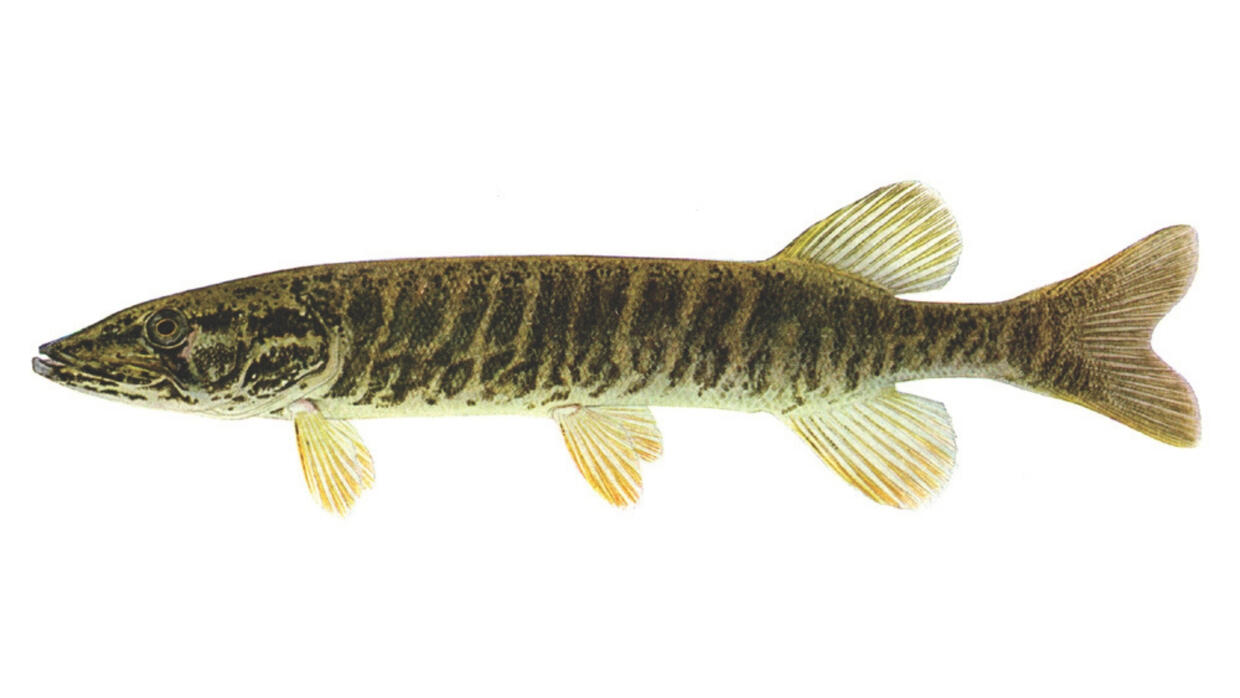
Redfin pickerel
A small 6–10 inch fish showing vertical side bars and reddish lower fins. Its dark teardrop slants backward, and its gill cover is fully scaled.
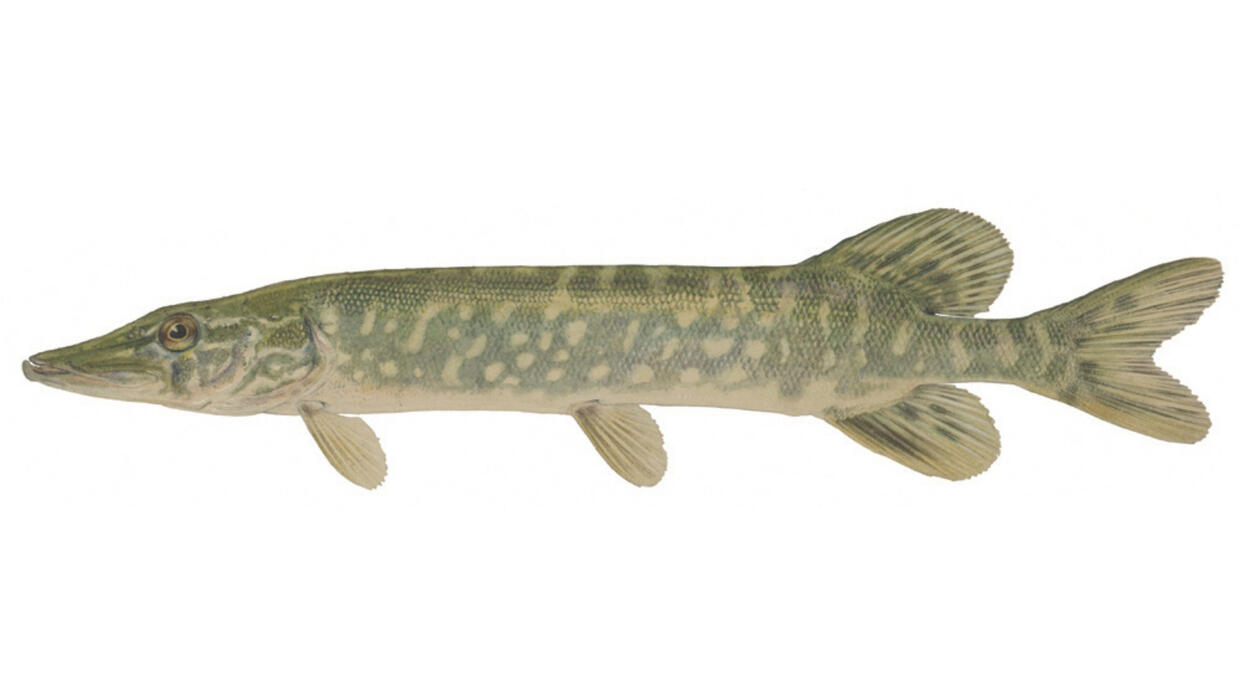
Northern pike
A 15–40 inch fish with a dark green body covered in light, bean-shaped spots. It lacks a teardrop under the eye and has a partly scaled gill cover.
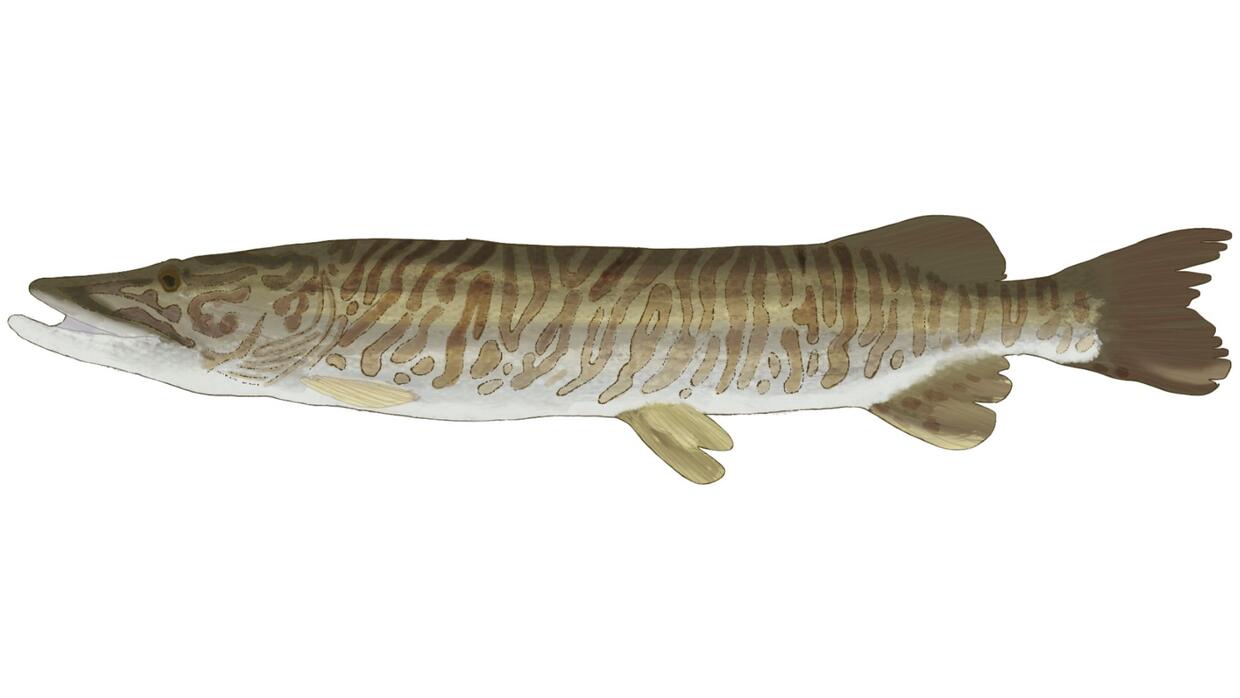
Tiger muskellunge
A 15–40 inch hybrid with pale green-yellow sides marked by dark, broken vertical bars. It has no eye teardrop and a gill cover that isn’t fully scaled.
Perch
This group of fish has two dorsal fins that are separate with the first fin containing spines and the second fin containing soft rays. Certain species like walleye are popular among anglers and are often encountered in larger waterbodies like the Connecticut or Merrimack River. While darter species in this group are small and often cryptically move along the bottom.
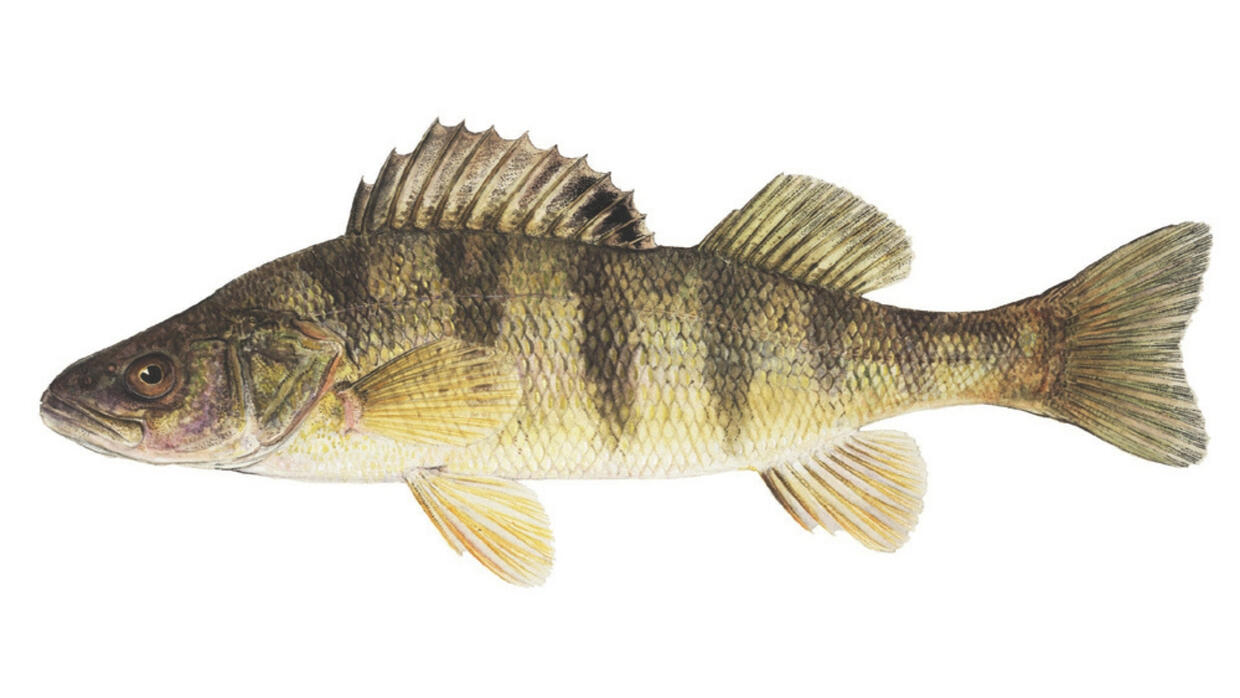
Yellow perch
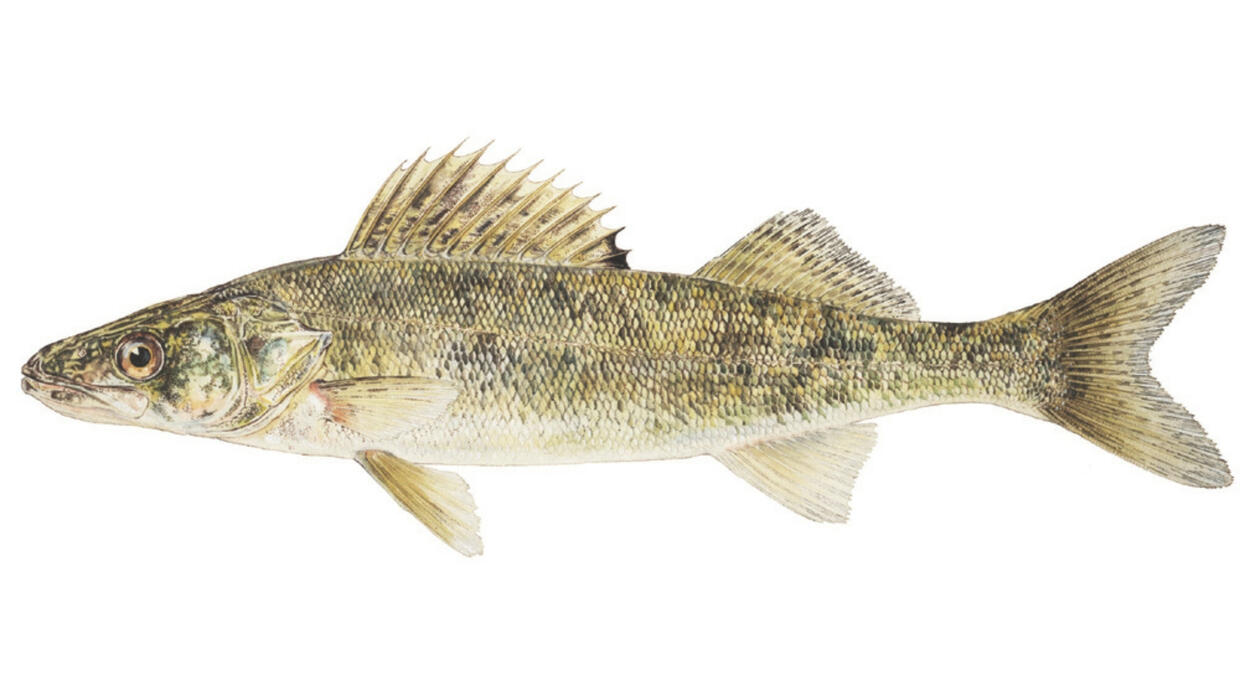
Walleye
Migratory fish
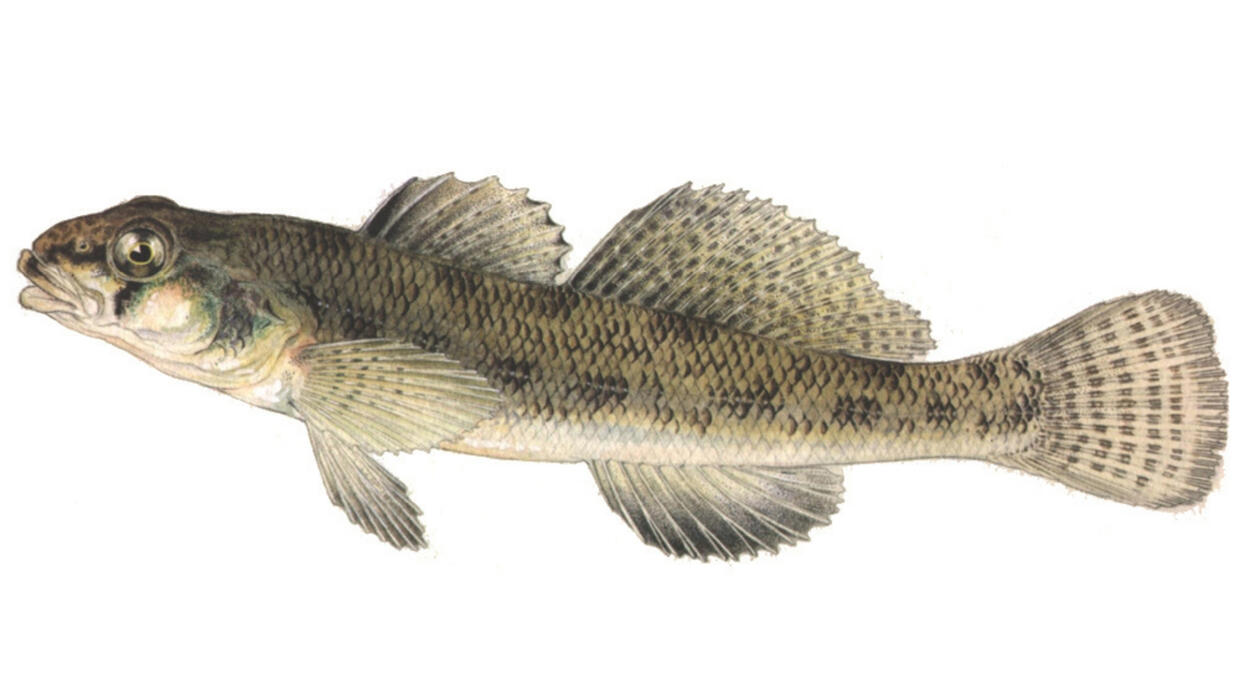
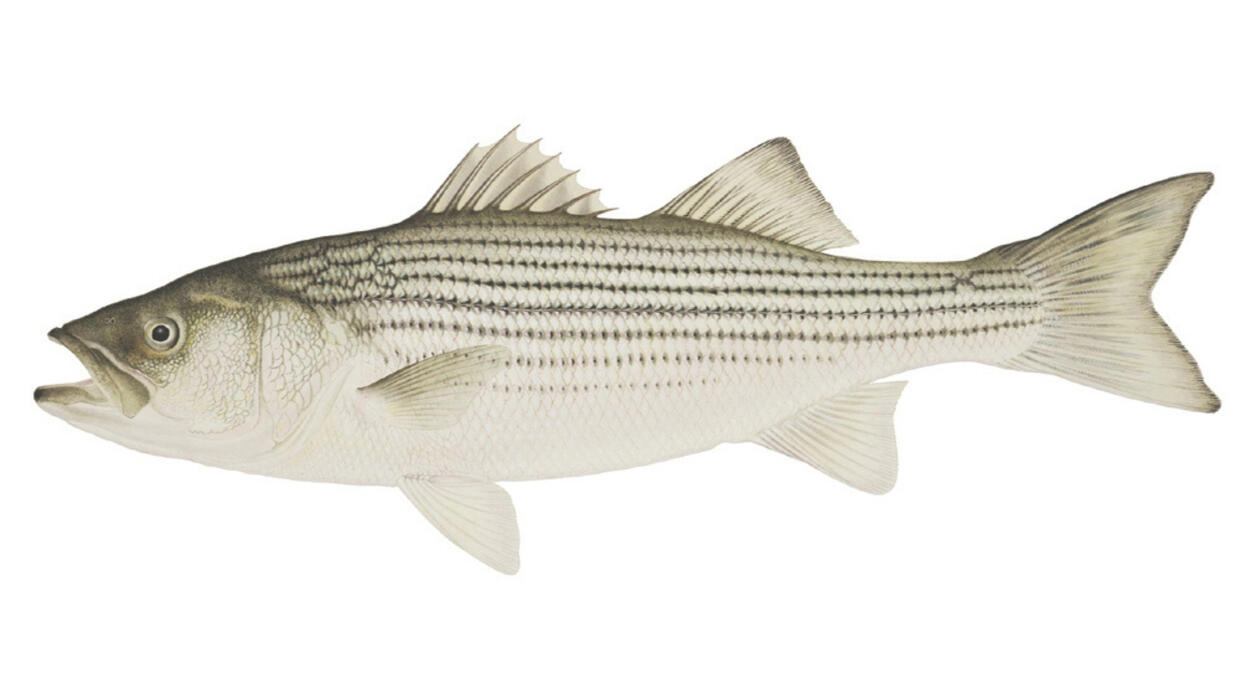
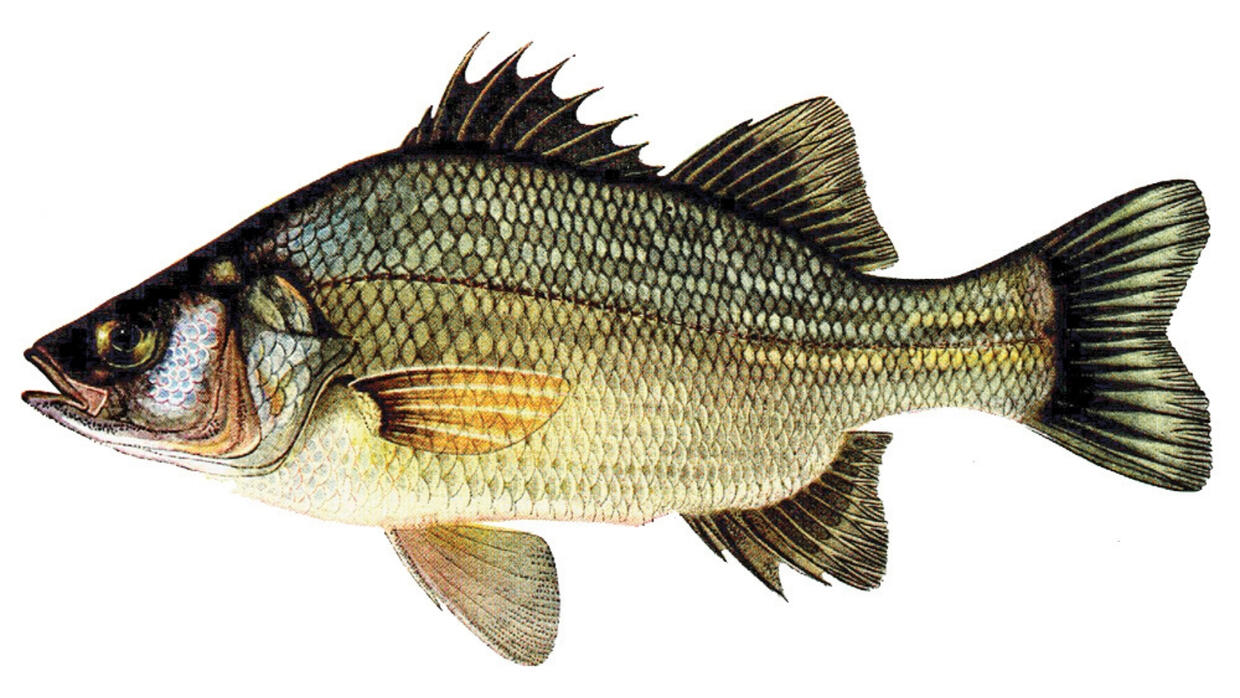
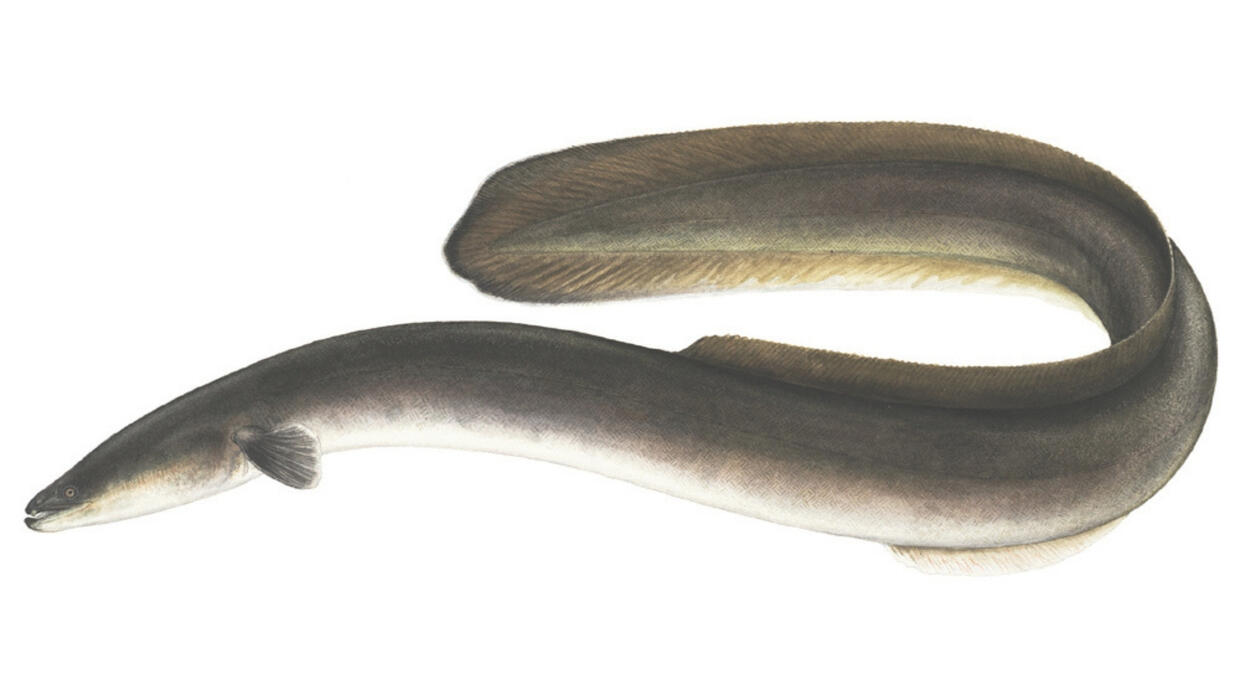
Multiple species of fish make migratory runs from the ocean into large rivers in Massachusetts during springtime. Migratory species that move upstream are typically short-lived, like shad and herring, providing an important forage base for river and marine fishes. Anglers often pursue the migratory game species during early spring when large runs congregate below dams. While long lived species like sturgeon often make upstream movements during spring or can use freshwater habitats during overwinter periods.
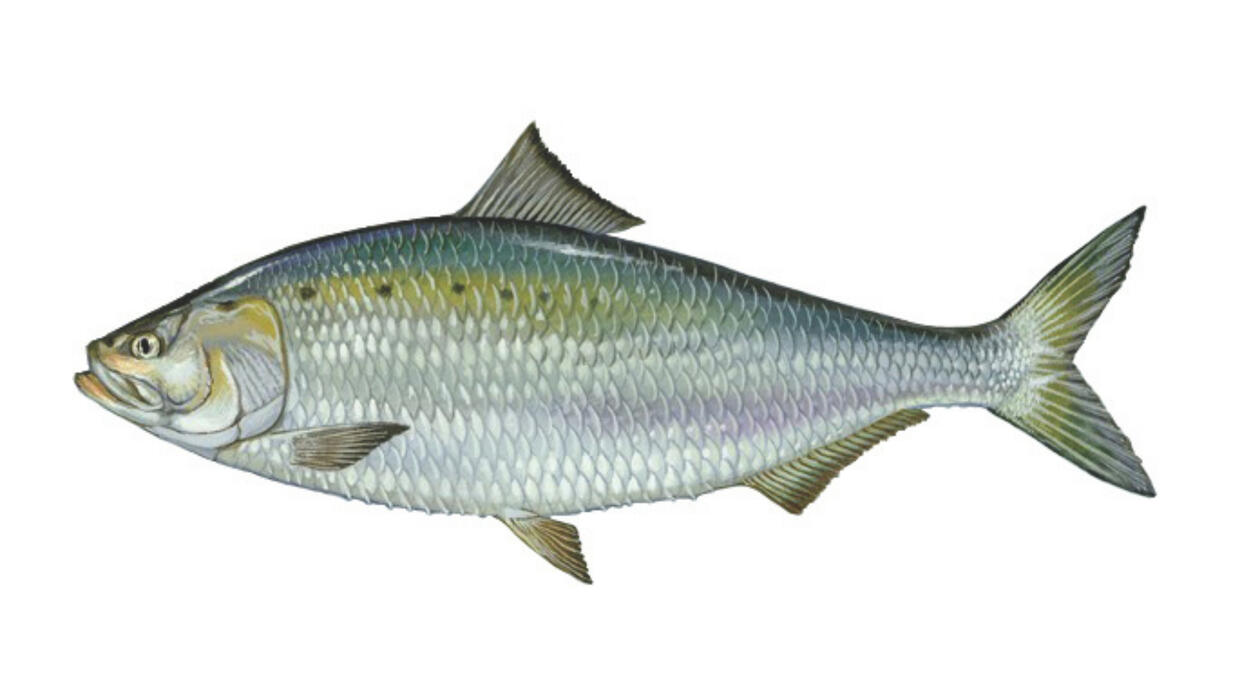
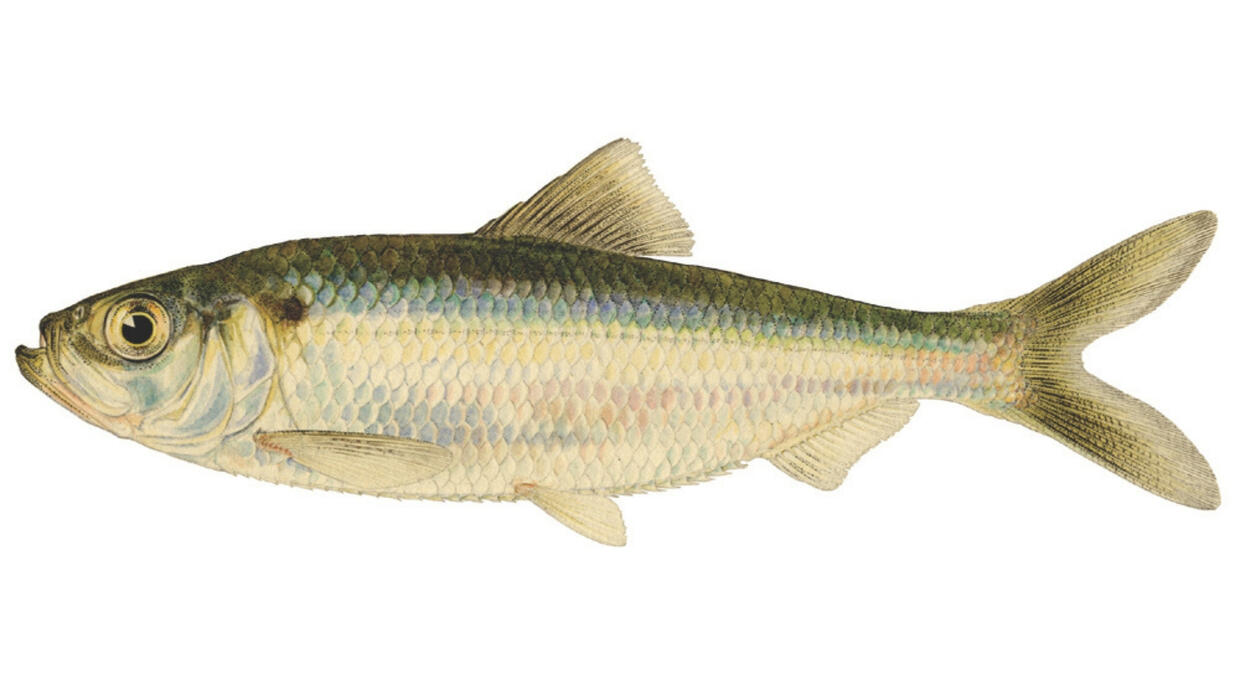
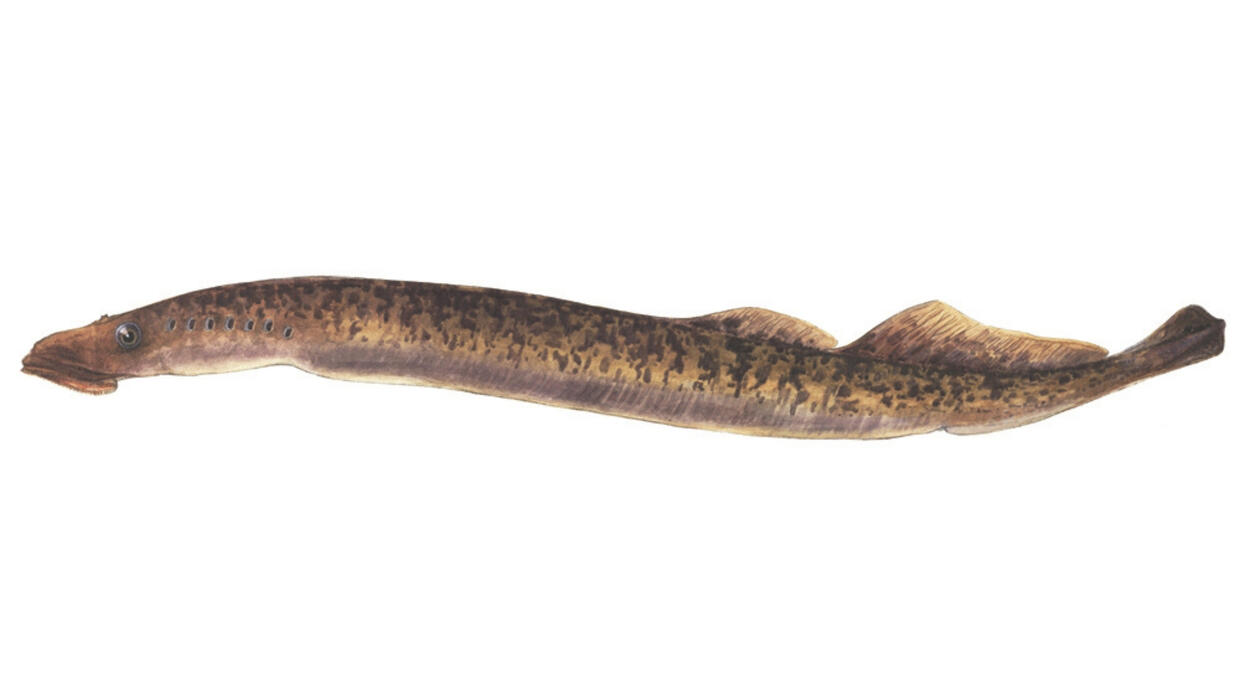
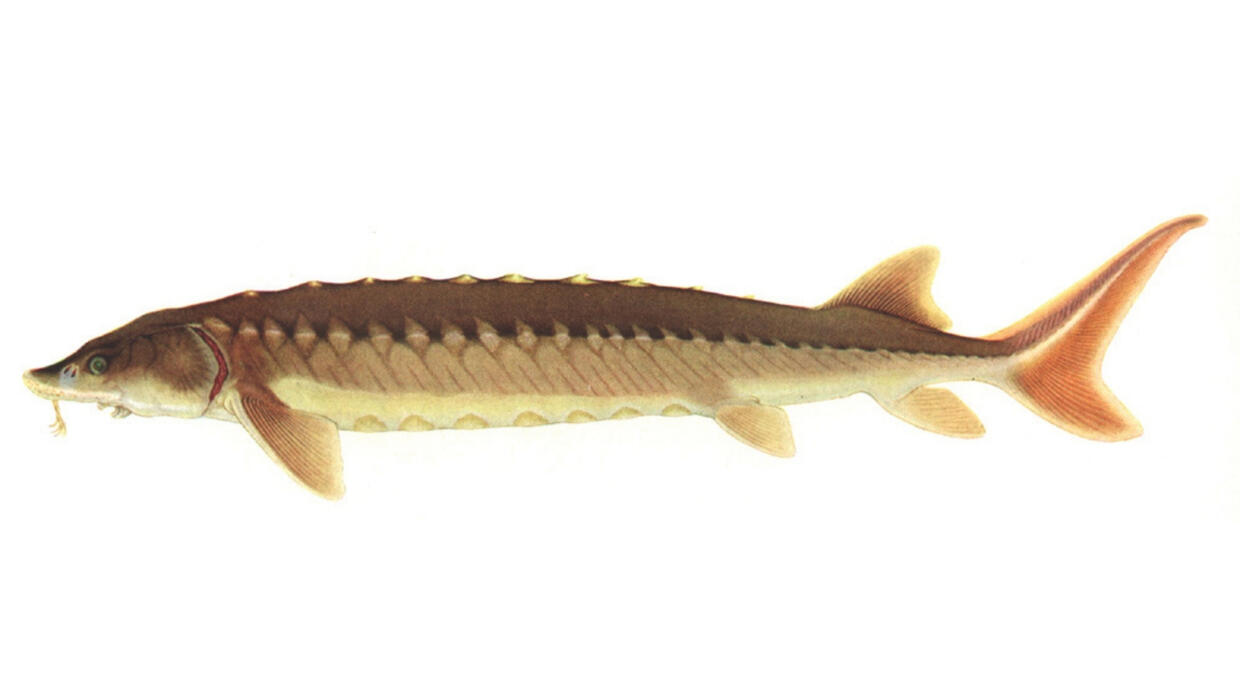
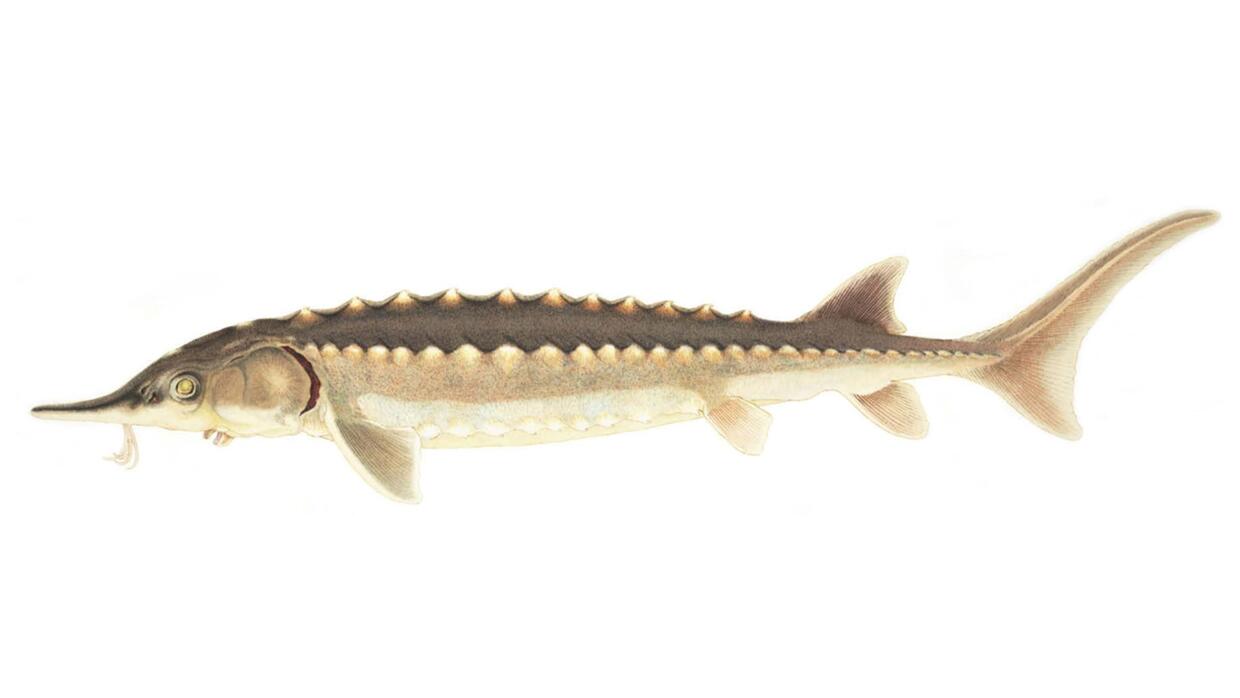
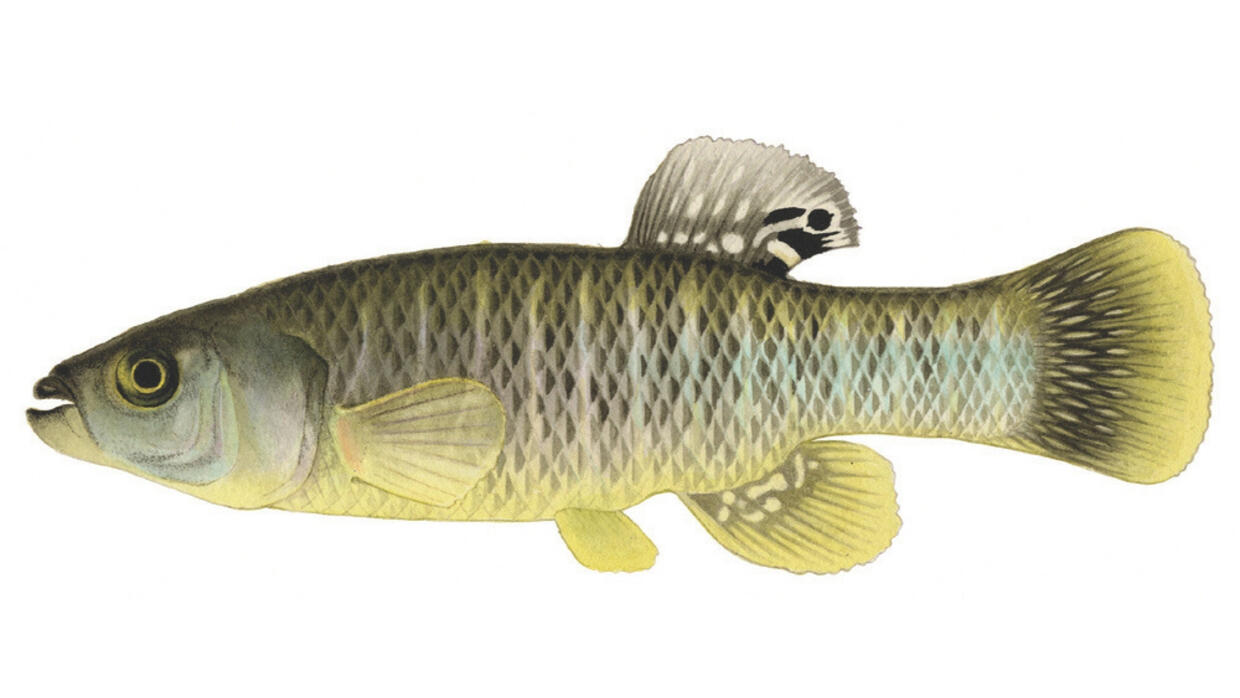
Mummichog
Minnows
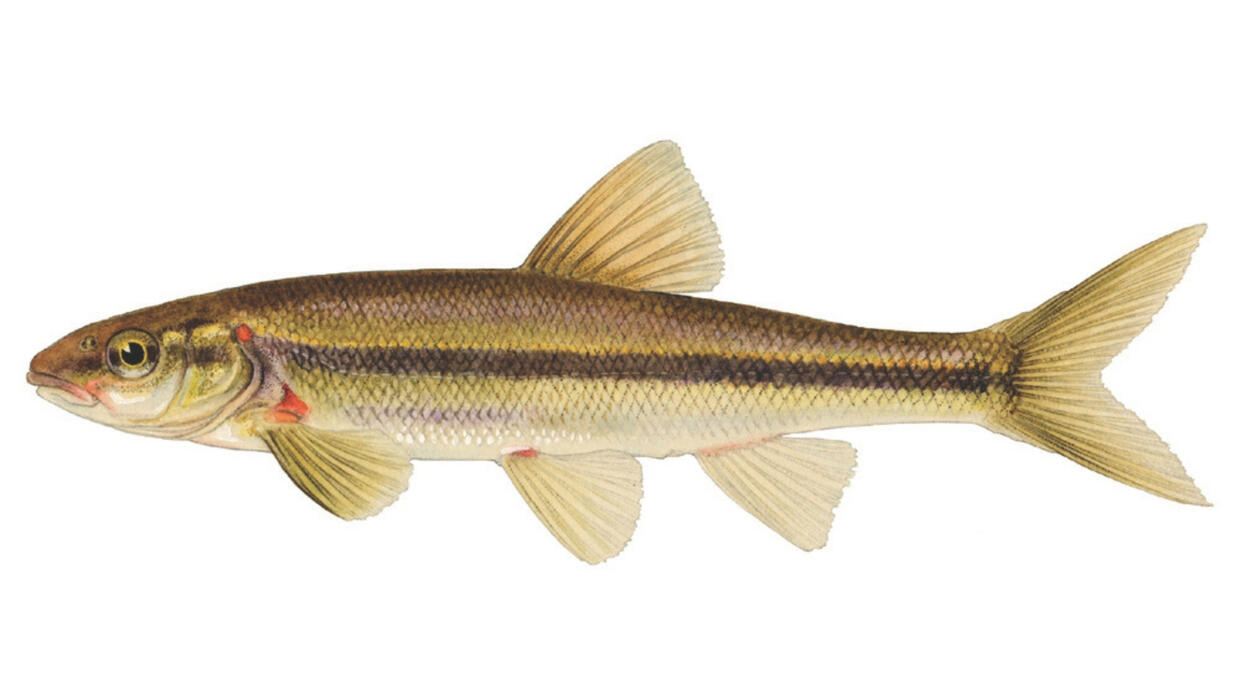
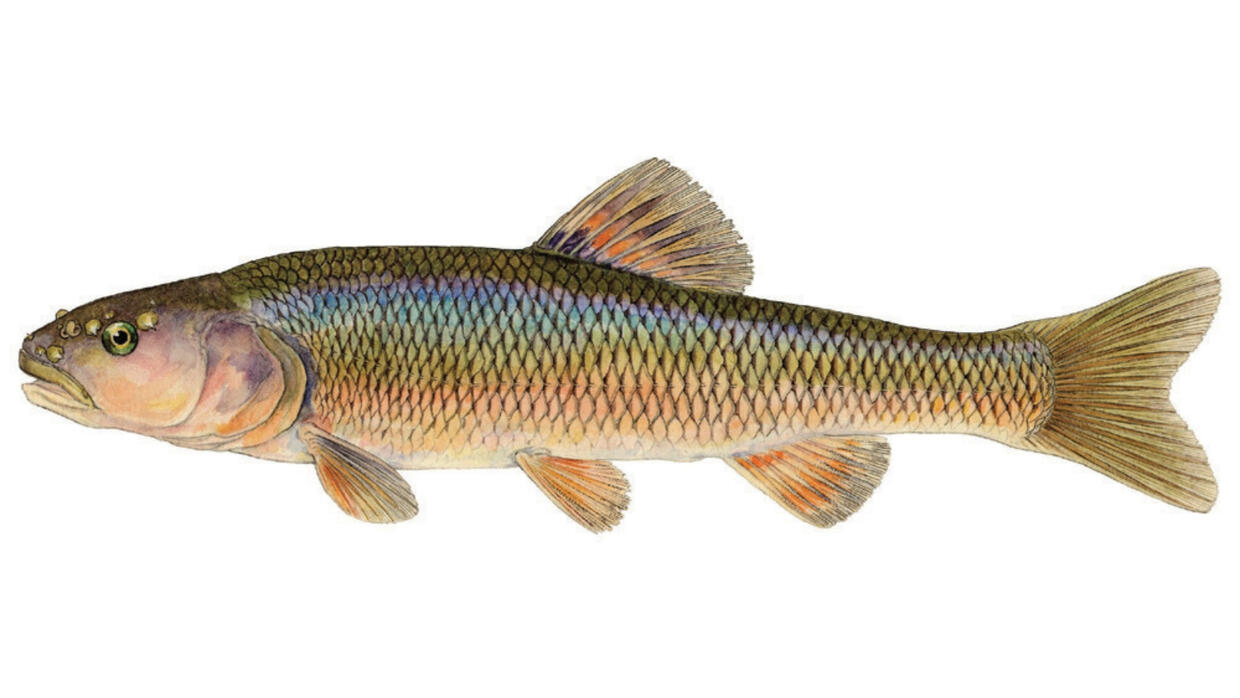
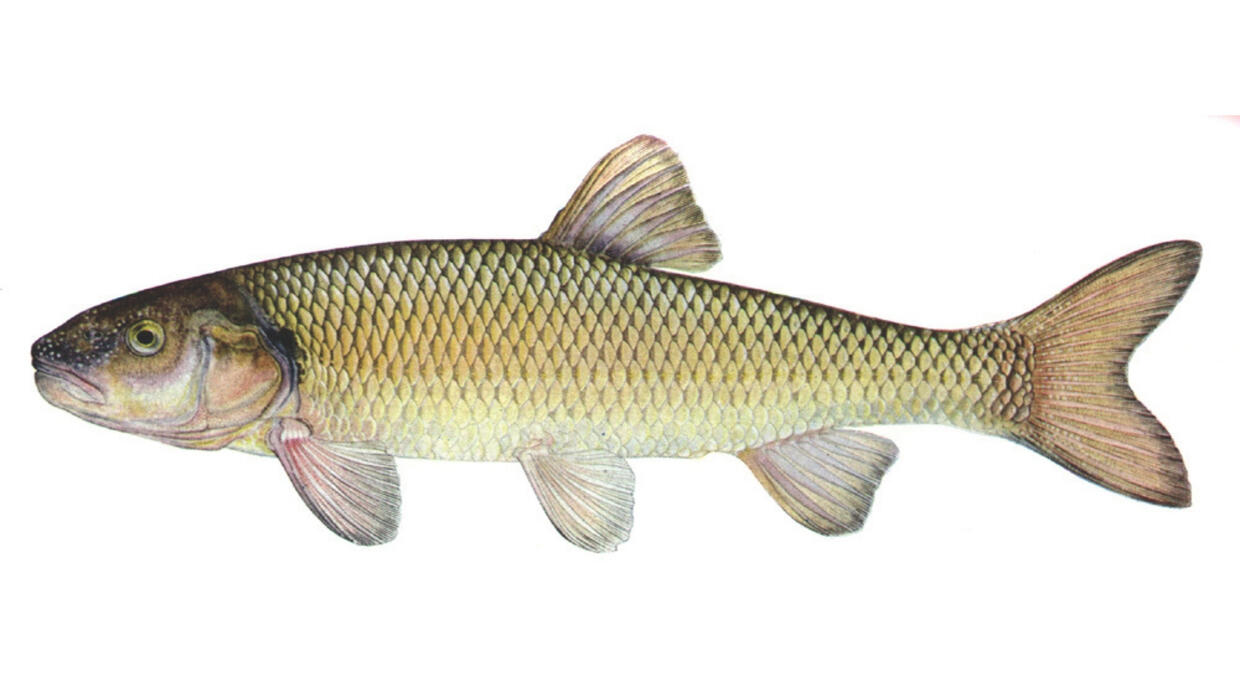
This grouping is often used to describe small fish but consists of multiple species often called minnows, shiners, or dace. These fish have one dorsal fin and no spines, and are often found in the midwater column foraging on small zooplankton or macroinvertebrates. Species in this grouping often have complex reproductive strategies including nest building, courtship, and territory defense. While most anglers do not target this species, they provide an extremely important forage base for predator sportfish in lakes and ponds, as well as streams and rivers.
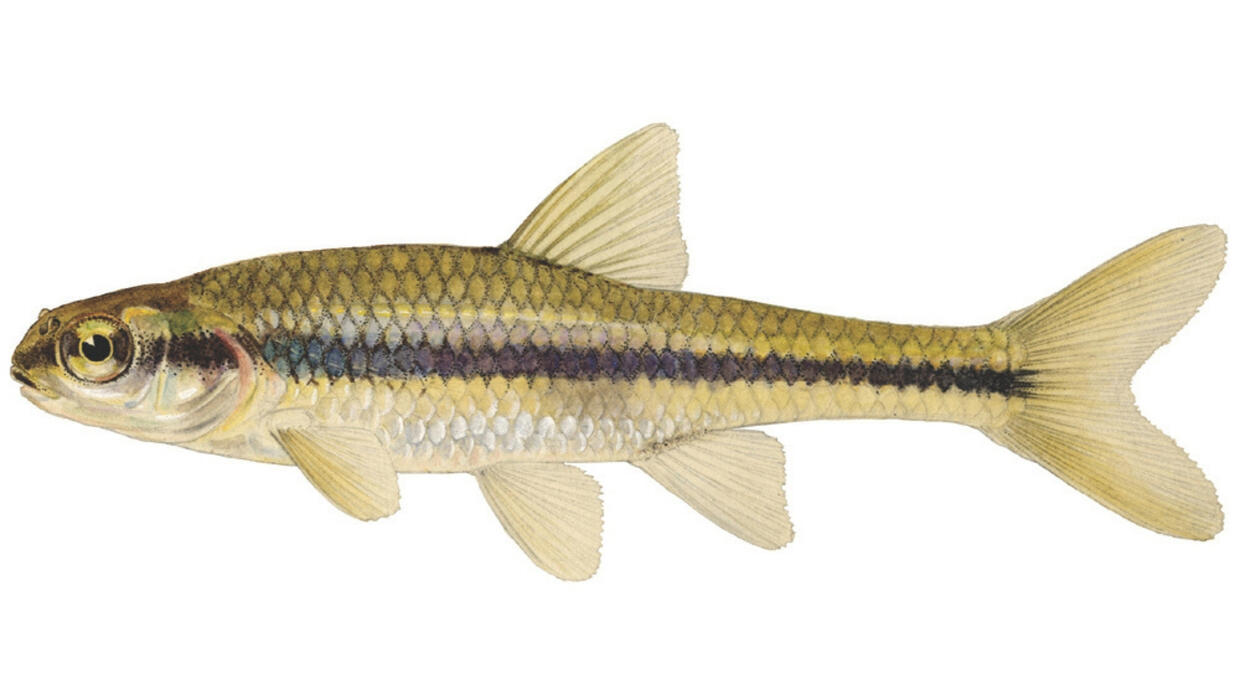
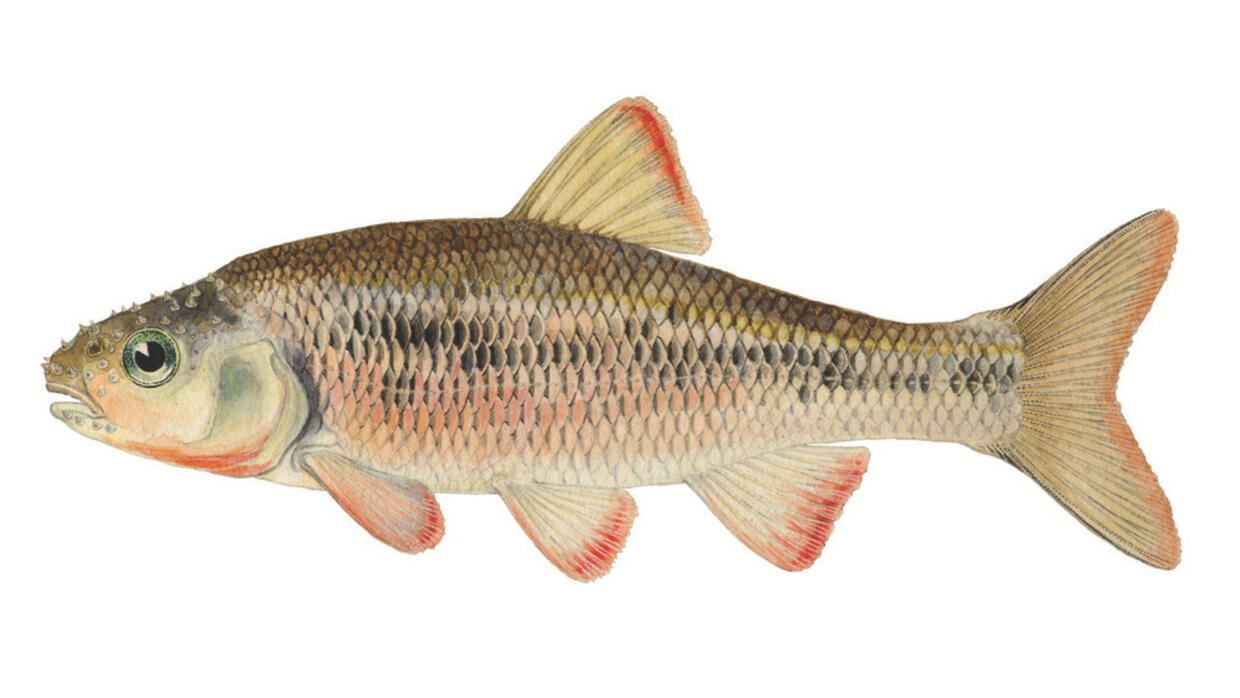
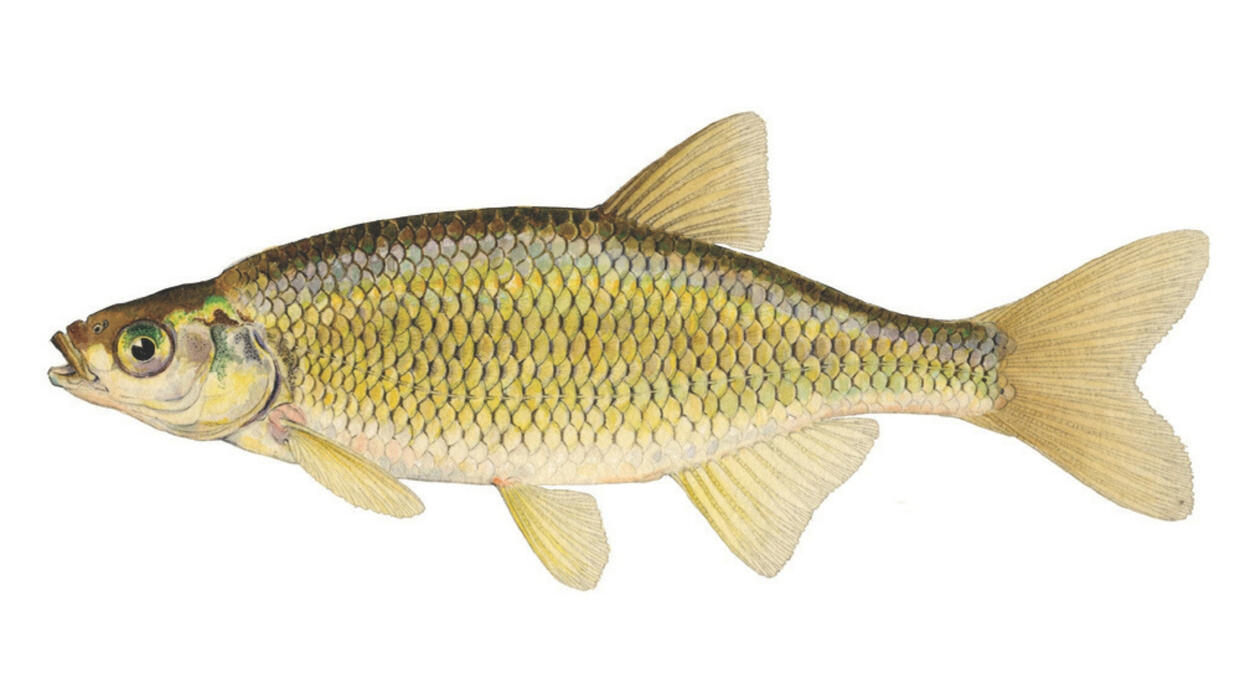
Golden shiner
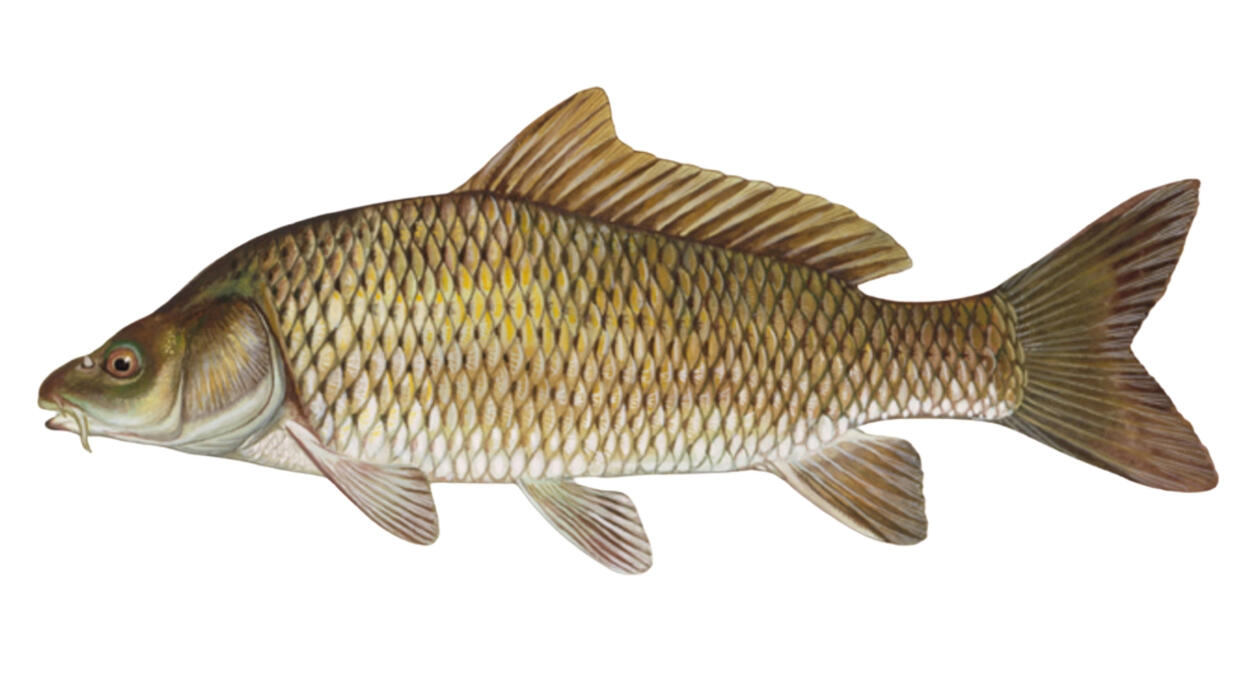
Common carp
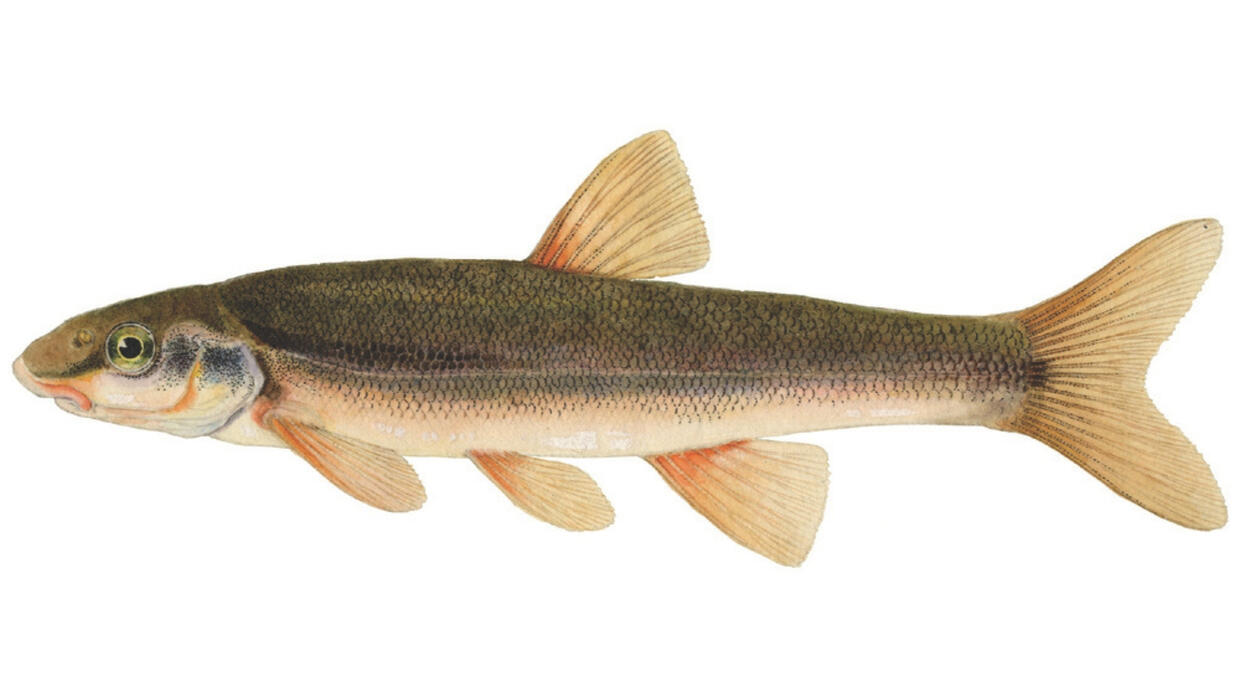
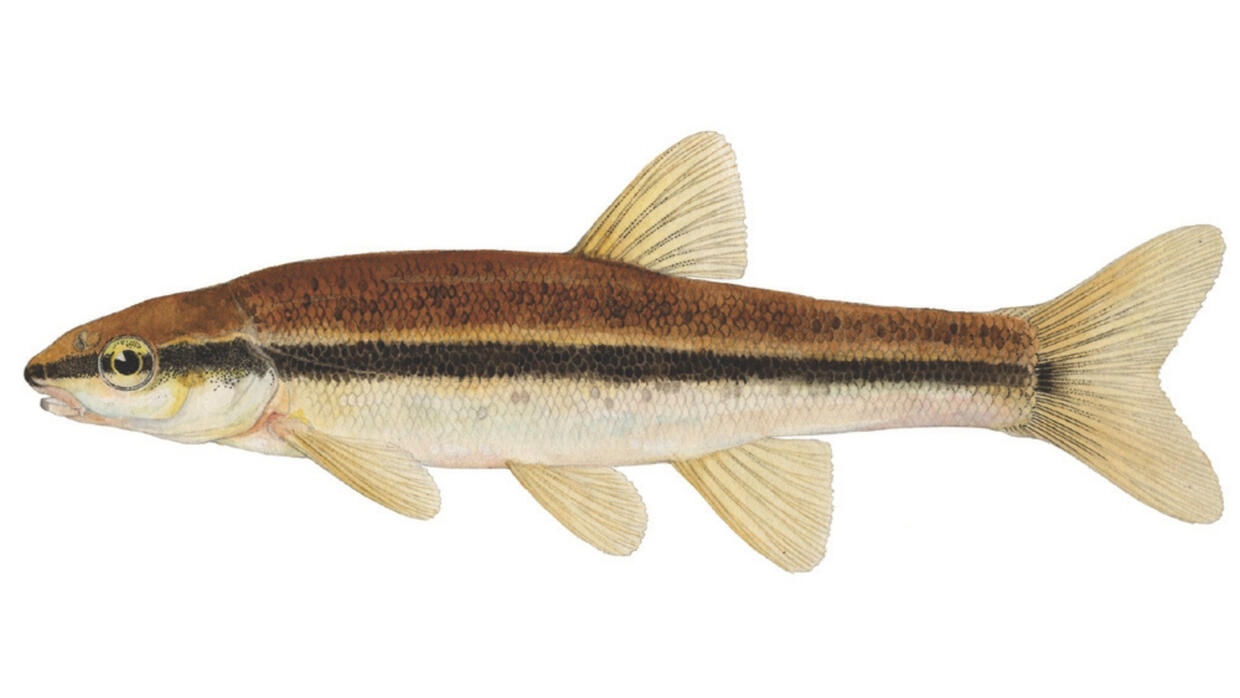
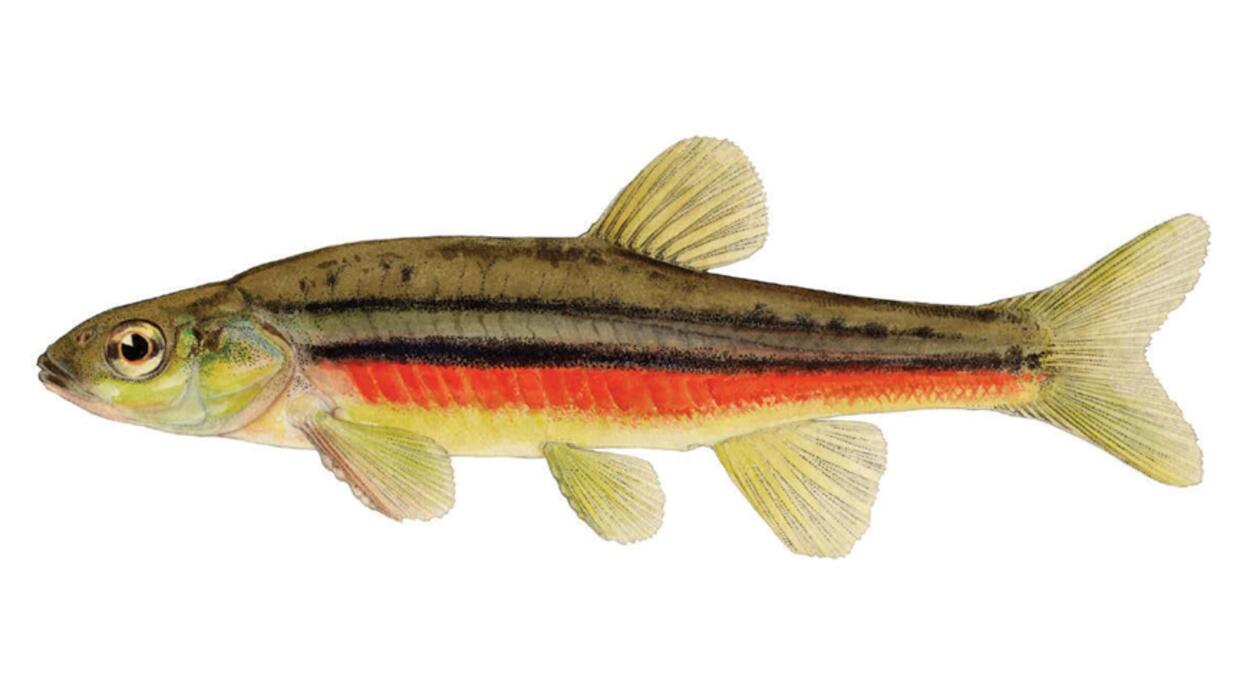
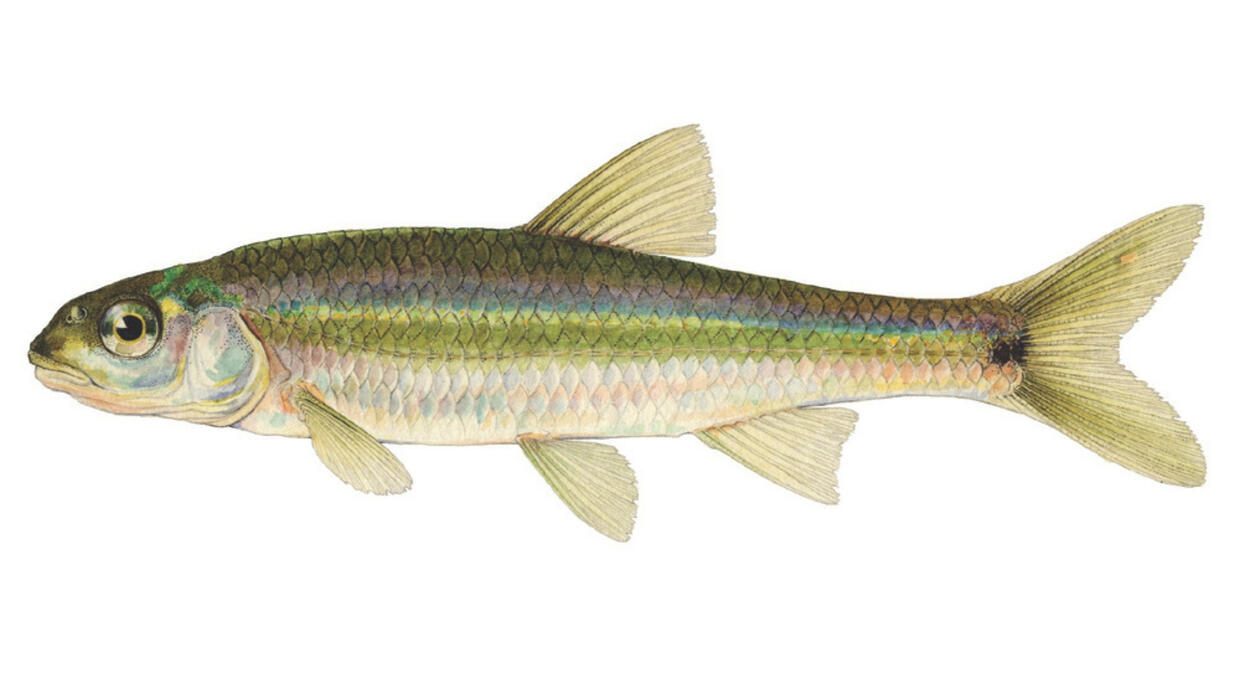
Spottail shiner
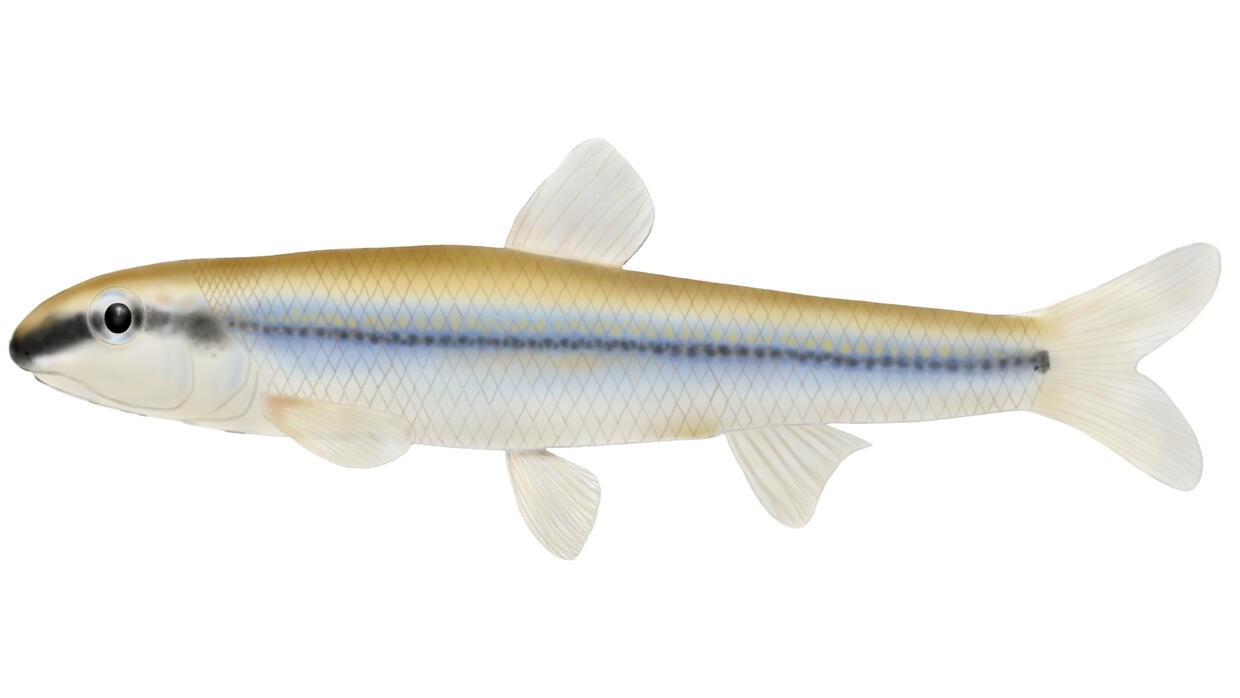
Bluntnose minnow
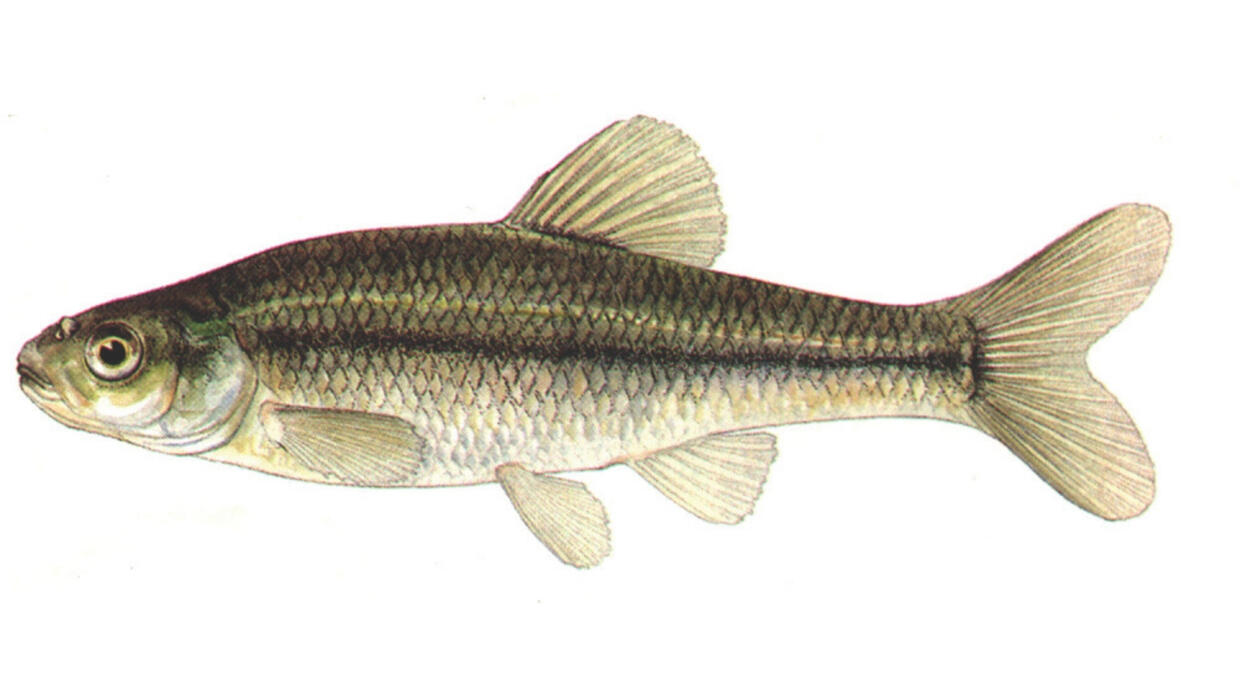
Fathead minnow
Miscellaneous
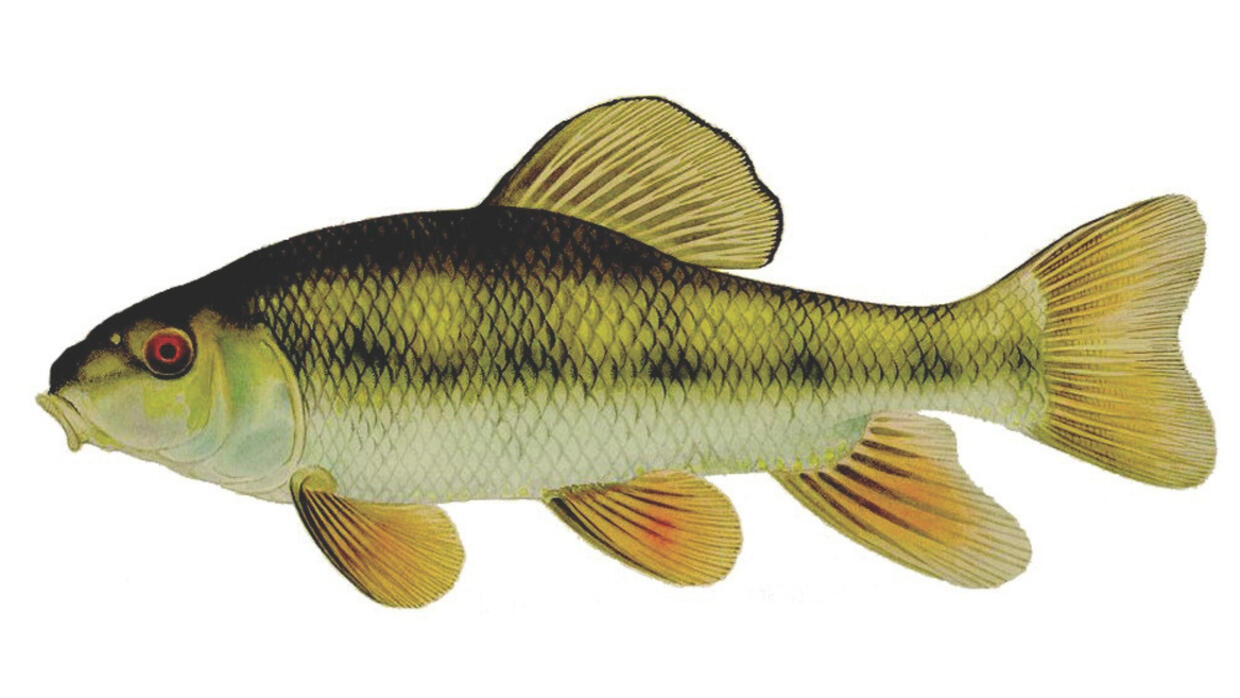
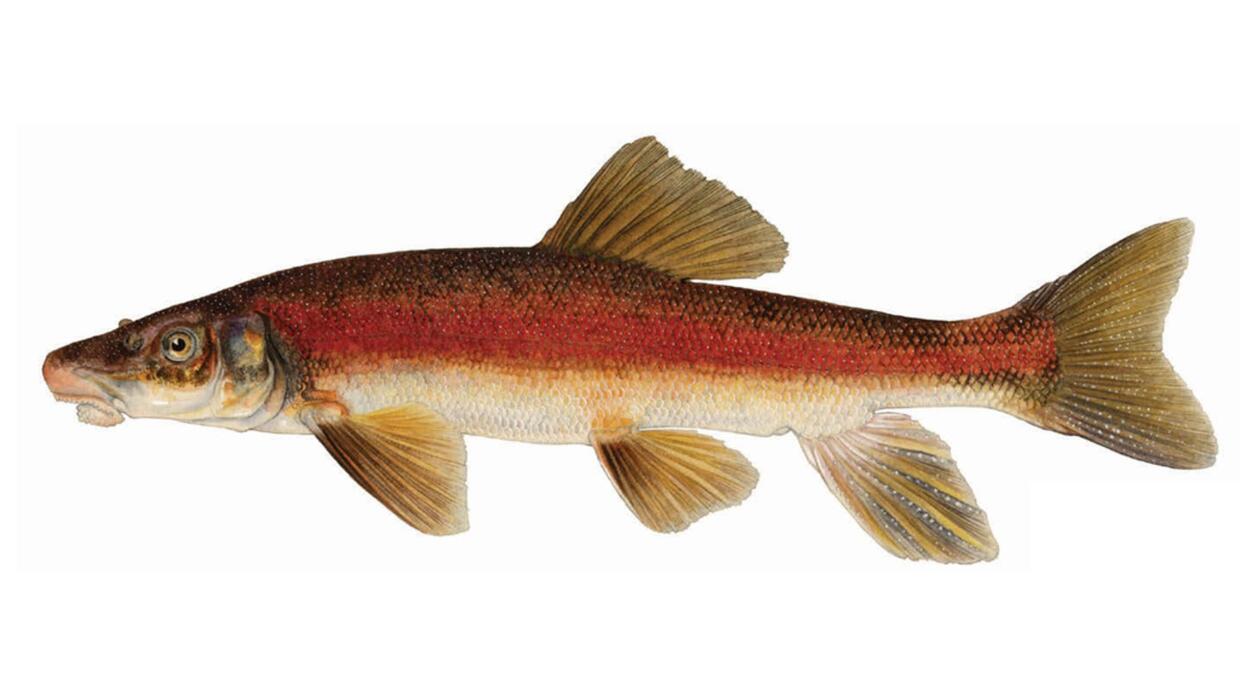
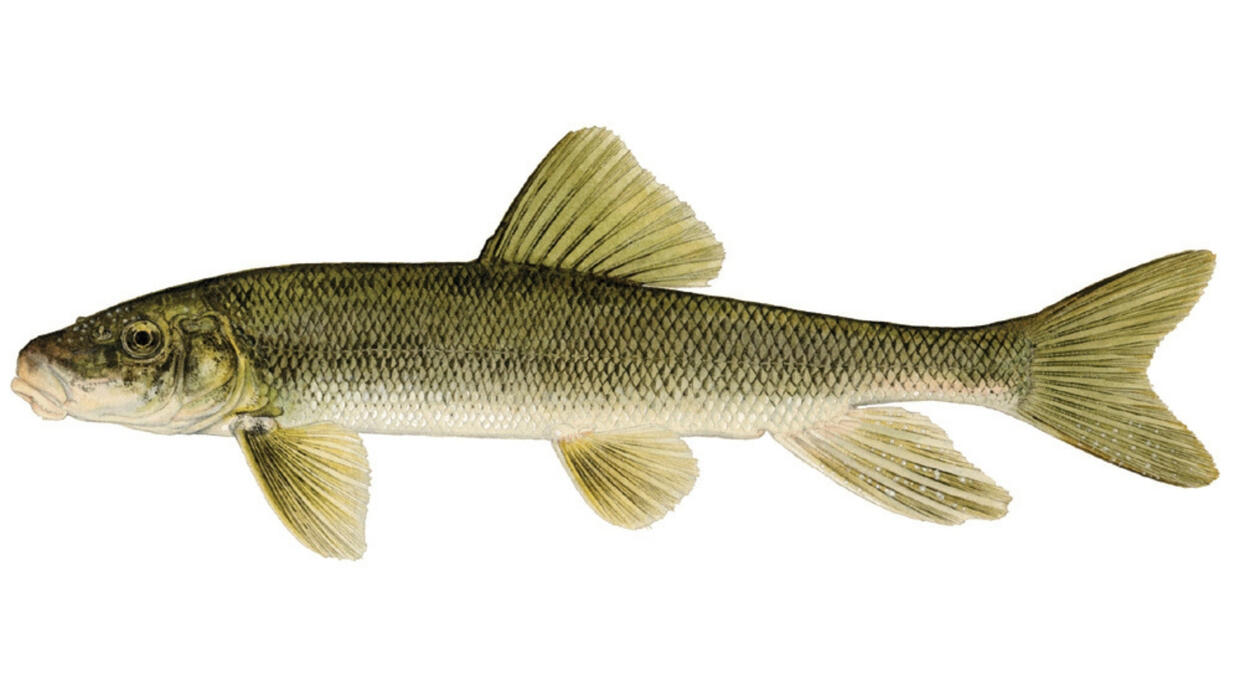
White sucker
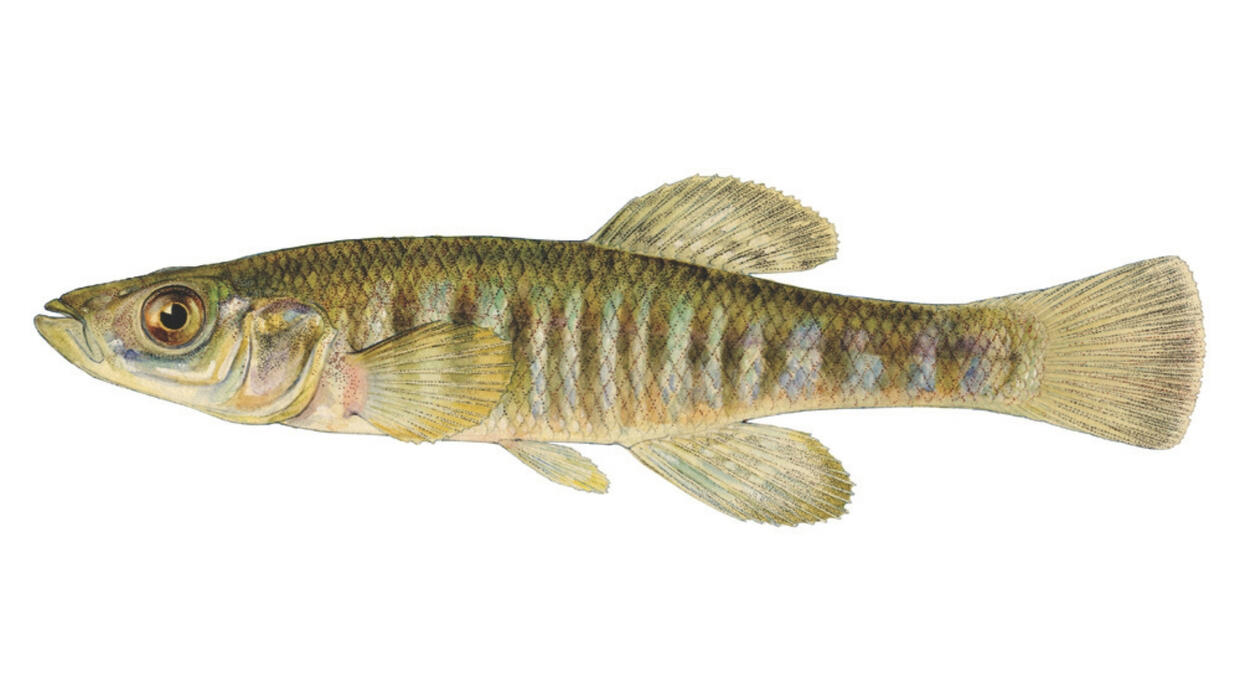
Banded killifish
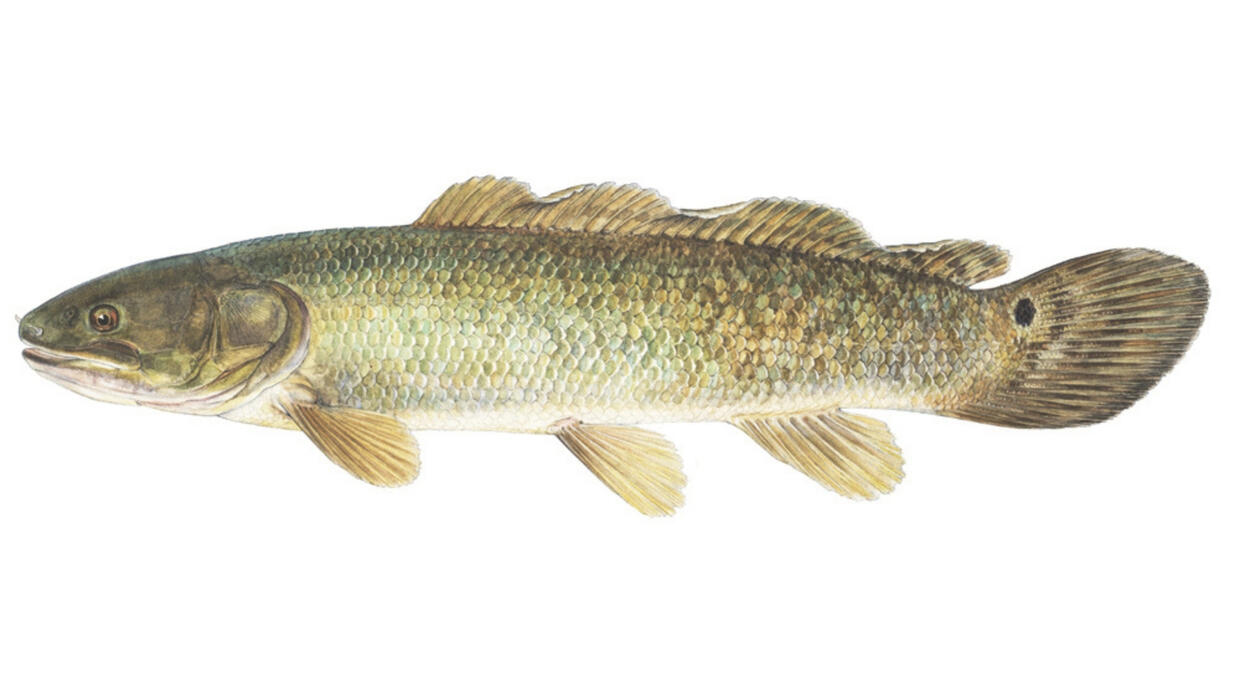
Bowfin
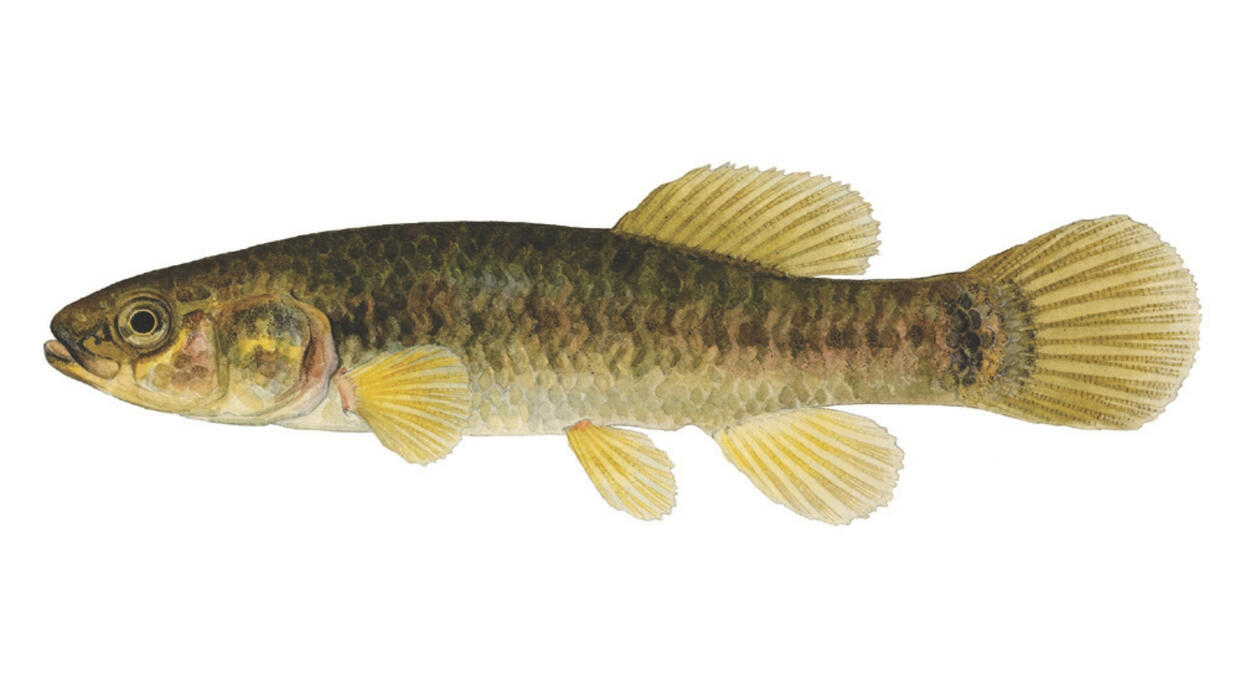
Central mudminnow
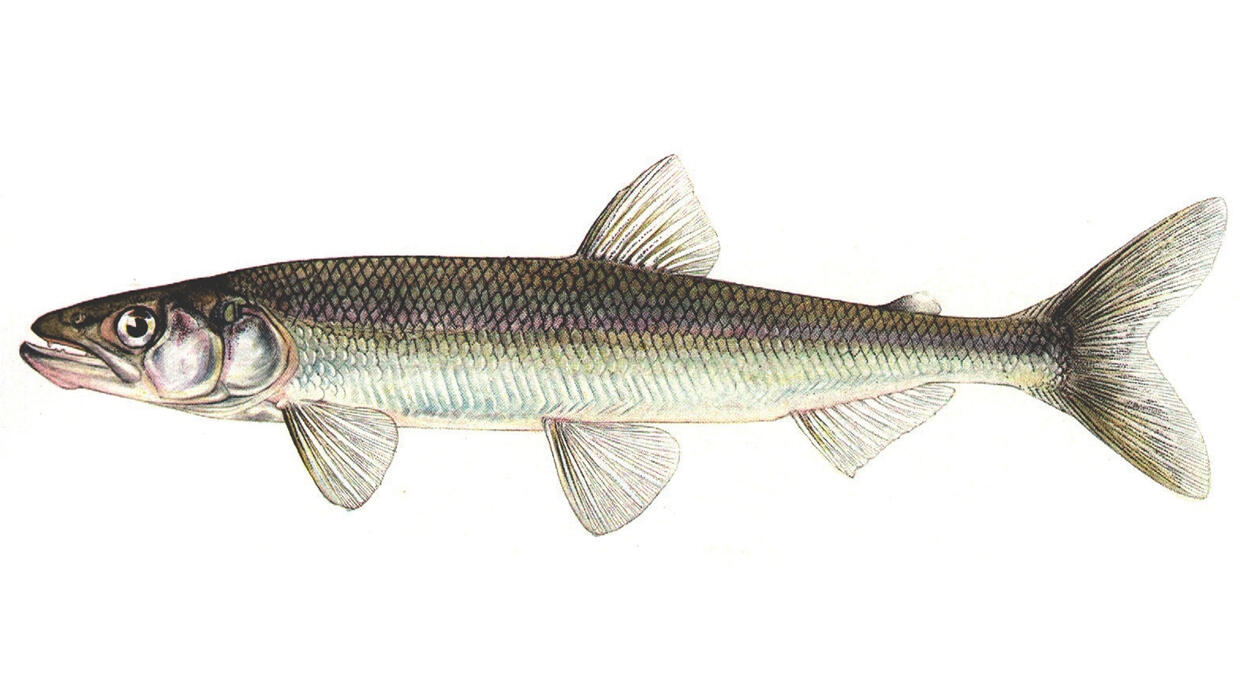
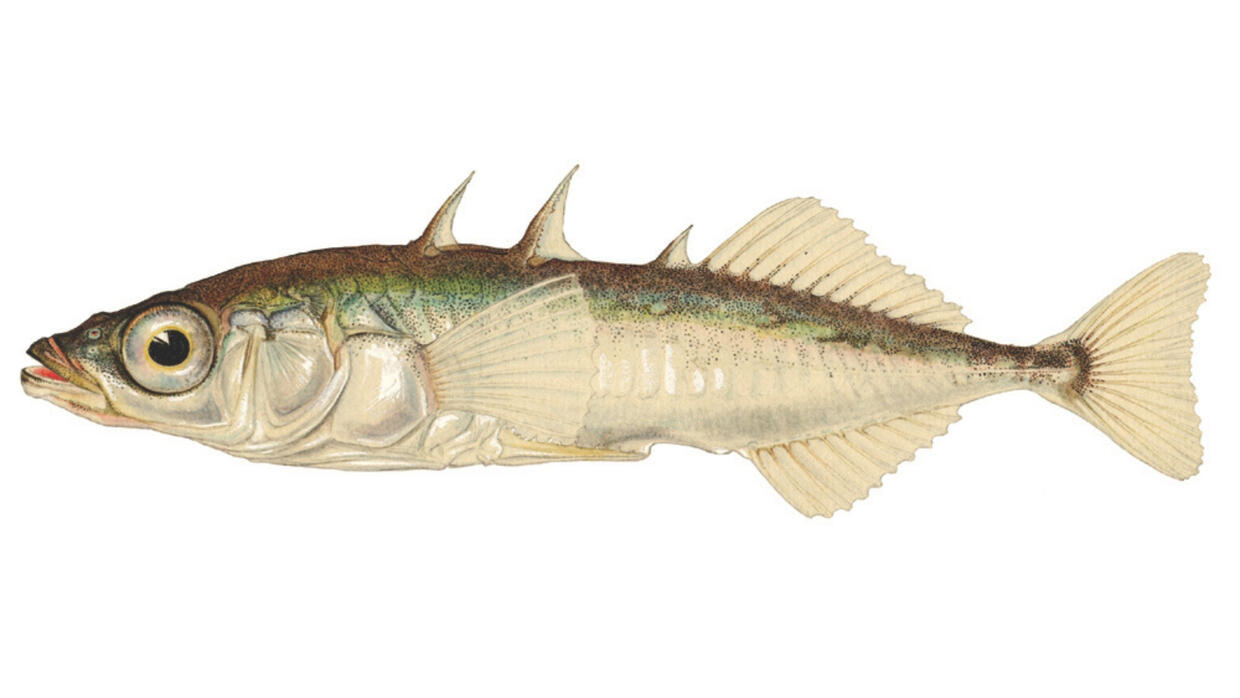
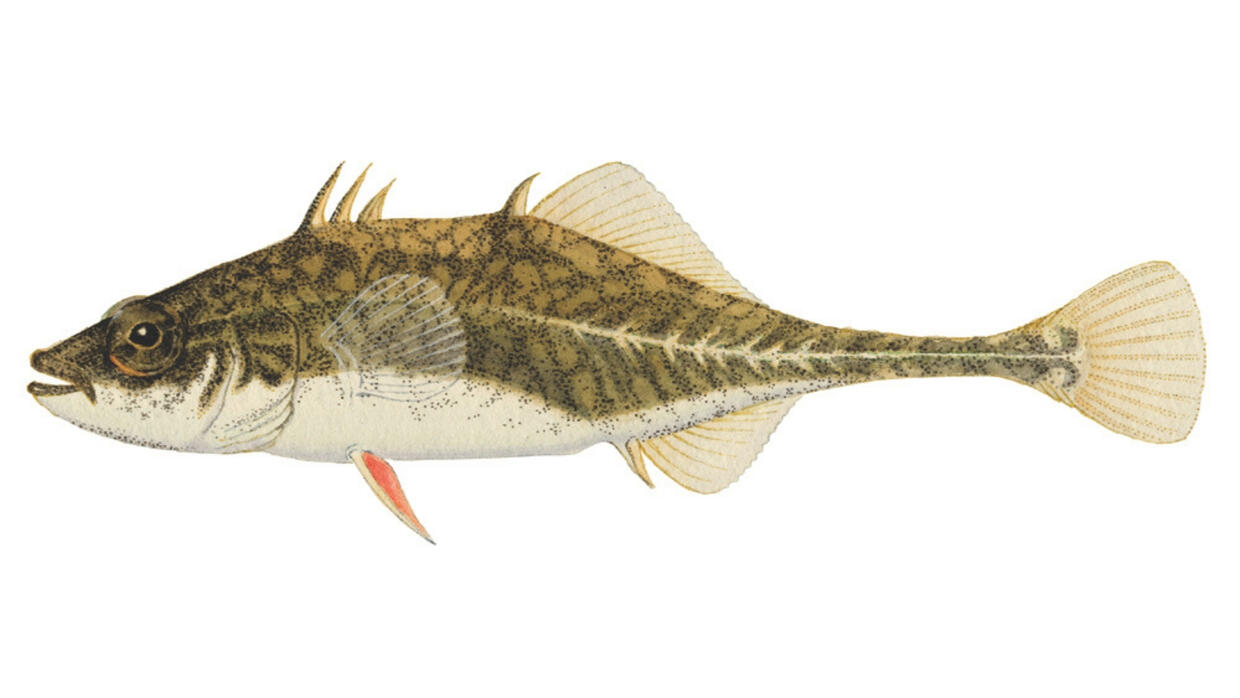
Four-spined stickleback