- Office of Consumer Affairs and Business Regulation
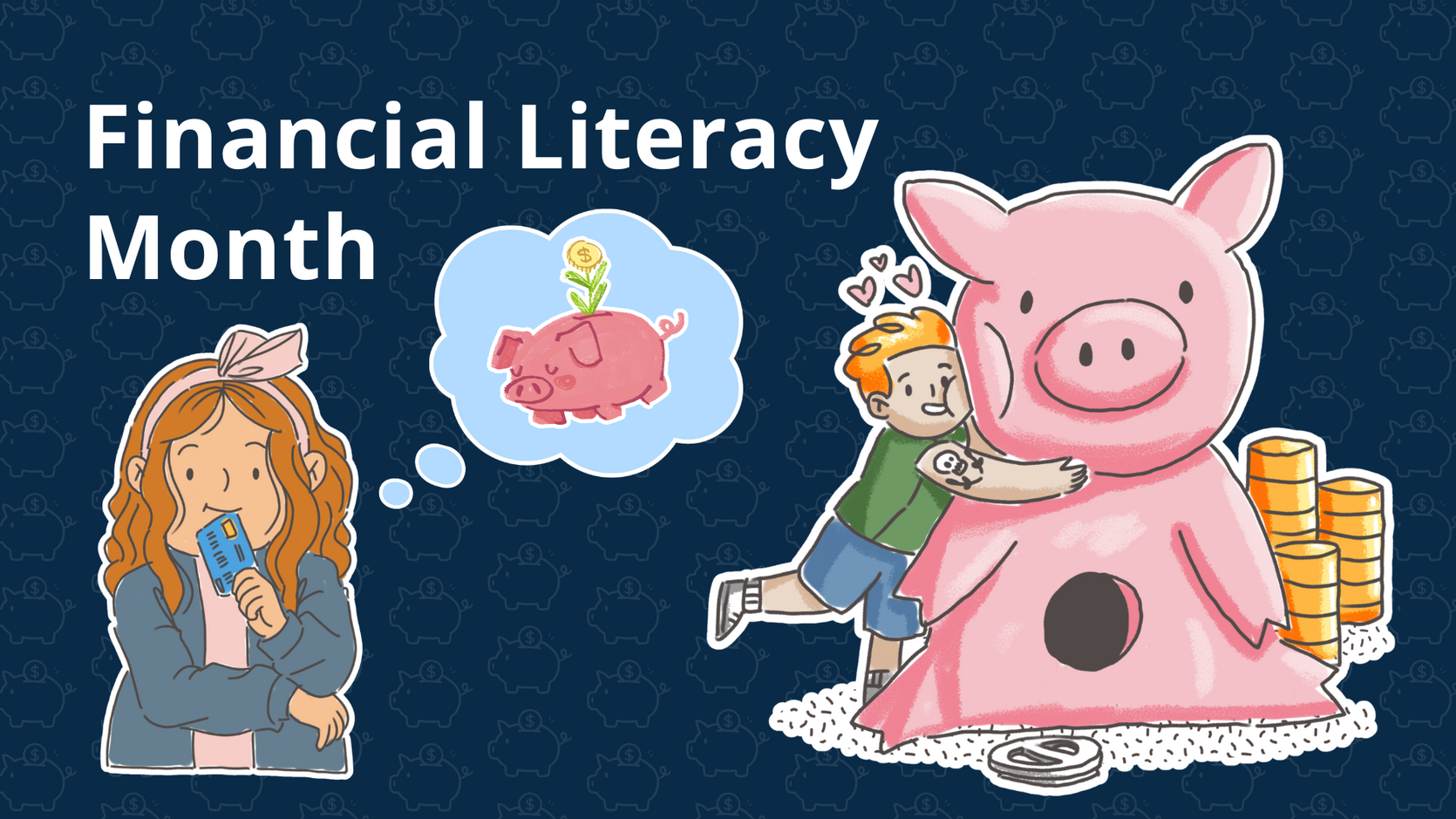
April is Financial Literacy Month. Recognized nationwide since 2004, it highlights the importance of financial education and building strong money management skills.
Financial literacy goes beyond April. It’s a key life skill people use every day. Financial Literacy Month can empower people to put their knowledge and skills into action. Use this month to build a baseline that you can continue to grow for the rest of your life.
What is “Financial Literacy”?
Also known as “financial education” and “financial knowledge,” financial literacy encompasses the skills, knowledge, and abilities that allow people to make and execute smart, informed decisions about money. Developing a quality understanding of financial literacy and set of financial literacy skills can help you make more informed decisions and increase your chances of financial success. Learning financial literacy skills may feel overwhelming — but the benefits from these skills can help protect both you and your loved ones’ financial futures.
Ways to Build Financial Literacy
Create a Budget
Calculate your monthly income and expenses to make a balanced budget that works for you and your needs. Plan for big purchases and make sure to keep taxes and deductions in mind. Remember that budgets aren’t only meant to restrict your spending, but to give you control over your finances.
Save for the Future
Saving early can give you a head start on payments for things like a car, house, college, and even retirement. Some employers offer 401(k) plans and/or equity plans — check with your employer and take advantage of the opportunities presented.
Track Your Spending
Keep track of your purchases, big and small.
Review bank statements and keep records somewhere, whether it’s an app, a notebook, or another method. Use mobile banking apps to monitor your finances, and turn on alerts for expensive purchases, low balances, or suspicious charges.
Make an Emergency Fund
Make a space in your expenses for an emergency fund and save it for when you need it. Three to six months’ worth of expenses such as rent, insurance, and groceries in a savings account can not only keep minor problems from spiraling into something worse but can also lessen the severity of a financial crisis in events like unexpected job loss or a medical emergency.
To Debt, or Not to Debt
Avoid taking on debt if you can. Before you take on debt, make sure you’re fully aware of who you are borrowing from and what the costs are, including fees, interest rates, and annual percentage rates (APRs). Know that Massachusetts law prohibits unfair, deceptive, and unreasonable debt-collection practices.
Review your credit card statements, credit reports, and credit scores each month to make sure you don’t spend more than you can afford. Pay more than the minimum amount due on loans and credit cards to reduce debt whenever possible.
Be cautious of predatory lending.
Predatory Lending
Predatory lenders include any lender that engages in deceptive, illegal, or unethical behavior. Tribal lenders and “payday” loan providers fall into this broad category and are not licensed in Massachusetts. Short-term “payday” loans often come with high interest rates and upfront fees, triple-digit annual percentage rates (APRs), and quick repayment demands (usually requiring full loan and fee repayment within 14 days). Some predatory lending entities partner with a protected Native American tribe (the “rent-a-tribe" model) to operate under tribal sovereignty and evade state laws.
Predatory lending enterprises often target consumers with poor credit or who are facing financial hardship. If a borrower can't repay the full amount within the quick, required time frame, the loan can be rolled or refinanced for extended time, but with an additional fee. The high cost of the loan results in many lenders automatically refinancing the loan, which can easily trap the consumer into an endless cycle of debt that becomes increasingly difficult to pay off.
Small Loan Lenders
Under Massachusetts law, no lender can lend a consumer an amount less than $6,000 with an interest rate between 12 to 23 percent per annum without being licensed as a small loan company by the Division of Banks. Loans outside of these parameters fall outside of Massachusetts Division of Banks (DOB) licensing requirements. Licensed small loan lenders must comply with the Massachusetts Small Loan Law (Massachusetts General Laws chapter 140, section 96) and the Small Loan Rate Order. Under the Small Loan Rate Order, a small loan company cannot charge an APR more than 23 percent or fees greater than $20.
Consumers may check the license status of a potential small loan lender on the DOB website. This page provides the updated list of licensees for all license types under the DOB’s jurisdiction, including but not limited to small loan lenders, and is updated quarterly.
Keep Credit in Mind
Building good credit opens opportunities to access more loans, better interest rates, easier approval for rental housing, and more. By demonstrating financial responsibility, banks know they can trust you when handling larger extensions of credit, such as borrowing for a car or mortgage. While credit can be a useful tool, it can be a risky one. For example, credit cards can help you build good credit but also lead to poorer spending decisions compared to cash, debit cards, or prepaid cards — especially if you’re constantly carrying over a balance from month to month. Always know the terms before you borrow and only use credit to make a purchase if it’s the best method for you.
Invest
Investing is a tool for growing your money and helping you save for the future, like retirement. However, saving and investing are different strategies, as investing can be risky — especially if the market is volatile. Always be smart about how much and where you invest.
Picking Your Financial Institution
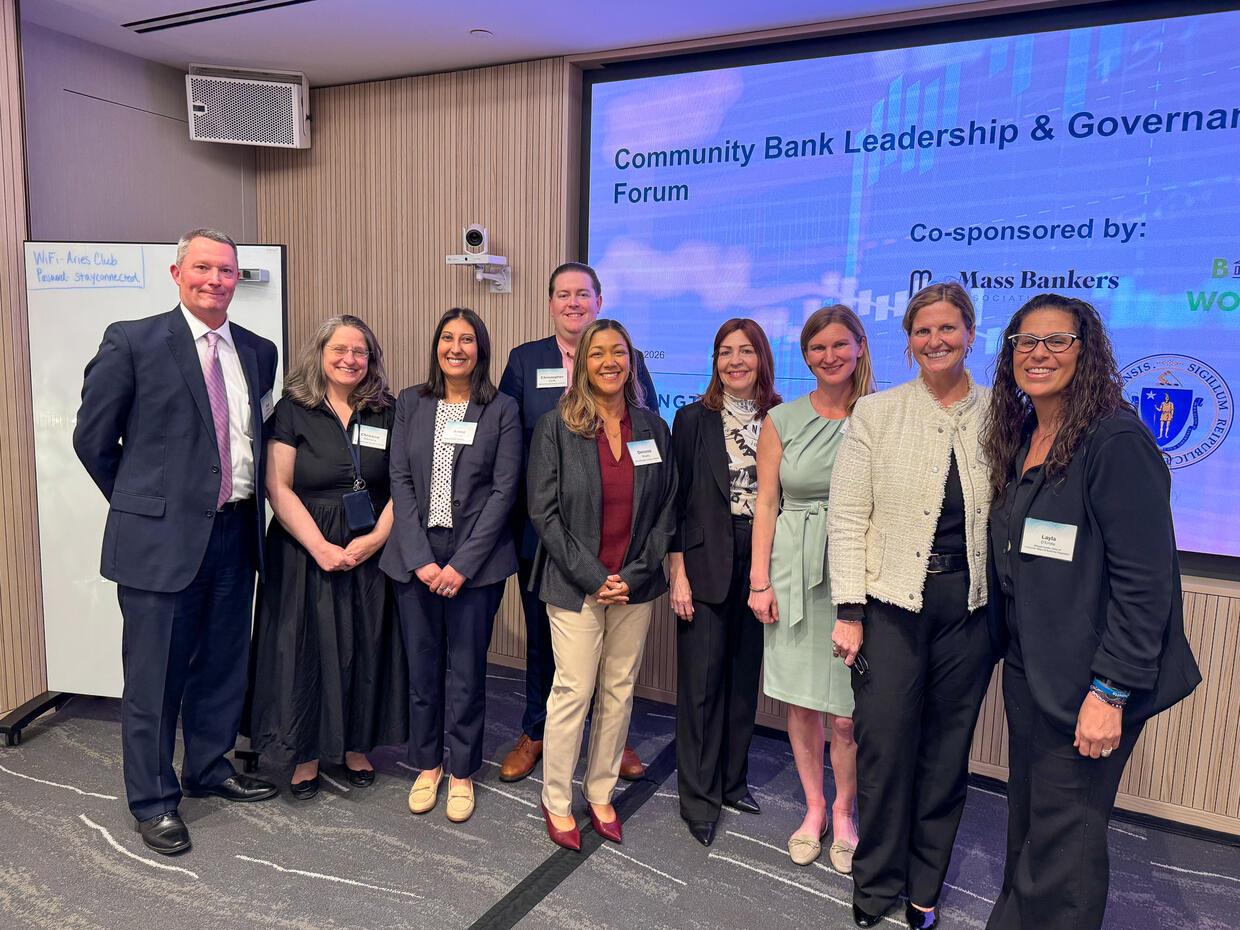
Picking who to trust with your money is a big decision. Do your research and make sure you feel comfortable with the provider you choose.
Be mindful of where you keep your money. Only banks and credit unions (depository institutions) are federally insured to protect a consumer's deposits in case of failure. Banks are insured by the Federal Deposit Insurance Corporation (FDIC) and credit unions are insured by the National Credit Union Administration (NCUA). State-chartered depository institutions may also have additional deposit insurance above the federal limits through a private, industry-sponsored excess insurer. While helpful to transmit money to people and businesses, common apps for peer-to-peer money transfers are not banks or credit unions, and any money you store in these apps is likely uninsured.
Banks and Credit Unions: What’s the Difference?
Banks and credit unions might seem similar, but they’re not interchangeable. While both are regulated financial institutions that offer a variety of deposit, credit, and other financial services, the differences in how they operate can affect your financial experience. Be sure to compare interest rates, fees, and other account information to choose what works best for you.
Banking in Massachusetts
If you bank in Massachusetts, the DOB has resources to help, including a lookup of state-chartered banks & credit unions. They also offer resources for locating a bank or credit union and their regulator, as not all banks and credit unions physically located in Massachusetts are regulated by the DOB. Community banks and credit unions are staffed by local decision makers, and if state-chartered, are supervised by local regulators who understand our local communities. Many people enjoy banking in an environment where the employees know you by name. Local community institutions may be able to provide a greater customer focus and personal connection.
Financial Literacy — It’s Not Just for Adults!
Financial literacy matters at any age. While a third grader isn’t going to be balancing a checkbook or calculating credit scores, building financial skills throughout their development can lead to lifelong financial success.
Children
- Demonstrate smart spending habits early — children observe more than they may let on!
- Participate in imaginative play involving money topics, like a shopping roleplay.
- Encourage division of money into “save, spend, and give.”
- Use visible, tangible saving methods (like a glass jar).
- Teach the difference between needs and wants.
- Encourage waiting to make big or “have to have it” purchases.
Teens
- Help set up a monitored savings account and review statements together.
- Make a budget with them and make sure they know what it means.
- Discuss finances openly, but appropriately, to normalize money management.
- Learn about interest, debt, loans, and credit scores.
- Track income and expenses to practice managing money effectively.
- Recognize the impact of advertising and social media on purchasing decisions.
- Start conversations about saving for college
Resources
In English
- The Financial Literacy Resource Directory from the Office of the Comptroller of the Currency includes resources for people with disabilities; military servicemembers, veterans, & families; Native and Indigenous communities; older adults; and more.
- Access a list of Tribal and Native Resources from MyMoney.gov.
- “Money Smart,” a financial education program from FDIC.gov.
- “Secure Your Financial Future,” a toolkit for individuals with disabilities from the U.S. Department of Labor
- “Teach Children to Save,” a program from the American Bankers Association.
- “Investing in your Future,” a financial literacy research guide from Purdue University Libraries
From Mass.gov
- Find Banks and Credit Unions
- Locate a bank or credit union and their regulator
- Consumer Money Matters
- Filing a consumer financial complaint
- Download a list of approved licensees
- Verify a financial services licensee
From the Consumer Financial Protection Bureau
- Access more Consumer Resources from the Consumer Financial Protection Bureau
- Financial resources for serving servicemembers, veterans, and military families
- Track your spending with this easy tool
- An essential guide to building an emergency fund
En Español
- Recursos de educación financiera — Hispanic Federation
- Banca con Inglés como Segundo Idioma: Consejos para Hispanohablantes
- Aviso al Consumidor! Prestamistas Tribales de Payday Loans
Oficina para la Protección Financiera del Consumidor
- Herramientas para el consumidor
- Échele un vistazo a nuestros recursos y herramientas en su idioma
- Una herramienta fácil para vigilar sus gastos
- Cobro de deudas
- Informes y puntajes de crédito
- Comprar una casa
- Tarjetas de crédito
- Tarjetas y otras cuentas prepagadas
- Cuentas y servicios bancarios
- ¿Qué es un puntaje crediticio?
Resources for the d/Deaf & Hard of Hearing and ASL users
Please note that these are additional resources and contact options to specifically serve d/DHH and ASL users. These are intended to supplement what is given above in written English and Spanish to ensure more equal access, not to replace those resources.
- Contact the Consumer Financial Protection Bureau via TTY/TTD: (855) 729-2372.
- Access videos from the Internal Revenue Service's official ASL-language YouTube channel.
- Access Deaf & Hard-of-Hearing Resources from the National Disability Institute’s Financial Resilience Center.
- Access financial literacy videos in American Sign Language (voiced English and Spanish also available) from the Washington Center for Deaf and Hard of Hearing Youth.