

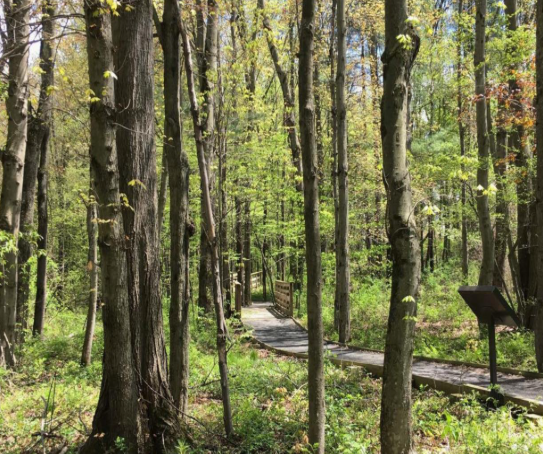
Through coordinated local, regional, and state planning, most residents live within 20 minutes of a trail, and many trails can be reached using public transportation. Particular attention has been paid to prioritizing trails in communities with high rates of disabilities and limited access to outdoor recreation, resulting in greater trail equity across the state.
Trails are easy to find and well-documented, with a centralized source of accurate trail information. All trails—whether accessible or not—provide clear, accurate information about accessibility so users can plan experiences confidently.
As a result, residents enjoy the health, wellness, and stress reduction benefits of spending more time outdoors. The investment in outdoor recreation also pays economic dividends for communities and local businesses, as Massachusetts is recognized as a leader in accessible outdoor recreation. In committing to regularly maintain trails, communities realize the return on investment for years to come.
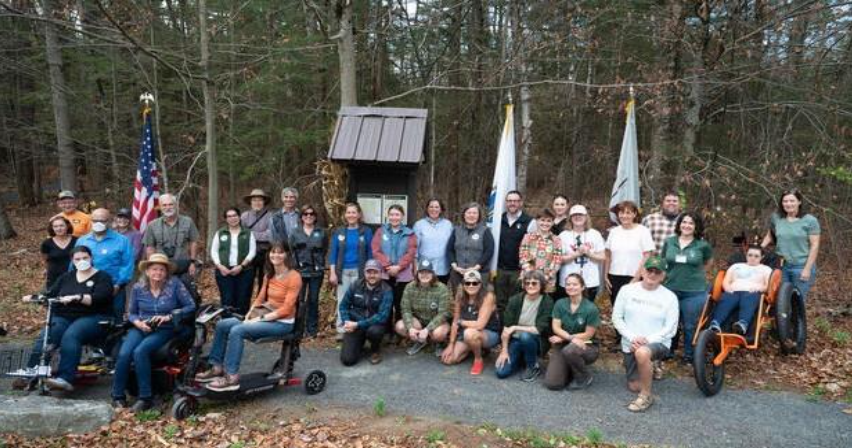
State leadership, municipalities, and trail organizations have made this possible through legislation, funding, streamlined permitting, and shared educational and training resources. At all levels of planning and implementation, the voices of those with lived experience of disabilities have been at the center. Massachusetts is proud to be a place where everyone—regardless of ability or neighborhood—can enjoy outdoor recreation and connect with nature to experience its physical, mental, and social benefits. Our trail network is a testament to our shared values of equity, inclusion, dignity, and access to nature as a human right, and is an enduring resource for current and future generations.
Why This Vision Matters
Achieving this vision will:
- Expand access to nature for hundreds of thousands of residents
- Improve physical and mental health outcomes
- Support local economies and outdoor recreation industries
- Strengthen environmental stewardship and connection to natural resources